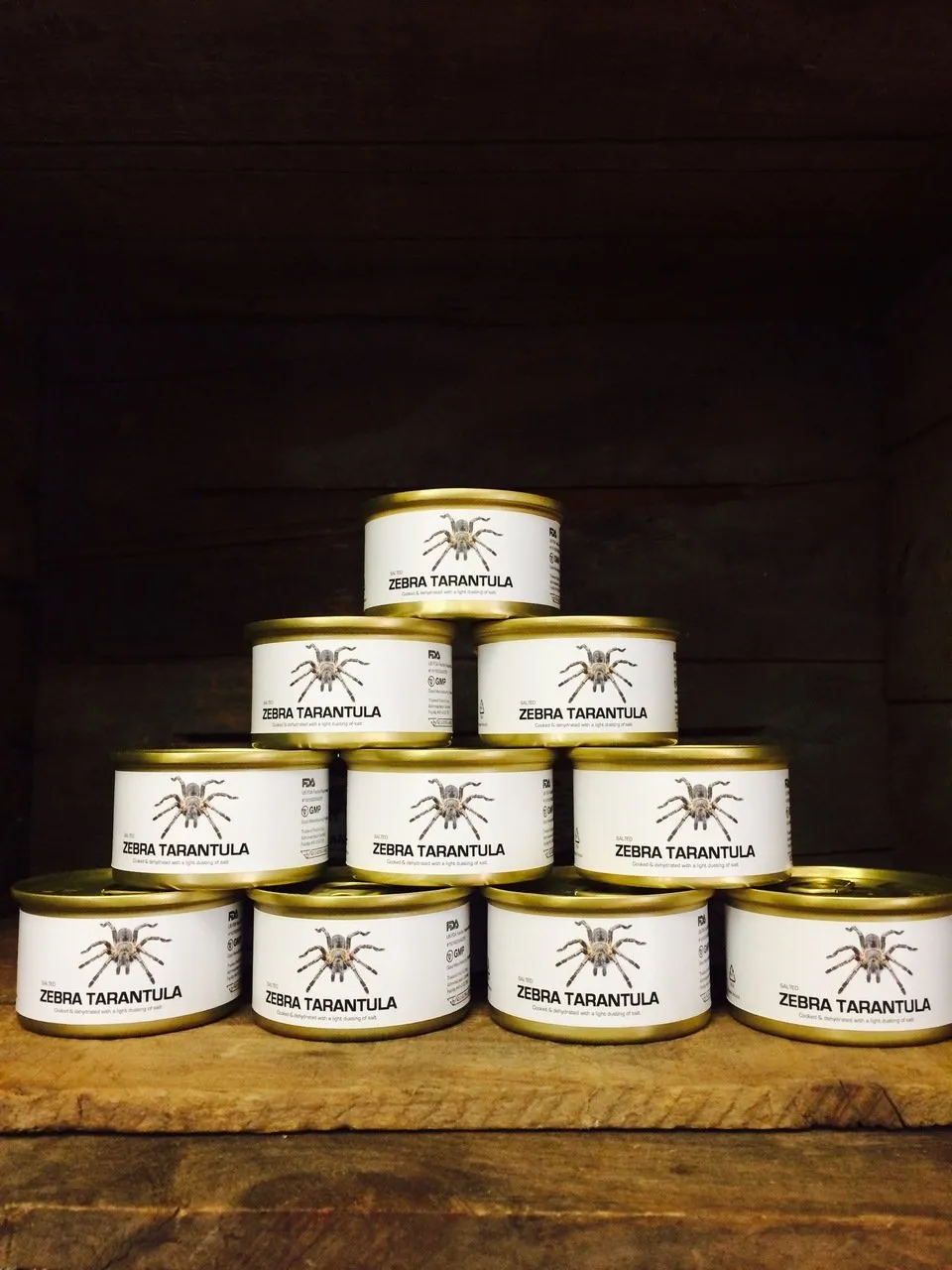
Zebra Tarantula Diet Top 5 Food Choices
The zebra tarantula (Aphonopelma seemanni) is a fascinating pet, and proper diet is crucial for its health and longevity. These spiders are obligate carnivores, meaning they primarily eat insects. Providing a varied diet ensures they receive all the necessary nutrients. This guide explores the top 5 food choices for your zebra tarantula, offering insights into their nutritional value and how to prepare them. Understanding their dietary needs will help you provide the best care possible for your pet.
Crickets
Crickets are a staple food for many pet tarantulas, including the zebra tarantula. They are relatively easy to obtain and are a good source of protein. Crickets provide a decent amount of nutrients, making them a convenient and beneficial food source. However, it’s important to consider the size of the crickets relative to your tarantula. Crickets that are too large can stress your tarantula, while those that are too small may not provide enough nutrition. Always supervise your tarantula during feeding and remove any uneaten crickets within 24 hours to prevent them from bothering your pet.
Nutritional Value of Crickets

Crickets are a good source of protein, which is essential for the growth and development of your zebra tarantula. They also contain some fats, which provide energy. It’s important to supplement the crickets with a commercial cricket food or by gut-loading them. Gut-loading involves feeding the crickets nutritious foods before offering them to your tarantula. This practice significantly enhances the nutritional value of the crickets, providing your tarantula with a more balanced diet. Cricket food often contains vitamins and minerals that can be passed on to your tarantula.
How to Prepare Crickets for Feeding
Before feeding crickets to your zebra tarantula, it’s essential to prepare them properly. First, ensure the crickets are properly gut-loaded. You can feed them commercial cricket food or a diet of vegetables and fruits. The size of the crickets should be appropriate for your tarantula’s size – generally, crickets should be no larger than the tarantula’s body. Use a pair of tongs to offer the cricket to your tarantula. This method prevents the cricket from hiding and makes it easier for your tarantula to catch its prey. Remove any uneaten crickets after a day to avoid stressing your tarantula.
Mealworms
Mealworms are another popular food option for zebra tarantulas. They are readily available and easy to store. Mealworms offer a convenient way to provide your tarantula with a nutritious meal. However, they have a higher fat content compared to crickets, so they should be offered in moderation. Providing variety is crucial for a healthy diet, so mealworms should be part of a balanced feeding plan. Ensure that the mealworms are sourced from a reputable supplier to avoid any potential contamination.
Nutritional Value of Mealworms

Mealworms are a good source of protein and also contain some fats. The protein content is beneficial for the growth and maintenance of your tarantula. The fat content is higher than in crickets, so moderation is key to prevent overfeeding and potential health issues. Gut-loading mealworms is also recommended. Feeding the mealworms with nutritious foods like vegetables or commercial mealworm food before offering them to your tarantula boosts their nutritional value. This ensures that your tarantula receives a wider range of nutrients.
Mealworm Feeding Guidelines
When feeding mealworms, consider their size relative to your tarantula. Start with a few mealworms and observe how your tarantula responds. Offer mealworms using tongs to make the feeding process easier. Avoid offering too many mealworms at once, especially if your tarantula is not actively hunting. Remove any uneaten mealworms within 24 hours to prevent them from burrowing in the substrate or disturbing your tarantula. Mealworms can be a satisfying treat, but they should not be the only food source for your zebra tarantula.
Roaches
Roaches, especially Dubia roaches, are an excellent food source for zebra tarantulas. They are high in protein and have a good nutritional profile. They are less likely to burrow and can live longer than crickets, making them a convenient choice. The main advantage is that they provide a substantial meal with a good ratio of nutrients. Roaches are relatively easy to breed and maintain, providing a sustainable food source. Always source roaches from a reputable supplier to ensure they are disease-free.
Nutritional Value of Roaches
Roaches offer a high protein content, which is crucial for tarantula growth and muscle development. They also contain essential vitamins and minerals. Their nutritional profile is often superior to that of crickets. The chitin in their exoskeleton provides fiber, which is beneficial for digestion. The gut-loading of roaches is essential to maximize their nutritional benefits. Feeding the roaches a varied diet of vegetables and fruits enriches their nutritional content and makes them a healthier meal for your zebra tarantula.
Roach Feeding Tips
When feeding roaches to your zebra tarantula, the size of the roach is important. It should not be larger than the tarantula’s body. Use tongs to offer the roach, which helps prevent them from escaping. Monitor your tarantula’s feeding response and remove any uneaten roaches after a day. Always ensure the roaches are kept in a clean environment to prevent the spread of any diseases. Keep in mind that roaches are fast, so be prepared when offering them to your tarantula. A healthy roach colony will provide a consistent food supply.
Waxworms
Waxworms are a treat for zebra tarantulas. They are high in fat, which can be enticing for your tarantula. However, they should be given sparingly. Waxworms can be beneficial in small quantities as they add variety to the diet. They can stimulate feeding responses, especially for tarantulas that might be less enthusiastic about other foods. Moderation is crucial to avoid potential health problems due to the high-fat content. Use them as a supplement rather than a primary food source.
Nutritional Value of Waxworms

Waxworms have a high-fat content and some protein. The high fat content means they offer a lot of energy. This is beneficial in moderation but can lead to obesity if overfed. They also provide some vitamins and minerals, but not as much as other insect options. The primary benefit is that they are a tasty treat, but they should be used in moderation. Consider them as a supplementary food, and not a primary source of nutrients.
Waxworm Feeding Considerations
Waxworms should be offered sparingly, perhaps once or twice a month. Monitor your tarantula’s condition and body weight. If your tarantula appears plump or sluggish, reduce the frequency of feeding waxworms. Avoid overfeeding, as this can lead to health issues. Offer waxworms using tongs to control the feeding process. Ensure that the waxworms are sourced from a reputable supplier. This will ensure the waxworms are safe to feed to your pet.
Other Insects
While crickets, mealworms, roaches, and waxworms are the most common choices, other insects can also be part of your zebra tarantula’s diet. The key is variety. Introducing different types of insects keeps your tarantula’s diet balanced and prevents boredom. Always ensure the insects are safe, disease-free, and the correct size for your tarantula. Insects such as grasshoppers and locusts can be offered as a supplement. Always do research before offering any new insect type.
Grasshoppers

Grasshoppers offer a good source of protein and are a natural food source for tarantulas in the wild. They are also relatively easy to catch or purchase. Grasshoppers can be a good addition to a varied diet, but their size and availability may vary depending on the location and season. When offering grasshoppers, make sure they are pesticide-free. The nutritional value is good and can give variety to your zebra tarantula’s diet.
Locusts
Locusts are another insect that can be added to the diet. They are a good source of protein and nutrients. They can be found in many pet stores and are a great option for adding variety to the diet. Similar to grasshoppers, ensure locusts are pesticide-free and of an appropriate size for your tarantula. They are often a bit larger than crickets, so adjust the feeding accordingly. Always research the nutritional profile of the insect before feeding it to your pet.
Feeding Frequency
The feeding frequency for your zebra tarantula depends on its age. Spiderlings require more frequent feeding compared to adults. Juvenile tarantulas need feeding more regularly, and adult tarantulas have the lowest frequency requirements. Always monitor your tarantula’s abdomen to gauge if it is over or underfed. Adjust your feeding schedule based on this and the activity level of your tarantula. Consider the molting schedule. Tarantulas typically stop eating before they molt.
Spiderling Feeding

Spiderlings, or baby tarantulas, require the most frequent feeding. They are actively growing and need a steady supply of food to support their development. Feed spiderlings every other day or every day. Choose small food items like flightless fruit flies or pinhead crickets. Always ensure the food items are smaller than the tarantula’s body. Remove any uneaten food to prevent stress. Provide a shallow water dish to keep the spiderling hydrated during this active growth phase.
Juvenile Tarantula Feeding
Juvenile zebra tarantulas require feeding about 2-3 times a week. The frequency depends on the tarantula’s size and activity level. Offer appropriately sized crickets, mealworms, or roaches. Monitor the tarantula’s abdomen to ensure it is not overfed or underfed. As the juvenile tarantula grows, adjust the size of the food accordingly. Ensure there is fresh water available. Keep the enclosure at appropriate temperatures and humidity levels to keep your pet healthy. The diet should consist of a variety of insects to ensure proper nutrition.
Adult Tarantula Feeding
Adult zebra tarantulas should be fed once or twice a week. They have slower metabolisms compared to juveniles. Provide larger prey items, such as adult crickets or roaches. Observe your tarantula’s feeding behavior and adjust the frequency as needed. If the tarantula refuses food, it may be preparing to molt. Remove any uneaten food within 24 hours. Ensure a constant supply of fresh water. Keep the enclosure clean and ensure it’s properly maintained for the best health of your tarantula.
Supplementation and Hydration

While a varied diet of insects provides most of the necessary nutrients, supplementation can sometimes be beneficial. Hydration is crucial for your zebra tarantula’s health and well-being. Clean water should always be available. Supplementing the diet and ensuring proper hydration will help your zebra tarantula thrive. Provide the right environment. Providing proper care involves more than just diet; it includes the correct environment and habitat.
Essential Vitamins and Supplements
Gut-loading insects is the most effective way to provide vitamins and minerals. There are also commercial supplements designed for tarantulas. Dusting insects with calcium and vitamin supplements is useful, especially for growing tarantulas. Ensure the supplements contain vitamins and minerals crucial for proper growth. Use supplements sparingly, as excessive supplementation can be harmful. Always research supplements before use. Consult a veterinarian specializing in exotic animals.
Importance of Fresh Water
Fresh water is essential for zebra tarantulas. They need water to hydrate and assist with the molting process. Provide a shallow water dish in the enclosure. The dish should be shallow enough that the tarantula can easily access it without risk of drowning. Clean the water dish regularly to prevent bacterial growth. Use distilled or dechlorinated water to avoid harmful chemicals. Keeping the water clean and accessible contributes to the health and well-being of your zebra tarantula.
Avoiding Feeding Mistakes
There are several common feeding mistakes to avoid to ensure your zebra tarantula thrives. Overfeeding, underfeeding, and offering insects that are too big can cause health problems. Being aware of these mistakes and implementing proper care will ensure that your tarantula lives a long and healthy life. Proper research, observing the tarantula, and following the guidelines will keep your pet healthy. Understanding what to avoid will help you become a better tarantula owner.
Overfeeding
Overfeeding is a common mistake that can lead to health issues. It causes your tarantula to become overweight and can affect its activity and molting cycle. Overfed tarantulas may have difficulty molting, and they are also susceptible to rupturing their abdomen. Avoid overfeeding by adjusting the frequency and amount of food based on the tarantula’s age and abdomen size. If the abdomen is too large, reduce feeding. Provide a balanced diet and avoid feeding too many fatty foods like waxworms. Regularly monitor the size of your tarantula’s abdomen.
Underfeeding
Underfeeding is as detrimental as overfeeding. It can lead to slower growth, lethargy, and malnutrition. Underfed tarantulas may have difficulty molting, and their lifespan may be shortened. If your tarantula’s abdomen appears thin, you may be underfeeding. Increase the frequency of feedings, or offer more prey items. Ensure that your tarantula is offered appropriate prey and that it’s eating. Regularly monitor the tarantula and make any needed changes to the diet. Ensure that you are providing enough food to keep it healthy.
Feeding Insects That Are Too Big
Offering insects that are too large can cause your tarantula stress, and it can sometimes cause injury. If the prey is too large, your tarantula may not be able to handle it. This can lead to refusal to eat and increased stress. The tarantula might also struggle to subdue the prey, potentially leading to injury. Always offer prey items that are appropriately sized for your tarantula. The prey should be no larger than the body size of your tarantula. Watch and observe how your tarantula feeds to better determine which insects are safe.