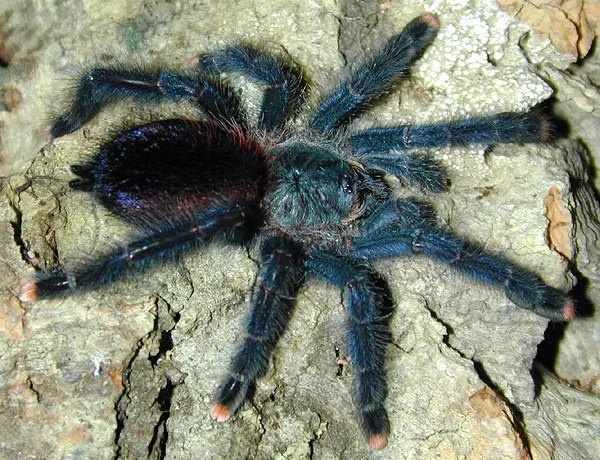
What is the Avicularia Versicolor
The Avicularia versicolor, commonly known as the Antilles Pinktoe tarantula, is a captivating arboreal species highly sought after in the pet trade. Native to the Caribbean islands, particularly Martinique, this tarantula is celebrated for its vibrant coloration and relatively docile temperament, making it a favorite among both novice and experienced keepers. Its striking appearance, marked by iridescent blue, pink, and orange hues, adds a splash of color to any collection, while its manageable size and care requirements contribute to its popularity. Understanding the Avicularia versicolor involves appreciating its natural habitat, where it thrives in humid, tropical environments, and its unique adaptations, such as its arboreal lifestyle, which necessitates a vertical enclosure filled with branches and foliage. The beauty and relative ease of care of the Versicolor have made it a favourite among tarantula enthusiasts worldwide. Its peaceful disposition, combined with its stunning colors, makes it a perfect specimen for anyone wishing to keep a pet tarantula. Before even considering the price, it’s essential to have a good understanding of what the tarantula entails.
Versicolor Tarantula Price Factors
Several factors influence the price of an Avicularia versicolor, making it essential for potential owners to understand these elements to make an informed purchase. The price can fluctuate based on the tarantula’s age, size, and coloration, with more mature specimens often commanding higher prices due to their fully developed features. The availability and demand in the market also play a crucial role, as limited supply or high demand can drive prices up. Additionally, the seller’s reputation, whether it’s an online retailer, local pet store, or breeder, can affect the price, with reputable sources often offering better-quality specimens but potentially at a higher cost. Understanding these factors helps in assessing the fair price of an Avicularia versicolor and ensures that buyers are getting a healthy and well-cared-for tarantula. These factors also guide the potential buyer to better understand the market, what to look for, and what is worth spending money on to acquire the best possible Versicolor tarantula.
Age of the Tarantula

The age of an Avicularia versicolor significantly impacts its price. Younger tarantulas, or slings, are typically more affordable, but they require more care and are more fragile. As they mature, their price increases, reflecting their growth and the reduced risk associated with their care. Adult females, especially those of breeding age, are often the most expensive due to their potential for producing offspring. The age of the tarantula also affects its appearance, with older specimens displaying more vivid colors and developed characteristics, making them more visually appealing to collectors. Purchasing an older tarantula could be a great investment and will provide the keeper with a long-term pet that does not require as much care as the younger specimens.
Size of the Tarantula
Size is a key determinant of the Avicularia versicolor’s price. Tarantulas are generally priced based on their size, with larger specimens commanding higher prices. The size of the tarantula directly correlates with its age and overall development, with larger tarantulas having undergone more molts and reaching a more mature stage. The size of the tarantula also impacts its appearance, with larger specimens displaying more vibrant colors and fully developed features, which can increase their desirability. When considering purchasing a versicolor tarantula, one should consider what size they would prefer and ensure the tarantula is as healthy as possible. The size of the tarantula will also influence the size of the enclosure it requires and the amount of food it needs, affecting the overall care costs.
Coloration of the Tarantula
The coloration of the Avicularia versicolor is a primary factor in determining its price. The vibrant and iridescent hues of this tarantula, which include blues, pinks, and oranges, are highly sought after. Specimens with more intense and pronounced coloration are often priced higher due to their visual appeal. Coloration can vary between individual tarantulas, and those with exceptional or unique patterns may be considered more valuable. Additionally, the coloration of the tarantula can change throughout its life, with juveniles exhibiting different shades than adults. The more colorful, the more the price will increase. Buyers should consider the importance of colors to their own personal enjoyment and also ensure that the tarantula is healthy and well-cared for. These are also crucial factors to consider.
Availability and Demand

The availability and demand for Avicularia versicolor tarantulas in the market have a significant impact on their price. If the supply is limited, and the demand is high, the price will inevitably increase. Conversely, if there is an oversupply of tarantulas and a relatively low demand, prices may decrease. Market trends, seasonal variations, and the popularity of the species among collectors can influence both supply and demand. The geographic location and the ease of import and export of tarantulas can also affect availability and price. Understanding these dynamics helps buyers anticipate price fluctuations and make informed purchasing decisions. Checking for reputable sources is important to ensure that the tarantulas have been bred legally and responsibly, supporting ethical practices within the pet industry.
Where to Buy
When looking to purchase an Avicularia versicolor, several avenues are available, each with its advantages and considerations. The choice of where to buy can influence the price, the health of the tarantula, and the level of support provided by the seller. It’s essential to carefully consider the source to ensure a positive experience and the well-being of your new pet. Whether you choose an online reptile retailer, a local pet store, or a reputable breeder, thorough research and attention to detail are critical. Checking for reviews, inspecting the tarantula’s health, and asking questions about its origin and care are essential steps in finding a healthy tarantula. Before making a purchase, it’s also important to ensure you are equipped with the proper knowledge and supplies to care for your new pet properly.
Online Reptile Retailers
Online reptile retailers provide a convenient and often diverse selection of Avicularia versicolor tarantulas. These retailers typically offer detailed information about each tarantula, including its age, size, and origin, along with clear photos and descriptions. Advantages include the ability to compare prices and species from various vendors, and the convenience of home delivery. However, potential drawbacks can include the inability to inspect the tarantula in person before purchase and the potential for shipping-related stress on the animal. When choosing an online retailer, check for customer reviews, and ensure they have a solid reputation for safely packaging and shipping live animals. Reputable retailers will also provide guarantees on the health of their tarantulas and offer support for their care. Researching the retailer’s policies, including their return and health guarantee policies, before making a purchase is essential.
Local Pet Stores

Local pet stores can be a good option for purchasing Avicularia versicolor tarantulas, as they allow you to view the tarantula in person before purchase. This allows for a direct assessment of its health, behavior, and overall condition. Local pet stores can offer the benefit of immediate access to supplies and expert advice from staff. The availability of the tarantulas may vary, and the selection may be limited compared to online retailers. Prices may be slightly higher due to overhead costs. Ensuring the pet store is reputable and has experienced staff knowledgeable about tarantula care is important. It is also important to check for the welfare of the tarantula, as they will be kept with other animals in the store.
Breeder Reputation
Purchasing an Avicularia versicolor directly from a reputable breeder can offer several advantages. Breeders often have specialized knowledge and expertise in tarantula care, which can provide valuable insights and support to new owners. They typically prioritize the health and well-being of their tarantulas, which can be reflected in the quality of the specimens. Breeders may offer detailed information on the tarantula’s lineage, age, and feeding history, providing greater transparency. Prices from breeders can vary, but they often reflect the quality of the tarantula and the breeder’s commitment to responsible practices. Finding a reputable breeder often involves research and networking within the tarantula community. Checking reviews, asking for references, and visiting the breeder’s facility if possible, are essential steps in ensuring a positive experience and the health of the tarantula. The breeder will be the best source for any tips and advice on care.
Benefits of Owning an Avicularia Versicolor
Owning an Avicularia versicolor can be a rewarding experience, offering several benefits to the enthusiast. Beyond the aesthetic appeal of its stunning coloration and unique appearance, the versicolor provides owners with a fascinating look into the world of arachnids. The ease of care and relatively docile temperament of the species make it a manageable pet, even for those new to exotic animal ownership. Owning a versicolor tarantula can offer the added benefit of stress relief and companionship. The responsibility of caring for a pet can foster a sense of purpose and provide a calming presence. When considering the purchase of an Avicularia versicolor, it’s important to be fully aware of the commitments, as they can live for many years.
Low Maintenance Pets

Avicularia versicolor tarantulas are considered relatively low-maintenance pets compared to other exotic animals. Their care requirements are straightforward, involving providing a suitable enclosure, maintaining proper temperature and humidity levels, and feeding them a diet of insects. They do not require daily attention, and their routine care can be managed easily, even by individuals with busy lifestyles. Their simple needs make them an appealing option for those seeking a captivating pet without the demanding care requirements of larger or more complex animals. This makes them a good choice, even for someone who is new to owning a tarantula. The ease of care contributes to their popularity among pet owners.
Educational Value
Owning an Avicularia versicolor can provide significant educational value, especially for those interested in the natural world and invertebrate biology. Observing their behavior, such as feeding, molting, and web-building, offers a unique insight into the lives of these fascinating creatures. Learning about their natural habitat, diet, and life cycle can deepen one’s understanding of the ecosystem and the role of arachnids within it. Having an Avicularia versicolor can be a valuable learning experience for children, teaching them about responsibility, animal care, and the importance of respecting different species. It can inspire an interest in science, biology, and conservation. The educational aspects make owning a versicolor tarantula both a fascinating and enriching experience.
Stress Relief and Companionship
Caring for an Avicularia versicolor can contribute to stress relief and provide a sense of companionship. The act of caring for a pet, including feeding, cleaning, and observing their behavior, can be a calming and grounding experience. The presence of a pet, even one as unique as a tarantula, can offer a sense of connection and reduce feelings of loneliness. The responsibility of caring for a pet can foster a sense of purpose and routine, contributing to mental well-being. Watching a tarantula’s unique behaviors and its vibrant colors can be a source of entertainment and relaxation, making it a valuable addition to one’s home and lifestyle. Having a pet also means companionship, and the unique bond can reduce stress and anxiety.
Versicolor Tarantula Care

Proper care is essential for the health and well-being of your Avicularia versicolor. Understanding their specific needs regarding housing, feeding, temperature, and humidity is crucial to ensure they thrive in captivity. Providing the correct environment not only supports their physical health but also allows you to observe their natural behaviors, such as web-building and hunting. Regular maintenance, including spot cleaning and maintaining appropriate humidity levels, is also important. By dedicating yourself to these care practices, you can create a thriving environment for your tarantula, supporting its longevity. It is important to always know the basics before considering bringing a pet into your home. Doing some prior research ensures that you have the knowledge and the means to keep them safe and healthy.
Proper Housing
Creating a suitable habitat is fundamental to caring for an Avicularia versicolor. Since they are arboreal, their enclosure should be taller than it is wide, providing ample vertical space for climbing and web-building. A 10-gallon aquarium or a similarly sized enclosure is often suitable for an adult. The enclosure should be well-ventilated to prevent the buildup of stagnant air and humidity. The substrate should be a mixture of coco coir or peat moss to retain moisture. It’s important to include a variety of climbing materials, such as cork bark, branches, and artificial plants, to mimic their natural habitat. It should also include a water dish and be kept spotlessly clean. Securely fitting lids are crucial to prevent escapes. By replicating the conditions of their natural environment, you can help your tarantula thrive and display its fascinating behaviors.
Feeding and Hydration
Feeding your Avicularia versicolor a balanced diet of appropriately sized insects is essential. Crickets, roaches, and mealworms are common choices, ensuring they are gut-loaded with nutritious food before feeding them to your tarantula. The frequency of feeding depends on the tarantula’s age and size, with juveniles needing to be fed more often than adults. Always remove any uneaten insects after 24 hours. Providing fresh water in a shallow dish is also vital. Ensure the water dish is kept clean and the water is always available. The diet and hydration of the tarantula will heavily influence the health and longevity of the tarantula.
Temperature and Humidity

Maintaining the correct temperature and humidity levels is critical for the health of your Avicularia versicolor. They thrive in a temperature range of 75-80°F (24-27°C), which can be achieved using a heat mat or a low-wattage heat lamp. Humidity levels should be maintained between 70-80%, which can be achieved by misting the enclosure regularly. Use a hygrometer to monitor the humidity levels accurately. Good ventilation is necessary to prevent mold growth. By maintaining optimal temperature and humidity, you can create an environment that mimics their natural habitat, supporting their health and overall well-being. The balance between these two will also ensure that they stay alive and healthy. Improper levels could lead to dehydration or disease.
Common Health Issues and Prevention
Like all animals, Avicularia versicolor tarantulas are susceptible to certain health issues. Common issues include dehydration, mites, and fungal infections. Dehydration can be prevented by ensuring a constant supply of fresh water and maintaining appropriate humidity levels. Mites, which can be detrimental to the tarantula’s health, can be controlled by maintaining a clean enclosure and quarantining new arrivals. Fungal infections can be prevented by ensuring good ventilation and avoiding excessive moisture. Regularly inspecting your tarantula for signs of illness, such as lethargy, loss of appetite, or unusual behaviors, is essential. Contacting a veterinarian familiar with exotic pets is crucial for treatment. Regular checks are also essential to ensure a long and happy life.