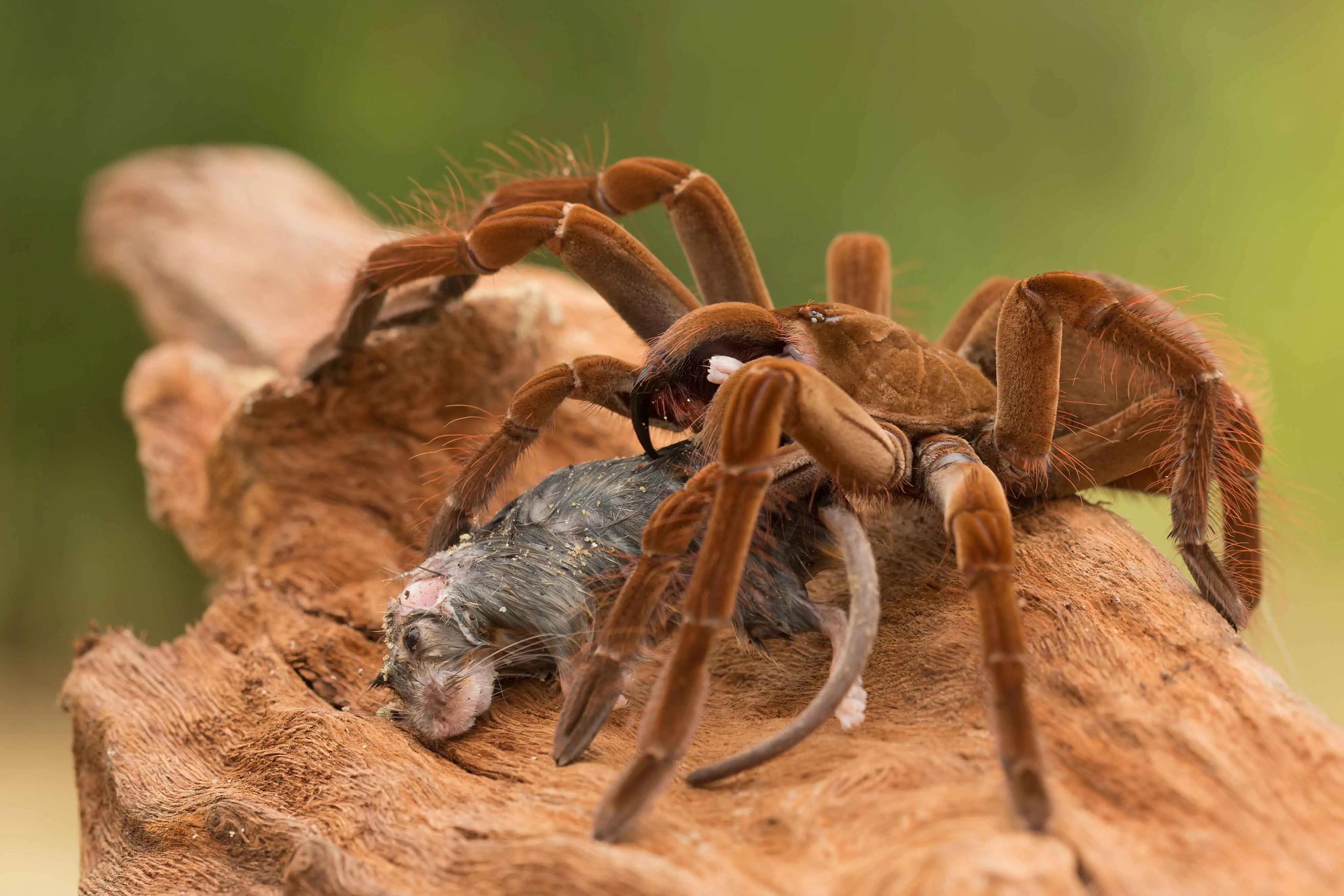
What are Puppy Sized Tarantulas
The term ‘puppy sized tarantula’ is a fun, albeit slightly misleading, way to describe certain species of tarantulas that, when fully grown, are relatively small compared to the giants of the tarantula world. These fascinating creatures offer a unique perspective on the tarantula family, showcasing an array of behaviors, colors, and adaptations. While they may not be the size of a puppy, they are often manageable in size, making them appealing pets for some enthusiasts. Understanding these tarantulas involves appreciating their distinct characteristics, from their physical attributes to their environmental needs. They are typically docile, however proper handling and care is essential. Their size, while smaller, does not diminish the complexity and intrigue that these arachnids possess.
Size and Appearance
Unlike the larger tarantulas, these smaller species, often reaching a leg span of about 2-4 inches at most, have a charm of their own. Their smaller stature doesn’t mean they lack beauty; many boast vibrant colors and intricate patterns. The appearance of a puppy sized tarantula can vary greatly depending on the specific species. Some have a velvety black appearance, while others display striking shades of blue, orange, or even iridescent hues. These tarantulas also have diverse body shapes and hair types, which adds to their unique appearance. One notable aspect is their proportionate features; while their overall size is smaller, their legs, fangs, and other features are scaled down accordingly, making them miniature versions of their larger cousins. This also makes them quite delicate and susceptible to damage.
Habitat and Distribution

These tarantulas are found in various habitats around the world, particularly in tropical and subtropical regions. Their distribution varies greatly by species, with some being native to specific areas like parts of South America, Asia, and Africa. Their habitat preferences often include humid environments, such as rainforests, where they can thrive. They may be terrestrial, living on the forest floor, or arboreal, residing in trees. The choice of habitat is influenced by factors such as availability of food, shelter from predators, and appropriate climate conditions. Knowing their native habitat is crucial for providing proper care, as it helps in recreating the ideal environment in captivity, from temperature and humidity levels to the type of substrate and enclosure setup. Understanding these environmental needs is fundamental to the wellbeing of these puppy sized tarantulas.
The Top 5 Amazing Facts About Tiny Tarantulas
Fact 1 Unique Hunting Strategies
Puppy sized tarantulas often employ a variety of hunting strategies, adapted to their size and environment. Unlike larger tarantulas that might ambush their prey from burrows, these smaller spiders are often more agile hunters. Their size allows them to navigate tight spaces and crevices with ease, enabling them to chase down small insects and other invertebrates. Some species use venom to immobilize their prey, while others rely on their speed and agility to capture them. They are opportunistic feeders, eating whatever small creatures they can find, including crickets, mealworms, and even fruit flies. The way they hunt showcases their adaptability and survival skills, revealing a fascinating aspect of their natural behavior. Their hunting strategies often include the use of silk to help subdue and consume their prey.
Fact 2 Incredible Colors and Patterns

These tarantulas are known for their striking colors and patterns, which are often vibrant and eye-catching. Their appearance can range from deep blues and oranges to iridescent greens and purples, making them a visual delight. These colors serve various purposes, from camouflage to attracting mates. Some patterns are unique to certain species, serving as identifiers and helping them blend into their environment. The colors are often a result of pigments and the structure of their hairs, creating a dazzling display of natural art. Their beautiful coloration is a key feature that makes them popular among pet enthusiasts. These spiders use their color as means of communication. The brilliant patterns are really something to behold and marvel.
Fact 3 Lifespan and Growth
The lifespan of a puppy sized tarantula varies depending on the species, with females generally living longer than males. In captivity, females can live for several years, sometimes up to 10 years or more, while males typically live for a shorter period, often only a few years. These spiders grow through a process called molting, where they shed their exoskeleton to allow for growth. The frequency of molting decreases as they mature. During this process, they are particularly vulnerable. Their growth rate depends on factors such as diet, temperature, and humidity. Their molting cycles are something to be very aware of when you care for these little creatures. The care they get during their lives is very important.
Fact 4 Silk Production
Despite their small size, these tarantulas produce silk, which they use for various purposes, including creating webs, building shelters, and securing their prey. The silk is incredibly strong and versatile. It is used to line their burrows or enclosures, providing a safe and comfortable environment. They also use silk to create trip lines, alerting them to the presence of potential prey or predators. Their silk production is a remarkable feat, given their size, showcasing their adaptive abilities. The silk can vary in color, texture, and strength depending on the species. Tarantulas use silk for a variety of purposes, like when they molt or when they feel threatened.
Fact 5 Social Behavior

While most tarantulas are solitary creatures, some species of these smaller tarantulas exhibit a degree of social behavior. They may live in colonies or communal setups, sharing burrows or webs. Their social structure can provide benefits such as increased defense against predators and cooperative hunting. Their level of social interaction varies depending on the species and the environment. This behavior challenges the general perception of tarantulas as strictly solitary animals, demonstrating a more complex social dynamic. Their behavior in captivity can vary as well, depending on how they are housed. There are many different studies on this topic.
Caring for a Tiny Tarantula
Enclosure Setup
Creating the right environment for a puppy sized tarantula is essential for its health and well-being. A suitable enclosure should be appropriately sized, allowing for the tarantula’s movements while also providing security. The enclosure should include a substrate, such as coconut fiber or peat moss, which helps maintain humidity. It’s also essential to provide a water dish for hydration and hiding places, such as cork bark or artificial plants, to offer security and shelter. The enclosure setup should be tailored to the specific needs of the species, including temperature and humidity levels. Proper ventilation is also important to prevent mold growth. It is important to consider the adult size of your tarantula when choosing its enclosure.
Feeding and Diet

Feeding a puppy sized tarantula involves providing a diet appropriate for its size and nutritional needs. They typically consume insects such as crickets, mealworms, and roaches. The size of the prey should be proportionate to the tarantula’s size, with the general rule being that the prey should not be larger than the tarantula’s body. They may be fed once or twice a week, depending on the species and its growth stage. It is crucial to remove any uneaten food to prevent the growth of mold and maintain a clean environment. Offering a varied diet ensures that the tarantula receives the necessary nutrients for healthy development. The type of prey is also important, offering insects that have been gut loaded with nutritious food before feeding.
Handling and Safety
Handling a puppy sized tarantula should be done with caution and awareness. While some species are docile, it is still important to handle them carefully to avoid any accidental injuries. Before handling, it is essential to research the species and understand its temperament. Always approach the tarantula calmly and gently. It’s advisable to handle them close to the ground or a soft surface to prevent injury if they fall. Regular hand washing before and after is important. Always be mindful of their movements and avoid sudden actions that could startle them. Always prioritize the safety of both the tarantula and yourself. Understand that they do possess fangs, and while their venom is not generally dangerous to humans, a bite can still be painful.
Conclusion
Puppy sized tarantulas are indeed fascinating creatures, offering a unique insight into the world of arachnids. From their diverse appearances and hunting strategies to their habitat preferences and care requirements, they present a compelling subject for exploration. Their relatively small size, combined with their often vibrant colors and interesting behaviors, make them appealing pets for many. By understanding their needs and respecting their characteristics, enthusiasts can enjoy the experience of observing and caring for these intriguing animals. With proper care, these little tarantulas can thrive, providing a window into the amazing diversity and adaptability of the natural world. They are great to have, but they require a lot of research and understanding.