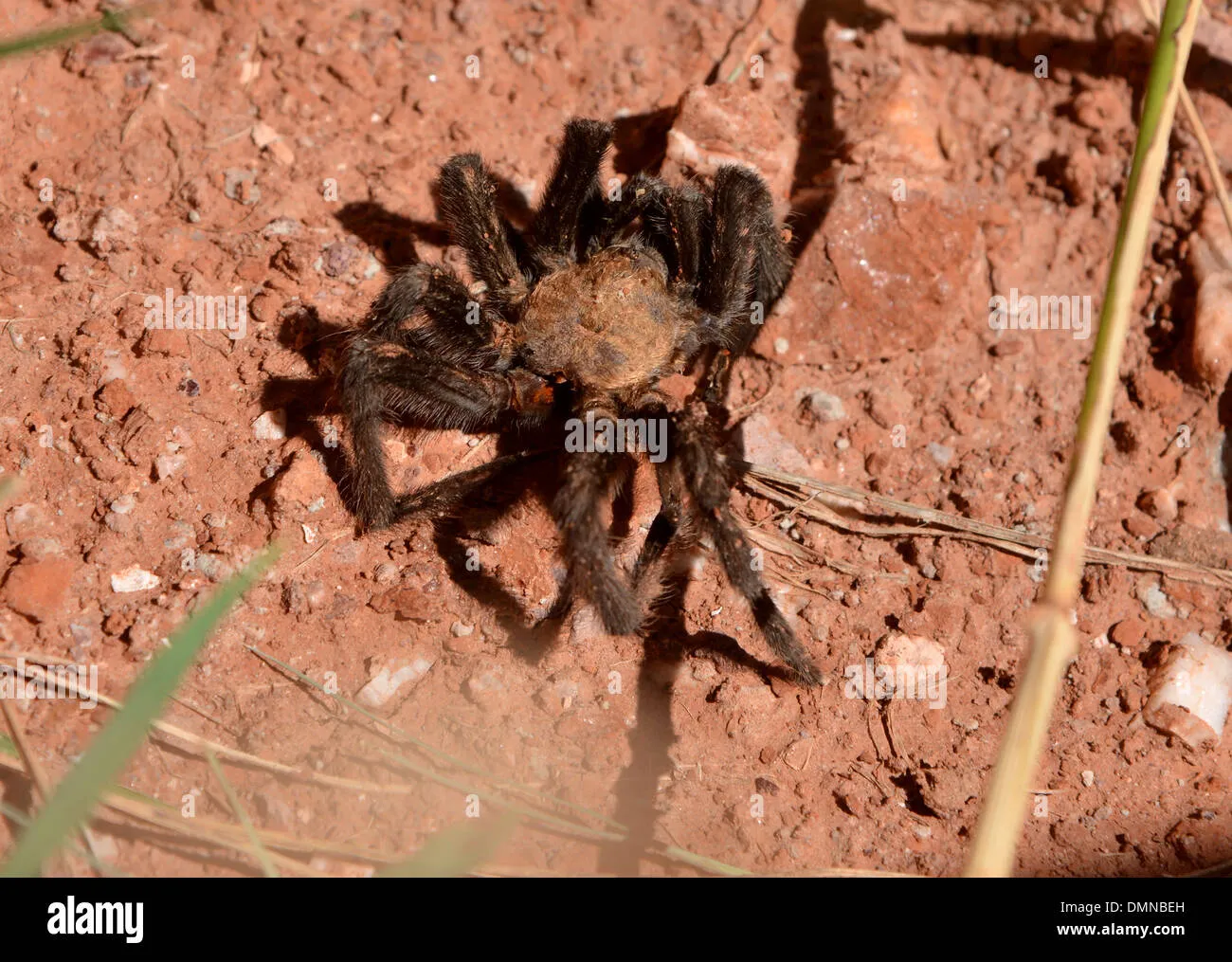
The Lone Star State is home to a fascinating array of wildlife, and among its most intriguing residents is the Texas tarantula spider. These impressive arachnids often spark curiosity and sometimes fear, but understanding their behavior, habitat, and role in the ecosystem can help us appreciate these creatures. This article will delve into the top 5 facts about Texas tarantula spiders, offering insights into their characteristics, habits, and significance in the Texan landscape.
Texas Tarantula Spider Characteristics
Texas tarantula spiders, belonging primarily to the genus Aphonopelma, are some of the largest spiders in North America. They are known for their impressive size and hairy appearance, which can be both intimidating and captivating to observers. These spiders play a vital role in the ecosystem as predators, helping to control populations of insects and other small animals. They are generally not aggressive towards humans but will defend themselves if they feel threatened. These spiders are a vital part of Texas’s biodiversity.
Size and Appearance
Adult female Texas tarantulas can have a leg span of up to 5 inches, while males are typically slightly smaller. Their bodies are covered in dense hairs, which can range in color from brown to black. The overall appearance is robust, with powerful legs designed for both walking and burrowing. Their cephalothorax (the fused head and thorax) and abdomen are distinct, and they possess eight eyes arranged in a specific pattern. The fangs are large and used for injecting venom into their prey.
Color Variations

While most Texas tarantulas are shades of brown, black, or gray, subtle color variations can occur depending on the species and individual spider. Some may have reddish or orange hairs on their legs or abdomen. These color differences can sometimes help in identifying different species or subspecies within the Texas tarantula population. The overall color often helps them camouflage with their surroundings, making them less visible to predators and prey alike. Their appearance is a remarkable example of adaptation to their environment.
Habitat and Distribution of Tarantulas in Texas
Texas tarantulas are widely distributed across the state, inhabiting a variety of habitats. They are most commonly found in the southern and western parts of Texas, where the climate is more suitable for their survival. These spiders are well-adapted to the arid and semi-arid environments that characterize much of the Texan landscape. They typically reside in burrows or under rocks and logs, where they can escape the heat of the day and ambush their prey.
Where They Live
These spiders are terrestrial and spend most of their lives on the ground. They construct burrows in the soil, often lined with silk, to provide shelter and a safe place to ambush prey. They also seek refuge under rocks, logs, and other debris. The choice of habitat is crucial for temperature regulation, protection from predators, and successful hunting. Their ability to adapt to different terrains is a key factor in their widespread distribution across Texas.
Common Habitats

Common habitats for Texas tarantulas include grasslands, prairies, scrublands, and open woodlands. They prefer areas with well-drained soil that is suitable for burrowing. The presence of vegetation and cover is also important for providing shade and concealment. You might find them in suburban areas, especially where natural landscapes meet human development. Understanding their habitat preferences helps us appreciate their ecological role and how to protect them.
Diet and Feeding Habits of Texas Tarantulas
As predators, Texas tarantulas play a crucial role in their ecosystems. They are opportunistic hunters, meaning they will consume a variety of prey depending on what is available. Their hunting techniques are fascinating, involving both patience and precision. These spiders are primarily active at night, using their keen senses to detect and capture their meals. They are a key component of the food web, helping to balance insect and small animal populations. Their feeding habits are a testament to their adaptability and survival skills.
What They Eat
The diet of Texas tarantulas primarily consists of insects, such as crickets, grasshoppers, and beetles. They also consume other invertebrates, like centipedes and scorpions. Occasionally, larger tarantulas may prey on small vertebrates, including lizards, small snakes, and even mice. They inject venom into their prey to paralyze and begin the digestive process. Their diet varies based on what is readily available in their specific habitat, making them versatile predators.
Hunting Techniques

Texas tarantulas are ambush predators, waiting patiently for prey to come within range. They use their fangs to inject venom, paralyzing the prey before beginning to feed. They have sensitive hairs on their legs that detect vibrations, alerting them to the presence of potential meals. Once prey is within striking distance, they lunge forward with incredible speed and precision. This hunting strategy allows them to conserve energy and maximize their chances of success.
Tarantula Spider Behavior
Texas tarantulas exhibit a range of behaviors, including mating rituals, defensive mechanisms, and burrow construction. These behaviors are crucial for their survival and reproduction. Studying their behavior provides insight into their complex social interactions and how they adapt to their environment. Their behaviors are finely tuned to maximize their chances of survival and reproduction. Understanding these behaviors is key to appreciating their role in the ecosystem.
Mating Rituals
Mating in Texas tarantulas is a carefully orchestrated process. Males leave their burrows in search of females, often during the late summer and early fall. They use their pedipalps (small leg-like appendages near their mouth) to transfer sperm to the female. The male approaches the female cautiously, tapping on her burrow to signal his presence. If she accepts him, the mating process begins, although the female may sometimes attempt to eat the male after mating. The male’s behavior is vital for the continuation of the species.
Defensive Mechanisms

Texas tarantulas have several defensive mechanisms to protect themselves from predators. They can flick urticating hairs from their abdomen, which are irritating to skin and eyes. They also have powerful fangs and can deliver a bite if threatened, though their venom is generally not considered dangerous to humans. Their primary defense is to flee, retreating to their burrows when danger approaches. These spiders are not aggressive and will only bite if they feel threatened.
Conservation and Human Interaction
Texas tarantulas face a number of threats, including habitat loss, pesticide use, and collection for the pet trade. Protecting their habitats and raising awareness about their importance are essential for their conservation. Human interactions with tarantulas often involve education and appreciation, and these interactions should be done carefully to avoid harming the spiders. Their conservation is crucial for maintaining the biodiversity of Texas and preserving the natural environment for future generations.
Threats to Tarantula Populations
Habitat loss due to urban development, agriculture, and deforestation is a significant threat. Pesticide use can kill tarantulas directly or reduce their food supply. The pet trade also poses a challenge, as excessive collection can deplete wild populations. Climate change and environmental pollution contribute to overall ecosystem stress, making it more difficult for tarantulas to survive. Conservation efforts are needed to mitigate these threats and ensure the long-term survival of these amazing creatures.
How to Protect Tarantulas

Protecting Texas tarantulas involves several key actions. Preserving their natural habitats is crucial, which can be done by supporting conservation organizations and advocating for responsible land management practices. Avoiding the use of pesticides in areas where tarantulas live can prevent harm to both the spiders and their prey. Educating others about tarantulas and their ecological importance can reduce fear and promote respect. Supporting sustainable pet trade practices ensures wild populations are not over-collected. Simple actions can make a big difference in their conservation.
In conclusion, Texas tarantula spiders are fascinating creatures with an important role in the state’s ecosystem. Understanding their characteristics, habitat, behavior, and the threats they face is essential for conservation. By appreciating these amazing arachnids and taking steps to protect them, we can ensure that future generations can marvel at these remarkable spiders in their natural habitat.