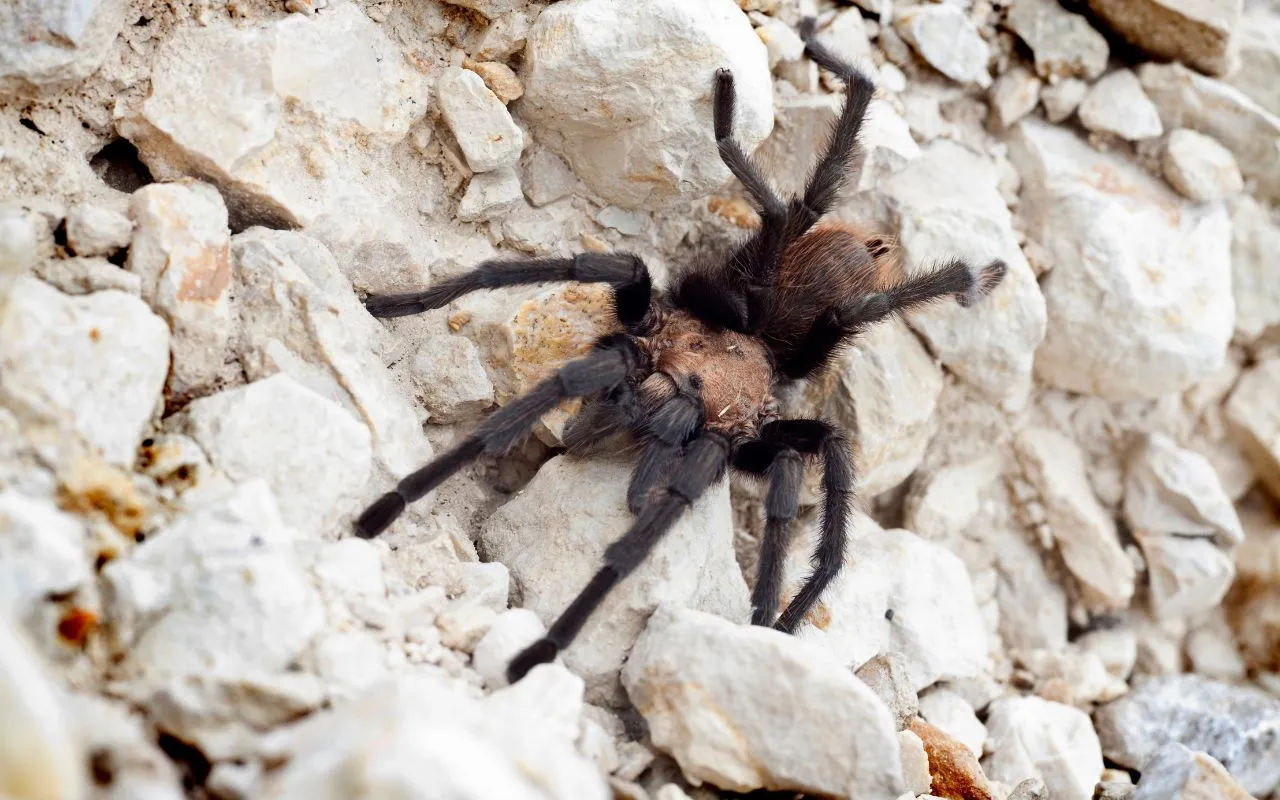
What is a Texas Tan Tarantula?
The Texas Tan Tarantula (Aphonopelma anax) is a large, hairy spider native to the southwestern United States, particularly Texas. Known for its distinctive tan to brown coloration, this arachnid is a fascinating creature. They are a type of New World tarantula, meaning they possess urticating hairs on their abdomen for defense. These hairs can cause irritation if they come into contact with skin or eyes. They are generally docile and not considered aggressive, but like all tarantulas, they can bite if provoked. The Texas Tan Tarantula plays a vital role in its ecosystem, primarily as a predator of insects and small invertebrates. Observing them in their natural habitat is a unique experience, offering insights into their behavior and the environment they inhabit. Learning about these spiders is crucial for promoting respect and understanding of these often misunderstood creatures.
Appearance and Identification
Identifying the Texas Tan Tarantula is relatively straightforward due to its characteristic appearance. Adults typically display a tan to light brown coloration, though the exact shade can vary. Their bodies are covered in dense, fine hairs, which give them a fuzzy appearance. They have eight legs, two pedipalps (used for sensing and manipulating prey), and two chelicerae (fangs) located near the mouth. The body is divided into two main parts the cephalothorax (head and thorax combined) and the abdomen. The males and females often have some differences in appearance, especially when it comes to the presence of mating hooks on the male’s legs and the overall size. Examining these features can help to differentiate them accurately. When observing a Texas Tan Tarantula, it’s important to remember that their appearance can provide valuable clues about their health, age, and sex. Observing them in their natural habitat is a fascinating experience, offering insights into their behavior and the environment they inhabit.
Habitat and Distribution of Texas Tan Tarantulas

Texas Tan Tarantulas are primarily found in the southwestern United States, with a strong presence in Texas. They prefer arid and semi-arid habitats, including grasslands, scrublands, and even some desert areas. They build burrows in the ground, using their fangs to excavate and line them with silk. These burrows provide shelter from the sun, predators, and extreme temperatures. They are also commonly found in areas with loose soil, which makes burrowing easier. Within their habitat, they tend to be solitary creatures, only coming together for mating. Understanding their preferred habitat is crucial for finding them in the wild, and also provides insight into their ecological role. They play a critical role in controlling insect populations and providing a food source for larger animals. Preserving these habitats is essential for the conservation of the Texas Tan Tarantula and the ecological balance.
Average Size and Growth of Texas Tan Tarantulas
The Texas Tan Tarantula is one of the larger tarantula species found in the United States. Adult females can have a leg span of up to 5 inches (12.7 cm) or more, while males tend to be slightly smaller. The size of a tarantula is measured by its leg span, which is the distance from the tip of one leg to the tip of the opposite leg, when the legs are extended. They grow throughout their lives, but the rate of growth varies. The growth rate is influenced by factors like food availability, temperature, and the individual tarantula’s genetics. A tarantula’s growth happens in stages, coinciding with the molting process. During molting, the tarantula sheds its exoskeleton, allowing it to grow larger before forming a new one. The life stages of Texas Tan Tarantulas offer an interesting glimpse into how these creatures grow and adapt to their environment, with their size reflecting both their age and the conditions they experience.
Factors Influencing Tarantula Size
Several factors play a role in determining the size of a Texas Tan Tarantula. Nutrition is a key factor, with a diet rich in insects and other invertebrates being crucial for growth. Sufficient food intake allows the tarantula to molt more frequently and grow to its full potential. Temperature also impacts their development, with warmer temperatures often leading to faster growth rates. Genetics also contribute to their eventual size, with certain individuals naturally growing larger than others. Additionally, the availability of suitable habitat and the absence of stress, such as overcrowding or frequent disturbance, can positively influence growth. Providing the right conditions is critical for healthy development, which in turn, can affect their life cycle and overall health. The interplay of all these factors makes the study of tarantula growth particularly fascinating, providing insights into their biology and ecology.
Diet and Feeding Habits

Texas Tan Tarantulas are primarily insectivores, meaning their diet consists mainly of insects. They are opportunistic predators, meaning that they will eat a wide range of prey. Their natural diet includes crickets, grasshoppers, beetles, and other invertebrates they can capture. In captivity, they can be fed commercially raised insects. They ambush their prey from their burrows, using their venom to immobilize it before feeding. They use their chelicerae to crush their prey. They have strong digestive enzymes that break down the prey, allowing them to absorb nutrients. Their feeding habits are a fascinating aspect of their natural history, and observing them in the wild is a great experience. Understanding their diet and feeding behavior helps us appreciate their role in the ecosystem and their adaptations as predators.
Lifespan of Texas Tan Tarantulas
The lifespan of a Texas Tan Tarantula varies, with females typically living much longer than males. Females can live for 20 years or more, while males usually live for only 1-3 years. The difference in lifespan is primarily due to their reproductive strategies and the energy expenditure associated with mating. Female tarantulas invest significant energy in producing eggs, which contributes to their longer lifespan. Males, after reaching maturity, focus on finding a mate and often die shortly after mating. Various environmental factors can influence their lifespan, including diet, habitat conditions, and the presence of predators. Keeping the tarantula in good health and protected from threats is crucial for ensuring their long life. The long life of the female is a testament to their resilience and adaptability in their natural environment, while the shorter male lifespan reflects their role in reproduction.
Molting Process and Size Changes
Molting is a crucial process for Texas Tan Tarantulas, enabling them to grow and replace their exoskeleton. This process involves shedding their old exoskeleton, a rigid outer layer that does not grow. Before molting, the tarantula stops eating and becomes less active. They will prepare by creating a soft surface, often by weaving a silk mat. During molting, the tarantula will lie on its back, and the old exoskeleton will split open, allowing the spider to emerge. The new exoskeleton is soft initially and hardens over time, during which the tarantula will grow. The frequency of molting decreases as the tarantula matures. Molting is also essential for the tarantula to replace lost limbs or repair any damage to its body. The molting process is a fascinating display of adaptation. Watching a tarantula molt is an unforgettable experience, revealing the growth and transformation process.
Potential Threats and Predators

Like all wildlife, Texas Tan Tarantulas face several threats and predators. Their primary predators include larger animals such as birds, lizards, and coyotes. These tarantulas may be vulnerable to predation, especially when molting, as their new exoskeleton is soft. Habitat loss, due to urbanization, agriculture, and development, also poses a significant threat, by destroying their burrows and food sources. Pesticide use can further reduce their food supply and also directly impact the tarantulas. Human activities, such as collecting them for the pet trade or simply disturbing their habitats, can add to their risk. Efforts to conserve their habitat and raise awareness about the importance of these creatures are essential. By understanding the challenges, we can work toward protecting these fascinating spiders and ensuring their survival.
Interacting with Texas Tan Tarantulas Safety and Considerations
Interacting with Texas Tan Tarantulas requires respect and caution. They are generally not aggressive but will defend themselves if they feel threatened. It is always best to observe them from a distance to avoid causing any stress. Never attempt to handle them unless you have experience. If you do choose to keep one as a pet, you must provide a proper enclosure, including a substrate, a water source, and a temperature-controlled environment. Always wash your hands thoroughly after handling anything that has been in contact with the tarantula, as they possess urticating hairs. They are not venomous, but their bites can cause discomfort, and their urticating hairs can cause skin irritation. It is essential to learn about their behavior and biology to ensure their well-being and your safety. By adopting a respectful approach, we can appreciate the beauty and value of these animals while minimizing any risks.