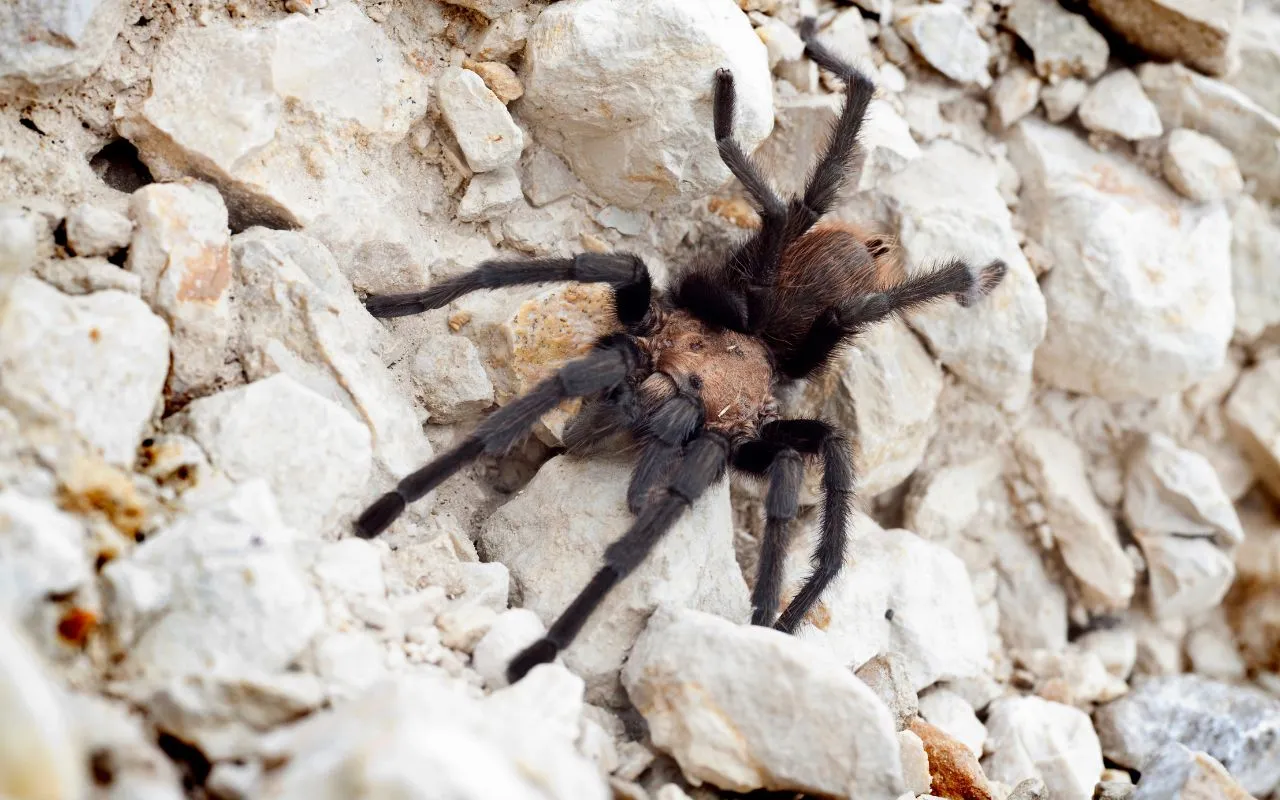
What is a Texas Tan Tarantula?
The Texas Tan Tarantula (Aphonopelma anax) is a fascinating arachnid native to the southwestern United States, particularly Texas. These impressive creatures are a species of tarantula, known for their relatively large size, hairy appearance, and generally docile nature. They are a part of the diverse ecosystem of the American Southwest, playing a crucial role in controlling insect populations. Despite their intimidating appearance, Texas Tan Tarantulas are not considered highly dangerous to humans, and their bites are typically less severe than a bee sting. They are a popular subject of interest for both scientists and enthusiasts interested in arachnids. Understanding these creatures involves learning about their physical characteristics, their environment, their behaviors, and their role in the ecosystem.
Appearance and Characteristics
Texas Tan Tarantulas are easily recognizable due to their size and coloration. Adult females can have a leg span of up to five inches or more, while males are generally slightly smaller. Their bodies are covered in fine hairs, giving them a fuzzy appearance. The overall coloration is typically a tan or brown hue, which helps them blend in with their surroundings. This coloration is a key adaptation for camouflage, helping them to avoid predators and ambush prey. Their appearance, while intimidating to some, is a testament to their survival in a challenging environment. The different features contribute to their overall success as predators.
Size and Features

As mentioned, the Texas Tan Tarantula is known for its considerable size. The leg span is a key metric used to describe the size of tarantulas, with females often reaching up to five inches or more. These spiders have eight legs, two pedipalps (used for sensing and manipulating food), and two chelicerae (fangs) located near their mouths. Their bodies are divided into two main parts the cephalothorax (fused head and chest) and the abdomen. The cephalothorax contains the eyes, mouthparts, and legs, while the abdomen houses the internal organs. Their size and physical attributes contribute to their hunting abilities and overall survival.
Coloration and Markings
The coloration of the Texas Tan Tarantula is typically a blend of tan and brown shades, which provides excellent camouflage within their natural habitats. These colors allow them to blend with the soil, rocks, and sparse vegetation of the southwestern United States. Some individuals may exhibit slightly different shades or patterns, but the overall tone is consistent. The markings on the carapace and abdomen can vary, but are generally subtle. The coloration is crucial for their survival, helping them to ambush prey and evade predators in the open environment of their natural habitat. The subtle variations in color and patterns can help in individual recognition within a population.
Habitat and Distribution
The Texas Tan Tarantula is primarily found in the southwestern United States, with a significant presence in Texas, hence its name. Their habitat preference is characterized by arid and semi-arid environments, including grasslands, scrublands, and open woodlands. They are typically found in areas with loose soil where they can create burrows. These spiders are well-adapted to the heat and limited moisture of their habitat, enabling them to thrive in conditions that would be inhospitable to many other species. Understanding their habitat is critical for conservation efforts and for appreciating their ability to adapt to challenging environmental conditions.
Preferred Environment

Texas Tan Tarantulas prefer habitats with loose soil, which allows them to construct burrows. These burrows provide shelter from the sun, predators, and extreme temperatures. They often choose areas near rocks or under sparse vegetation, which offer additional protection. The availability of suitable prey insects is also a critical factor in their habitat selection. They thrive in environments where they can find a balance of shelter, suitable prey, and relatively undisturbed conditions. Their ability to create and maintain these burrows is a key adaptation to their environment.
Geographical Range
The geographical range of the Texas Tan Tarantula primarily includes the state of Texas, as well as parts of neighboring states such as Oklahoma, New Mexico, and Arizona. They are well-established in areas with appropriate soil types and climates. They have adapted to various microhabitats within this range. Their distribution is also influenced by factors such as human development and habitat loss. Monitoring their geographical range is essential to understanding how changes in their environment may affect their populations. Their presence in these regions contributes to the biodiversity of the southwestern United States.
Diet and Feeding Habits
Texas Tan Tarantulas are primarily predators, feeding on a variety of insects and occasionally small vertebrates. Their diet is crucial to their survival, and their hunting strategies are well-suited to their environment. They are ambush predators, waiting patiently near their burrows for unsuspecting prey. Their feeding habits provide an important ecological function in controlling insect populations. Their ability to consume a variety of prey ensures their survival in a dynamic and often challenging environment. Understanding their diet is vital to appreciating their place in the ecosystem.
What They Eat

The diet of the Texas Tan Tarantula primarily consists of insects. These include grasshoppers, crickets, beetles, and other arthropods that inhabit their environment. They will also occasionally consume small vertebrates, such as lizards or small mice, if the opportunity arises. They are opportunistic feeders, consuming whatever prey is available. Their diet varies depending on the season and the availability of prey. The spiders’ ability to catch a variety of prey enables them to obtain the essential nutrients to survive and thrive in their environment.
Hunting Techniques
Texas Tan Tarantulas are ambush predators, relying on their patience and stealth to capture prey. They typically wait near the entrance of their burrows, using their senses to detect the movements of potential meals. When prey comes close, they quickly lunge out to grab it with their fangs. They then inject venom to paralyze the prey. The venom also begins the process of breaking down the prey’s tissues, making it easier to consume. They are well-adapted to their hunting strategy, which allows them to succeed in a varied environment.
Life Cycle and Reproduction
The life cycle of a Texas Tan Tarantula includes several stages, starting as an egg and progressing through various molts. The reproduction process is quite fascinating, with unique mating rituals. Understanding their life cycle is crucial for appreciating their place in their habitat. The development of the spiderlings and the eventual establishment of new populations are vital aspects of their life cycle, as the species continues to survive and thrive in its environment.
Mating Rituals

The mating rituals of the Texas Tan Tarantula are intricate. The male tarantula must approach the female cautiously to avoid being mistaken as prey. The male will often drum on the ground to signal his presence and intentions. Once accepted, the male uses specialized structures on his pedipalps to transfer sperm to the female. After mating, the female may sometimes attack and consume the male, although this behavior is not always observed. The mating process ensures the continuation of the species and highlights the complexities of their behavior.
Egg Sacs and Spiderlings
After mating, the female Texas Tan Tarantula will lay eggs and create an egg sac to protect them. The egg sac is made of silk and is carefully guarded by the female. The number of eggs in an egg sac can vary, but typically ranges from several hundred to over a thousand. Once the eggs hatch, the spiderlings will remain in the burrow with their mother for a period, molting and growing. The spiderlings eventually disperse to find their own territories, and the cycle continues. The care provided by the female significantly increases the survival rate of her offspring.
Defensive Mechanisms and Behavior
Despite their intimidating appearance, Texas Tan Tarantulas are generally docile creatures. However, they possess several defensive mechanisms to protect themselves from predators. Their behavior is also influenced by their environment and the threats they face. Understanding these defense mechanisms and behaviors is crucial for appreciating their survival strategies and how they interact with their surroundings. The various defensive behaviors provide them with protection and enhance their chances of surviving.
Venom and Bites

Texas Tan Tarantulas do possess venom, which they use to subdue their prey. However, their venom is not considered highly dangerous to humans. A bite from a Texas Tan Tarantula is typically comparable to a bee sting, causing localized pain, redness, and swelling. Medical attention is usually not required. They are generally not aggressive and will only bite if threatened. Their venom is highly effective on their insect prey but poses minimal risk to humans.
Defensive Postures
When threatened, the Texas Tan Tarantula may exhibit several defensive postures. One common behavior is to rear up, displaying their fangs. They may also flick urticating hairs (small, irritating hairs) from their abdomen, which can cause skin irritation if they come into contact. While they are generally docile, they will not hesitate to defend themselves if provoked. These defensive behaviors are essential for their survival, helping them avoid predation and protect themselves from potential threats.
Conservation Status and Threats
The Texas Tan Tarantula faces certain threats that impact its conservation status. While not currently considered endangered, it is essential to understand the factors that may affect their populations. Habitat loss, human activity, and climate change are among the most significant issues impacting their long-term survival. Conservation efforts are essential to ensure the continued existence of this fascinating species for future generations. Understanding the challenges they face enables the development of effective conservation strategies.
Human Impact

Human activities, such as habitat destruction due to urban and agricultural expansion, pose a significant threat to Texas Tan Tarantula populations. The destruction of their natural habitat reduces the availability of suitable burrows and prey, which directly impacts their survival. Collecting them for the pet trade can also have an adverse effect. Promoting responsible land-use practices and raising awareness can help reduce human impact on their environment and protect these animals.
Conservation Efforts
Several conservation efforts are in place to protect the Texas Tan Tarantula. These efforts include habitat preservation, responsible land management, and public education. Protecting natural habitats and preventing habitat fragmentation are key components of these conservation strategies. Citizen science programs can play a vital role in monitoring tarantula populations and identifying potential threats. Collaboration among scientists, conservationists, and the public is crucial to ensure the species’ continued survival. These efforts are essential to protect the Texas Tan Tarantula for future generations.
Conclusion
The Texas Tan Tarantula is a remarkable species that plays a vital role in its ecosystem. From their unique appearance and behavior to their habitat and diet, these spiders are a testament to the diversity and complexity of life in the southwestern United States. Understanding their biology, ecology, and the threats they face is critical to protecting this fascinating creature. By continuing to learn about and support conservation efforts, we can ensure that future generations have the opportunity to appreciate the beauty and significance of the Texas Tan Tarantula. Their existence enriches the natural world, and their survival is essential for maintaining the delicate balance of their environment.