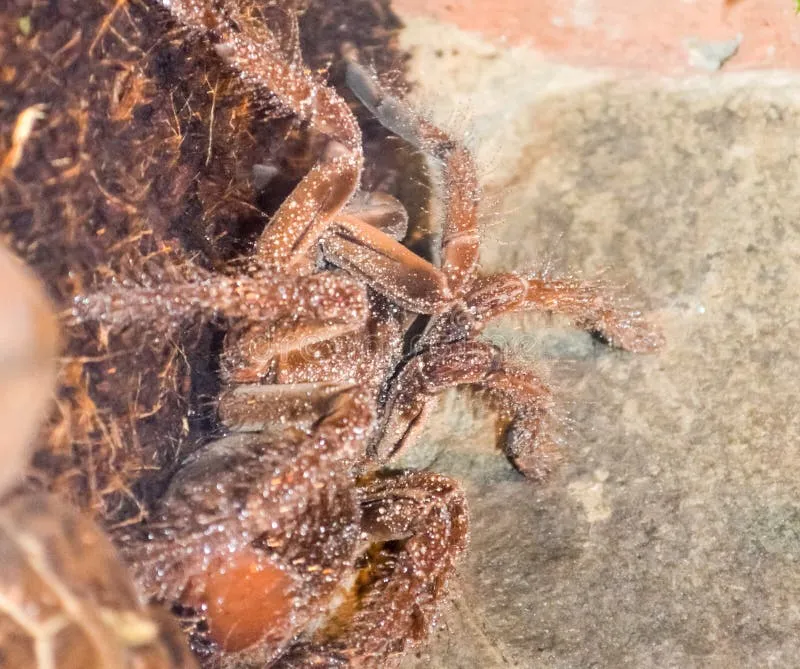
Terrario Tarantula Top 5 Essentials
Creating a suitable terrarium for your tarantula is crucial for its health, happiness, and longevity. A well-designed habitat mimics the tarantula’s natural environment, providing it with the necessary elements to thrive. From substrate to temperature control, several key components are essential to creating a thriving terrarium. This guide will explore the top 5 essentials for building the perfect terrarium for your tarantula, ensuring your eight-legged friend has a comfortable and enriching home. Whether you are a novice or experienced keeper, understanding these essential elements is fundamental to successful tarantula keeping. These elements will help you build a space that is both visually appealing and perfectly suited to your pet’s needs. Follow these steps, and you will be well on your way to providing a safe and enriching environment for your tarantula, promoting its overall well-being and allowing you to enjoy the fascinating world of these creatures.
Substrate Selection
The substrate is the foundation of your tarantula’s terrarium and serves several crucial functions. It provides a surface for your tarantula to walk on, burrow in (for terrestrial species), and maintain humidity levels. The correct substrate also helps regulate temperature and can contribute to the overall aesthetic appeal of the enclosure. There are several substrate options available, each with its own set of benefits and drawbacks, so careful consideration is important. The substrate should be non-toxic and free from harmful chemicals, ensuring the safety of your tarantula. The selection of the substrate is a critical decision that directly impacts the health and well-being of your tarantula, so it should be chosen carefully. The appropriate substrate not only provides a comfortable environment for your tarantula but also contributes to its natural behaviors, making it a key element in its care.
Choosing the Right Substrate

The best substrate choices for tarantulas often include a mix of materials to balance moisture retention, drainage, and burrowing capabilities. Popular options include coconut fiber (coco coir), peat moss, and a blend of these with vermiculite or sphagnum moss. Coco coir is an excellent choice for its ability to retain moisture and provide a natural look. Peat moss is another viable option, although it can be more acidic, so it’s important to monitor the pH. Avoid substrates that are treated with pesticides or fertilizers. Also, stay away from substrates like sand or gravel for terrestrial species, as these can be difficult for burrowing and may cause injuries. Ultimately, the choice will depend on the specific needs of your tarantula species and the humidity levels required for its survival and overall health, so research is key.
Substrate Depth and Type
The depth of the substrate is equally important. For terrestrial tarantulas, provide a substrate depth that allows them to burrow comfortably. A depth of 4-6 inches is generally suitable, but this can vary depending on the size and species of your tarantula. Arboreal tarantulas may not need as deep a substrate, but it is still important for moisture retention and waste absorption. The type of substrate should be chosen to match the natural habitat of your tarantula. For example, desert species might prefer a drier substrate, while tropical species need one that retains more moisture. Regardless of the type, the substrate should be cleaned regularly and replaced as needed to prevent the buildup of waste and bacteria. This ensures a healthy environment for your tarantula and will help maintain the overall health of your pet.
Water and Humidity Management
Maintaining proper humidity levels is essential for your tarantula’s health, particularly during the molting process. The right humidity ensures your tarantula can shed its exoskeleton properly, preventing complications that can be fatal. Hydration is another important factor, and access to clean water is vital for your tarantula’s survival. Humidity control can be achieved using a variety of methods, including the use of a water dish, misting the enclosure, and the selection of the correct substrate. The key is to find the balance that best suits the specific needs of your tarantula species. Monitoring these factors is important to maintain the proper habitat.
Water Dish Essentials

Provide a shallow water dish that is easily accessible and cannot be tipped over. The water dish should be placed in a location where the tarantula can easily reach it to drink. Make sure to use clean, dechlorinated water to avoid exposing your tarantula to harmful chemicals. The size of the water dish should be appropriate for the size of the tarantula – too large, and it could be a hazard; too small, and it might not provide enough water. Change the water in the dish regularly to keep it fresh and prevent the growth of bacteria and algae. It’s also a good idea to check the water level daily, especially in warmer environments where water can evaporate more quickly. Regularly cleaning the water dish is a simple yet effective way to maintain a healthy and safe environment for your tarantula.
Humidity Control Techniques
To maintain the correct humidity levels, monitor the enclosure regularly with a hygrometer. Misting the enclosure with a spray bottle filled with clean water can increase humidity. The frequency of misting depends on the humidity needs of your tarantula species and the ambient conditions. Covering a portion of the terrarium lid can also help retain moisture. Adequate ventilation is also important to prevent mold and fungal growth. Ensure the terrarium has proper airflow by incorporating ventilation holes. Using a substrate that retains moisture, like coco coir, also contributes to humidity. For some species, maintaining higher humidity levels is essential for successful molting and overall well-being, so it is important to carefully research the needs of your specific tarantula species and adjust the humidity levels accordingly.
Hiding and Decor Essentials
Tarantulas are naturally shy creatures and need hiding places where they can feel safe and secure. Providing appropriate hiding places is not just about aesthetics; it’s about the well-being of the tarantula. A well-placed hide will reduce stress and encourage the tarantula to exhibit its natural behaviors. The right decor also helps to replicate their natural habitats and provide enrichment. Choosing the right decor is key to providing a comfortable and stimulating environment for your tarantula. Proper decor provides the tarantula with a sense of security and improves their quality of life. This includes creating a visually appealing and functionally appropriate environment.
Ideal Hiding Places

Provide at least one hide per tarantula. Suitable options include cork bark, half logs, artificial caves, or even appropriately sized plastic plant pots. The hide should be large enough for the tarantula to retreat entirely but not so large that it feels exposed. Place the hide in a corner or against a side of the enclosure to provide a sense of security. Make sure the hide is stable and cannot be easily tipped over, as this could stress your tarantula. The placement of the hide is also important – consider placing it in a location where the tarantula can easily access it without feeling overly exposed. The hide is not just a decorative element but a fundamental aspect of the tarantula’s well-being.
Decorating the Terrarium
Besides hiding places, consider adding other decor to enrich the environment. Artificial plants, such as silk plants, can add visual interest and provide additional hiding spots. Make sure any decor is non-toxic and free from sharp edges. Avoid using anything that could trap or injure the tarantula. Arrange the decor in a way that allows the tarantula to move around the terrarium without difficulty. Consider the specific needs of your tarantula species when choosing decor. Some species prefer a more cluttered environment, while others may prefer a more open space. Ultimately, the decor should enhance the tarantula’s habitat and provide both visual appeal and functional benefits.
Temperature and Lighting Control
Tarantulas are ectothermic animals, meaning they rely on external sources to regulate their body temperature. Providing the correct temperature gradient is crucial for their health and metabolism. Additionally, lighting plays a role in their well-being, though it is not as critical as temperature control. A balance of both is key to creating a healthy and enriching environment. Understanding the basics of temperature and lighting can help you build a great environment for your tarantula.
Temperature Regulation

The ideal temperature range for most tarantula species is between 70-85°F (21-29°C). Use a thermometer to monitor the temperature within the enclosure. You can use a heat mat or a low-wattage incandescent bulb to maintain the correct temperature. Never place a heat mat directly under the enclosure, as this can cause the substrate to dry out too quickly and may cause burns. Instead, place the heat mat on the side of the enclosure. Make sure the heat source does not overheat the enclosure. A small temperature gradient within the terrarium is also beneficial, allowing the tarantula to choose its preferred temperature. Maintaining a stable temperature is critical for your tarantula’s health and to ensure optimal metabolism and overall wellness.
Lighting Considerations
Tarantulas are primarily nocturnal creatures, and they do not require any special lighting. However, a regular light cycle can be beneficial. Avoid placing the terrarium in direct sunlight, as this can overheat the enclosure. If you choose to use a light source, use a low-wattage bulb that does not produce excessive heat. A simple LED or fluorescent bulb can provide adequate lighting for viewing your tarantula. Keep the lighting on a 12-hour cycle, with 12 hours of light and 12 hours of darkness, to mimic the natural day-night cycle. Excessive or overly bright lighting can stress your tarantula. The choice of lighting should prioritize the well-being of the tarantula, so consider their natural habitat when deciding on lighting options.
Feeding and Maintenance
Proper feeding and regular maintenance are essential to the well-being of your tarantula. Providing the right diet and keeping the enclosure clean are crucial for maintaining a healthy habitat. Both the diet and care routines have a direct impact on the tarantula’s health and quality of life. A well-maintained environment will not only help keep your tarantula healthy but will also enhance your enjoyment of these amazing creatures. Regular upkeep helps prevent the build-up of waste and the proliferation of harmful bacteria, while the diet provides the nutrients they need.
Feeding Schedule

The feeding frequency depends on the age and size of the tarantula. Spiderlings may need to be fed 2-3 times per week, while adult tarantulas can often be fed once a week or even less. The key is to monitor your tarantula’s abdomen size and feeding response. The tarantula’s abdomen should be well-rounded but not overly large. Offer appropriately sized prey items, such as crickets, roaches, or mealworms. Remove any uneaten prey within 24 hours to prevent it from stressing the tarantula or potentially harming it. Always offer fresh water alongside the food. Adjust the feeding schedule based on the tarantula’s appetite and the species’ specific needs. Understanding the feeding habits of your species is the best way to ensure your tarantula gets the proper nutrition.
Terrarium Cleaning
Regular cleaning of the terrarium is crucial to maintain a healthy environment. Spot-clean the enclosure at least once a week by removing any uneaten food, molted skins, and fecal matter. Replace the substrate as needed, typically every 6-12 months, or sooner if it becomes soiled. The frequency of substrate changes depends on the type of substrate and the size of the enclosure. Use a mild, pet-safe disinfectant to clean the enclosure and decor during substrate changes. Avoid using harsh chemicals that could harm the tarantula. Proper cleaning practices prevent the buildup of bacteria and other microorganisms, keeping your tarantula safe and healthy. Cleaning not only keeps the terrarium looking fresh but also contributes to the overall well-being of your tarantula.
By following these 5 essentials, you can create a thriving terrarium for your tarantula, providing a safe, comfortable, and enriching environment. Remember to research the specific needs of your tarantula species and adapt the recommendations accordingly. With the right care and attention, you can enjoy the fascinating world of tarantulas for many years to come. Maintaining a well-designed habitat is an investment in your pet’s health and a rewarding experience for any tarantula enthusiast. Good luck!