Understanding the Ideal Temperature for Curly Hair Tarantulas
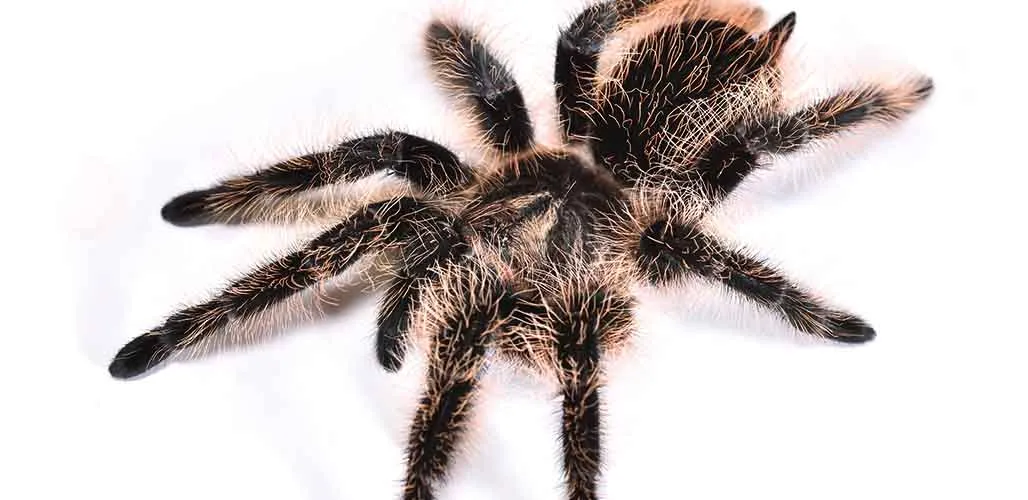
Caring for a Curly Hair Tarantula (Tliltocatl albopilosus) involves understanding their environmental needs, with temperature being a critical factor. Native to the tropical regions of Central America, these tarantulas thrive within a specific temperature range that mimics their natural habitat. Maintaining the correct temperature is essential for their overall health, well-being, and proper functioning of their biological processes, including molting, appetite, and activity levels. An improper temperature can lead to various health issues, making temperature regulation a primary concern for all Curly Hair Tarantula keepers. By understanding these basics, you can significantly contribute to the longevity and happiness of your eight-legged friend.
The Recommended Temperature Range
The ideal temperature range for a Curly Hair Tarantula typically falls between 75-85°F (24-29°C). This range provides a comfortable and healthy environment, supporting their metabolic processes. It’s important to ensure that the temperature within the enclosure consistently stays within this range, avoiding extreme highs or lows. Monitoring the temperature daily is crucial to maintaining this consistency and preventing any potential health problems caused by temperature fluctuations. Using a reliable thermometer is crucial for accuracy.
Temperature Fluctuations and Their Impact

Temperature fluctuations, especially sudden or drastic changes, can stress a Curly Hair Tarantula and negatively affect its health. Exposure to temperatures outside the recommended range can lead to lethargy, reduced appetite, and even more severe health issues. If the temperature drops significantly, the tarantula’s metabolism slows down, leading to inactivity and potential health problems. Conversely, excessively high temperatures can cause dehydration, heat stress, and potentially be fatal. Maintaining a stable temperature is therefore not just ideal but essential for their well-being.
Humidity and Temperature Relationship
Temperature and humidity are interconnected in a tarantula’s enclosure. While the ideal temperature is essential, the humidity level also plays a crucial role in the tarantula’s health, particularly during the molting process. A slightly higher humidity level (around 65-75%) is often recommended for Curly Hair Tarantulas, especially during molting. This level helps the tarantula shed its exoskeleton properly. Too low humidity can make molting difficult, while excessively high humidity combined with poor ventilation can lead to mold growth. Therefore, always consider humidity while managing the temperature.
How to Measure Temperature
Accurate temperature measurement is critical. Using a reliable thermometer is the simplest and most effective way to monitor the temperature inside your Curly Hair Tarantula’s enclosure. Digital thermometers with external probes are highly recommended, as they provide accurate readings and allow you to place the probe in different areas of the enclosure to measure temperature gradients. Avoid placing the thermometer directly under a heat source, as this can give an inaccurate reading. Place the probe at the middle level of the enclosure. Regularly check the thermometer to ensure the temperature is within the ideal range.
Top 5 Temperature Facts

Temperature Fact 1 Maintaining Proper Temperature is Crucial
As previously mentioned, maintaining a consistent temperature within the ideal range is paramount for a Curly Hair Tarantula’s health. Temperature influences all biological processes, including metabolism, growth, and molting. Failure to maintain correct temperatures can lead to stress, illness, and premature death. So, regular temperature monitoring and necessary adjustments are fundamental aspects of tarantula care.
Temperature Fact 2 The Importance of a Thermostat
Using a thermostat with your heating setup is highly advisable. A thermostat helps regulate the temperature more effectively than manual adjustments, preventing overheating or temperature drops. It automatically controls the heat source (e.g., heat mat, ceramic heat emitter) to maintain a consistent temperature. This automation reduces the risk of temperature-related problems and provides peace of mind.
Temperature Fact 3 Nighttime Temperature Considerations

Curly Hair Tarantulas, like most tarantulas, can tolerate a slight temperature drop at night. However, it’s essential that the nighttime temperature does not fall below 70°F (21°C). If the ambient temperature in your home drops significantly at night, you may need to use a low-wattage heat source (e.g., a heat mat) to maintain the appropriate temperature. It is crucial to ensure that the heat source doesn’t overheat the enclosure.
Temperature Fact 4 The Impact of Substrate on Temperature
The substrate you use in your tarantula’s enclosure can affect temperature. Darker substrates tend to absorb more heat than lighter ones. The substrate can also influence the humidity levels, which affect the overall temperature experience. Using a suitable substrate, like a mix of coconut fiber and peat moss, can help maintain stable temperature and humidity levels. Always consider the substrate’s properties when managing the enclosure’s temperature.
Temperature Fact 5 The Role of Ventilation
Proper ventilation is crucial for maintaining a healthy environment. Good ventilation prevents excessive humidity, which can promote mold growth. It also helps to dissipate heat, preventing overheating. Make sure the enclosure has adequate ventilation, such as holes or a screen top. While ensuring appropriate temperature, always balance it with the need for ventilation, to prevent issues.
Monitoring and Adjusting the Temperature

Tools for Temperature Monitoring
To effectively monitor the temperature, you’ll need a reliable thermometer. Digital thermometers with external probes are the best because they provide accurate readings and allow you to monitor the temperature at different levels within the enclosure. Place the probe in a central area, away from direct heat sources, to ensure accurate temperature readings. In addition to a thermometer, consider using a hygrometer to monitor humidity, as humidity and temperature are closely related.
Adjusting the Temperature Based on Enclosure
You may need to adjust the temperature based on the enclosure type and your environment. If the enclosure is in a colder room, you might need a heat mat or a ceramic heat emitter. Conversely, if the enclosure is in a warmer area, you might not need additional heat. Always observe your tarantula’s behavior as a sign of its comfort level. If the tarantula is acting lethargic or is consistently in a specific area of the enclosure, it could indicate temperature-related stress. Adjust the heat source accordingly and frequently monitor the temperature.
Conclusion

Maintaining the correct temperature is vital for the health and well-being of your Curly Hair Tarantula. By understanding the ideal temperature range, the impact of fluctuations, and how to monitor and adjust the environment, you can create a thriving habitat for your pet. Remember to always prioritize your tarantula’s comfort and regularly monitor conditions to ensure a happy, healthy life. Providing appropriate temperature, along with proper humidity, substrate, and ventilation, is the cornerstone of responsible tarantula ownership.