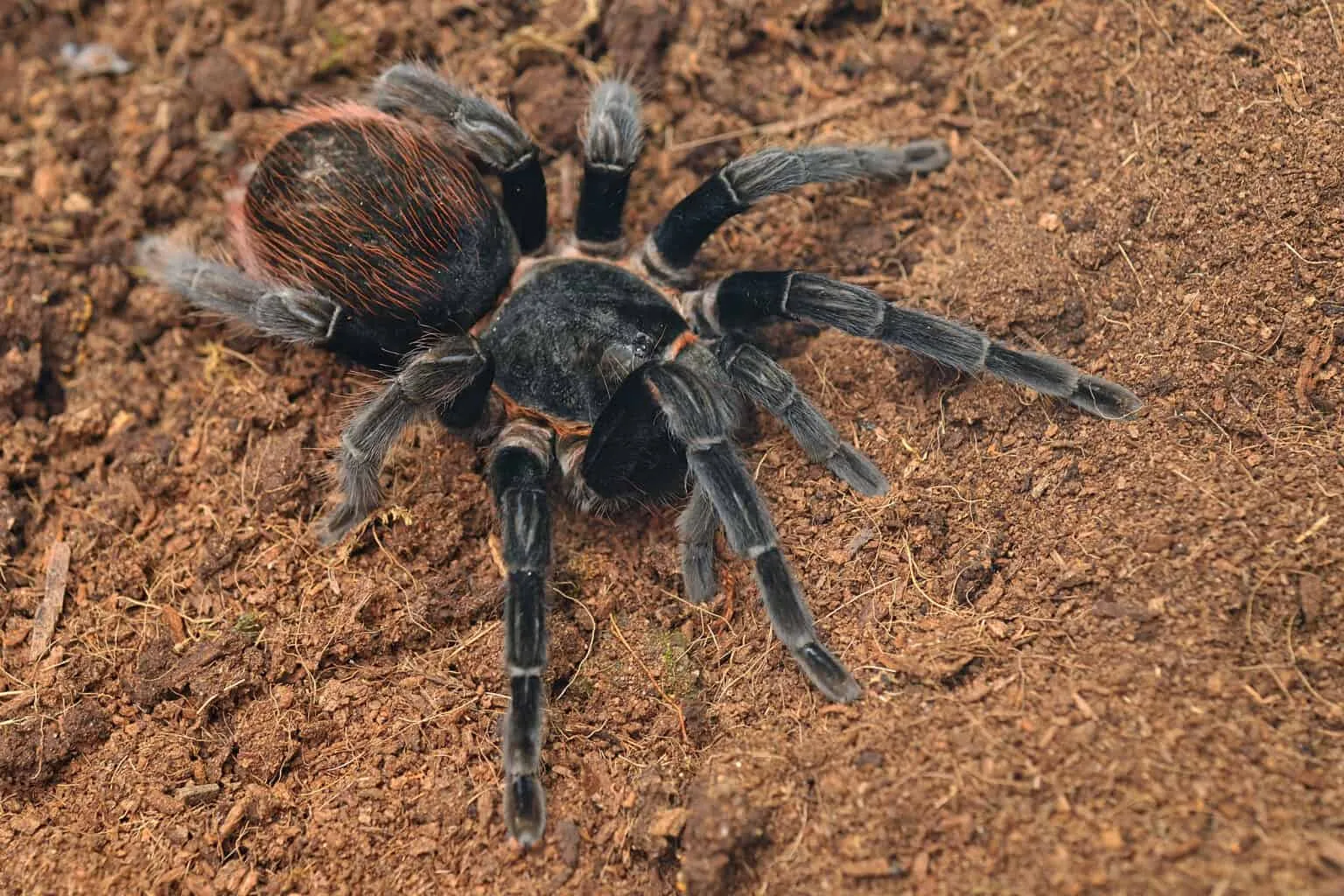
Global Tarantula Distribution
Tarantulas, those impressive arachnids, have a remarkable global distribution, thriving in diverse habitats across the world. Their presence isn’t uniform; instead, it’s dictated by climate, food availability, and suitable environments for burrowing or shelter-building. Understanding where tarantulas are found is the first step to appreciating these fascinating creatures and the critical role they play in their ecosystems. From the arid deserts to the lush rainforests, the distribution of tarantulas highlights their adaptability and resilience. The following sections delve into the specific regions and habitats where tarantulas flourish, providing a comprehensive overview of their geographical range.
North America
North America hosts a variety of tarantula species, primarily in the southwestern regions. The warm, arid climates provide ideal conditions for these spiders to thrive. Several species are endemic to this continent, showcasing the biodiversity within the United States and Mexico. The presence of tarantulas in North America is a testament to the continent’s diverse ecosystems, from the deserts of Arizona to the scrublands of California. These spiders play a significant role in the local food chains, preying on insects and small animals, thereby helping to maintain ecological balance. Their presence also contributes to the rich tapestry of the continent’s wildlife, captivating both scientists and enthusiasts.
United States

Within the United States, tarantulas are most commonly found in the southwestern states, including Arizona, New Mexico, Texas, and California. These areas feature the arid and semi-arid environments that tarantulas prefer. The specific species vary by location, each adapted to the local conditions and prey availability. Their burrows can be spotted in the deserts and grasslands, often marked by silk webs and tell-tale signs of activity. The best time to observe these spiders is often during their mating season, when males are most active, searching for females. The conservation of these habitats is crucial for ensuring the survival of these fascinating creatures.
Mexico
Mexico, with its diverse climates and landscapes, is home to a variety of tarantula species. The country’s southern regions, with their warmer temperatures and varied terrains, provide excellent habitats for these spiders. From the deserts of the north to the tropical forests of the south, tarantulas have found niches to thrive. These spiders play a critical role in their ecosystems, helping to control insect populations. The preservation of these habitats, from the arid deserts to the humid jungles, is essential to the conservation of Mexican tarantula species and the broader biodiversity they represent. Observing these spiders in their natural environment offers a unique glimpse into their lives and behaviors, highlighting the importance of their ecological role.
Central and South America
Central and South America are hotspots for tarantula diversity, housing a wide range of species adapted to various environments, from tropical rainforests to drier savannahs. The region’s warm, humid climates are particularly conducive to tarantula life, allowing them to flourish. These spiders are integral components of the local ecosystems, playing vital roles in controlling insect populations and serving as prey for larger animals. The ongoing conservation efforts and the preservation of their natural habitats are essential to the survival of these spiders. This region is a testament to the resilience and adaptability of tarantulas. Preserving these environments is critical to maintaining biodiversity and supporting the delicate balance of nature.
Brazil

Brazil, with its vast Amazon rainforest and diverse biomes, boasts an incredibly rich tarantula fauna. The humid, warm conditions of the rainforest provide an ideal environment for numerous species to thrive. The spiders can be found in various habitats, from the forest floor to the trees, each adapted to its specific niche. The Amazon rainforest is a haven for these creatures, offering a wealth of food and shelter. Their presence contributes significantly to the ecological balance of the rainforest, playing a crucial role in insect control. Preserving the Amazon and its ecosystems is essential to the continued survival of Brazilian tarantulas and the biodiversity of the region.
Argentina
Argentina is home to various tarantula species, with a distribution that reflects the country’s diverse climates, from the subtropical north to the temperate pampas. These spiders have adapted to survive in various environments, each species occupying its ecological niche. Their presence plays a vital role in the local food webs, with each species contributing to the ecological balance. Preserving their habitats, which range from grasslands to forests, is critical for their conservation. The ongoing research and conservation efforts aim to understand and protect these fascinating arachnids. Argentina’s tarantula fauna contributes to the rich biodiversity of the nation, and the conservation of their habitats ensures their continued survival and ecological role.
Asia
Asia is a continent teeming with a diverse array of tarantula species, each adapted to the region’s varying climates and landscapes. From the arid regions to the lush tropical forests, tarantulas have found their niches, thriving in the unique environmental conditions of their respective habitats. These arachnids play a vital role in the local ecosystems, regulating insect populations and serving as a food source for larger predators. Protecting their habitats is essential to conserving the rich biodiversity of the continent. The conservation efforts and ongoing research seek to ensure the long-term survival of these remarkable creatures and the ecological balance of their habitats.
India

India, with its wide range of climates and terrains, is home to several species of tarantulas. They thrive in the country’s diverse habitats, from the forests of the Western Ghats to the scrublands of the Deccan Plateau. Each species is adapted to its specific environment, contributing to the ecological balance. They primarily feed on insects and other small invertebrates. The conservation of these tarantulas and their habitats is crucial to preserving India’s rich biodiversity. The ongoing efforts aim to protect these arachnids and their ecosystems, ensuring their survival for generations to come. Recognizing their importance is vital for promoting conservation and preserving these unique creatures.
Southeast Asia
Southeast Asia, with its tropical climate and dense forests, is a prime habitat for tarantulas. Countries like Thailand, Malaysia, and Indonesia host a variety of species, each adapted to the unique environmental conditions of the region. The lush rainforests provide ample food and shelter, allowing these spiders to thrive. The diverse habitats and climates support a wide range of tarantula species, contributing to the region’s biodiversity. Preserving the rainforests and other natural habitats is crucial for protecting these arachnids and the wider ecosystem. The ongoing conservation efforts and studies aim to ensure the continued survival of these fascinating creatures.
Africa
Africa is home to a diverse array of tarantula species, inhabiting various regions and ecosystems across the continent. From the arid deserts of the south to the lush rainforests of Central Africa, tarantulas have adapted to a wide range of conditions. Their presence plays a vital role in the local ecosystems, preying on insects and small animals. The ongoing conservation efforts and research aim to protect these fascinating arachnids and the habitats they occupy. The preservation of these unique habitats ensures the survival of African tarantula species and contributes to the rich biodiversity of the continent.
Tarantula Habitats

Tarantulas are found in a diverse range of habitats, from deserts and grasslands to tropical rainforests, showcasing their adaptability to various environmental conditions. These spiders often have specific requirements for their survival, including suitable shelter and prey. The type of habitat influences the species of tarantulas found in a particular area and their specific behaviors. The following sections explore some of the primary habitats in which tarantulas are commonly found.
Deserts
Deserts provide a harsh but suitable environment for certain tarantula species, where they find refuge in burrows to escape the extreme temperatures. These spiders have adapted to the arid conditions, often being nocturnal to avoid the daytime heat. The desert habitats offer a unique ecosystem where tarantulas play a crucial role in the local food web. Their burrows are often easily identifiable in the sandy terrains. The conservation of these desert habitats is essential to protecting the unique tarantula species that call them home, emphasizing the need for sustainable practices and habitat preservation.
Grasslands
Grasslands provide another key habitat for tarantulas, where they can find shelter in burrows, under rocks, or within the vegetation. These open areas offer ample opportunities for hunting insects and small animals. The conditions in grasslands are often milder than deserts, with varying temperatures and humidity levels that support tarantula life. Preserving grasslands is crucial, as they support diverse ecosystems and the tarantula species that thrive within them. These habitats provide important food sources and shelter for various animals. The conservation of these areas is vital to ensure the survival of tarantulas and the ecological balance of the grasslands.
Tropical Rainforests

Tropical rainforests are lush, humid environments that serve as a haven for many tarantula species. The dense vegetation offers plenty of shelter, and the constant supply of insects provides a consistent food source. Tarantulas in rainforests may be found on the forest floor, in tree trunks, or amongst the foliage. These habitats are rich in biodiversity, including many unique tarantula species. The preservation of tropical rainforests is critical for protecting the tarantulas and the broader ecosystems they inhabit. The conservation efforts help to ensure the survival of these incredible creatures and the rich biodiversity of these forests.
Burrows and Shelters
Tarantulas are well-known for creating burrows or utilizing natural shelters for protection and habitat. These retreats provide shelter from the elements, including extreme temperatures and predators. The construction of these homes varies by species, but the primary goal is always to create a safe and secure environment. The spiders often line their burrows with silk to stabilize the walls and create a comfortable living space. These burrows and shelters are essential to their survival and a fascinating aspect of tarantula behavior. Understanding their construction and use helps in appreciating their resilience and ecological role.
Identifying Tarantula Locations
Identifying potential tarantula locations requires careful observation and knowledge of their habitat preferences. The ability to recognize signs of their presence is crucial for conservation and research. This section outlines the key indicators and the best times to search for tarantulas. Understanding these factors can enhance your ability to spot these fascinating creatures. This knowledge supports conservation efforts and allows for a deeper appreciation of these spiders and their natural environments.
Signs of Tarantula Presence

Identifying signs of tarantula presence includes looking for burrows, which often have silk webs around the entrance, and the presence of molted exoskeletons. The presence of shed exoskeletons can indicate recent activity, as tarantulas molt to grow. Other signs include the detection of prey remains near the burrows. Observing these clues requires a keen eye and a good understanding of the local terrain. These markers provide insights into their locations, allowing for a more detailed study of their lives and the environments in which they thrive. Recognizing these signs assists in conservation efforts and promotes a deeper understanding of tarantula ecology.
Best Times to Search
The best times to search for tarantulas are often during their mating season, when males are most active, searching for females. Dusk and dawn are usually the ideal times to spot these spiders, as they are crepuscular, meaning they are most active during these periods. Nighttime searches, using a flashlight, can also yield sightings, as tarantulas may be visible while hunting. Researching the local tarantula species and their behaviors will help you optimize your search efforts, making it easier to spot these amazing creatures. Knowing the best times allows for more effective observation and appreciation of tarantulas.
Conservation Status
The conservation status of tarantulas varies by species, with some facing threats due to habitat loss, the pet trade, and climate change. Many species are vulnerable or endangered, making conservation efforts essential. Understanding their conservation status is key to protecting them and their habitats. The ongoing research and monitoring of tarantula populations, together with habitat preservation, play vital roles in safeguarding these fascinating creatures. Supporting conservation organizations and promoting sustainable practices are crucial to ensuring the survival of tarantulas for future generations. Recognizing the importance of their conservation is essential for protecting these amazing spiders.
In conclusion, tarantulas can be found in many locations around the world, depending on the species and their specific habitat requirements. Their global distribution highlights their adaptability and the importance of conserving their varied environments. By understanding where tarantulas are found and the threats they face, we can work to protect these fascinating creatures and their vital role in the ecosystem. Their habitats, from deserts to rainforests, each host unique species that are integral to local ecosystems, emphasizing the importance of ongoing conservation efforts and habitat preservation.