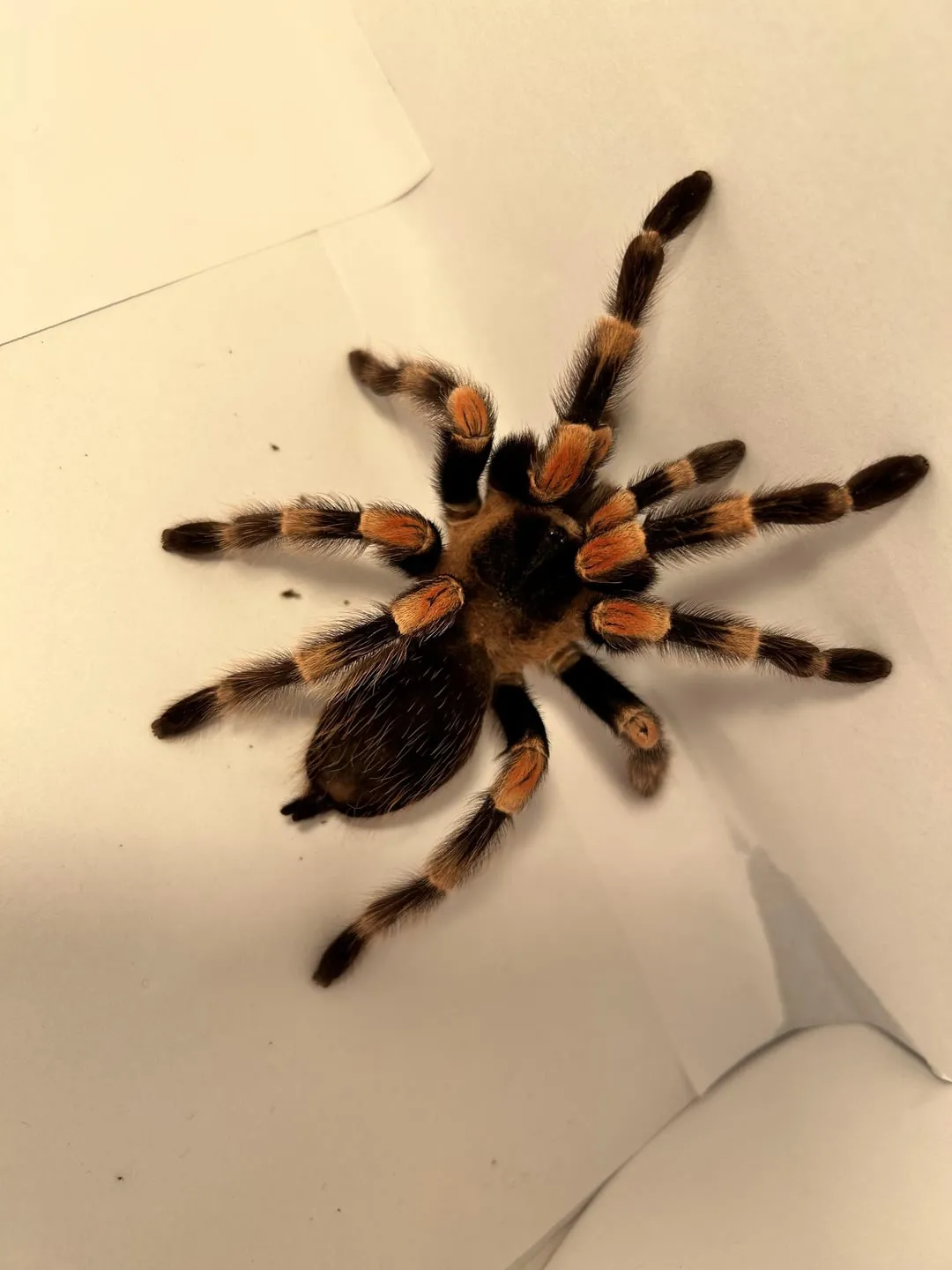
Top 5 Reasons Why Your Tarantula Won’t Eat
Owning a tarantula can be a fascinating experience, but it can also come with moments of concern. One of the most common worries for tarantula owners is when their pet refuses to eat. This behavior can be caused by a multitude of factors, and understanding the reasons behind it is crucial for ensuring your tarantula’s health and well-being. In this article, we’ll delve into the top five reasons why your tarantula might be turning down meals, providing you with the knowledge to address the issue and keep your eight-legged friend thriving. From environmental factors to natural biological processes, we’ll cover everything you need to know to troubleshoot your tarantula’s eating habits. Don’t panic, and let’s explore the most common causes behind this behavior, and learn what you can do to help.
Temperature Issues
Temperature plays a vital role in a tarantula’s metabolism and appetite. Tarantulas are ectothermic, meaning they rely on external sources to regulate their body temperature. An environment that is either too cold or too hot can significantly impact their willingness to eat. Ensuring the correct temperature range is paramount for their overall health and feeding behavior. Monitoring the enclosure’s temperature regularly is key to identify and address any fluctuations.
Ideal Temperature Range

Most tarantula species thrive in temperatures between 75-85°F (24-29°C). This range allows for optimal metabolic function, including digestion and appetite. A thermometer placed inside the enclosure is essential to monitor the temperature accurately. Heating pads or lamps can be used to maintain this range, but it’s crucial to ensure they don’t overheat the enclosure. Always provide a temperature gradient, allowing the tarantula to choose its preferred spot. Using digital thermometers and hygrometers is crucial for providing the best care for your pet.
Impact of Too Low Temperatures
If the temperature drops below the ideal range, a tarantula’s metabolism slows down considerably. This can lead to a decreased appetite, as the tarantula’s digestive processes become sluggish. They may appear lethargic and less active. Prolonged exposure to cold temperatures can be detrimental, potentially leading to health problems. It’s important to rectify this situation promptly by using appropriate heating methods. If the temperature consistently stays too low, the tarantula may not eat and could become seriously ill.
Impact of Too High Temperatures
Conversely, excessively high temperatures can also cause issues. A tarantula exposed to temperatures above the recommended range may become stressed and refuse to eat. Overheating can lead to dehydration and other health complications. The tarantula might become restless and try to escape its enclosure. It’s vital to ensure the enclosure doesn’t get too hot, and to provide adequate ventilation to prevent overheating. If the enclosure becomes too hot, the tarantula might lose its appetite, which could eventually lead to health problems.
Molting Cycle

Molting is a natural process for tarantulas where they shed their exoskeleton to grow. During this time, a tarantula will often refuse food. Understanding the molting cycle is crucial for recognizing normal behavior and avoiding unnecessary concern. Providing a safe and undisturbed environment during the molting period is key to your tarantula’s well-being. Knowing the signs of molting will help you to avoid unnecessary stress.
Signs of an Upcoming Molt
Several signs indicate a tarantula is preparing to molt. These include a darkening of the abdomen, a change in behavior (becoming less active), and the tarantula sealing itself off in its burrow or hiding place. The tarantula’s abdomen may appear swollen and shiny. The tarantula may also refuse food for several weeks before the molt. These are all normal signs of the molting process, and there’s no cause for alarm as long as the tarantula is otherwise healthy. Do not disturb your tarantula if you notice these signs.
Duration of the Molting Process
The molting process can last from a few hours to several days, depending on the tarantula’s age and species. During this time, the tarantula is very vulnerable. It’s crucial to avoid disturbing it. Providing a humid environment and keeping the enclosure clean can help the tarantula through this delicate period. Once the molt is complete, the tarantula will be soft and vulnerable for a few days, requiring a period of hardening before it resumes normal activities. During this time, your tarantula will likely not eat, and it is best to give them some time to recover.
Post-Molt Feeding

After molting, the tarantula’s new exoskeleton is soft, and it will need time to harden. You should wait a week or two before offering food. When you do offer food, start with a small, appropriately sized prey item. The tarantula’s appetite should return, and it will begin feeding normally once its new exoskeleton has hardened. If the tarantula still refuses food after the molt, there may be another underlying issue that needs to be addressed.
Pre-Molting Fasting
It’s normal for tarantulas to stop eating in the weeks leading up to a molt. This is because the tarantula is conserving energy for the molting process. They might also be preparing to shed their exoskeleton and are thus less interested in food. No action is usually needed during this phase. It is a natural part of their life cycle. Once they have successfully molted, their appetite will eventually return.
Dehydration
Dehydration can be a serious issue for tarantulas and can lead to a loss of appetite. Tarantulas need a constant source of fresh water to stay hydrated. Monitoring the humidity levels and providing adequate water is crucial for their health. Dehydration can be caused by a variety of factors, including low humidity, high temperatures, and lack of access to water.
Providing Adequate Water

Always provide a shallow water dish with fresh water. Ensure that the water dish is accessible and cannot be easily tipped over. Regularly check the water dish and refill it, as tarantulas need a constant source of hydration. In addition to the water dish, misting the enclosure can help maintain humidity, especially for species that require higher levels of moisture. Use a spray bottle to mist the enclosure a few times a week, but avoid oversaturating it, which can lead to mold and other problems.
Symptoms of Dehydration
Signs of dehydration include a shriveled abdomen, lethargy, and the tarantula spending more time near its water source. The tarantula may also appear restless and move around the enclosure more than usual. In severe cases, dehydration can be life-threatening. If you suspect your tarantula is dehydrated, make sure it has access to fresh water and mist the enclosure to increase humidity. If the problem persists, consult with a veterinarian or experienced tarantula keeper.
Stress and Environmental Factors
Stress can significantly affect a tarantula’s appetite. Tarantulas are sensitive creatures and can become stressed by various environmental factors. Ensuring the enclosure is set up correctly, and the tarantula feels secure, is vital for its well-being and eating habits. Changes in the environment and frequent disturbances are the most common causes of stress.
Common Stressors for Tarantulas

Common stressors include loud noises, vibrations, bright lights, and frequent handling. Moving the enclosure, introducing new decorations, or overcrowding can also cause stress. The presence of other pets or predators can also be a source of stress for tarantulas. It’s crucial to identify and minimize these stressors to create a calm and comfortable environment for your pet. Minimize handling unless necessary, and ensure the tarantula has a secure hide where it can retreat.
Creating a Stress-Free Habitat
Set up the enclosure in a quiet, low-traffic area away from direct sunlight and other disturbances. Provide a hide, such as a piece of cork bark or a half-log, where the tarantula can retreat. Maintain consistent temperature and humidity levels. Avoid excessive handling and only handle your tarantula when absolutely necessary. By creating a stable and secure habitat, you can significantly reduce stress and encourage healthy feeding behavior.
Illness and Parasites
Sometimes, a tarantula’s refusal to eat can be a sign of illness or the presence of parasites. Recognizing the signs of illness is crucial for providing prompt care. Seeking veterinary assistance can sometimes be necessary to diagnose and treat underlying health issues. Observing your tarantula and learning about common tarantula diseases is key to recognizing the problem early on.
Recognizing Signs of Illness

Signs of illness include lethargy, loss of coordination, unusual posture, and discharge from the mouth or legs. The tarantula’s abdomen may appear shrunken or discolored. If you notice any of these symptoms, it’s crucial to take immediate action. Other signs include the tarantula walking in circles or having difficulty moving. Look for changes in behavior, such as a lack of responsiveness or failure to react to stimuli. If the tarantula is not eating and exhibiting any of these symptoms, then veterinary care may be required.
Seeking Veterinary Assistance
If you suspect your tarantula is ill, consult a veterinarian specializing in exotic pets. They can perform a thorough examination and diagnose any underlying health issues. They may recommend treatment options, such as medication or changes to the enclosure. Early intervention is crucial for a positive outcome. Be prepared to provide details about the tarantula’s environment, diet, and any recent changes. Your veterinarian can help determine if the lack of eating is due to illness and recommend a course of treatment to get your tarantula back to good health.
Conclusion
Understanding why your tarantula won’t eat can be complex, but by considering factors like temperature, molting, hydration, stress, and potential illnesses, you can address the issue effectively. Remember to provide a stable environment, monitor your tarantula’s behavior, and seek professional help if needed. With the right care, you can ensure your tarantula lives a long, healthy, and fulfilling life. By understanding the potential causes of a tarantula’s loss of appetite, you can provide better care and improve their overall well-being, ensuring they remain healthy and active for years to come. If you follow these guidelines, your tarantula will thrive!