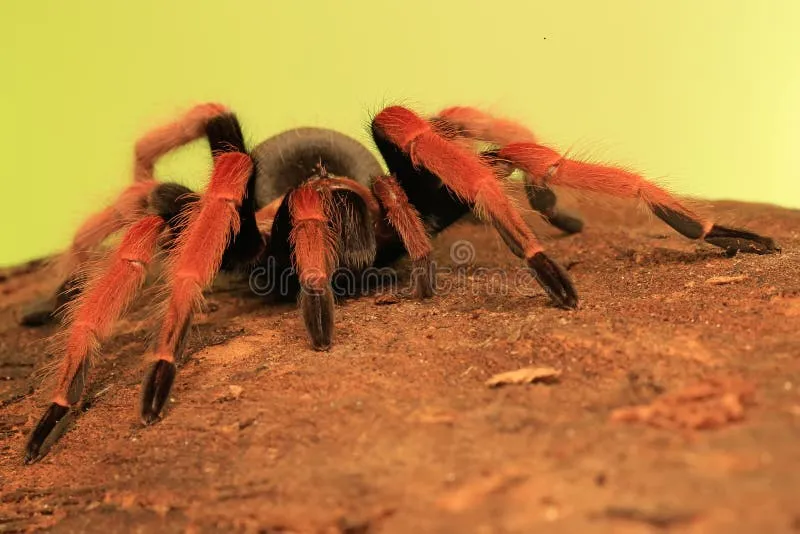
What is Tarantula Venom
Tarantula venom is a complex mixture of proteins, enzymes, and other compounds produced by tarantulas. This venom is injected into prey through their fangs, playing a crucial role in subduing and pre-digesting the meal. While tarantulas are often feared, it’s important to understand that their venom is not typically as dangerous to humans as the venom of some other spider species. The primary purpose of tarantula venom is to immobilize insects and small animals, not to inflict significant harm on larger creatures like humans. However, the effects of a tarantula bite can still be unpleasant, ranging from mild discomfort to more noticeable symptoms depending on various factors.
Composition of Tarantula Venom
The composition of tarantula venom is intricate, varying slightly between different species. Generally, it comprises a mix of enzymes, peptides, and other bioactive compounds. These compounds work together to paralyze or kill the tarantula’s prey. Enzymes often aid in breaking down the prey’s tissues, making it easier for the tarantula to consume. Peptides, on the other hand, can target the nervous system, leading to paralysis. The specific cocktail of components and their concentrations play a significant role in determining the potency and effects of the venom. Research into the exact composition helps in developing potential antivenoms and understanding the mechanisms of action of the venom.
Main Components of Tarantula Venom

Several key components are typically found in tarantula venom. These include neurotoxins, which affect the nervous system; hyaluronidase, an enzyme that helps spread the venom through tissues; and various enzymes that assist in the digestion of prey. Neurotoxins are crucial because they can cause paralysis in prey, making it easier for the tarantula to capture and consume its meal. Hyaluronidase increases the venom’s ability to permeate the body, accelerating its effects. Other enzymes may break down proteins and other complex molecules. The precise types and concentrations of these components differ between species, affecting the overall impact of the venom.
Effects of Tarantula Venom on Humans
For humans, the effects of a tarantula bite are usually less severe than commonly believed. Most bites result in mild to moderate symptoms. The venom isn’t designed to be highly toxic to mammals, so serious reactions are rare. Typically, you might experience localized pain, redness, and swelling at the bite site. There’s also the potential for muscle cramps and, in some cases, nausea. It is important to note that the severity of symptoms depends on various factors, including the amount of venom injected, the individual’s sensitivity, and the tarantula species. While frightening, the effects are typically manageable and resolve within a few hours or days.
Mild Symptoms of Tarantula Venom
Mild symptoms are the most common outcome of a tarantula bite. These include localized pain, which may be described as a stinging or burning sensation. Redness and swelling around the bite site are also frequent, as the body initiates its inflammatory response. Itchiness might also occur. These symptoms usually subside within a few hours to a day or two. No specific treatment is required, and over-the-counter pain relievers and cold compresses can help manage discomfort.
Moderate Symptoms of Tarantula Venom

Moderate symptoms may include increased pain, swelling, and redness at the bite site. Muscle cramps, particularly in the affected area, are also possible. Some individuals may experience nausea, vomiting, or a general feeling of unwellness. These symptoms can last for several days and may require medical attention. Treatments may include pain relief medication and antihistamines to manage the symptoms. In rare cases, the bite might cause a localized allergic reaction.
Severe Symptoms of Tarantula Venom
Severe symptoms are very rare but can happen. These may include significant swelling, difficulty breathing, or severe muscle spasms. Systemic reactions, like allergic reactions, are also possible. If you experience any of these symptoms, immediate medical attention is necessary. Severe reactions might require treatments such as antihistamines, corticosteroids, and, in extreme cases, epinephrine. It is essential to seek immediate medical care if you have signs of a severe reaction.
Severity Factors
Several factors can affect the severity of a tarantula bite. These include the species of the tarantula, as some species have more potent venom than others. The amount of venom injected during the bite is another critical factor, as a larger dose can lead to more severe symptoms. The individual’s health and sensitivity also play a role. People with allergies or other health conditions might experience more intense reactions. The location of the bite, such as near sensitive areas, can also impact the severity. Finally, the age of the tarantula can be relevant, as young tarantulas may have less potent venom.
Are all Tarantula Venoms the Same

No, not all tarantula venoms are the same. The composition and potency of the venom vary significantly between different species of tarantulas. Some species have venom that is relatively mild, causing only minor localized symptoms in humans. Others may have more potent venom that can cause more severe reactions. These differences result from evolutionary adaptations, with different tarantula species developing unique venom profiles based on their prey and environment. Researchers continue to study these variations, aiming to understand their effects and potential medical uses.
Top 5 Facts You Need About Tarantula Venom
Fact 1 What Happens if You Are Bitten
If you are bitten by a tarantula, the immediate effects are usually localized pain, redness, and swelling at the bite site. Muscle cramps and itching are also common. It’s important to remain calm and wash the affected area with soap and water. Applying a cold compress can help reduce swelling and discomfort. Monitor yourself for any severe symptoms, such as difficulty breathing or a systemic allergic reaction. If these symptoms occur, seek immediate medical attention. Most bites heal within a few days with minimal intervention.
Fact 2 The Level of Toxicity

Tarantula venom is generally considered to have low toxicity for humans. Compared to the venom of other spider species like the black widow or brown recluse, tarantula venom is far less dangerous. The venom is primarily designed to incapacitate insects and small animals, and it isn’t potent enough to cause severe harm to humans. However, the level of toxicity can vary slightly between different tarantula species. Even in most cases, the effects on humans are mild, and serious reactions are rare.
Fact 3 Medical Treatment for Tarantula Bites
Medical treatment for tarantula bites usually focuses on managing the symptoms. For mild cases, over-the-counter pain relievers and cold compresses are typically sufficient. Antihistamines might be used if there’s significant itching or an allergic reaction. In more severe cases, a doctor might prescribe stronger pain medication or corticosteroids to reduce inflammation. In rare instances, if there’s a severe allergic reaction, epinephrine might be required. The primary goal is to relieve discomfort and manage any complications that might arise from the bite.
Fact 4 Are Tarantulas Poisonous
No, tarantulas are not poisonous. They are venomous. The term ‘poisonous’ refers to creatures that are harmful when ingested or touched. Tarantulas, on the other hand, inject their venom into prey or, in rare instances, into humans through their fangs. This venom is injected, making them venomous rather than poisonous. This distinction is important in understanding how these spiders defend themselves and the effects of their bites.
Fact 5 How to Prevent Tarantula Bites

Preventing tarantula bites involves several precautions. If you handle tarantulas, do so with caution and wear protective gear, such as gloves. Avoid provoking tarantulas, as they are more likely to bite when threatened. Be aware of their habitat, particularly in areas known to have tarantula populations. If you find a tarantula in your home, contact a professional to safely remove it. By taking these steps, you can significantly reduce the risk of being bitten.
Conclusion
In conclusion, while tarantula bites can be unpleasant, the venom is generally not highly toxic to humans. The effects are usually mild and manageable, with most symptoms resolving within a few days. Understanding the composition of the venom, the potential symptoms, and how to prevent bites is crucial for anyone who may encounter these spiders. By taking appropriate precautions and seeking medical attention when necessary, you can minimize the risks associated with tarantula encounters. Despite the potential for bites, tarantulas are fascinating creatures and play an important role in their ecosystems. The fear surrounding them is often disproportionate to the actual danger they pose to humans.