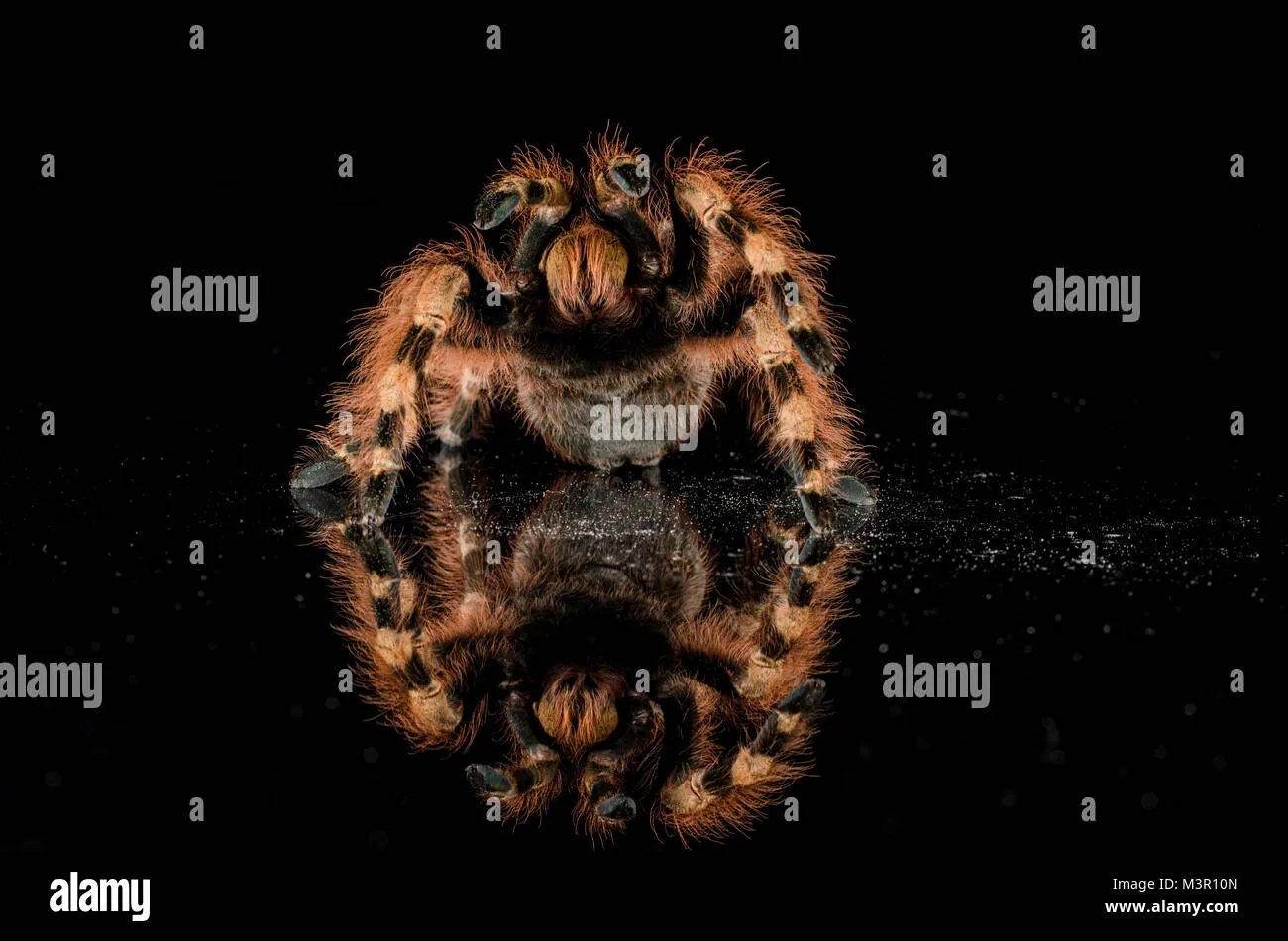
What is a Tarantula Threat Pose?
Understanding the threat pose of a tarantula is crucial for anyone interacting with these fascinating creatures. It’s a collection of behaviors a tarantula displays when it feels threatened, stressed, or ready to defend itself. Recognizing these signals is essential to avoid provoking the spider and ensuring a safe interaction, whether you’re a tarantula owner, a researcher, or simply curious about these arachnids. The threat pose serves as a warning, communicating the tarantula’s current emotional state and its willingness to escalate to more aggressive defensive measures, such as biting or kicking urticating hairs. The specific behaviors involved in a threat pose can vary slightly depending on the species and individual temperament, but the underlying message remains consistent—back off.
Legs Up: The Classic Threat Pose
One of the most recognizable threat displays is the ’legs up’ or ‘upright posture’. In this pose, the tarantula raises its front legs high off the ground, sometimes lifting its entire body to appear larger and more intimidating. The spider may also arch its abdomen slightly. This posture signals that the tarantula perceives a threat and is prepared to strike or defend itself. The legs up pose allows the tarantula to position its fangs for a bite and provides a stable base for a potential lunge. It is a clear visual warning and should be taken seriously. If you observe a tarantula in this pose, the best course of action is to slowly retreat and give it space.
Fangs Bared and Ready

Another significant component of the threat display is the baring of fangs. When a tarantula feels threatened, it may open its chelicerae, exposing its fangs. This display is a direct warning that the spider is prepared to bite. The size and shape of the fangs can vary between species, but their exposure is a clear indication of a defensive stance. The spider may also move its fangs in a snapping motion, further emphasizing its readiness to bite. A tarantula baring its fangs is not to be trifled with, as a bite can be painful and, in some cases, may cause a reaction, depending on the venom and the individual’s sensitivity. Observe the tarantula from a distance and do not attempt to handle or provoke it.
Hissing and Stridulation: A Warning Sound
Some tarantula species can produce a hissing sound as part of their threat display. This sound is created through a process called stridulation, where the spider rubs parts of its body together, often its legs against its chelicerae. The sound can range from a soft hiss to a louder, more pronounced noise, depending on the species and the level of perceived threat. The hissing sound serves as an auditory warning, reinforcing the visual cues of the threat pose. This behavior is more commonly observed in certain species and is a clear indicator of the tarantula’s heightened state of alert and its willingness to defend itself. Never try to touch the tarantula when it makes this sound.
Hair-Flicking Defense Mechanism
Many tarantula species possess urticating hairs on their abdomen, which they can flick off as a defensive mechanism. These hairs are barbed and cause intense irritation when they come into contact with skin or eyes. A tarantula will often rub its abdomen with its hind legs, releasing these hairs into the air towards a perceived threat. While not always part of the initial threat display, hair-flicking can be a secondary defense mechanism deployed if the tarantula feels further provoked. It’s important to avoid getting too close to a tarantula, especially if it is showing signs of agitation, to minimize the risk of exposure to these irritating hairs. Should the hairs come into contact with your skin, wash the area immediately.
Why Do Tarantulas Threaten?

Tarantulas exhibit threat poses for a variety of reasons, all stemming from a need to protect themselves. Understanding these motivations can help us interpret their behavior and interact with them more safely. The threat pose is not an indication of aggression, but rather a sign of fear or perceived danger. It’s a warning signal designed to deter potential predators or threats. These arachnids are typically more inclined to retreat and avoid conflict, they resort to defensive behaviors only when they feel cornered or unsafe. Their responses are dictated by their instincts, they react to protect themselves first.
Territoriality
Tarantulas are primarily solitary creatures and can be territorial, especially during mating season or when competing for resources. They may display threat poses to defend their burrows, hunting grounds, or potential mates. When another tarantula or perceived intruder enters their territory, the resident spider may exhibit threat displays to signal its claim. The intensity of the threat pose can depend on the perceived threat and the spider’s confidence. Juvenile tarantulas are also prone to this behavior. It is important to provide adequate space for tarantulas, particularly if housing multiple individuals, to minimize territorial disputes and the resulting threat displays. If there is a fight, separate them immediately.
Defensive Behavior
The primary reason for a tarantula’s threat pose is defensive behavior. If the spider feels threatened by a predator, a perceived threat, or even an unfamiliar object or movement, it will adopt a defensive posture. The threat pose is a clear signal that the tarantula is prepared to defend itself through biting, kicking, or other defensive measures. Handling a tarantula improperly, or making sudden movements near it, will likely trigger a threat display. It’s important to remember that the tarantula is not being aggressive, but is acting on its instinct to survive. Creating a safe environment and avoiding actions that might be perceived as threats can help prevent defensive behaviors.
Factors Influencing Threat Poses

Several factors can influence a tarantula’s likelihood of displaying a threat pose. These factors include species, environmental stress, and the spider’s individual temperament. Understanding these influences can provide a more nuanced perspective on tarantula behavior and help owners or observers better anticipate and respond to their actions. The intensity of a threat display can vary widely depending on these factors, and even within the same species, individual spiders may have different personalities, leading to variations in their behavior.
Species Differences
Different tarantula species exhibit varying levels of defensiveness and may display different threat behaviors. Some species are known for being more docile, while others are more prone to defensive displays. For example, some New World tarantulas are more likely to flick hairs, while some Old World species are more likely to bite. Researching the specific species of tarantula is essential for understanding its behavior and potential threat displays. Each species has evolved unique strategies for defense, and this influences the type and intensity of its threat poses. Consider this information as you interact with different tarantula species. Knowledge of each species helps to anticipate possible behavior.
Environmental Stress
Environmental factors such as inadequate housing, improper temperature or humidity, or a lack of suitable hiding places can cause stress in tarantulas and increase the likelihood of a threat pose. A stressed tarantula is more likely to perceive any movement or change in its environment as a threat. Providing an optimal living environment, including appropriate temperature, humidity, and a secure enclosure with ample hiding places, can help reduce stress and minimize the display of defensive behaviors. Regular maintenance of the tarantula’s habitat, including removing uneaten prey and maintaining proper cleanliness, also contributes to a less stressful environment. Monitoring your tarantula’s behavior to make sure they are happy and well.
How to React to a Tarantula Threat Pose

When you observe a tarantula exhibiting a threat pose, it’s crucial to react calmly and cautiously. The primary goal is to avoid escalating the situation and to ensure your safety and the spider’s well-being. Understanding the tarantula’s intentions and respecting its signals is essential. If you are prepared and handle the situation carefully, you will be able to avoid an adverse reaction. If a tarantula is showing a threat pose, it is likely scared, so you need to think like the spider.
Observe from a Safe Distance
The most important action is to maintain a safe distance from the tarantula. Do not attempt to handle, touch, or otherwise interact with the spider while it is displaying a threat pose. Observe the tarantula from a distance, allowing it to feel secure. Avoid making any sudden movements or loud noises that could further startle the spider. The tarantula is likely feeling vulnerable and frightened. Give it space and time to calm down. If you need to approach the tarantula’s enclosure for maintenance or feeding, do so slowly and deliberately. Allow the tarantula to retreat and feel safe.
Avoid Sudden Movements
Avoid any sudden movements, as they can startle the tarantula and trigger a defensive response. Tarantulas have sensitive sensory systems and can perceive even subtle movements as a threat. Move slowly and deliberately around the enclosure or the tarantula itself. Avoid making any quick gestures or actions that could be interpreted as a threat. Speak in a calm, low tone of voice, as loud noises can also startle the spider. Allow the tarantula to adjust to your presence and avoid sudden changes in the environment around it. Make the movements slow and purposeful.
Never Provoke a Tarantula
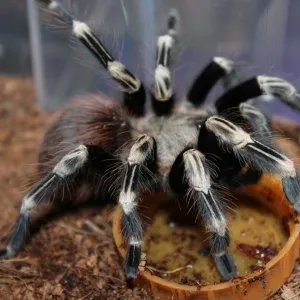
Never intentionally provoke a tarantula. This includes poking, prodding, or attempting to handle the spider when it is showing signs of stress or a threat pose. These actions can lead to a bite, hair-flicking, or other defensive behaviors. Avoid handling a tarantula unless absolutely necessary, such as for health checks. If you must handle a tarantula, use appropriate tools and safety precautions, such as a long pair of tongs and a clear container. Always respect the tarantula’s signals and prioritize its well-being. Never try to push the spider, back away and try again later. Observe and understand the spider, don’t try to control it.
In conclusion, understanding the meaning behind a tarantula’s threat pose is essential for responsible and safe interaction with these fascinating creatures. By recognizing the various components of a threat display, acknowledging the factors that influence it, and knowing how to react appropriately, you can ensure your safety and the tarantula’s well-being. Always prioritize the tarantula’s perspective and respect its need for space and security. Remember that observing a threat pose is a reminder that a tarantula is not being aggressive, but defensive. Approach these encounters with knowledge, patience, and a deep respect for the animals.