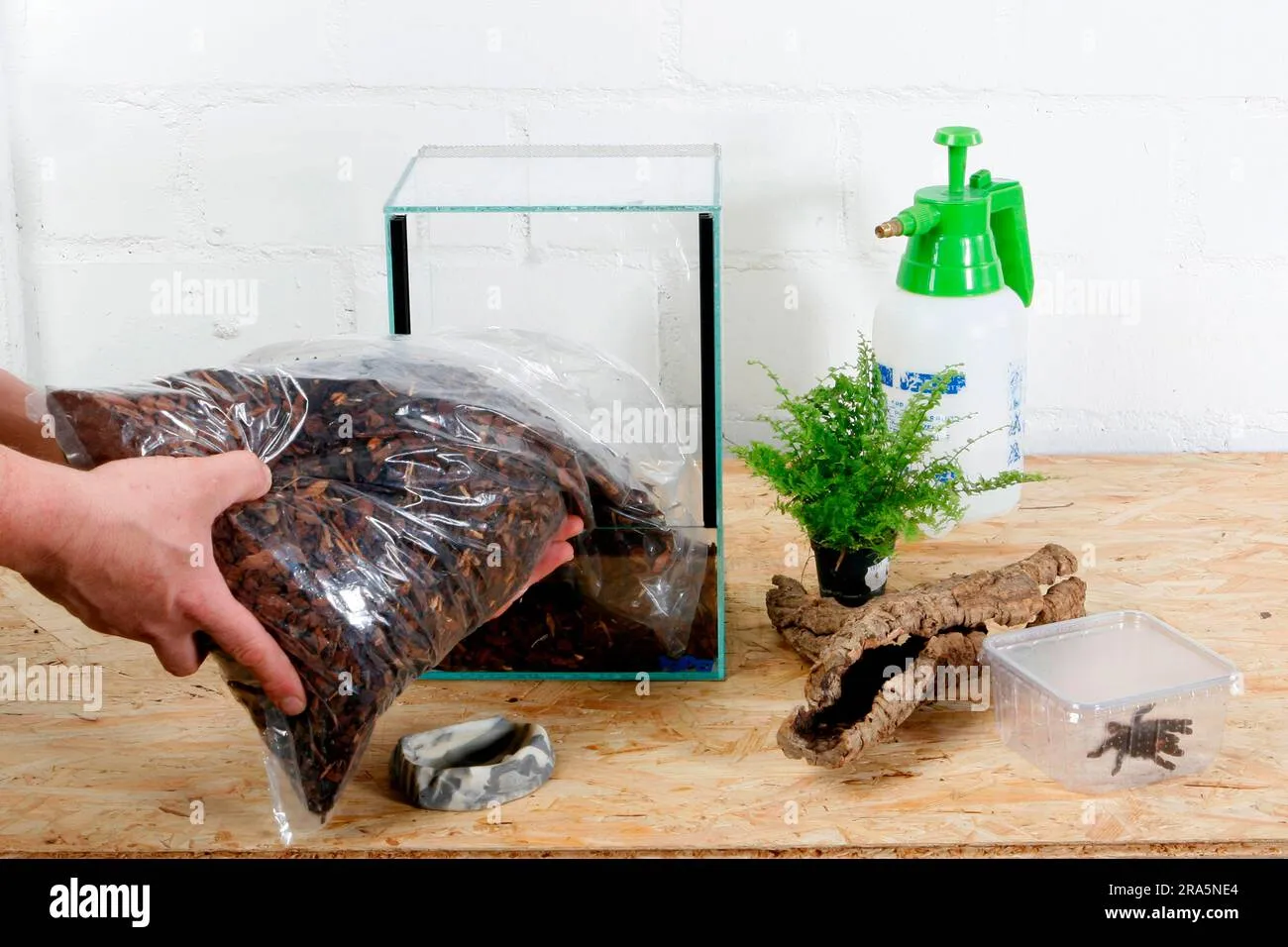
Understanding Tarantula Terrarium Heating Needs
Maintaining the correct temperature is crucial for the health and well-being of your tarantula. Tarantulas, being ectothermic creatures, rely on external heat sources to regulate their body temperature. Their metabolic processes, including digestion, activity levels, and molting, are heavily influenced by temperature. Providing a suitable heating system ensures that your tarantula can thrive, eat properly, and live a long, healthy life. Inadequate heating can lead to various health issues, including a suppressed appetite, slow growth, and even premature death. Understanding the specific temperature requirements of your tarantula species is the first and most important step in establishing a suitable habitat.
Why Is Heating Important for Tarantulas
The importance of heating for tarantulas is multifaceted. Heat directly affects their metabolism, enabling them to digest food efficiently and absorb essential nutrients. It also plays a critical role in their activity levels, allowing them to explore their enclosure and engage in natural behaviors. Moreover, adequate warmth supports the molting process, where tarantulas shed their exoskeletons to grow. Without sufficient heat, molting can become difficult and dangerous. Heating also helps maintain a healthy immune system, making them less susceptible to diseases. Properly heated terrariums are, therefore, essential for keeping tarantulas healthy, active, and happy.
Impact of Temperature on Tarantula Health

Temperature fluctuations can significantly impact a tarantula’s health. Low temperatures can lead to a decreased appetite, sluggishness, and a weakened immune system, increasing the risk of illness. Prolonged exposure to cold conditions can even be fatal. Conversely, excessively high temperatures can cause dehydration, overheating, and stress, potentially leading to death. Each tarantula species has specific temperature preferences, so it’s essential to research the needs of your particular species. Monitoring the temperature in the terrarium daily and adjusting the heating setup as needed is vital to ensure your tarantula remains healthy and comfortable.
Choosing the Right Heating Equipment
Selecting the appropriate heating equipment is key to providing optimal warmth for your tarantula. The choice often depends on factors such as the size of the terrarium, the species of tarantula, and the ambient temperature of the room. Several heating options are available, each with its own advantages and disadvantages. Common choices include heat mats, ceramic heat emitters (CHEs), and, in some cases, specialized heat lamps. Ensuring that the chosen equipment is reliable, safe, and capable of maintaining the desired temperature is essential to creating a comfortable and healthy environment for your pet.
Heat Mats for Tarantula Terrariums
Heat mats are a popular choice for heating tarantula terrariums because they provide a gentle and consistent heat source. They are generally placed on the side or underneath the enclosure, ensuring a uniform temperature gradient. Heat mats are energy-efficient and readily available. However, they might not be sufficient for larger enclosures or in very cold environments. Always select a heat mat with a thermostat to prevent overheating and precisely control the temperature. Different wattage heat mats are available to match the enclosure size. Ensure the heat mat covers only a portion of the enclosure floor or side, to create a thermal gradient.
Placement and Safety of Heat Mats

Proper placement and safety precautions are essential when using heat mats. Place the heat mat on the side or under the terrarium, avoiding direct contact with the substrate. If placing the mat under the enclosure, use a small air gap (like rubber feet) to prevent excessive heat buildup and protect the surface it’s placed on. Always use a thermostat with a heat mat to regulate the temperature and prevent burns. Regular monitoring of the temperature with a reliable thermometer is equally important. Keep the heat mat clean and inspect it regularly for any signs of damage. These precautions are crucial to preventing overheating and ensuring the safety of your tarantula.
Ceramic Heat Emitters (CHE) for Tarantulas
Ceramic Heat Emitters (CHEs) are another excellent option for tarantula heating, especially for larger enclosures or when ambient temperatures are low. CHEs emit infrared heat, which penetrates the enclosure, providing a consistent and effective heat source. They do not emit light, making them suitable for nocturnal tarantulas. CHEs are available in various wattages and sizes, allowing you to customize the heating setup to your specific needs. Pairing a CHE with a thermostat is vital to ensure precise temperature control and prevent overheating. Proper positioning of the CHE to avoid direct contact with the tarantula is important to prevent burns.
Benefits and Drawbacks of CHEs
CHEs offer several benefits, including their ability to provide consistent heat without emitting light and their suitability for larger terrariums. They are also relatively long-lasting and can provide a reliable heat source for an extended period. However, CHEs also have some drawbacks. They can be more expensive than heat mats and may require a separate fixture. They can also potentially cause burns if the tarantula comes into direct contact with the hot surface. Therefore, proper placement, along with the use of a thermostat, is critical when using CHEs. It is essential to consider the specific needs of your tarantula species and the conditions of your environment when deciding between a CHE and other heating options.
Other Heating Options

While heat mats and CHEs are the most common heating methods, other options are available depending on your specific requirements. Heat lamps with low-wattage bulbs can provide a localized heat source, though they may not be ideal for all tarantula species due to their light emission. Under-tank heaters are another possibility, though placement needs to be carefully considered to prevent overheating. The ideal heating solution depends on factors like enclosure size, ambient temperature, and the species’ needs. The most crucial factor is maintaining a consistent temperature range within the terrarium to keep your tarantula healthy and content.
Maintaining Optimal Temperature and Humidity
Maintaining optimal temperature and humidity levels is critical for a thriving tarantula. These two factors work together to create a comfortable and healthy environment. While temperature provides the necessary warmth for metabolic processes, humidity supports proper molting and overall well-being. Regular monitoring, along with accurate adjustments to heating and ventilation, are essential to achieve the correct balance. Different species have different requirements, so researching the specific needs of your tarantula is paramount to ensuring a perfect habitat.
Monitoring Temperature with Thermometers
Using accurate thermometers is crucial for maintaining the correct temperature in your tarantula’s terrarium. Digital thermometers with probes are highly recommended, as they provide precise readings and can be placed at different points within the enclosure to monitor the temperature gradient. Place the probe in the warmest and coolest areas to get an accurate picture of the thermal environment. Checking the thermometer readings at least once a day, or even more often, is important. A properly calibrated thermometer will help you catch any temperature fluctuations early and make necessary adjustments to the heating equipment. Regularly verify that the thermometer is functioning correctly to avoid inaccurate readings that could negatively impact your tarantula.
Controlling Humidity Levels in the Terrarium

Maintaining the proper humidity level is just as important as temperature control. Humidity helps tarantulas molt successfully and prevents dehydration. The required humidity level varies depending on the species. To increase humidity, mist the enclosure with dechlorinated water, especially in dry environments. The frequency of misting depends on the humidity level and the species’ needs. Proper ventilation is also essential; it prevents the buildup of excessive humidity that can lead to mold growth. Using a hygrometer to monitor humidity levels is crucial. Consider using a substrate that holds moisture well, such as coconut fiber, to help maintain humidity. Monitoring and adjusting humidity as needed ensures your tarantula’s health.
Creating a Thermal Gradient
Creating a thermal gradient – a range of temperatures within the enclosure – allows your tarantula to regulate its body temperature. This is achieved by providing a warmer area on one side of the enclosure and a cooler area on the other. This setup allows the tarantula to move to the temperature zone it needs. Heat mats or CHEs, when placed on one side of the terrarium, create this gradient. Avoid heating the entire enclosure evenly. The cool side provides a place for the tarantula to escape the heat when needed. Ensure the temperature in the warmest area is within the recommended range for your tarantula species and that there’s a noticeable temperature difference between the two sides of the enclosure.
Troubleshooting Heating Issues
Even with the best setup, heating issues can arise. Recognizing the signs of problems, such as overheating or underheating, and knowing how to address them is essential for the well-being of your tarantula. Regular monitoring and proactive problem-solving can prevent health issues and ensure a comfortable environment. Always have a backup plan, such as a spare heat source, in case of equipment failure. Quick action can prevent any harm to your pet. Understanding common issues and solutions will help you create and maintain a perfect environment for your tarantula.
Recognizing Signs of Overheating or Underheating
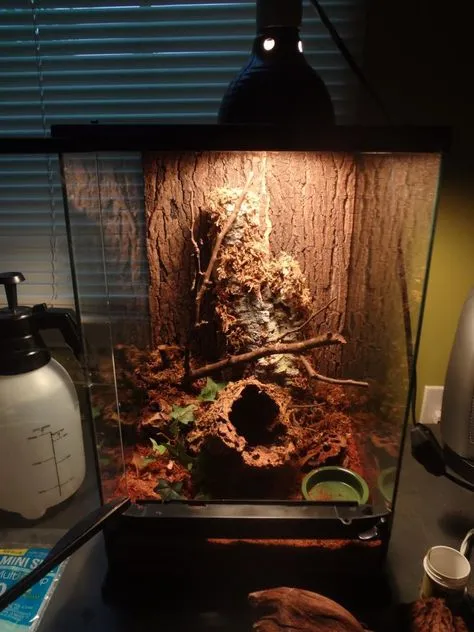
It’s important to recognize the signs of both overheating and underheating to provide prompt care. Signs of overheating include the tarantula being lethargic, restless, or seeking refuge in the coolest part of the enclosure. They may also exhibit rapid movements and refuse to eat. Overheating can be fatal, so immediate action is necessary. Signs of underheating include a loss of appetite, slow movement, and inactivity. The tarantula might also appear sluggish or spend more time in a burrow. Prolonged underheating can also lead to health complications. Monitoring the temperature regularly and observing your tarantula’s behavior are key to catching these issues early.
Solutions for Common Heating Problems
If you identify heating issues, take prompt action. If the terrarium is overheating, reduce the heat output by adjusting the thermostat, unplugging the heat source, or moving the tarantula to a cooler environment. Increase ventilation to help dissipate heat. If the terrarium is underheated, ensure the heating equipment is functioning correctly. Check the thermostat and heat source, and consider increasing the wattage. Make sure the enclosure is in a warmer area of your home. Ensure the heating source is appropriately sized for the enclosure. Always research the specific temperature requirements of your tarantula species and adjust the heating setup accordingly to maintain optimal conditions.
Conclusion
Providing adequate heating is not just a part of tarantula care; it’s fundamental to their survival and well-being. By understanding the importance of temperature regulation, choosing the correct equipment, and consistently monitoring the enclosure, you can create an ideal habitat where your tarantula can thrive. Regular maintenance, including the monitoring of temperature and humidity, will ensure a healthy environment. Always research the specific temperature and humidity needs of your tarantula species. By making informed decisions and adapting to the specific needs of your pet, you’ll contribute to a long and fulfilling life for your tarantula. Proper heating is an investment in the health and happiness of your fascinating pet.