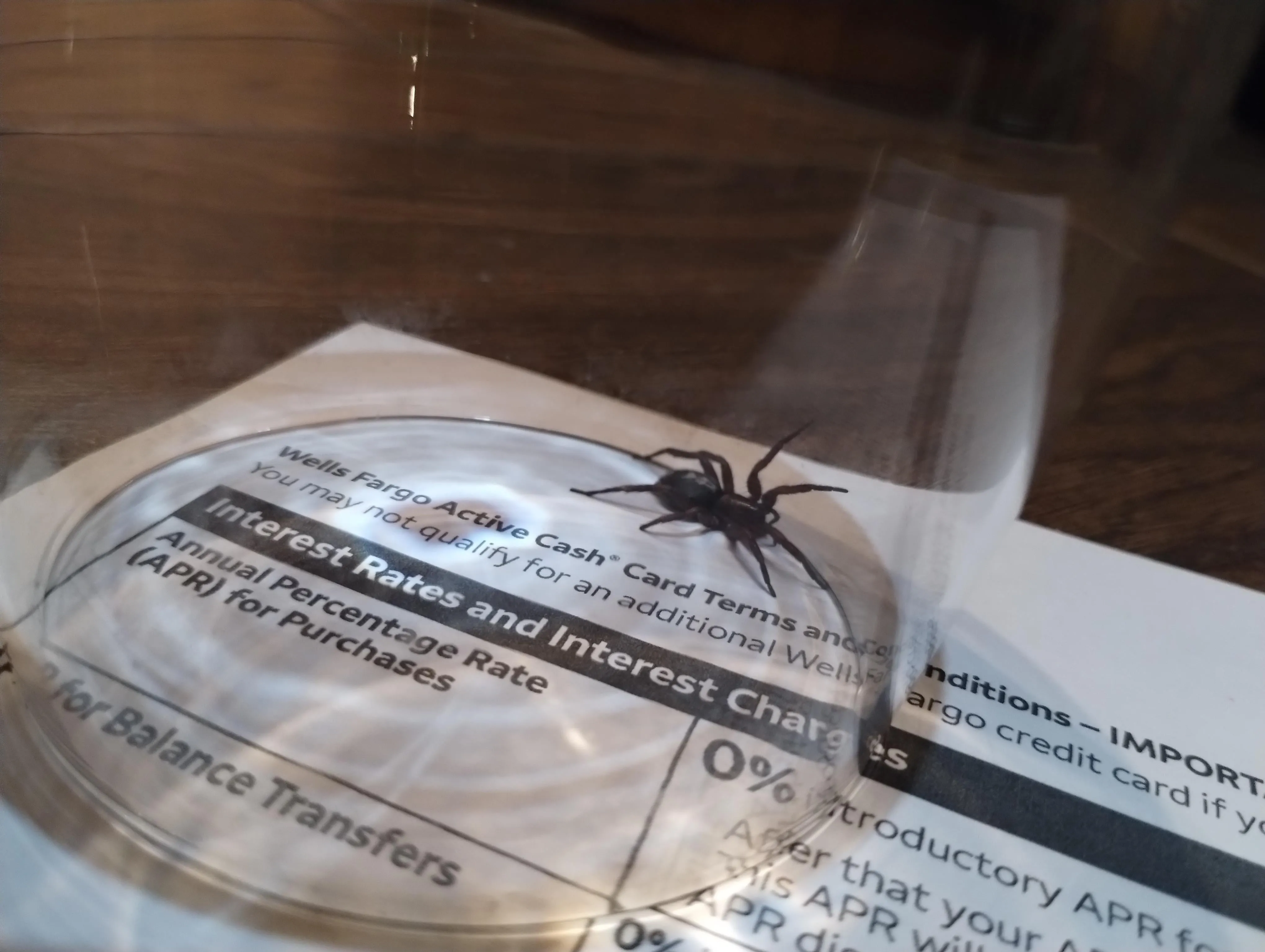
What is a Tarantula Sling
A tarantula sling is essentially a baby tarantula. These tiny arachnids are in their most vulnerable stage of life, requiring specific care to ensure their survival and healthy development. Understanding what a tarantula sling is and the responsibilities involved in their care is the first step for anyone considering keeping one. The term “sling” is used to differentiate them from adult tarantulas, highlighting their small size and the delicate nature of their needs. Proper care during this stage sets the foundation for a long and fulfilling life for your tarantula. It’s a rewarding experience, but one that demands commitment and attention to detail.
Defining Tarantula Slings
Tarantula slings are typically the tarantulas after hatching and up to their first few molts. This initial phase is characterized by rapid growth and significant changes in appearance. These spiderlings are incredibly small, often measuring only a few millimeters across, and their needs differ considerably from those of adult tarantulas. Their size means they are particularly susceptible to environmental changes and require a carefully controlled environment. The sling stage is a crucial period for establishing healthy habits, ensuring the tarantula thrives as it grows.
Size and Appearance of Spiderlings

The size of a tarantula sling varies depending on the species. Generally, they range from a few millimeters to about a centimeter in leg span when newly hatched. Their coloration and patterns are often more muted than those of adults, but they are still fascinating to observe. As they grow, tarantula slings undergo several molts, shedding their exoskeleton to allow for further development. Each molt brings about changes in size, coloration, and sometimes even the development of more complex patterns. Observing these changes is a key part of the joy of raising a tarantula sling.
Why Proper Care is Crucial
Proper care is paramount for tarantula slings because they are extremely fragile during their early stages of life. Their small size makes them highly vulnerable to dehydration, temperature fluctuations, and injuries. Additionally, poor enclosure conditions and improper feeding can lead to stunted growth, health problems, or even death. Taking the time to understand and meet their specific needs significantly increases their chances of survival and ensures they develop into healthy, thriving adults. Investing in the right care from the beginning is an investment in your tarantula’s future.
Setting Up the Ideal Enclosure
Creating the perfect enclosure is one of the most critical aspects of caring for a tarantula sling. The right environment provides the necessary conditions for growth, molting, and overall well-being. The setup should mimic the tarantula’s natural habitat as closely as possible. This includes providing appropriate temperature, humidity, substrate, and hiding places. A well-designed enclosure reduces stress and allows the spiderling to feel secure, thus promoting healthy development. Pay close attention to the details, as these small things make a big difference in the tarantula’s life.
Enclosure Size and Substrate

The enclosure for a tarantula sling should be appropriately sized, providing enough space for movement but not so much that the sling feels overwhelmed. A small deli cup or a similar container with a secure lid is often suitable for very young slings. As the tarantula grows and molts, you’ll need to upgrade to a larger enclosure. The substrate, the material at the bottom of the enclosure, should be chosen carefully. Options like coco fiber, peat moss, or a mixture of both work well. The substrate should be deep enough to allow the tarantula to burrow if it is a burrowing species. This helps with molting and provides a sense of security. Ensure the substrate is kept slightly moist but not waterlogged, as excessive moisture can lead to health issues. (Image: tarantula-sling-substrate.webp)
Humidity and Temperature Control
Maintaining the correct humidity and temperature levels is vital for the health of your tarantula sling. Use a hygrometer to monitor humidity levels; they should be between 60-80%, depending on the species. You can achieve this by misting the enclosure lightly with water, typically once or twice a week, but avoid saturating the substrate. For temperature, most tarantula species thrive in temperatures between 75-85°F (24-29°C). You can use a thermometer to monitor the temperature. If necessary, a small heat mat placed on the side of the enclosure (never directly underneath) can help maintain the correct temperature. Consistent monitoring and adjustments are key. (Image: tarantula-sling-enclosure.webp)
Providing Fresh Water
Tarantula slings need access to fresh water at all times to stay hydrated. The best way to provide water is to use a small, shallow water dish. The dish should be shallow enough to prevent the sling from drowning. Another option is to provide water by lightly misting the enclosure walls or substrate once or twice a week. Always ensure the water source is clean and free of any contaminants. Regular access to clean water is essential for a tarantula sling’s health and well-being, supporting crucial bodily functions and aiding in successful molting. (Image: tarantula-sling-water.webp)
Feeding Your Tarantula Sling

Feeding a tarantula sling requires a delicate approach, ensuring the right food is provided in appropriate amounts. Their small size means they have specific dietary requirements, and overfeeding or underfeeding can lead to problems. Understanding what to feed, how often, and how much is essential for a healthy, growing tarantula. Observation is key, and it’s important to adjust feeding based on the sling’s size, species, and behavior. This section will guide you through the best practices for feeding your tarantula sling.
Choosing the Right Food
Tarantula slings eat small insects. Common choices include fruit flies (wingless or flightless), pinhead crickets, and small roaches. The size of the food should be appropriate for the sling’s size; as a general rule, prey should be no larger than the sling’s abdomen. For example, if the sling is very small, fruit flies are a good choice, while pinhead crickets are suitable for slightly larger slings. When selecting food, make sure it is gut-loaded, meaning the insects have been fed a nutritious diet to provide the tarantula with essential vitamins and minerals. The insect should be alive and moving to trigger the sling’s hunting instinct.
Feeding Frequency and Amount
The feeding frequency for tarantula slings depends on their growth rate and the species. Generally, slings should be fed every other day or every three days. The amount of food should be adjusted based on the sling’s appetite and size. Observe whether it consumes the prey; if it doesn’t eat the prey within 24 hours, remove it to prevent stress and possible mold. Always err on the side of underfeeding, as overfeeding can lead to health issues and a shorter lifespan. As the tarantula grows, adjust the frequency and size of the prey accordingly. It is crucial to monitor the sling’s abdomen; a well-fed sling should have a slightly rounded abdomen. (Image: tarantula-sling-feeding.webp)
Handling and Interaction

Handling tarantula slings should be approached with extreme caution, as these tiny creatures are delicate and can be easily injured. While it may be tempting to interact with them, minimizing handling is generally best for their well-being. Understanding the sling’s temperament and practicing safe handling practices is crucial if you decide to handle it. Always prioritize the sling’s safety and avoid any actions that might cause stress or injury. Focus on creating a comfortable environment and providing appropriate care to ensure a long and healthy life.
Understanding Spiderling Temperament
Tarantula slings, like adults, have individual personalities. Some are more docile, while others are more defensive. Observing the sling’s behavior is key to understanding its temperament. A sling that is constantly hiding or flicking hairs might be stressed and should not be handled. Some species are naturally more skittish than others. Researching the specific species you have will provide insights into their typical behavior. Recognize that a sling’s primary instinct is to survive, and handling can be a stressful experience for them. Respect their boundaries and prioritize their well-being.
Safe Handling Practices
If you choose to handle a tarantula sling, do so with extreme care. Always wash your hands thoroughly before and after handling to remove any potential contaminants. Handle the sling close to a surface, such as a table or the floor, to minimize the distance it can fall. Gently coax the sling onto your hand using a soft brush or a piece of paper. Avoid squeezing or applying any pressure, as this can be harmful. Be prepared for the sling to move quickly and keep your movements slow and predictable. If the sling seems stressed or agitated, gently place it back into its enclosure. Observe them closely and be ready to react to any sign of stress. (Image: tarantula-sling-handling.webp)
Monitoring Growth and Molting

Monitoring growth and molting is a fundamental part of caring for tarantula slings. Molting is the process by which tarantulas shed their exoskeleton to allow for growth. This process is crucial for their development and is a sign that they are thriving. Recognizing the signs of an upcoming molt and knowing how to support them through the process are essential. Careful observation provides valuable insight into the health and well-being of your sling. Keeping records of each molt, including the date and any changes in appearance, can be helpful for tracking their progress.
Recognizing Pre-Molt Signs
Several signs indicate a tarantula sling is preparing to molt. One of the most noticeable signs is a darkening of the abdomen. The sling may also become less active and may refuse food. You might also notice the sling spending more time in its burrow or hiding place. Sometimes, the sling will construct a web mat or block off its burrow entrance. These are all indications that it is preparing to molt. It is crucial to avoid disturbing the sling during this sensitive time. Provide a quiet and stable environment to minimize stress. (Image: tarantula-sling-molting.webp)
What to Do During Molting
During molting, do not disturb the tarantula sling. Provide a humid environment, as this helps the process. Avoid feeding the sling until it has successfully molted. It typically takes a few days or weeks for the exoskeleton to harden fully. After the molt, the sling will be vulnerable. Never try to assist a tarantula sling during a molt, as this can cause injury. Once the tarantula has hardened its new exoskeleton, you can begin feeding it again. Monitor the sling closely to ensure it is eating and growing well. The entire molting process is a testament to its resilience and a sign of its successful development.
Common Issues and Solutions

Even with the best care, tarantula slings may encounter some common issues. Addressing these issues promptly and effectively is crucial for their health and survival. Understanding the potential problems and knowing how to solve them can significantly improve your chances of successfully raising a healthy tarantula. This section covers some of the most common issues and provides solutions to help you provide the best possible care for your sling.
Dealing with Feeding Refusal
Feeding refusal is a common issue with tarantula slings, often related to pre-molt, stress, or environmental conditions. If your sling refuses food, first check its enclosure to ensure the temperature and humidity are appropriate. Observe its behavior; is it hiding more than usual? If the conditions are correct, the sling may be preparing to molt. Remove any uneaten prey to prevent stress. Sometimes, offering a different type of prey can entice the sling to eat. If the refusal continues for an extended period, consult with a more experienced keeper or a veterinarian specializing in exotic animals. Never force-feed the sling, as this can be harmful. (Image: tarantula-sling-feeding.webp)
Treating Dehydration
Dehydration can be a serious threat to tarantula slings, potentially leading to death if not addressed promptly. Signs of dehydration include a shriveled appearance, lethargy, and difficulty moving. To prevent dehydration, ensure the enclosure has the correct humidity levels and a constant supply of fresh water. If you suspect your sling is dehydrated, increase the humidity in the enclosure by misting lightly more frequently. Offer a small amount of water near the sling’s mouth using a dropper or a fine-tipped syringe. If the condition does not improve, seek advice from an experienced tarantula keeper or a veterinarian. Early intervention is key, and dehydration can often be resolved with proper care.
Conclusion
Caring for tarantula slings is a rewarding experience that requires dedication, knowledge, and a gentle touch. By understanding their needs, providing the right environment, and monitoring their health, you can ensure your sling thrives. From choosing the right enclosure to feeding them appropriately, every aspect of their care plays a vital role in their development. While there may be challenges, the joy of watching a tarantula sling grow into a magnificent adult makes all the effort worthwhile. With the proper care, you will be able to enjoy the fascinating journey of raising these incredible creatures. Remember to always prioritize the well-being of your tarantula and enjoy the experience of being a tarantula keeper.