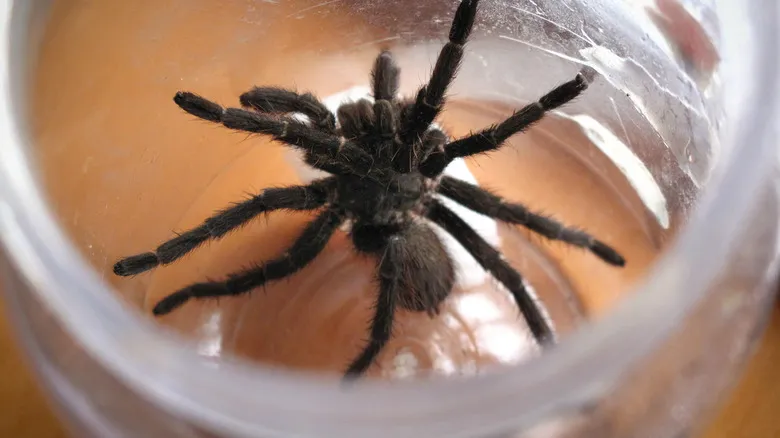
What Happens When a Tarantula Is Dropped?
The question of whether a tarantula will shatter if dropped is a common concern among tarantula owners and those considering getting one as a pet. The reality is a bit more nuanced than a simple yes or no. Several factors influence the outcome of a fall, from the tarantula’s size and species to the surface it lands on. Understanding these factors is crucial for responsible tarantula ownership and ensuring the well-being of these fascinating creatures. While tarantulas are relatively robust compared to insects, they aren’t indestructible. A fall can lead to various injuries, depending on the circumstances, so it is essential to consider this question and the answer with care.
The Exoskeleton’s Role
The exoskeleton, or external skeleton, of a tarantula is a key factor in its ability to withstand falls. It is composed of chitin, a tough, durable material that provides protection and support. However, the exoskeleton isn’t uniformly thick or rigid across the entire body. Some areas are more vulnerable than others, influencing how the tarantula responds to an impact. The exoskeleton serves multiple purposes, including protecting internal organs, providing attachment points for muscles, and preventing water loss. The characteristics of the exoskeleton have a significant impact on a tarantula’s ability to survive, especially when faced with unforeseen circumstances such as a fall.
Exoskeleton Composition and Strength

Chitin, the primary component of the tarantula’s exoskeleton, is a polysaccharide similar to the cellulose found in plants. This material is exceptionally strong and provides a good level of protection. The exoskeleton is further reinforced by layers of protein, creating a composite structure that is both durable and relatively lightweight. The thickness of the exoskeleton varies depending on the species, the tarantula’s age, and the specific body region. Older tarantulas and those in more exposed environments often have thicker exoskeletons to provide greater protection. This variable composition is one of the key elements that determine the likelihood of a tarantula sustaining damage from a fall.
Impact Absorption Mechanisms
Tarantulas possess a few natural mechanisms that help absorb the impact of a fall. Their flexible joints, located between the segments of the exoskeleton, allow for some degree of movement and shock absorption. Also, the tarantula’s body structure, with its segmented design, can help distribute the force of the impact, reducing the stress on any single area. The presence of hairs, or setae, on the tarantula’s body can also help to cushion a fall, acting like tiny shock absorbers. Though these mechanisms provide some protection, they are limited, and a fall from a significant height or onto a hard surface can still result in injury.
Tarantula Size and Shatter Likelihood
The size of a tarantula is a significant factor in determining its chances of survival after a fall. Larger tarantulas, while having a more robust exoskeleton, have a greater mass and therefore experience a more significant impact upon hitting a surface. Smaller tarantulas, on the other hand, have a lower mass, which can reduce the force of impact, potentially leading to less severe injuries. However, smaller tarantulas might also have a more delicate structure, making them more vulnerable to even a minor fall. The relationship between size and survivability is complex, and other factors, such as the species and the surface, also play a role.
Smaller Tarantulas

Smaller tarantulas, like slings (juvenile tarantulas), are often more fragile due to their less developed exoskeletons. A fall from even a short distance can be devastating for a young tarantula, resulting in potentially fatal injuries. The smaller size means they have less mass to absorb the impact. Slings also have a higher surface area-to-volume ratio, making them more susceptible to dehydration if injured. It is crucial to handle smaller tarantulas with extreme care and provide a secure environment where they are unlikely to fall.
Larger Tarantulas
Larger, adult tarantulas possess a more robust exoskeleton, making them more resilient to falls compared to slings. Their larger size and weight, however, mean that they experience a greater impact force when they fall. Injuries can still occur, including damage to the exoskeleton, internal injuries, or rupture of the abdomen. The increased mass also makes them more prone to sustaining damage if they fall from a higher distance. Proper handling and creating a safe habitat is still important for larger tarantulas, though they have a better chance of survival in the event of an accidental fall.
The Role of Substrate
The substrate, or bedding material, within a tarantula’s enclosure is another crucial factor influencing the outcome of a fall. A well-chosen substrate can act as a shock absorber, cushioning the impact and reducing the risk of injury. The ideal substrate provides a balance between support and impact absorption, creating a safe environment for the tarantula. The type of substrate used should be selected based on factors like the tarantula’s species, its natural habitat, and its size. Proper substrate selection is an important aspect of tarantula care, playing a significant role in protecting the tarantula if it were to fall.
Soft Substrates

Soft substrates, such as coconut fiber, peat moss, or a mixture of both, are ideal for providing a cushioning effect. These materials absorb the impact of a fall, minimizing the potential for injury. Soft substrates also offer other benefits, such as helping to maintain humidity levels within the enclosure. The depth of the substrate is an important consideration; a deeper layer provides more cushioning. When selecting a soft substrate, ensure it is free from harmful chemicals and is of a suitable size to prevent accidental ingestion by the tarantula. These substrates are the best option for minimizing the chance of a tarantula being seriously hurt during a fall.
Hard Substrates
Hard substrates, such as gravel or rocks, offer little to no cushioning and can significantly increase the risk of injury if a tarantula falls. These materials do not absorb impact and can cause serious damage to the exoskeleton or internal organs. While some tarantulas may live in environments with hard surfaces in the wild, it is best to avoid these substrates in captivity to ensure the safety of your pet. The use of hard substrates is generally discouraged for tarantula enclosures. If you choose to use a decorative element like a rock, ensure it is secure and cannot cause injury if the tarantula falls.
Top 5 Surprising Facts
Here are 5 surprising facts about tarantulas and the potential impact of falling:
Fact 1 The Exoskeleton Isn’t as Fragile as You Think

The exoskeleton, made of chitin, is a surprisingly strong material. It’s not as brittle as it may appear, and it can withstand a certain amount of impact. However, the strength varies, and a fall from a significant height can still cause damage.
Fact 2 Gravity is the Real Enemy
While the exoskeleton provides protection, gravity is the primary force at play during a fall. The higher the fall, the greater the impact, and the higher the risk of injury. The distance and the surface the tarantula lands on are essential to determining the outcome.
Fact 3 The Abdomen Is Vulnerable
The abdomen of a tarantula is a more vulnerable area than the rest of its body. It’s not as heavily armored, and a hard impact can cause it to rupture, leading to serious, often fatal, injuries. Protecting the abdomen is crucial in preventing injuries.
Fact 4 Size Matters for Survival

Larger tarantulas may have a more robust exoskeleton, but their greater mass means a more significant impact. Smaller tarantulas, while more delicate, have a lower mass, potentially reducing the severity of a fall. The size of the tarantula significantly influences the potential for injury.
Fact 5 They Can Regenerate
Tarantulas can regenerate lost limbs over several molts, but they cannot regenerate significant internal injuries. Though they have some regenerative capabilities, severe injuries sustained during a fall are often beyond their ability to heal.
How to Minimize the Risk of Dropping
Preventing a tarantula from falling is the best way to protect it. Responsible tarantula ownership emphasizes proactive measures to minimize the risk. These include safe handling techniques, creating a secure environment, and avoiding situations where the tarantula is likely to fall. Careful handling and environmental considerations are essential components of preventing injuries related to falls.
Safe Handling Techniques

When handling a tarantula, always be calm and patient. Avoid sudden movements, which can startle the tarantula and cause it to jump or run. Handle the tarantula over a soft surface, such as a bed or the substrate inside its enclosure, to minimize the impact if it does fall. Never try to force a tarantula to move or handle it if it appears stressed. Always wash your hands before and after handling your tarantula.
Creating a Safe Environment
The tarantula’s enclosure should be designed to prevent falls. Use a secure lid to prevent the tarantula from escaping. Provide a substrate that is appropriate for the species and deep enough to cushion any potential fall. Remove any sharp objects or anything the tarantula could climb on and fall from. Ensure the enclosure is placed on a stable surface, away from edges and areas where it could be bumped or knocked over. Prioritize safety in the enclosure design to minimize the risk of falls and injuries.
First Aid for Dropped Tarantulas
Even with careful precautions, accidents can happen. Knowing how to recognize injuries and respond appropriately is essential. Prompt and informed action can often improve the chances of a tarantula’s survival and recovery. Keep a watchful eye on the tarantula after an incident and seek professional advice if you are concerned. Immediate action is crucial in ensuring the well-being of a tarantula that has experienced a fall.
Signs of Injury
Look for signs of injury, such as a damaged exoskeleton, leaking hemolymph (the tarantula’s equivalent of blood), or a reluctance to move. Other signs might include loss of legs, unusual behavior, or a change in appetite. Any unusual behavior following a fall warrants immediate inspection. The more attentive you are to your tarantula’s behavior, the better your chances of catching an injury early on.
What to Do if Your Tarantula is Injured
If you suspect your tarantula is injured, isolate it in a secure, clean enclosure. Provide a shallow dish of water and ensure the environment is at the correct temperature and humidity for the species. Contact a veterinarian or a knowledgeable tarantula breeder for advice. Do not attempt to treat the injury yourself unless you are experienced in tarantula care. Provide a stable, stress-free environment for the tarantula and monitor its condition closely. Prompt and correct action can improve the likelihood of a full recovery.
Conclusion
While a tarantula may not necessarily shatter when dropped, falls can lead to serious injuries. By understanding the factors influencing the outcome of a fall, taking preventive measures, and knowing how to respond if an accident occurs, tarantula owners can ensure the well-being of their pets. Responsible tarantula ownership involves prioritizing safety, providing a safe environment, and being prepared to address any potential health issues. With proper care and attention, tarantulas can thrive, and owners can enjoy the unique experience of keeping these fascinating creatures.