What are Tarantulas?
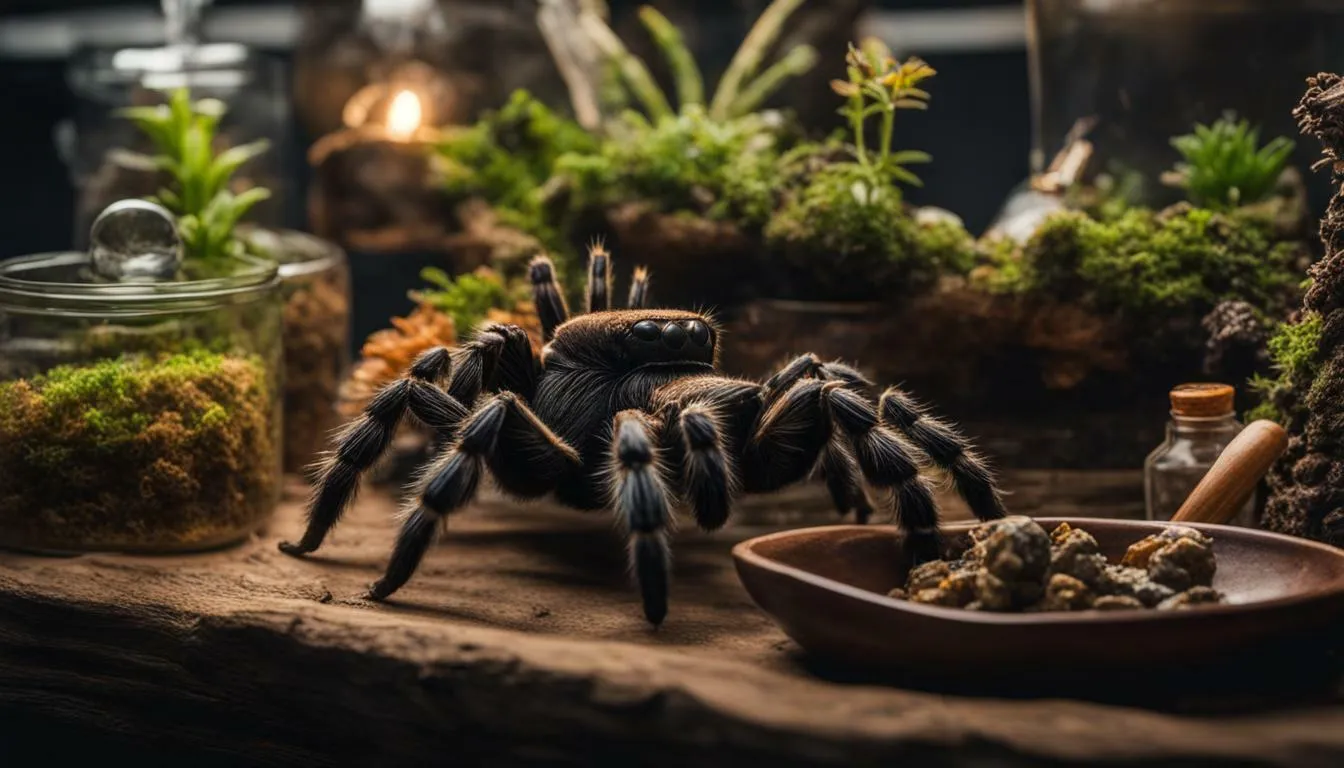
Tarantulas, members of the Theraphosidae family, are large and often hairy spiders that are popular pets. Known for their impressive size and relatively docile nature, tarantulas have captivated the interest of many, from seasoned arachnid enthusiasts to curious newcomers. They are found in various habitats across the globe, displaying a remarkable diversity in size, color, and behavior. Understanding tarantulas begins with recognizing them as distinct creatures with fascinating adaptations and life cycles, which is vital for anyone considering a tarantula as a pet or simply wishing to learn more about these amazing creatures. They are not insects, but arachnids, meaning they have eight legs, two body sections (cephalothorax and abdomen), and no antennae. They are a living testament to the wonders of the natural world, each species with unique adaptations for survival.
Origin and Habitat of Tarantulas
Tarantulas are native to tropical and subtropical regions worldwide, including the Americas, Africa, Asia, and Australia. Their habitats vary widely, from rainforests and grasslands to deserts and mountains. Most tarantulas are terrestrial, living on the ground, while some are arboreal, residing in trees. The specific environment greatly influences their physical characteristics and behaviors. For instance, desert-dwelling tarantulas have adaptations for conserving water, while rainforest species might be more colorful due to the moist environment. Understanding their origin and natural habitats is critical to replicating a suitable environment in captivity, ensuring the well-being of a pet tarantula.
Tarantulas: Not Just Spiders

While tarantulas are spiders, they possess unique characteristics that set them apart. They are among the largest spiders in the world, with some species having leg spans exceeding 10 inches. Unlike many other spiders, tarantulas often have a relatively long lifespan, sometimes living for several decades. Their size, longevity, and unique behaviors, such as molting and the use of urticating hairs for defense, make them distinct from the average spider. They also showcase complex behaviors, including elaborate courtship rituals and hunting strategies. Learning about these aspects helps differentiate them from other spiders and appreciate them as unique creatures.
Amazing Fact 1: Tarantulas are Diverse
The tarantula family encompasses over 900 recognized species, exhibiting a remarkable range of sizes, colors, and behaviors. This diversity is a testament to their ability to adapt to various environments, from arid deserts to humid rainforests. Some species are terrestrial, burrowing in the ground, while others are arboreal, living in trees. This diversity also extends to their dietary preferences, with some species specializing in insects, while others consume small vertebrates. The variety of species also means a wide range of temperaments, from docile to defensive, influencing their suitability as pets and requiring careful research and consideration before ownership.
Understanding Tarantula Species
Different tarantula species have specific needs and characteristics. For example, some are more tolerant of handling than others, and some require higher humidity levels. The temperament of a tarantula is also species-dependent; some are known for their docile nature, while others may be more defensive. Before acquiring a tarantula, it’s important to research the specific species to understand its natural habitat, dietary needs, and specific care requirements. Species selection is a pivotal decision, dictating your ability to provide adequate care. This ensures the animal thrives and you can properly manage your new pet. Learning about the species will make you a more responsible owner.
Types of Tarantulas

There are numerous tarantula types available as pets. Some popular species include the Chilean Rose Hair, known for its gentle temperament; the Mexican Red Knee, famous for its striking coloration; and the Gooty Sapphire Ornamental, admired for its vibrant blue legs. Each species has distinct care requirements, including habitat setup, feeding schedules, and temperature and humidity levels. Knowing the distinctions between different tarantulas will influence your experience as a pet owner and create a proper environment for your new pet. Considering their diverse requirements, it is essential to research thoroughly the specific needs of any species before acquisition.
Amazing Fact 2: Tarantulas are Long-Lived
One of the most remarkable facts about tarantulas is their longevity. Many species can live for several years, with females often outliving males. This long lifespan means a significant commitment for owners. It also provides an extended opportunity to observe and appreciate the unique characteristics of these creatures. The average lifespan varies among different species, with some females living for over 20 years. This long life span is a significant factor to consider before you get a tarantula as a pet.
Factors Influencing Tarantula Lifespan
Several factors can influence a tarantula’s lifespan. Diet, habitat conditions, and genetics play crucial roles. A balanced diet and appropriate habitat can extend a tarantula’s life. Poor care and stress can shorten its life. Providing optimal environmental conditions and a nutritious diet will ensure a healthier and longer life for your tarantula. Avoiding stressful situations and providing appropriate care are critical for increasing a tarantula’s lifespan. Ensuring a clean enclosure, proper humidity, and adequate temperature will impact your tarantula’s health and longevity.
Average Lifespan of Different Tarantula Species

The average lifespan of tarantulas varies. Some species, like the Chilean Rose Hair, can live for 10-20 years. The Mexican Red Knee tarantula typically lives for 15-25 years. Male tarantulas generally have shorter lifespans, often only living for a few years after reaching maturity. Females of some species can live for over 30 years under optimal conditions. When considering a tarantula as a pet, consider the lifespan of your chosen species and be prepared for the long-term commitment of caring for them.
Amazing Fact 3: Tarantulas are Excellent Hunters
Tarantulas are skilled hunters, employing various strategies to capture their prey. They are primarily ambush predators, lying in wait for unsuspecting insects or small vertebrates to come within striking distance. They use their fangs to inject venom, which immobilizes the prey. Their hunting prowess is a testament to their evolutionary adaptations. Their keen senses and the element of surprise make them highly successful hunters. This hunting prowess is a fascinating aspect of their natural history and contributes to their survival in the wild and even in captivity. They often use their strong legs and the speed of their strikes to catch their prey.
Hunting Strategies of Tarantulas
Tarantulas use a variety of hunting strategies. Terrestrial species often construct burrows, ambushing prey that wanders near the entrance. Arboreal species may hide in trees or under leaves, dropping on their prey from above. They have sensory hairs, known as trichobothria, that detect vibrations in the air, alerting them to the presence of potential prey. Their hunting techniques are highly adapted to their environment and prey, making them effective predators. They are also able to sense changes in the air to determine the location of their prey. When the prey is within striking distance, the tarantula quickly attacks.
Tarantula Diet and Feeding Habits

In the wild, tarantulas consume insects, small vertebrates, and sometimes even other spiders. In captivity, their diet typically consists of crickets, mealworms, and roaches. The frequency of feeding depends on the size and age of the tarantula, but generally, they are fed once or twice a week. It’s important to provide a varied diet to ensure they receive the necessary nutrients. They do not require large amounts of food. Overfeeding a tarantula can lead to health problems. Their feeding habits are also affected by the species and its natural behavior. These creatures are fascinating eaters that show an interesting array of behavior while feeding.
Amazing Fact 4: Tarantulas Possess Unique Defenses
Tarantulas have developed a variety of defense mechanisms to protect themselves from predators. These include urticating hairs, venom, and their overall size. They also employ defensive postures, such as rearing up and displaying their fangs, to deter potential threats. They may also try to flee and find refuge. Their unique defenses make them well-equipped to survive in various environments. These defenses have evolved over time, and they protect the tarantula from harm in the wild. These defenses are a critical part of their survival strategy, which is why they are such a unique animal.
Urticating Hairs as a Defense Mechanism
Many tarantula species possess urticating hairs, which are fine, barbed hairs located on their abdomen. When threatened, the tarantula will flick these hairs towards the perceived threat, causing intense irritation upon contact. The hairs can embed themselves in the skin or eyes, causing itching, burning, and inflammation. These hairs are a primary defense mechanism for many tarantulas. Handling them should be avoided to prevent irritation. Urticating hairs are a significant defense, especially against mammals. Some tarantulas have evolved to fling the hairs with their legs, creating a wide spread of irritation.
Bites and Venom of Tarantulas
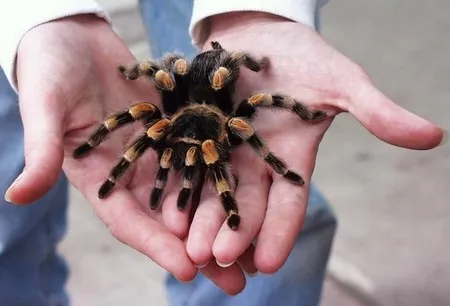
While tarantulas are venomous, their bites are generally not considered deadly to humans. The venom is used to subdue prey, and the effects on humans are typically similar to a bee sting. Symptoms can include localized pain, swelling, and redness. Some individuals may experience allergic reactions, but severe reactions are rare. Most species are not aggressive and will only bite if provoked or threatened. It’s crucial to handle tarantulas with care and avoid handling them unnecessarily, preventing accidental bites. Seek medical attention if any severe symptoms arise. Tarantula venom composition and potency vary by species.
Amazing Fact 5: Tarantulas Undergo Molting
Molting is a crucial process for tarantulas, allowing them to grow and replace their exoskeleton. During molting, the tarantula sheds its outer layer, revealing a new, larger exoskeleton underneath. This process is essential for growth. It is a vulnerable period, as the tarantula’s new exoskeleton is soft and fragile. The frequency of molting decreases as the tarantula matures. It is a complex and fascinating process that reveals a lot about these creatures. Molting also allows tarantulas to regenerate lost limbs and replace any damaged body parts. This biological process shows why they are such an extraordinary creature.
The Molting Process Explained
Before molting, the tarantula stops eating and often retreats to a secluded area. It then creates a soft layer between its old and new exoskeletons. The spider then flips over on its back. It wriggles and strains to split open the old exoskeleton. The new exoskeleton emerges. This process can take several hours or even days. After molting, the tarantula remains in a vulnerable state. It takes several days for the new exoskeleton to harden. Avoid disturbing the tarantula during and immediately after the molting process. Providing a safe and secure environment will help the process go smoothly.
Signs of an Imminent Molt

Several signs indicate that a tarantula is about to molt. The abdomen may appear dark and shiny. The tarantula may stop eating and become less active. You might notice a change in the tarantula’s posture and behavior. Sometimes, the tarantula will construct a web mat in preparation for molting. The tarantula may appear lethargic and spend more time hiding. If you notice these signs, provide the tarantula with a quiet and stable environment. This is the best way to ensure a successful molt. Avoid disturbing the tarantula or its enclosure. A moist environment also aids in the molting process.
Amazing Fact 6: Tarantulas Come in Various Colors
Tarantulas are known for their diverse and often striking colors, ranging from vibrant blues and reds to earthy browns and blacks. Coloration serves various purposes, including camouflage, attracting mates, and warning predators. The specific colors and patterns vary depending on the species, habitat, and even age of the individual. The striking colors of many tarantula species make them attractive pets. Their beauty makes them a desirable pet. The variety in color is a testament to the diversity of this spider family.
Factors Determining Tarantula Coloration
Several factors influence tarantula coloration. Pigment cells, or chromatophores, within the exoskeleton contribute to their colors. The specific pigments present determine the colors and patterns. The environment also plays a role, with some species adapting their coloration to blend with their surroundings. Diet and genetics also influence the color, providing even more variety. Age can also influence the appearance of a tarantula, as they molt and their colors may shift. The color of tarantulas depends on multiple factors that combine to create a unique appearance.
Popular Tarantula Colors and Patterns

Some of the most admired tarantulas include the cobalt blue tarantula, with its striking metallic blue coloration, and the Mexican red knee tarantula, known for its vibrant red and black markings. Other popular species include the Gooty sapphire ornamental, with its beautiful blue legs, and the Greenbottle Blue tarantula, which has metallic green and blue hues. These species exhibit a wide range of colors and patterns. These patterns are not only visually stunning, but they can also serve as a way to identify different species. The patterns and colors of the tarantula make them a delight to own.
Amazing Fact 7: Tarantulas are Kept as Pets
Tarantulas are popular pets for various reasons. Their relatively docile nature, impressive size, and unique appearance make them attractive to many people. Owning a tarantula can be a rewarding experience, providing an opportunity to learn about these fascinating creatures. They require specific care, including proper habitat, diet, and handling. Understanding their needs is essential for responsible ownership. These animals can be a very rewarding experience for the right pet owner. Keeping a tarantula can be a great learning experience.
Responsible Tarantula Ownership
Responsible tarantula ownership involves several key practices. Researching the specific species you plan to acquire is crucial to understand its needs. Providing a suitable habitat, with appropriate temperature, humidity, and substrate, is essential for their well-being. Feeding the tarantula a proper diet and avoiding overhandling are also critical. Always practice caution when handling a tarantula. Wash your hands before and after handling. Handling your tarantula should be kept to a minimum. It is also important to be prepared to provide the tarantula with the care it needs for its entire lifespan.
Caring for a Tarantula
Caring for a tarantula requires dedication and attention. The enclosure should be the appropriate size for the species. The temperature and humidity levels must be maintained. Fresh water should always be available. The enclosure should be cleaned regularly to prevent the buildup of waste and mites. The diet should be appropriate for the species. Tarantulas may need different foods depending on the species. Regular observation of the tarantula is essential. The signs of illness or molting should be noted. Providing a safe, clean, and enriching environment is crucial for your tarantula’s well-being. Proper care will lead to a happy and healthy pet.