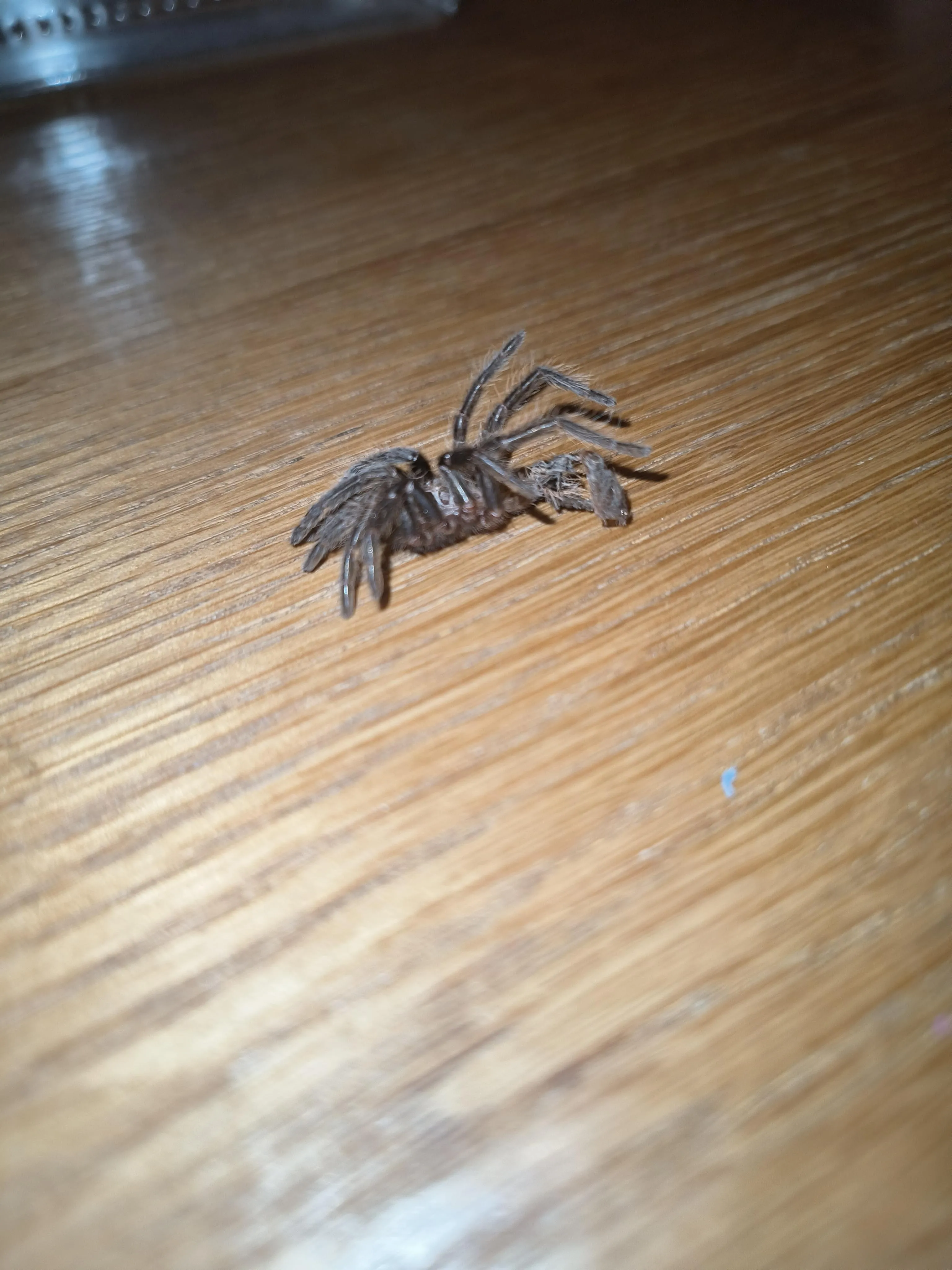
What is the Tarantula Molt Cycle?
The tarantula molt cycle is a fascinating and crucial process in the life of these amazing arachnids. It’s how a tarantula grows, replacing its old exoskeleton with a new, larger one. Think of it like a snake shedding its skin, but much more involved. This guide for beginners will break down every aspect of this complex process, from understanding why it happens to what you need to do to care for your tarantula during and after molting. Knowing the ins and outs of this cycle is essential for any tarantula owner, ensuring the health and well-being of your pet. This process is not just about growth; it’s a complete renewal, allowing the tarantula to replace lost limbs, repair injuries, and simply get bigger and stronger.
Understanding the Process
The tarantula’s exoskeleton, made of chitin, is a rigid structure that provides protection but doesn’t allow for growth. As the tarantula grows, it must shed this exoskeleton to reveal a new, larger one underneath. This process, called molting, is a delicate and energy-intensive one. Before molting, the tarantula forms a new, soft exoskeleton beneath its old one. Enzymes are released to detach the old exoskeleton, and the tarantula essentially wriggles out of its old skin, leaving behind a perfect replica of itself. The new exoskeleton is initially soft and vulnerable, gradually hardening over several days or weeks. During this time, the tarantula is especially susceptible to injury. The tarantula’s new exoskeleton houses a whole new layer of internal and external features, and this is the key to understand the cycle.
Why Do Tarantulas Molt?

Molting serves several critical purposes. Primarily, it allows the tarantula to grow. The exoskeleton, being rigid, limits the tarantula’s size. Secondly, molting allows the tarantula to regenerate lost limbs or repair damage to its body. If a leg is lost or damaged, it can often regrow during a molt. Finally, molting removes parasites and waste products that accumulate on the exoskeleton. It’s a complete renewal, ensuring the tarantula remains healthy and functional. This is part of the natural life cycle of all arthropods that have a rigid exoskeleton that does not permit growth.
Reasons for Molting
The primary reason for molting is to facilitate growth. Since tarantulas have a hard exoskeleton, they cannot grow without shedding their old one. As they mature, the frequency of molting decreases. Other reasons include regenerating lost limbs or repairing damaged ones, as new limbs or repaired parts grow during the molting process. Another critical reason is to get rid of parasites and accumulated waste. Molting eliminates any external parasites that might be attached to the exoskeleton and removes any built-up waste products. A final reason is to keep the tarantula’s body clean and healthy.
How Often Do Tarantulas Molt?
The frequency of molting varies greatly depending on the tarantula’s age, species, and environmental conditions. Younger tarantulas, especially spiderlings, molt much more frequently, sometimes every few months. As they mature, the molting frequency decreases. Adult tarantulas may only molt once a year, or even less. The growth rate is also a significant factor – faster-growing species will molt more often, and slower-growing species will molt less often. The environment (temperature, humidity, and food availability) affects the molting cycle. The younger the tarantula, the more often you should expect molting to occur.
Factors Influencing Molting Frequency

Several factors influence how often a tarantula molts. The most significant factor is age. Spiderlings molt frequently, while adults molt much less often. The species of tarantula also plays a role; some species grow faster than others. Environmental factors are also critical. Proper temperature and humidity levels, along with a healthy diet and adequate hydration, will promote healthy molting cycles. Poor conditions can stress the tarantula and disrupt the molting process. Genetics also play a role. Some tarantulas may be predisposed to molt more or less frequently than others. These factors need to be considered to ensure the tarantula is healthy.
Signs Your Tarantula is About to Molt
Recognizing the signs that your tarantula is about to molt is essential for providing the right care. Look for these indicators. A tarantula that is about to molt will often stop eating. It may refuse food for several weeks before the molt. The abdomen may appear darker and swollen, as the new exoskeleton forms underneath. The tarantula may become less active, spending more time in its burrow or hiding spot. You might notice the tarantula lying on its back, a common position for molting. The old exoskeleton may begin to look dull and faded. If you observe several of these signs, your tarantula is likely preparing to molt.
Behavioral Changes
Behavioral changes are a key indicator that a tarantula is preparing to molt. The tarantula’s activity level will decrease; it becomes less active and spends more time hiding. It might seal off its burrow or retreat into a secure location. Loss of appetite is also a primary sign. The tarantula will stop eating and may refuse food completely. Changes in temperament may also be observed. Some tarantulas become more irritable or defensive during this time. These behavioral shifts are normal and indicate the tarantula is preparing for the molt. Observe these behavioral changes to provide a suitable environment and avoid disturbing the tarantula.
Physical Changes

Alongside behavioral changes, physical changes are also evident when a tarantula prepares to molt. The abdomen often appears darker and may look swollen or distended as the new exoskeleton develops. You may notice a distinct color change, with the old exoskeleton appearing duller. In some species, the tarantula’s bald spot (on the abdomen) may darken. Look closely at the fangs; new, softer fangs are forming. These physical changes are signals that the molting process is imminent. These physical changes are essential indicators that your tarantula is preparing to molt, allowing you to prepare and provide it with an appropriate environment.
Setting Up for a Successful Molt
Creating the right environment is crucial for a successful molt. Ensure the enclosure has the appropriate temperature and humidity levels for the tarantula’s species. Maintain a clean and undisturbed environment to minimize stress. Provide a substrate that allows the tarantula to burrow, which helps the molting process. Make sure the enclosure is free of any potential hazards, such as sharp objects, that could harm the tarantula during the molt. Avoid disturbing the tarantula while it is molting. Patience and preparation are essential in this stage. This preparation sets the stage for a successful and healthy molt.
Providing the Right Environment
The environment plays a crucial role in ensuring a smooth molt. Maintain the correct temperature for the tarantula species. Most tarantulas thrive in temperatures between 75-85°F (24-29°C). Keep the humidity levels appropriate for the species; some species need more humidity than others. Provide a substrate that the tarantula can burrow into, such as a mixture of coco fiber, peat moss, and vermiculite. Ensure the enclosure is clean and free of any hazards. Minimize disturbances during this sensitive period. Providing the right environment significantly reduces stress and supports a healthy molt.
Feeding Adjustments

Feeding your tarantula appropriately before, during, and after the molt is essential. If your tarantula is about to molt, it will likely stop eating. Do not force-feed it. Remove any uneaten prey items from the enclosure. After the molt, wait several days before offering food to allow the new exoskeleton to harden. Start with small, easily digestible prey items, such as small crickets or mealworms. Gradually increase the size of the prey as the tarantula recovers. Overfeeding can stress the tarantula, and underfeeding can prevent it from obtaining the energy it needs to molt successfully. The right feeding approach is critical to the tarantula’s recovery.
The Molting Process Step-by-Step
The molting process is a fascinating transformation. First, the tarantula prepares by creating a new exoskeleton under its old one. The old exoskeleton detaches from the underlying tissue. The tarantula then positions itself, often on its back, and begins to wriggle out of its old skin. This process can take several hours. The tarantula gradually extracts itself, leaving behind a perfect replica of its former self. Once free, the tarantula is soft and vulnerable. It will remain in a secluded position until its new exoskeleton hardens. Careful observation helps you understand what is going on. The tarantula is incredibly vulnerable during this phase of its life.
Pre-Molt Stage
The pre-molt stage is characterized by several key indicators. The tarantula will typically stop eating, sometimes weeks before molting. The abdomen may appear darker and more swollen. The tarantula might become less active, spending more time in its burrow. You may notice the tarantula preparing its molting area by creating a web mat or choosing a secluded spot. Being aware of these signs allows you to prepare the enclosure. Avoiding disturbance is the most crucial thing you can do for your pet. Observe and wait for the molting process to begin.
The Molt Itself

The molting itself is a remarkable event. The tarantula will usually lie on its back to begin the process. It will start to wriggle and contort its body, pushing and pulling to shed its old exoskeleton. This can take several hours. The old exoskeleton will split open, typically along the carapace (the top shell). The tarantula will then gradually pull itself out, leaving behind its old skin. The new exoskeleton is initially soft and white. Once free of the old skin, the tarantula remains in a vulnerable state until the new exoskeleton hardens. Avoid any disturbance, and let the process occur naturally.
Post-Molt Care
Post-molt care is crucial for your tarantula’s recovery. Leave the tarantula undisturbed for several days to allow its new exoskeleton to harden fully. The tarantula is extremely vulnerable during this period. Do not handle the tarantula or introduce any potential hazards into the enclosure. Provide fresh water in a shallow dish. Once the exoskeleton has hardened, you can offer food. Start with small, soft prey items to avoid stressing the tarantula. Gradually increase the size of the prey as the tarantula regains its strength. The correct care following a molt ensures your tarantula’s health.
What to Do After the Molt
After the molt, a few key steps will help your tarantula recover. Do not handle the tarantula for at least a week to allow the exoskeleton to harden. Provide fresh water. Observe the tarantula for any signs of problems. The old exoskeleton can be removed from the enclosure once the tarantula has fully hardened. Offer the tarantula food, starting with small, easily digestible prey items. The old exoskeleton is a fascinating thing and can be inspected closely. Take the time to observe your pet and ensure that it has everything it needs.
How Long to Wait

It’s essential to be patient after a tarantula molts. Wait at least a week, and sometimes longer, before attempting to handle your tarantula. The exact time depends on the size and species of the tarantula, and the environmental conditions. The new exoskeleton needs time to fully harden. Observe the tarantula’s behavior and activity levels. When the tarantula starts to move around normally and shows interest in food, it is a sign that the exoskeleton is sufficiently hardened. Patience is a virtue with tarantulas. Never handle your tarantula immediately after it has molted; it is very vulnerable at this time.
Common Molting Problems & Solutions
Although molting is a natural process, sometimes problems can arise. The most common issues include stuck molts, where the tarantula has difficulty shedding its old skin. This can be caused by low humidity, poor environmental conditions, or health problems. Another problem is leg loss during the molt. If a leg gets stuck, the tarantula may detach it to escape. Providing the right environment is essential. Address any issues promptly. If you are facing problems, seek expert advice from a veterinarian. Understanding and knowing the risks will help you deal with your tarantula.
Stuck Molts
A stuck molt is a serious problem where the tarantula struggles to shed its old exoskeleton. This can be caused by low humidity, which makes the old skin too dry and difficult to shed. It can also be caused by poor environmental conditions. In extreme cases, it can be caused by health problems. If you suspect a stuck molt, increase the humidity in the enclosure. Gently mist the enclosure, but avoid spraying the tarantula directly. Seek expert advice if the problem persists. Preventative care is crucial, which involves providing proper humidity, a clean environment, and a healthy diet.
Leg Loss During Molt
Leg loss can occur during the molt if a leg gets stuck in the old exoskeleton. This can happen due to various issues. This is a serious problem, but tarantulas can often regrow lost limbs during subsequent molts. If a leg is lost, ensure the enclosure is free of sharp objects. Provide a well-maintained environment to promote healing. The tarantula may appear weaker than usual. Offer food after a reasonable period. It can take several molts for the limb to fully regenerate. Provide proper care and monitor your tarantula closely.
Conclusion
Understanding the tarantula molt cycle is critical for responsible tarantula ownership. By knowing the signs of an upcoming molt, providing the right environment, and recognizing potential problems, you can ensure your tarantula has a healthy and successful molting experience. Remember to be patient and observant. With proper care, your tarantula will thrive, molting regularly and growing into a strong, healthy specimen. Knowing the tarantula molt cycle will keep you from unnecessary worry. This guide equips you with the knowledge and skills to provide the best possible care for your amazing arachnid friend.