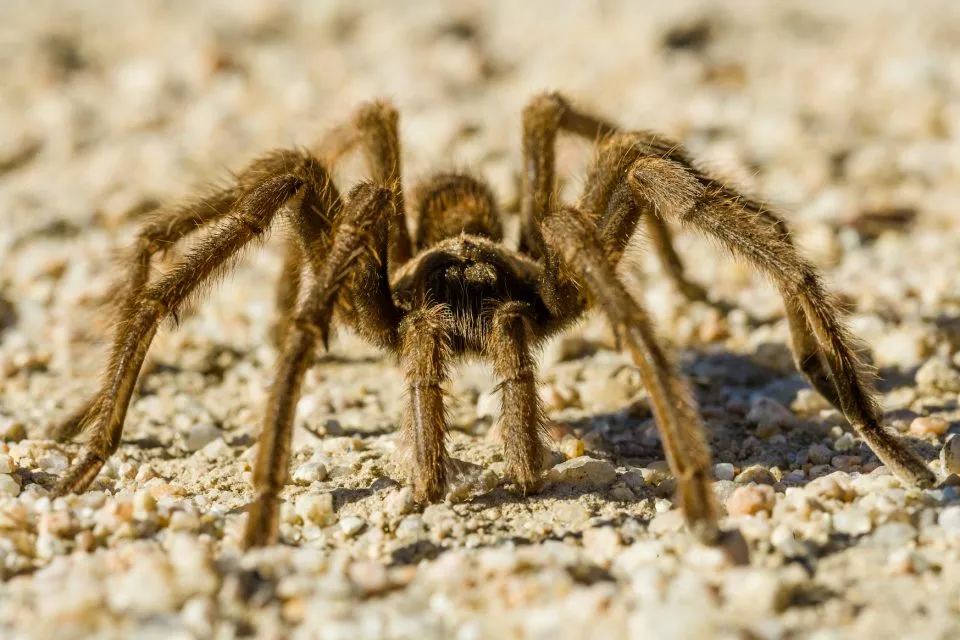
What is the Kansas Tarantula Migration?
The tarantula migration in Kansas is a remarkable natural phenomenon. Every year, during a specific time, thousands of tarantulas, primarily the Oklahoma brown tarantula (Aphonopelma hentzi), embark on a journey. This migration is not random; it’s a crucial part of their life cycle, driven by the need to mate. The sight of these large, hairy spiders moving across the landscape is both captivating and a testament to the enduring power of nature. These creatures, often misunderstood, play a vital role in the ecosystem. Understanding this migration allows us to appreciate the intricate balance of nature and the importance of preserving these fascinating arachnids and their habitat. Observing this event is a unique opportunity to witness wildlife behavior up close, fostering a deeper connection with the natural world and dispelling common misconceptions about spiders.
Understanding Tarantula Behavior
To truly appreciate the migration, it’s essential to understand tarantula behavior. Tarantulas are generally solitary creatures, spending most of their lives in burrows or under rocks. They are nocturnal hunters, feeding on insects and occasionally small vertebrates. The males, however, have a shorter lifespan than females, primarily focused on reproduction. During the mating season, male tarantulas leave their burrows in search of a mate. This search is what fuels the migration, with males traveling considerable distances to find receptive females. They use their sense of smell to locate females, often following pheromone trails. The behavior of these spiders is highly influenced by environmental factors, such as temperature and humidity, which play a significant role in triggering the migration. This behavioral understanding helps us appreciate the complexities of their life cycle and the natural instincts that drive their actions during this period.
The Mating Ritual

The mating ritual of tarantulas is a delicate and fascinating process. Once a male finds a female, he must carefully approach her, often drumming on the ground or vibrating his legs to signal his intentions. The male must also avoid being mistaken as prey. If the female is receptive, the mating begins. The male uses special structures on his pedipalps (small appendages near the mouth) to transfer sperm to the female. This process is crucial for the continuation of their species. After mating, the male’s fate is uncertain; he may be eaten by the female or escape to find another mate. The female, if successful, will lay eggs in a silken egg sac, which she diligently protects. The mating ritual is a captivating spectacle of survival, instinct, and the continuation of life.
What Triggers Migration?
Several factors trigger the tarantula migration in Kansas. Primarily, the migration is driven by the mating season, which usually occurs in late summer and early fall. The males, having matured, are driven by their instincts to seek out females. Temperature plays a significant role; warmer temperatures often stimulate activity, making the spiders more likely to emerge from their burrows. Rainfall and humidity levels can also influence the timing of the migration. After a good rain, the ground becomes easier for the spiders to navigate. Light conditions, specifically the decreasing daylight hours of late summer, also contribute to the migratory behavior. The interplay of these environmental cues ensures that the tarantulas embark on their journey when conditions are most favorable for mating and survival. Understanding these triggers helps in predicting and observing the migration, allowing enthusiasts to plan their viewing accordingly.
When and Where Does the Migration Occur?
The tarantula migration in Kansas typically occurs from late August through October, with the peak usually in September. The exact timing can vary slightly each year, depending on weather conditions. The migration primarily takes place in the grasslands and open areas of Kansas, particularly in the central and southern regions of the state. Popular locations include areas around the Flint Hills and other regions with suitable habitats. The spiders can often be seen crossing roads, trails, and open fields. When planning to observe the migration, it’s important to be aware of the specific locations known to be active migration zones and to monitor the weather forecasts to anticipate the best viewing times. Being prepared allows enthusiasts to have the best possible chance of witnessing this amazing natural event.
Timing of the Migration

The timing of the tarantula migration is crucial for observation. The migration usually begins in late August, as the weather begins to cool slightly. The peak of the migration generally occurs in September, when the males are most actively searching for mates. The migration can continue into October, depending on the weather conditions. The best time of day to spot tarantulas during the migration is often in the late afternoon and early evening, as the sun sets and the spiders become more active. Monitoring local weather reports and observing conditions in the field can help to pinpoint the most active periods. Being patient and persistent often pays off, as witnessing the migration is an unforgettable experience.
Best Locations to Witness the Migration
Several locations in Kansas are particularly well-known for tarantula migration viewing. The Flint Hills region is a popular destination, offering vast grasslands that are prime habitats for the spiders. Other areas in central and southern Kansas, such as the Red Hills and open prairie landscapes, also provide good viewing opportunities. Observing the migration often requires exploring rural roads and trails, where spiders are likely to be encountered. It’s important to respect private property and follow all local regulations when exploring. Check online forums and local nature groups for current information about the best spots and recent sightings. Being prepared with the right gear, such as sturdy shoes, appropriate clothing, and a flashlight, will make the experience more enjoyable and safe.
Top 5 Facts about the Kansas Tarantula Migration
Fact 1

The migration is driven by the males’ search for mates. This instinctual behavior is the primary reason thousands of tarantulas venture out each year, showcasing nature’s powerful drive for reproduction.
Fact 2
The Oklahoma brown tarantula (Aphonopelma hentzi) is the most common species seen during the migration in Kansas. This species is well-adapted to the state’s climate and environment.
Fact 3
The migration usually occurs from late August to October, with the peak activity in September. Weather conditions significantly impact the timing and intensity of the migration, with warmer temperatures and rainfall often stimulating greater activity.
Fact 4

Male tarantulas can travel significant distances during the migration, sometimes several miles, in their search for a mate. Their journeys are a testament to their endurance and dedication.
Fact 5
While the tarantulas are venomous, their bite is generally not considered dangerous to humans. They are more likely to run away than bite, unless they feel threatened. It’s best to observe them from a safe distance and respect their space. (kansas-tarantula-migration-safety.webp)
Tips for Observing the Migration
If you plan to witness the tarantula migration, there are a few tips to enhance your experience. First, choose your location carefully, focusing on the known migration areas. Second, pay attention to the weather forecast, as the spiders are more active in favorable conditions. Third, wear appropriate clothing, including sturdy shoes, long pants, and possibly long sleeves, as you will be in the outdoors. Fourth, bring a flashlight, as the best viewing times are often in the evening. Finally, be patient and observant, as the spiders can be difficult to spot. By following these simple tips, you will significantly increase your chances of seeing the migration and having a memorable experience.
Safety Precautions

Safety is paramount when observing the tarantula migration. Always maintain a safe distance from the tarantulas; though their venom is not highly dangerous, their bite can be painful. Avoid handling the spiders, as they may bite if they feel threatened. Be aware of your surroundings, and watch for other potential hazards, such as uneven terrain or other wildlife. Inform someone of your plans before you go, and consider going with a friend or group. Carry a first-aid kit in case of any minor injuries. Finally, be aware of ticks and other insects that may be present in the areas you are visiting, and take appropriate precautions against them. Your safety will make your experience enjoyable and safe.
Respecting Wildlife
Respecting wildlife is essential when observing the tarantula migration. Avoid disturbing the tarantulas or their habitats. Do not attempt to capture or handle the spiders. Leave the area as you found it, and pack out everything you pack in. Refrain from using flash photography directly at the spiders, as this may disturb their natural behavior. Stay on marked trails or roads to minimize your impact on the environment. Educate yourself and others about the importance of conservation, and encourage sustainable practices. By respecting the wildlife and their habitat, you contribute to the preservation of this unique natural phenomenon for future generations.
The Future of Tarantula Migration in Kansas
The future of the tarantula migration in Kansas depends on maintaining the health of their habitats. Protecting grasslands and open areas from habitat destruction is critical. Conservation efforts that promote biodiversity and reduce human impact are essential to ensure the spiders’ survival. Educating the public about tarantulas and their role in the ecosystem is another important step. Climate change could potentially affect the timing and intensity of the migration, making monitoring and research of tarantula populations crucial for long-term conservation. By working together to preserve the environment, we can ensure that this fascinating natural event continues to occur for many years to come.