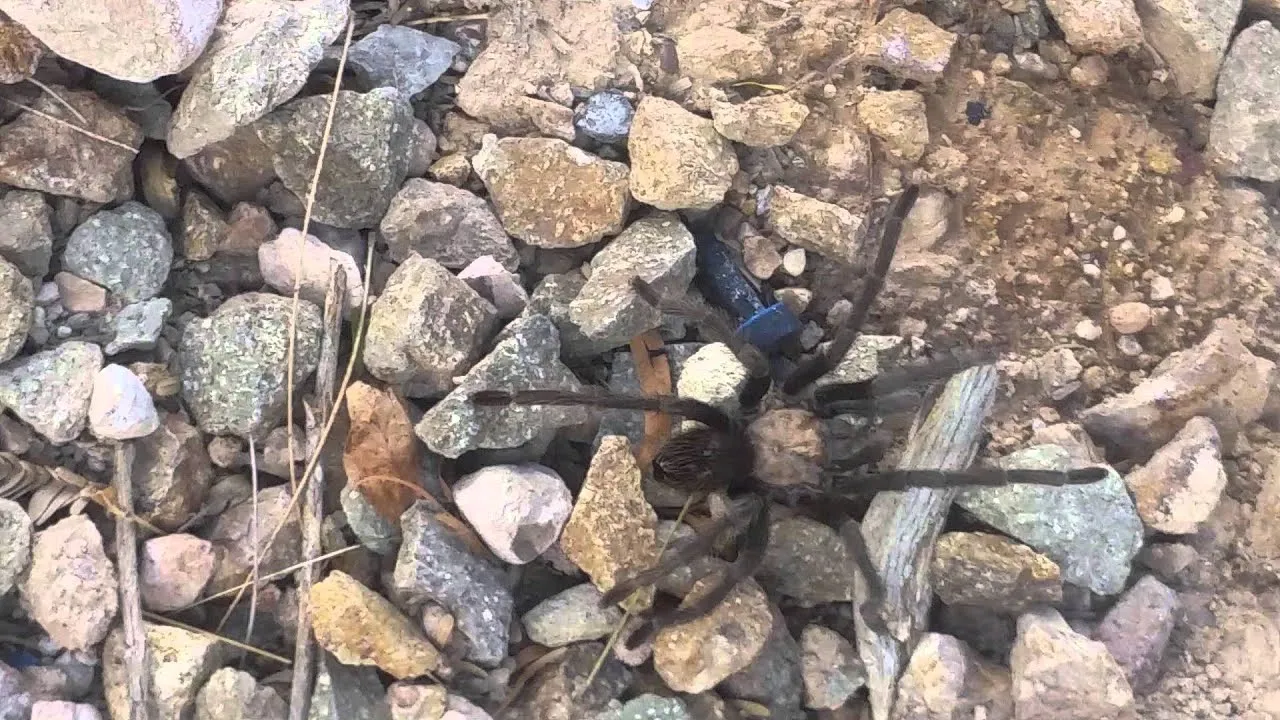
Tarantula Hawk vs Tarantula [The Epic Battle]
The natural world is filled with incredible battles of survival, and few are as dramatic or awe-inspiring as the clash between the tarantula hawk and the tarantula. This epic showdown, often captured in fascinating YouTube videos, showcases the raw power, cunning strategies, and sheer determination of these two formidable creatures. The tarantula hawk, a wasp species, is one of the largest and most powerful wasps on Earth, known for its ability to paralyze and then utilize tarantulas as hosts for its larvae. The tarantula, a large, hairy spider, is a formidable predator in its own right, equipped with venomous fangs and a defensive posture. This article delves into the biology, behaviors, and strategies of these fascinating creatures, leading up to the inevitable and thrilling battle between them.
What is a Tarantula Hawk?
Appearance and Characteristics

Tarantula hawks are easily recognizable by their striking appearance. They possess a vivid, metallic blue-black body and rusty orange wings, making them a true spectacle in the insect world. The females are larger than the males, with a body length that can reach up to 2 inches. They have powerful legs and mandibles, which are essential for their hunting and nesting behaviors. Their sting is considered one of the most painful in the world, but thankfully, it is used primarily for subduing their prey and not for aggression towards humans, unless threatened. The size of the wasp alone is enough to intimidate most creatures, but its natural abilities are what make it such a force.
Habitat and Distribution
These impressive wasps are found in various habitats, primarily in arid and semi-arid regions of the world. They are most commonly seen in the southwestern United States, but can also be found in parts of South America and other regions where tarantulas are present. Their preferred habitats include deserts, grasslands, and open woodlands, where they can find both tarantulas and suitable locations for nesting. They are solitary creatures, with each female constructing her own nest and hunting independently. Their geographical distribution directly correlates with the presence of their primary prey, the tarantula. The adaptability of the tarantula hawk allows it to survive in diverse environments, making it a successful predator in its niche.
Diet and Hunting Strategies
The diet of a tarantula hawk is quite specific; it primarily consists of tarantulas, which they use as a host for their larvae. The hunting strategy is a complex and fascinating display of predatory behavior. The female tarantula hawk will locate a tarantula, often in its burrow, and engage it in a battle. The hawk will attempt to paralyze the tarantula with a sting to one of its nerve centers. Once the tarantula is immobilized, the hawk drags it back to a pre-existing burrow or digs a new one, where it lays a single egg on the spider’s abdomen. The larva then hatches and consumes the tarantula from the inside out, providing a gruesome but effective meal. The hunt can be a long process, as the wasp must be prepared for the tarantula’s defenses.
What is a Tarantula?

Appearance and Characteristics
Tarantulas are large, hairy spiders belonging to the Theraphosidae family. They are characterized by their robust bodies, long legs, and the presence of fangs used for injecting venom. Tarantulas come in a wide variety of sizes and colors, ranging from relatively small species to giants with leg spans exceeding 10 inches. Their bodies are covered in sensory hairs that help them detect movement and vibrations. They are primarily nocturnal hunters, using their keen senses to ambush prey. The diversity in the tarantula population is what makes these creatures so interesting to observe. Different species will behave differently and will have varied characteristics.
Habitat and Distribution
Tarantulas inhabit a wide range of environments, including tropical rainforests, deserts, grasslands, and even suburban areas. They are found on every continent except Antarctica. They are often found in burrows, under rocks, or in other sheltered locations where they can ambush prey. The specific habitat preferences vary depending on the species. They have adapted to their surrounding climates, and can be found living in various climates. Their ability to survive in numerous regions of the planet is one of the reasons they are such an interesting creature to study.
Behavior and Lifestyle

Tarantulas are generally solitary creatures, except during mating season. They are ambush predators, relying on their camouflage and stealth to capture prey. Their diet consists primarily of insects, but they will also eat small lizards, rodents, and other invertebrates. They have a relatively long lifespan, with females often living for over 20 years in the wild. They molt periodically, shedding their exoskeleton to allow for growth. Their slow movement and patient hunting style give them their distinctive behavior. Despite their intimidating appearance, tarantulas are generally not aggressive towards humans unless provoked.
The Showdown Tarantula Hawk vs Tarantula
The Hunt Begins
The battle between a tarantula hawk and a tarantula is a thrilling spectacle. The hunt begins when the female tarantula hawk identifies a tarantula, either by sight or through sensing vibrations. She will then approach the tarantula, often cautiously, to assess its size and potential threat. The hawk is fully aware of the risks involved, as the tarantula can inflict a painful bite and defend itself using its fangs and urticating hairs. The location of the hunt can vary, but it most often occurs near the tarantula’s burrow or in open ground where the hawk has more maneuverability. The tarantula hawk will use any advantage it can.
The Tarantula Hawk’s Tactics

The tarantula hawk employs a variety of tactics to subdue its prey. It will use its agility and speed to avoid the tarantula’s fangs and attempt to sting it in a vulnerable location. The sting contains a potent venom that paralyzes the spider, rendering it helpless. The hawk often targets the nerve centers or joints of the tarantula, ensuring that the venom takes effect quickly. The fight can be a test of endurance, with the hawk dodging attacks and attempting to get the perfect sting. Once the tarantula is paralyzed, the hawk can move on to the next step of its mission.
The Tarantula’s Defense
The tarantula, though often seen as the prey, is not defenseless in this encounter. It can fight back using its large fangs to bite and its urticating hairs to irritate the hawk. Some tarantulas also possess the ability to flick these hairs towards the predator, causing significant discomfort. The tarantula will try to defend itself by rearing up, attempting to bite and striking at the hawk. The outcome of the battle often depends on the size and species of both the tarantula and the tarantula hawk, as well as the terrain where the battle takes place. The tarantula’s ability to fend off the hawk, even for a short time, can be crucial for its survival.
The Outcome of the Battle
The ultimate outcome of the battle depends on a variety of factors. In most cases, the tarantula hawk will be victorious, using its superior strength and stinging ability to paralyze the spider. However, there are instances where the tarantula can successfully defend itself, causing the hawk to retreat or even killing it. The fight can be a prolonged and intense struggle, with each creature using its strengths to the fullest. If the hawk is successful, it will drag the paralyzed tarantula to a burrow, where it will lay an egg on its abdomen, and the life cycle of the tarantula hawk will continue. If the tarantula manages to fend off the hawk, it can survive, at least temporarily.
Tarantula Hawk vs Tarantula [The Aftermath]

The Tarantula Hawk’s Lifecycle
After the battle and the tarantula is paralyzed, the tarantula hawk’s work is far from over. It will drag the spider, sometimes over considerable distances, to a pre-existing burrow or dig a new one. The hawk then lays a single egg on the tarantula’s abdomen. The egg hatches, and the larva begins to feed on the paralyzed spider, consuming it from the inside out. Once the larva has fully developed, it pupates inside the spider’s body and eventually emerges as a new tarantula hawk. This life cycle is a testament to the specialized predatory adaptations of this wasp. The circle of life continues for the tarantula hawk as it will restart the process all over again.
The Importance of the Battle
The battle between the tarantula hawk and the tarantula is an important part of the ecological balance of the environments where they live. This interaction plays a crucial role in the population control of both species. This predator-prey relationship demonstrates the intricacies of nature and how survival is constantly being tested. The tarantula hawk is a specialist predator, and its presence in the ecosystem indicates a healthy tarantula population. YouTube videos and other documentaries which capture this battle provide fascinating insights into the complex web of life and the survival strategies of both the tarantula hawk and the tarantula. It serves as an example of natural selection at work.
Conclusion

The tarantula hawk vs tarantula showdown is an incredible display of nature’s raw power, survival strategies, and the intricate dance of life and death. These encounters, often captured in compelling YouTube videos, offer a glimpse into the fascinating world of insects and arachnids. The tarantula hawk, with its striking appearance and potent sting, and the tarantula, with its defensive mechanisms and predatory skills, are two of the most remarkable creatures in their respective environments. Understanding their interactions provides valuable insights into the complexity of ecosystems and the constant struggle for survival that shapes the natural world. Whether you’re fascinated by the predator or the prey, the ultimate showdown between the tarantula hawk and the tarantula remains an unforgettable testament to the wonders of nature.