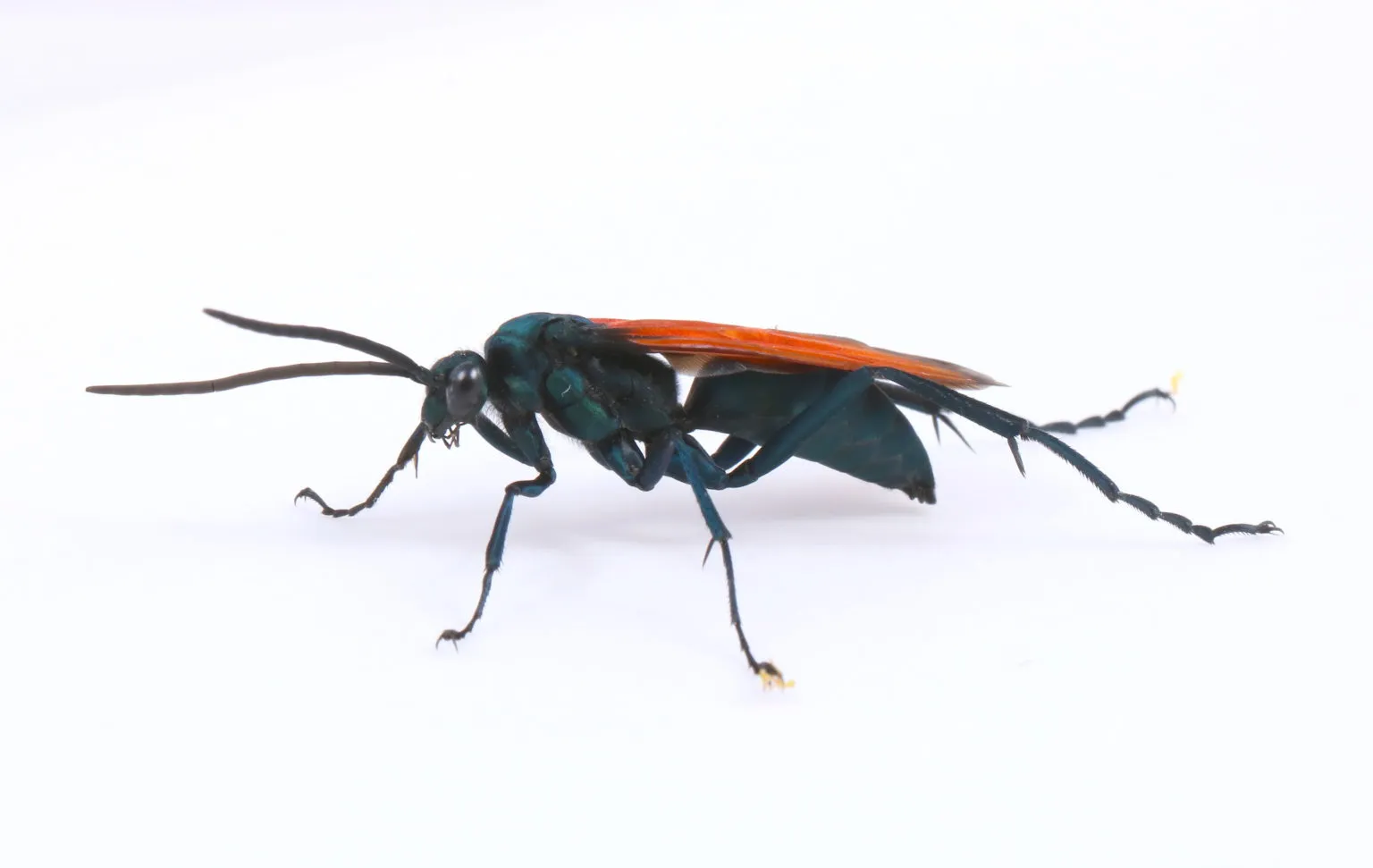
What is a Tarantula Hawk
The tarantula hawk is a large, vividly colored species of spider wasp, recognized for its excruciatingly painful sting and its unique hunting behavior. These wasps belong to the Pompilidae family and are renowned for their predatory relationship with tarantula spiders. They are not only fascinating from a biological perspective but also play a vital role in their ecosystems, controlling the populations of large spiders. Understanding the tarantula hawk is key to appreciating the complex web of life in the arid and semi-arid regions where they thrive, and their story offers a glimpse into the remarkable adaptations of the natural world. These wasps are a remarkable example of specialized predators.
Appearance and Identification
Tarantula hawks are easily identifiable due to their striking appearance. They typically have a black or dark blue body coupled with vibrant orange or rust-colored wings. The body length can range from 1 to 2 inches, making them among the largest wasps in the world. The combination of their size and vivid coloration serves as a warning to potential predators, advertising their potent sting. The long legs, essential for their hunting prowess, contribute to their overall imposing appearance. Their antennae and robust build are specifically adapted for detecting and handling tarantulas, making them easily recognizable in their natural habitat. The distinct color patterns can vary slightly depending on the species and geographic location, but the general appearance remains consistent.
Habitat and Distribution

These wasps are predominantly found in arid and semi-arid regions of the world. Their habitats include deserts, grasslands, and open woodlands where tarantulas are abundant. They are particularly prevalent in the southwestern United States, Mexico, and parts of South America. The tarantula hawk’s distribution is directly linked to the presence of its prey, the tarantula. They require warm climates and areas where tarantulas can build burrows or live in accessible locations. The availability of nectar sources, essential for the adult wasps’ diet, also influences habitat selection. They favor areas with flowering plants that provide this crucial resource. The specific habitats vary slightly depending on the species, but the common thread is a warm, dry environment conducive to tarantula populations.
Understanding Tarantula Hawk Lifespan
The lifespan of a tarantula hawk is a crucial aspect of understanding these fascinating insects. Their life cycle is intricately tied to the availability of food and their ability to find and parasitize tarantulas. The total lifespan, from egg to death, can vary based on environmental conditions and the availability of prey. The different stages of their life cycle impact the overall longevity, with some stages being more vulnerable than others. Analyzing their lifespan helps in understanding their ecological roles, the impact of environmental changes on their populations, and their adaptability to changing conditions. This knowledge also aids in effective conservation efforts.
Average Lifespan in the Wild
The average lifespan of a tarantula hawk in the wild is generally estimated to be a few months, often ranging from several weeks to a few months. Adult tarantula hawks have a relatively short lifespan, typically lasting through the warmer months. This is significantly influenced by their life cycle, including the time spent searching for and parasitizing tarantulas, mating, and laying eggs. Environmental factors such as temperature, availability of food sources (nectar for the adults), and the presence of suitable tarantulas affect the lifespan. The actual lifespan can also differ between males and females; females may live longer due to the energy demands of reproduction. Precise data collection is challenging, and studies on the lifespan are ongoing to get better insights.
Factors Affecting Lifespan

Several factors significantly impact the lifespan of tarantula hawks. These include access to food resources, the presence of predators, environmental conditions, and the successful completion of their reproductive cycle. A consistent supply of nectar, the primary food source for adult wasps, is vital for their survival. Predation from birds and other insects can also shorten their lifespan. Extreme weather conditions such as severe droughts or intense heat can negatively affect both the wasps and their tarantula hosts, thereby impacting their survival. Successfully parasitizing tarantulas and laying eggs is essential for the continuation of their species, which impacts the longevity of female wasps due to the energy demands of reproduction.
Diet and Nutrition
The diet of tarantula hawks varies depending on their life stage. Adult wasps primarily feed on nectar from flowers, providing the energy needed for flight, hunting, and reproduction. This nectar is crucial for their survival, as it provides the necessary carbohydrates. The larvae, however, have a very different diet. They feed on the paralyzed tarantula that the female wasp provides. This tarantula serves as a living food source for the developing larva, ensuring its survival and growth. This specialized diet reflects the wasp’s role as both a predator and a parasite, shaping its survival strategies. The adults’ need for nectar and the larvae’s dependence on the spider demonstrate the intricate relationship between these wasps and their environment.
Predators and Threats
Tarantula hawks, despite their formidable sting, face various predators and threats in their environment. Birds, particularly insectivorous species, are among the most common predators. Other threats include larger insects and spiders that may prey on them or their larvae. The parasitic nature of the wasp makes them vulnerable to other parasites that may affect their larvae. Environmental changes such as habitat loss, pesticide use, and climate change pose significant threats to tarantula hawks, reducing their food sources and suitable nesting grounds. These factors can disrupt the delicate balance of their ecosystems and impact their survival, necessitating conservation efforts to protect these unique insects.
The Tarantula Hawk Life Cycle

The life cycle of the tarantula hawk is a remarkable process, marked by distinct stages that involve parasitism, metamorphosis, and a complex interplay with its environment. Understanding this life cycle is essential to comprehending the wasp’s survival strategies and ecological role. The cycle begins with the adult female searching for a tarantula, which she then paralyzes with her sting. She then lays an egg on the spider’s abdomen, marking the start of the larval stage. From the egg, the larva hatches and feeds on the paralyzed tarantula. It develops and grows, eventually entering the pupal stage. The pupa then transforms into an adult tarantula hawk, completing the cycle.
Mating and Reproduction
Mating and reproduction in tarantula hawks is a critical process that occurs during the warmer months. Males actively seek out females, and the process may involve elaborate courtship rituals. After mating, the female wasp begins the search for a tarantula, which is essential for the survival of the next generation. The female’s reproductive system is intricately linked to her hunting and nesting behaviors. Her ability to find and paralyze a tarantula determines her reproductive success. The female wasp lays a single egg on the paralyzed tarantula. The availability of tarantulas and the female’s health and energy levels all play key roles in the reproductive success of tarantula hawks.
The Larval Stage and Development
The larval stage of the tarantula hawk is where the wasp exhibits its parasitic behavior. The larva hatches from the egg laid on the tarantula’s abdomen and begins to feed on the spider. The larva consumes the tarantula alive, starting with non-vital organs to keep the host alive as long as possible. It grows significantly during this phase, molting several times as it increases in size. The amount of food available (the size of the tarantula) determines the larva’s growth rate and eventual size. The larva develops within the tarantula’s body, protected from external threats until it reaches the pupal stage, where it transforms into its adult form.
Pupal Stage and Emergence

After the larval stage is complete, the tarantula hawk enters the pupal stage. The larva spins a cocoon within the remains of the tarantula, where it undergoes metamorphosis. During this stage, the larval body transforms into the adult form. This process can take several weeks or months, depending on environmental conditions such as temperature and humidity. The pupa is a vulnerable stage, susceptible to environmental factors and predation. The adult wasp emerges from the cocoon fully formed, ready to mate, feed on nectar, and start the cycle again. The emergence of the adult wasp marks the end of the life cycle and the beginning of its independent existence.
Tarantula Hawk Behavior and Activities
Tarantula hawks display a range of fascinating behaviors, most notably their hunting of tarantulas and their activities related to reproduction and survival. Their behaviors are intricately adapted to their lifestyle, including the use of their powerful sting, their ability to navigate their environment, and their interaction with other species. These activities are crucial for their survival and the continuation of their species. Their actions are driven by instinct and the need to reproduce, which is the core purpose of their life cycle. Understanding their behavior provides valuable insight into their ecological role and the complex interactions within their ecosystem.
Hunting and Paralyzation of Tarantulas
The hunting and paralyzation of tarantulas is the defining characteristic of the tarantula hawk. The female wasp meticulously searches for tarantulas, often finding them in their burrows or hiding places. Once a tarantula is located, the wasp engages in a dangerous fight, utilizing its powerful sting to paralyze the spider. The sting is incredibly painful, but the paralysis allows the wasp to drag the tarantula to a safe location, often a burrow or a sheltered area. The wasp then lays a single egg on the spider’s abdomen, beginning the cycle of parasitism. This hunting behavior is a remarkable example of predator-prey interaction, illustrating the wasp’s adaptations for survival and reproduction.
Other Activities and Behaviors

In addition to hunting tarantulas, tarantula hawks engage in several other activities. They forage for nectar from flowers, which provides essential energy for their flight and other activities. Males often exhibit territorial behaviors, defending areas where they can find mates. They are also involved in mating rituals, which can be complex. The wasps also engage in nest building, preparing areas for the egg-laying process. Their activity levels vary depending on the time of day and environmental conditions, with peaks during the warmer parts of the day. All these behaviors are geared towards ensuring their survival and the propagation of their species, highlighting the complex behavioral repertoire of these fascinating wasps.
Conservation Status and Efforts
The conservation status of tarantula hawks is an important topic, considering their vital role in ecosystems and the threats they face. While they are not currently listed as endangered, the wasps are affected by habitat loss, pesticide use, and climate change. Understanding the threats helps identify and implement conservation actions to protect these unique insects. Conservation efforts focus on preserving their habitats, educating the public, and mitigating threats. Monitoring populations and the effects of environmental changes is also crucial. Their conservation is essential for maintaining biodiversity and ecosystem health. By understanding the challenges and threats, we can work to ensure their long-term survival.
Threats to Tarantula Hawks
Tarantula hawks face several threats that could impact their populations. Habitat loss due to urbanization, agriculture, and deforestation is a major concern. The use of pesticides can directly kill wasps or reduce their food sources and prey, disrupting the ecosystem. Climate change impacts their survival by altering temperatures, rainfall patterns, and the availability of resources. These factors affect both the wasps and their tarantula hosts, making survival more difficult. The introduction of invasive species can also pose threats by competing for resources or preying on the wasps. The combination of these threats necessitates conservation efforts to protect these remarkable insects.
Conservation Actions

Effective conservation actions for tarantula hawks focus on protecting their habitats and mitigating threats. Preserving and restoring the natural habitats, especially arid and semi-arid ecosystems, is crucial. Implementing sustainable agricultural practices and reducing pesticide use helps minimize negative impacts. Educating the public about the importance of these insects and their role in ecosystems is vital. Supporting research to understand their behavior, life cycle, and the effects of environmental changes is essential. Monitoring populations helps assess the effectiveness of conservation efforts. Collaborative efforts among scientists, conservation organizations, and the public are necessary to ensure the long-term survival of tarantula hawks.
Conclusion
The tarantula hawk, with its striking appearance and fascinating life cycle, exemplifies the wonders of the natural world. Their lifespan, while relatively short, is packed with remarkable adaptations and behaviors. Understanding their lifespan and the factors that affect it provides crucial insight into the wasps’ survival and the importance of their role in the ecosystem. Protecting their habitats and mitigating threats are essential for ensuring that these magnificent insects continue to thrive. The study of tarantula hawks offers a compelling example of the beauty and complexity of nature, encouraging us to appreciate and protect the world around us. The tarantula hawk serves as a reminder of the interconnectedness of all living things and the importance of conservation.