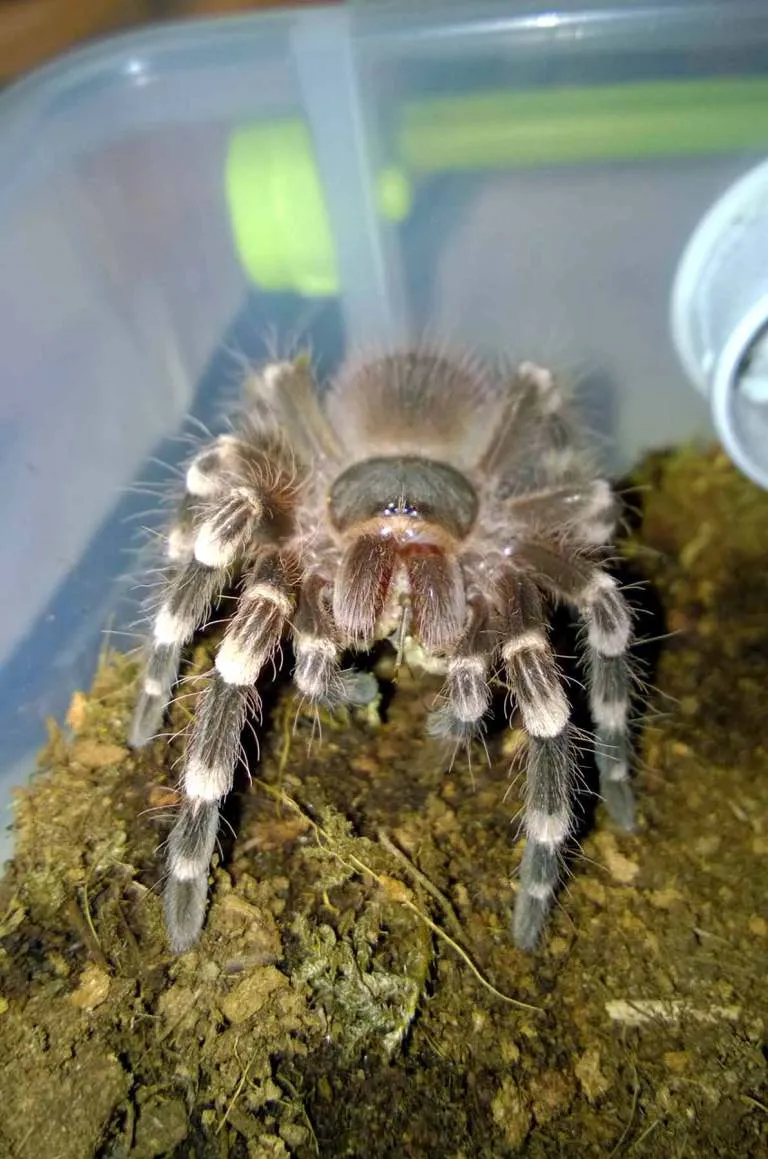
Tarantula Hawk Larvae Feeding Facts
The tarantula hawk, a large, striking wasp, is renowned for its fearsome hunting prowess and its unique method of reproduction. This impressive insect doesn’t just hunt spiders it uses them as living incubators for its young. The process of tarantula hawk larvae feeding is a fascinating and brutal example of parasitism in the animal kingdom. The tarantula hawk’s life cycle, particularly the larval stage, is a testament to the ingenuity and ruthlessness of nature. This article delves into the top 5 facts about tarantula hawk larvae feeding, exploring the intricacies of their diet, growth, and eventual emergence.
The Tarantula Hawk Life Cycle
To understand tarantula hawk larvae feeding, we must first understand the wasp’s life cycle. It begins with the adult female wasp, which actively hunts for tarantulas. Once a tarantula is found, the wasp engages in a dramatic battle, stinging the spider to paralyze it. The wasp then drags the paralyzed spider to a burrow or suitable location and lays a single egg on the spider’s abdomen. The egg hatches, and the larva begins to feed on the living, but paralyzed, tarantula.
Finding a Tarantula

The female tarantula hawk is a skilled hunter, using her keen eyesight and antennae to locate tarantulas. She actively searches in areas where tarantulas are known to reside, such as burrows, under rocks, and in arid environments. The hunt itself can be a dangerous endeavor, as tarantulas are formidable opponents, equipped with fangs and the ability to bite and flick urticating hairs. The wasp must be strategic in its approach, waiting for the right moment to strike.
Paralyzing the Tarantula
The tarantula hawk’s sting is not designed to kill, but to paralyze. The wasp’s venom contains a neurotoxin that specifically targets the spider’s nervous system, rendering it immobile. The wasp stings the tarantula in a precise location, often on the underside of the abdomen or in a nerve center. The paralysis allows the wasp to safely transport the spider and ensures that the tarantula remains alive, providing fresh food for the developing larva. This image is about tarantula hawk paralyzing tarantula.
Laying the Egg
Once the tarantula is paralyzed, the wasp drags it to a safe location, often a burrow or a secluded spot. The wasp then lays a single egg on the tarantula’s abdomen. This egg is the beginning of the next generation of tarantula hawks. The choice of location is critical, providing protection from predators and the elements, ensuring the survival of the egg and the subsequent larva. This is an image of tarantula hawk egg.
Larval Stage
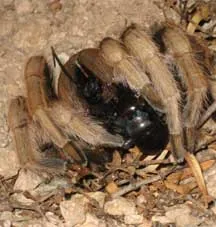
The larval stage is the heart of the tarantula hawk larvae feeding process. The egg hatches, and the larva immediately begins to feed on the paralyzed tarantula. The larva is legless and grub-like, slowly consuming the spider. The larva grows rapidly, molting several times as it increases in size. The tarantula, though paralyzed, remains alive throughout much of this process, providing a constant supply of fresh food for the growing larva. This image is about larvae stage.
The Larvae Diet
The tarantula hawk larva’s diet consists entirely of the tarantula’s body. The larva initially feeds on the less vital organs, ensuring the spider remains alive for as long as possible. This provides a constant supply of fresh, nourishing food as the larva grows. As the larva matures, it gradually consumes the remaining parts of the spider, eventually leaving only the exoskeleton. The larva is a specialist, perfectly adapted to this unique diet. This image shows tarantula hawk larvae feeding.
Fact 1: The Tarantula Hawk’s Prey
The tarantula hawk’s primary prey is, as the name suggests, tarantulas. However, they will occasionally attack other large spiders, though tarantulas are their preferred food source. The choice of prey is not random; tarantulas provide a significant food source for the developing larva, ensuring its survival and growth. The size and abundance of tarantulas in the habitat directly influence the tarantula hawk population.
Fact 2: How the Larvae Feed

The tarantula hawk larva feeds externally on the tarantula’s body. It attaches itself to the spider and uses its mouthparts to consume the spider’s tissues. The larva meticulously consumes the spider, prioritizing the less vital organs first, to keep the tarantula alive for as long as possible, this ensures a continuous supply of fresh food. This method of feeding is a classic example of parasitoid behavior, where the parasite eventually kills its host.
Fact 3: The Duration of Feeding
The duration of the tarantula hawk larva’s feeding stage can vary depending on factors such as the size of the tarantula and environmental conditions. The larval stage typically lasts for several weeks, during which the larva grows substantially, molting multiple times. During this period, the larva consumes the entire tarantula, gradually transforming it into a shell of its former self. The extended feeding period is crucial for the larva to accumulate the resources it needs for metamorphosis.
Fact 4: The Larvae’s Growth
As the larva feeds, it grows rapidly. The larva molts several times as it progresses through its instars. During each molt, the larva sheds its exoskeleton and grows larger. The growth is dependent on the availability of food, the larva consuming the tarantula. The larva transforms into a pupa within the spider’s carcass, eventually emerging as an adult tarantula hawk. The larva increases in size to around an inch to two inches, preparing for pupation. This is an image of larvae growing.
Fact 5: The Emergence of the Hawk

Once the larva has consumed the entire tarantula, it pupates within the spider’s exoskeleton or a cell. The pupal stage is a period of transformation, during which the larva undergoes metamorphosis, developing into the adult tarantula hawk. After several weeks, the adult wasp emerges from the spider’s remains, ready to begin its life cycle anew. The emergence of the adult wasp marks the end of the larval stage and the beginning of the adult’s predatory life. The image of the emerging hawk.
Conclusion
Tarantula hawk larvae feeding is a remarkable phenomenon, demonstrating the intricate relationships and survival strategies found in nature. From the initial hunt and paralysis to the gradual consumption of the tarantula, the entire process is a testament to the efficiency and brutality of evolution. Understanding this process provides valuable insights into the complex web of life and the fascinating adaptations of both predator and prey. The tarantula hawk’s life cycle is a compelling example of the wonders and harsh realities of the natural world. The survival of the tarantula hawk larvae is a vital piece of this story.