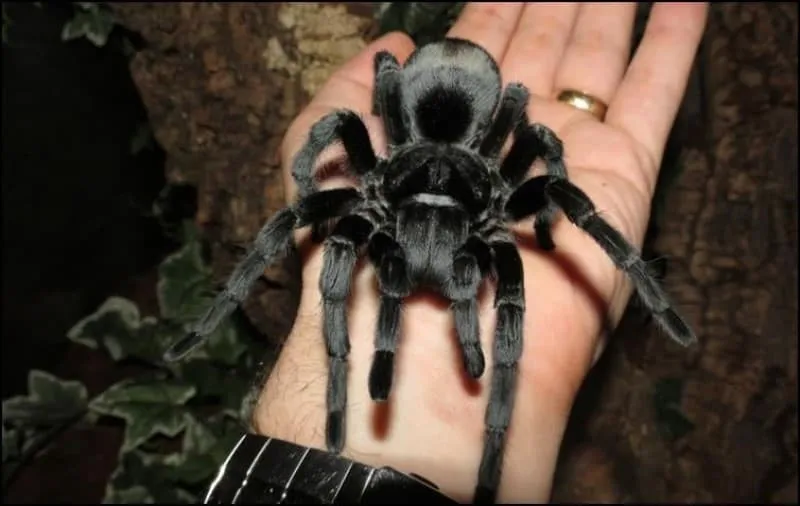
Common Tarantula Handling Mistakes
Tarantula handling can be a rewarding experience, allowing you to interact with these fascinating creatures. However, it is crucial to approach handling with knowledge and caution. Many well-intentioned owners make common mistakes that can put their tarantulas at risk and jeopardize the bond between them and their pet. Understanding these pitfalls is the first step toward responsible tarantula ownership. This guide delves into the top five handling mistakes, providing insights and advice to ensure the safety and well-being of your tarantula.
Mistake 1 Not Understanding Tarantula Behavior
One of the most significant errors in tarantula handling is a lack of understanding of their behavior. These arachnids are not inherently aggressive, but they can be defensive. Recognizing their cues and understanding their natural tendencies is critical. Handling a tarantula without this knowledge can lead to stress for the spider and potential injury to both the tarantula and the handler. Learning to interpret a tarantula’s body language is the foundation of safe handling.
The Importance of Research

Before even considering handling your tarantula, extensive research is essential. Different species of tarantulas have varying temperaments and behaviors. Some are docile and tolerate handling better, while others are more skittish or defensive. Online forums, books, and experienced keepers can provide valuable insights into the specific species you own. Understanding your tarantula’s species-specific traits will help you anticipate its reactions and handle it safely.
Recognizing Defensive Postures
Tarantulas communicate through body language. Recognizing defensive postures can help you avoid unnecessary confrontations. A tarantula may raise its front legs, rear back its fangs, or flick urticating hairs as warning signs. If your tarantula exhibits these behaviors, it is best to leave it alone. Ignoring these warnings increases the risk of being bitten or having urticating hairs released, which can cause irritation. Learning to identify these signals allows you to handle your tarantula responsibly.
Mistake 2 Using Incorrect Handling Tools
The tools used for tarantula handling play a crucial role in safety. Using inappropriate tools can harm the tarantula and make the handling process more stressful. Proper handling tools ensure both the safety of the keeper and the tarantula itself. Investing in the right equipment is a sign of responsible pet ownership.
Tools to Avoid

Avoid using your bare hands as the primary handling tool, especially if you are inexperienced. Forceps can be helpful, but be careful not to pinch the tarantula’s legs or abdomen. Avoid using anything that could potentially injure the spider. Remember that sudden movements or clumsy handling can easily startle a tarantula, causing it to react defensively. It’s essential to create a sense of security for your pet.
Recommended Handling Tools
The best handling tools minimize stress and potential harm. Long forceps with rounded tips can be useful for gently guiding the tarantula. A soft paintbrush can be used to coax the tarantula into a container. Always have a secure container nearby. The best tool is often patience and a calm approach, which is the most important tool in your handling kit. A calm demeanor reduces the likelihood of the tarantula feeling threatened.
Mistake 3 Forcing Interaction
One of the most important things to understand in Tarantula handling is that not all tarantulas want to be handled. Forcing interaction is a major mistake, potentially causing the tarantula a great deal of stress. Respecting the animal’s boundaries is crucial for their wellbeing and your safety. Taking a patient, observant approach is much better than pushing the tarantula into an unwanted situation.
Respecting the Tarantula’s Space

Tarantulas, especially those that are new to a habitat, need time to acclimate and build their home. This means respecting their personal space in their enclosure. Avoid repeatedly disturbing the tarantula, especially shortly after it has been fed or molted. Providing a secure environment and allowing it to choose when and if it wants to interact with you reduces the likelihood of stress and defensiveness. Ensure the tarantula feels safe in its enclosure, and it will be more likely to be comfortable around you.
Reading Body Language
Always observe your tarantula’s behavior before attempting to handle it. If your tarantula is exhibiting defensive postures, such as raising its front legs, or flicking hairs, it is telling you that it does not want to be handled. Attempting to handle a tarantula that is not in a receptive mood can be risky. It is better to admire it from a distance and try again later. Pay close attention to your pet’s nonverbal cues. By learning to read the tarantula’s body language, you can avoid many issues associated with handling.
Mistake 4 Poor Environmental Control
Tarantulas are sensitive to their environment, and fluctuations in temperature and humidity can cause significant stress. Poor environmental control is a common handling mistake because it affects the tarantula’s overall health and behavior. Maintaining the correct environment is critical not only for handling but also for the tarantula’s daily existence.
Impact of Temperature

Tarantulas are ectothermic, meaning they rely on external sources to regulate their body temperature. The ideal temperature range varies by species but generally falls between 75°F and 85°F. Temperatures outside this range can lead to sluggishness, reduced appetite, and even death. Before handling, ensure the enclosure temperature is appropriate. If the enclosure is too cold, the tarantula might be slow and more prone to biting. Extreme heat can cause the tarantula to become agitated.
Importance of Humidity
Humidity is crucial for a tarantula’s health and molting process. Low humidity can lead to dehydration and molting difficulties. High humidity, on the other hand, can promote the growth of mold and mites, posing a health risk. Ensure the enclosure has the correct humidity level for your tarantula species. Before handling, make sure the environment is appropriate, as a stressed tarantula is more likely to exhibit defensive behavior. Monitoring and controlling these parameters are critical aspects of responsible tarantula care.
Mistake 5 Lack of Preparation
One of the most overlooked mistakes is a lack of preparation before handling a tarantula. This includes not only environmental preparation but also having an emergency plan in place. Handling without a clear plan can lead to unnecessary stress for the tarantula and potential danger for the handler.
The Importance of a Safe Environment

Always ensure the handling environment is safe and controlled. Before handling, clear the area of any potential hazards, such as objects the tarantula could hide under or sharp edges. Have a secure container nearby in case the tarantula needs to be quickly contained. Prepare the handling area, so it is free of distractions and other pets or children. A well-prepared environment minimizes the risk of escape and injury, keeping you and your tarantula safe.
Emergency Planning
Develop a plan in case something goes wrong. Know where to find emergency supplies like a container to catch an escapee. Have the number of a veterinarian familiar with tarantulas readily available. Understand the risks associated with tarantula bites and how to respond. Prepare yourself for the worst-case scenario. Being prepared can help minimize stress and potential injuries during handling.
Conclusion
Avoiding these five common mistakes can significantly improve your tarantula handling experience. Understanding tarantula behavior, using the right tools, respecting the animal’s space, controlling the environment, and planning ahead are all essential elements of responsible tarantula ownership. Remember, a safe and positive handling experience is always the goal. By taking these precautions and educating yourself, you can enjoy the fascinating world of tarantulas while ensuring the health and well-being of your pet. Safe handling promotes a stronger bond between you and your tarantula.