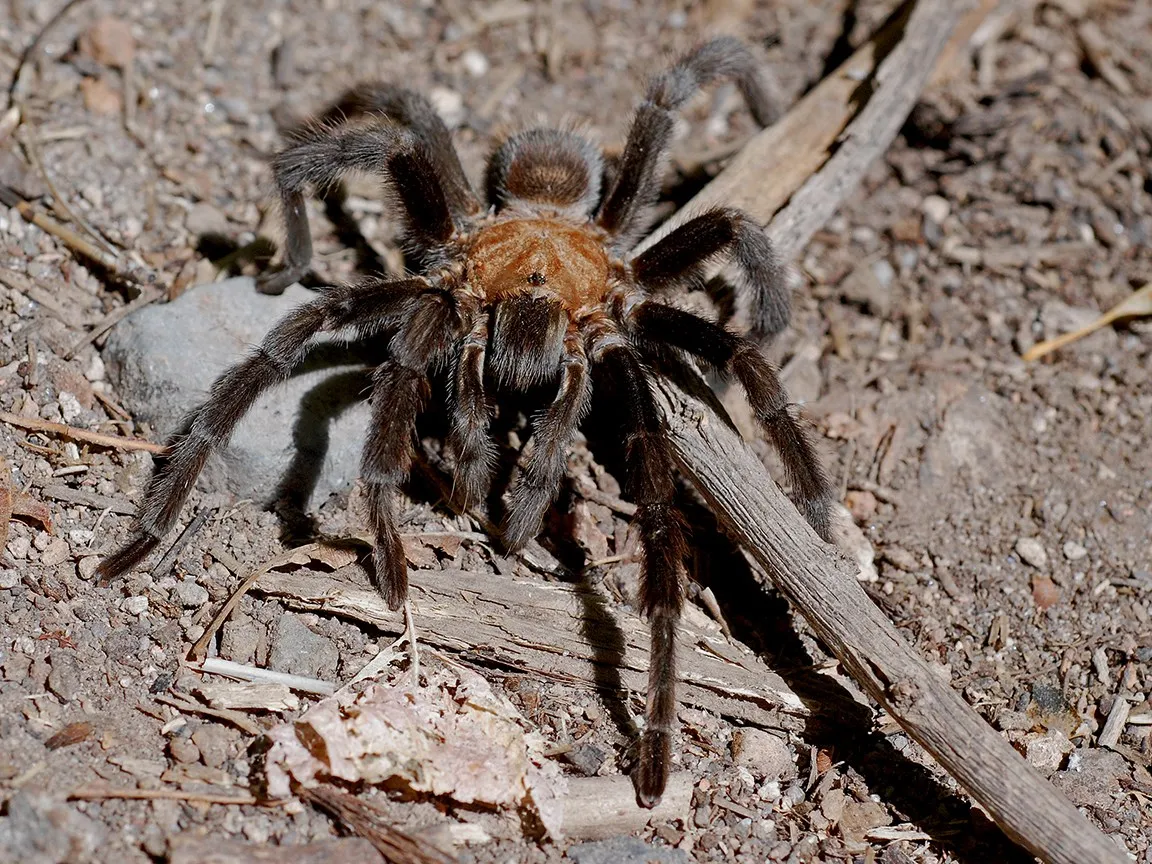
Where Do Tarantulas Live An Overview
Tarantulas, those large and often hairy spiders, captivate us with their size and diverse appearances. But where do these fascinating creatures call home? The answer is as varied as the tarantulas themselves. Understanding their habitats is crucial to appreciating their survival and the intricate ecosystems they inhabit. Tarantulas are found across a wide range of climates and terrains, from the arid deserts to humid rainforests. Their distribution is a testament to their adaptability, but also highlights the threats they face due to habitat loss and climate change. Exploring their habitats provides a glimpse into the challenges these spiders encounter and the importance of conserving their homes.
Tarantula Habitats Around the World
Tarantulas are not uniformly distributed; instead, they exhibit a remarkable regional diversity. Their habitats span several continents, each with its unique tarantula species. Understanding where these spiders live geographically provides insight into their adaptations and the factors shaping their distribution. The presence of a particular tarantula species is strongly correlated with specific climate patterns, food availability, and the presence of suitable shelter. This geographical distribution is key to their survival.
North American Tarantulas

North America is home to various tarantula species, predominantly found in the southwestern United States and parts of Mexico. These tarantulas, such as the Texas Brown tarantula, typically inhabit arid and semi-arid environments, including deserts, grasslands, and scrublands. They often burrow underground or utilize natural shelters like rock crevices to escape the harsh sun and regulate their body temperature. The availability of insects, their primary food source, and the soil composition suitable for burrowing significantly impact their habitat selection. These tarantulas are a crucial part of their ecosystems, controlling insect populations and serving as prey for larger animals.
South American Tarantulas
South America, with its diverse rainforests and savannas, provides a rich habitat for numerous tarantula species. The Amazon rainforest, in particular, is a hotspot for tarantula diversity. Species here often thrive in humid conditions, utilizing the dense foliage and forest floor for shelter and hunting. Their diets are often more varied than those of their North American counterparts, including larger insects, small vertebrates, and sometimes even other spiders. Their presence here reflects the rich biodiversity of the region and the importance of conservation efforts to protect their habitats from deforestation and habitat loss.
African Tarantulas
Africa, a continent of diverse climates and terrains, is home to several unique tarantula species. They can be found in various habitats, including savannas, grasslands, and even deserts. Their adaptations to the local climate are crucial to their survival. Some species have developed unique hunting strategies and behaviors to thrive in their specific environments. They contribute to their ecosystems by preying on insects and other invertebrates. Preserving their habitats helps maintain the ecological balance and protects the survival of these fascinating arachnids.
Asian Tarantulas

Asia’s varied landscapes, from tropical rainforests to arid regions, support a range of tarantula species. These spiders are often found in dense forests, grasslands, and mountainous areas. Some species have adapted to live in burrows, while others are arboreal, inhabiting trees. The availability of prey, including insects and other invertebrates, directly influences their habitat preferences. Their presence showcases the ecological richness of the Asian continent. Conservation efforts are vital to protect their habitats from deforestation and other threats.
Australian Tarantulas
Australia is home to unique tarantula species, adapted to the continent’s diverse environments, including rainforests, deserts, and grasslands. These tarantulas, such as the Queensland whistling spider, often burrow underground or find shelter in rock crevices. They have developed unique adaptations to cope with the harsh Australian climate, including strategies to conserve water and regulate body temperature. Their role in the ecosystem is essential. Conservation efforts are crucial to preserve their homes.
What Factors Influence Tarantula Habitats
Several environmental factors play a crucial role in determining where tarantulas can survive and thrive. Understanding these factors is key to appreciating their ecological needs and the challenges they face in a changing world. Temperature, humidity, prey availability, and the type of soil all contribute significantly to shaping their habitat. These elements create a complex web of interactions that influence the distribution and behavior of tarantulas.
Temperature and Climate

Temperature and climate are among the most critical factors influencing tarantula habitats. Most tarantulas thrive in warm, humid environments, but their specific tolerance varies greatly. Extremely high or low temperatures can be lethal, while fluctuations can affect their activity levels and feeding behaviors. Tarantulas often seek shelter from extreme temperatures, either by burrowing underground or finding refuge in shaded areas. Understanding the thermal preferences of different tarantula species is essential for conservation efforts, especially in the face of climate change, which can alter their habitats and put them at risk.
Humidity Levels
Humidity levels play a vital role in the survival of tarantulas, as they are ectothermic animals, meaning they rely on external sources to regulate their body temperature. High humidity helps prevent dehydration, which is critical in maintaining their health. Tarantulas in drier environments often seek areas with higher humidity, such as burrows or shaded locations. The availability of moisture also affects their molting process, a vulnerable time for tarantulas. Environmental changes that affect humidity can significantly impact tarantula populations. The balance of moisture in their environment is key to their well-being.
Availability of Prey
The availability of prey is a primary factor influencing where tarantulas can live. These spiders are carnivores, feeding primarily on insects, but they also consume small vertebrates like lizards and even small birds depending on the species. The abundance and diversity of prey in an area dictate the tarantulas’ hunting strategies and the species that can survive in that location. Habitats with abundant insect populations, such as grasslands and forests, typically support a larger tarantula population. Environmental factors that affect prey, such as pesticide use or habitat loss, can subsequently impact the tarantula populations.
Soil and Terrain

Soil composition and terrain significantly impact the habitat suitability for many tarantula species, particularly those that burrow. The type of soil determines how easily tarantulas can dig and maintain their burrows. Sandy or loamy soils are often preferred because they provide good drainage and stability. Rocky or clay-heavy soils can be challenging to burrow into. Terrain features such as slopes, rock formations, and vegetation cover also provide essential shelter and protection from predators and the elements. The physical characteristics of the environment directly affect the tarantulas’ ability to establish and maintain their homes.
Adapting to Their Environment
Tarantulas exhibit remarkable adaptations that allow them to thrive in diverse environments. These adaptations are not just physical traits but also behavioral strategies that enable them to survive and reproduce. From burrowing to arboreal lifestyles, their adaptations provide a fascinating insight into their survival mechanisms. Understanding how they adapt to their homes is essential for their conservation.
Burrowing Behavior
Burrowing is a common adaptation among many tarantula species, particularly in drier regions. Burrows provide protection from extreme temperatures, predators, and the elements. The depth and construction of the burrows vary depending on the species and the soil type. Some tarantulas line their burrows with silk to stabilize the walls and create a more comfortable environment. This behavior is critical to thermoregulation, water conservation, and protection from predators, making burrows essential for survival.
Arboreal vs Terrestrial Tarantulas

Tarantulas can be broadly categorized into arboreal (tree-dwelling) and terrestrial (ground-dwelling) species, each with unique adaptations suited to their respective lifestyles. Arboreal tarantulas, often found in rainforests, have evolved to climb trees, using specialized claws and hairs on their legs. They construct webs in trees, relying on their agility to catch prey. Terrestrial tarantulas, on the other hand, primarily live on the ground, either in burrows or under rocks and logs. Their bodies are often heavier and less adapted for climbing, focusing instead on digging and ambush hunting. These differences show how tarantulas have adapted to their environments.
Conservation Status and Threats to Habitats
Many tarantula populations face increasing threats to their habitats, making conservation efforts essential. Habitat loss, climate change, and the pet trade are significant concerns. Understanding these threats is crucial for developing effective strategies to protect these amazing creatures and their homes. Their survival depends on addressing these problems and ensuring sustainable ecosystems.
Habitat Loss
Habitat loss is a primary threat to tarantula populations globally. Deforestation, urbanization, and agricultural expansion destroy or fragment their habitats, reducing the available space for tarantulas to live, hunt, and breed. This habitat reduction isolates populations, making them more vulnerable to extinction. Effective conservation strategies include protecting remaining habitats and restoring degraded areas. Educating people on the value of wildlife and its habitats is essential to stop these trends.
Climate Change

Climate change presents a significant threat to tarantulas. Rising temperatures, altered rainfall patterns, and extreme weather events can disrupt their habitats and affect their survival. Changes in temperature can impact their activity levels, feeding, and reproduction, while altered rainfall can affect their ability to maintain their burrows and access water. The effects of climate change highlight the urgency of protecting their habitats and mitigating climate change impacts. Conservation strategies that help habitats adapt to changes are vital.
The Importance of Conservation
Conserving tarantula habitats is crucial not only for the survival of these spiders but also for maintaining the health of the ecosystems they inhabit. Tarantulas play an important role in controlling insect populations, contributing to the biodiversity of their environments. Protecting their homes supports the overall ecological balance. Conservation efforts benefit other species and provide valuable insights into ecosystem health. Preserving tarantulas and their homes is crucial for the planet’s well-being.
How Can We Help
Everyone can contribute to tarantula conservation. Supporting organizations dedicated to protecting their habitats and educating the public is essential. Reducing your environmental footprint by conserving water, reducing waste, and making sustainable choices helps minimize the impact on their habitats. If you keep tarantulas as pets, ensure they are acquired from reputable breeders and that you provide a suitable environment. Awareness and action are the key to safeguarding their future. Through education, awareness, and individual actions, everyone can help preserve the habitats of these fascinating creatures.