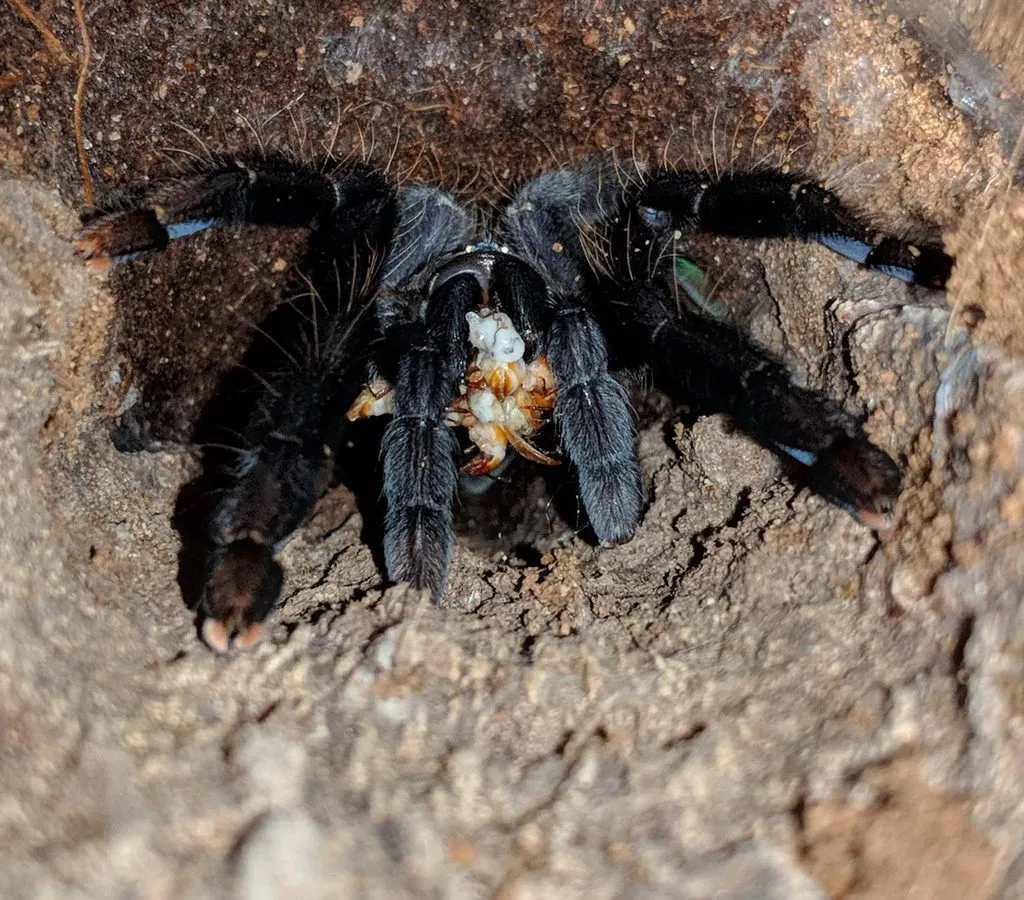
Understanding Tarantula Feeding
Tarantula feeding is a critical aspect of caring for these fascinating creatures. This comprehensive guide will provide beginners with the essential knowledge needed to ensure their tarantula thrives. Understanding the basics of tarantula feeding, from dietary requirements to feeding frequency, is vital for their overall health and longevity. This guide will cover everything you need to know to properly feed your tarantula, ensuring it receives the necessary nutrients for a healthy life. We will delve into the specifics of food choices, feeding schedules, and how to handle any potential feeding issues that might arise. By mastering these fundamental aspects of tarantula care, you can enjoy a rewarding experience as a tarantula keeper.
Why is Proper Feeding Important for Tarantulas
Proper feeding is paramount for tarantula health and well-being. A well-fed tarantula is more likely to exhibit vibrant colors, grow at a healthy rate, and have a robust immune system. Adequate nutrition supports all bodily functions, from molting to reproduction. Poor feeding practices can lead to a range of health issues, including stunted growth, weakness, and increased susceptibility to diseases. Inadequate nutrition can also affect the lifespan of your tarantula. Providing the correct diet not only meets their nutritional needs but also enriches their environment by stimulating natural behaviors like hunting. The aim is to create an optimal environment for your tarantula, ensuring a long and healthy life.
The Role of Diet in Tarantula Health

The diet of a tarantula plays a crucial role in its overall health. Tarantulas require a diet rich in protein and other essential nutrients to support growth, molting, and other vital functions. A balanced diet helps maintain their energy levels, ensuring they can engage in natural behaviors. Protein is the primary component of their diet, and a deficiency can lead to serious health problems. Vitamins and minerals also play a crucial role, supporting various physiological processes. Without a balanced diet, tarantulas can become lethargic, weak, and more prone to illness. A well-rounded diet also promotes proper growth and development, which is particularly important during the juvenile stages. Providing a varied diet, including different types of insects, will help your tarantula thrive.
Choosing the Right Food for Your Tarantula
Selecting the right food for your tarantula is crucial for its health and well-being. Tarantulas are primarily insectivores, meaning their diet consists mainly of insects. The best food options are readily available, nutritious, and pose minimal risk to the tarantula. It’s important to avoid feeding your tarantula anything that could be harmful, such as insects caught outdoors, which may be contaminated with pesticides. Always prioritize live, healthy insects that are specifically bred for feeding tarantulas. Remember, a varied diet ensures your tarantula receives a range of essential nutrients, contributing to its long-term health.
Live Insects for Tarantulas
Live insects form the cornerstone of a tarantula’s diet, providing essential protein and nutrients. The movement of live prey also stimulates their natural hunting instincts. Choosing appropriate live insects is vital, as some can be harmful or pose a risk to your tarantula. Always select insects that are appropriately sized for your tarantula to avoid injury. Ensure that the insects are healthy and well-fed before offering them to your pet. This ensures that your tarantula is getting the most nutritional value from its meals. The most common and recommended live insect options include mealworms, crickets, and roaches.
Mealworms

Mealworms are a popular and readily available food source for tarantulas, especially for smaller species or spiderlings. They are easy to store and relatively inexpensive. Mealworms offer a good source of protein but should not be the sole food source, as they have a relatively low nutritional profile compared to other insects. It’s best to feed mealworms to younger tarantulas or as a supplement to a more varied diet. Always ensure that the mealworms are fresh and healthy, and remove any uneaten mealworms from the enclosure to prevent them from burrowing and potentially harming your tarantula during a molt. Consider gut-loading mealworms before feeding them to your tarantula to boost their nutritional content.
Crickets
Crickets are a highly nutritious and widely accepted food source for tarantulas. They provide a good balance of protein and other essential nutrients. Crickets are also readily available at most pet stores. Before feeding crickets to your tarantula, it’s crucial to gut-load them with nutritious foods like vegetables and commercial cricket food. This process ensures the crickets are packed with nutrients, which will then be passed on to your tarantula. Always supervise the feeding process and remove any uneaten crickets to prevent them from stressing your tarantula. Crickets can sometimes be noisy, so consider this when choosing this option for your pet.
Roaches
Roaches are an excellent food choice for tarantulas due to their high protein content and ease of care. Several roach species, such as Dubia roaches, are commonly used in tarantula feeding and are known to be a nutritious and well-balanced food source. They are also less likely to escape than crickets, making them a safer option. Roaches are slow-moving, so they pose less of a risk to the tarantula, especially during molting. They are relatively easy to breed and maintain, making them a convenient and cost-effective long-term food source. Always ensure that the roaches are healthy, well-fed, and free from any parasites or diseases.
Waxworms

Waxworms are high in fat and can be used as an occasional treat for tarantulas. However, they should not be a staple in your tarantula’s diet, as overconsumption can lead to obesity. Waxworms are a good option for coaxing a tarantula into eating if it has lost its appetite due to illness or molting. They are also relatively easy to obtain. Use them sparingly and always remove any uneaten waxworms to prevent them from causing stress. While waxworms can be a useful tool, their high-fat content means they should be a supplemental treat rather than a primary food source.
Pre-Killed Food Options
Pre-killed food options can be a convenient alternative for some tarantula keepers, especially for those who are uncomfortable with live feeding. However, it is essential to ensure the prey is fresh and properly stored. Pre-killed insects should be obtained from a reliable source and stored correctly to prevent spoilage. While pre-killed food removes the hunting aspect, it provides a controlled way to monitor the amount of food your tarantula consumes. Be sure to remove any uneaten food to maintain a clean and hygienic environment. Pre-killed food might not stimulate the natural hunting instincts as much as live prey.
Feeding Frequency Based on Tarantula Size
The feeding frequency for your tarantula depends largely on its size and age. Spiderlings, the youngest tarantulas, require more frequent feeding than adults due to their rapid growth rate. Juveniles need a slightly less frequent feeding schedule compared to spiderlings, while adult tarantulas can often be fed less frequently. It’s crucial to monitor your tarantula’s abdomen for signs of being overfed or underfed. Adjusting the feeding schedule based on these observations will help you maintain optimal health. A proper feeding schedule ensures your tarantula receives adequate nutrition at each stage of its life.
Feeding a Spiderling

Spiderlings, due to their rapid growth rate, typically need to be fed more frequently than adults. Feed them small, appropriately sized prey every other day or every few days. Mealworms, small crickets, or flightless fruit flies are excellent choices. Always ensure the prey is smaller than the spiderling’s body. Monitor their abdomen, and if it appears full, reduce the frequency. It is crucial to provide constant access to fresh water to keep the spiderlings well-hydrated. Careful observation will help fine-tune the feeding schedule, ensuring the spiderling receives the nutrition it needs to thrive.
Feeding a Juvenile Tarantula
Juvenile tarantulas should be fed less frequently than spiderlings. A good guideline is to feed them once or twice a week, adjusting the frequency based on their appetite and abdomen size. Larger crickets or roaches are often suitable at this stage. Ensure that the prey is not too large to avoid any risk of the tarantula refusing the meal or being injured. The juvenile stage is a critical period for growth, so providing a balanced diet is crucial. Watch for signs of overfeeding, and adjust the schedule accordingly. A healthy juvenile tarantula will display good color and energy levels.
Feeding an Adult Tarantula
Adult tarantulas typically require feeding only once or twice a month. They do not need as much food as juveniles because they are not actively growing. Overfeeding can lead to obesity and health problems. The size of the prey should be appropriate, with large crickets, roaches, or even small vertebrates being suitable options. Monitor the tarantula’s abdomen to gauge whether it’s adequately fed. If it appears round and full, reduce the frequency. It is also common for adult tarantulas to refuse food during molting. Always provide fresh water and keep the enclosure clean.
Creating a Safe Feeding Environment
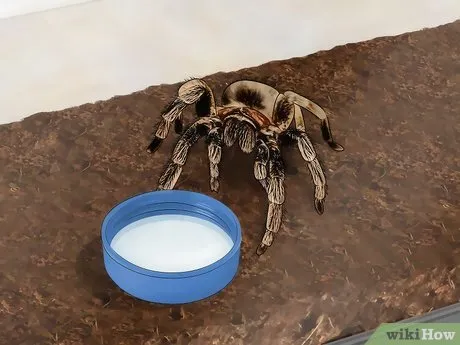
Creating a safe and appropriate environment for feeding is essential to the well-being of your tarantula. A secure enclosure, proper substrate, and appropriate humidity levels contribute to a stress-free feeding experience. Make sure there are no sharp objects in the enclosure that could injure the tarantula or the prey. A well-designed habitat mimics the tarantula’s natural environment, encouraging healthy behaviors. The feeding area should be clean and free from any potential hazards. A safe environment reduces stress and supports the tarantula’s overall health and feeding habits.
The Importance of a Dedicated Feeding Area
Having a dedicated feeding area in the enclosure helps ensure the tarantula feels secure and can focus on feeding. This could be a specific corner of the enclosure, where the food is presented. This reduces stress and allows the tarantula to feel safe while eating. It can also prevent the prey from hiding in areas difficult to access. Providing a designated area makes it easier to monitor feeding habits and to remove any uneaten food. A safe feeding area contributes to a more positive and healthy environment for your tarantula. Keep the area clean to prevent the buildup of bacteria.
How to Safely Introduce Food
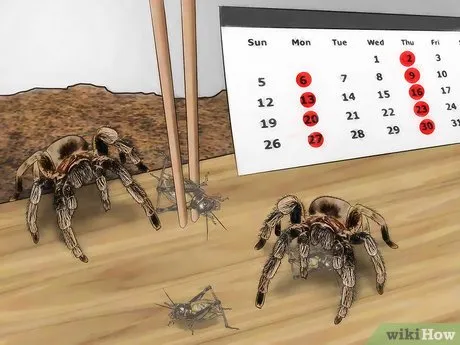
When introducing food, it’s important to do so safely. Use long tongs to introduce live prey, minimizing the risk of being bitten or startling your tarantula. Gently place the insect in the feeding area and observe your tarantula’s reaction. Avoid dropping the insect directly on the tarantula, as this could stress it. Allow the tarantula to hunt the prey naturally. If the tarantula doesn’t show interest in eating, remove the insect after 24 hours to prevent the prey from stressing your pet. Proper handling of prey ensures the tarantula remains calm and comfortable.
What to do if Your Tarantula Refuses to Eat
It’s common for tarantulas to refuse food from time to time. There can be several reasons for this behavior. The most common reasons include the pre-molt stage, stress, or environmental factors. Monitor your tarantula’s behavior and overall health to determine the cause. If your tarantula is showing signs of an upcoming molt, such as a darkening abdomen, it is normal for it to refuse food. Ensure the enclosure has the right conditions. If a refusal continues for an extended period, consult with a veterinarian specializing in exotic pets. Keeping a close eye on your tarantula’s behavior will help you understand and address any feeding problems.
Common Feeding Problems and Solutions
Feeding problems can arise, but with the right knowledge, these issues are manageable. Identifying the cause of the problem is the first step. This section will cover several common feeding issues and solutions, ensuring your tarantula stays healthy and well-fed. Be prepared to adapt your feeding strategies based on the individual needs of your tarantula. Addressing feeding problems quickly can prevent health issues and contribute to your tarantula’s well-being.
Overfeeding and Obesity
Overfeeding can lead to obesity in tarantulas, causing health issues. Signs of overfeeding include a very large, round abdomen and lethargy. To prevent this, feed your tarantula appropriately and monitor its abdomen size. Reduce the feeding frequency if you notice your tarantula is overweight. A healthy tarantula should have an abdomen that is slightly larger than its carapace. Regular exercise opportunities can also help maintain a healthy weight. Provide a balanced diet and avoid feeding your tarantula too many high-fat treats.
Refusal to Eat During Molting
It’s normal for tarantulas to stop eating before molting. This is because they are preparing for the process and do not need to eat. Avoid offering food if you suspect a molt is coming. Signs of an impending molt include a darkening abdomen and a less active demeanor. Maintain the correct humidity levels to help the molting process. Do not disturb the tarantula while it is molting. After the molt, it may take a few days or weeks for the tarantula to regain its appetite. Reintroduce food gradually, starting with small prey items.
Water and Hydration During Feeding
Water is crucial for a tarantula’s health, and ensuring proper hydration is as important as feeding. Tarantulas get most of their water from their food and must also have access to fresh water in their enclosure. Proper hydration aids in digestion and the molting process. The quality of water and how you provide it affects the overall health of your pet. By following the guidelines, you can ensure that your tarantula remains well-hydrated, contributing to a healthy and thriving environment.
The Importance of Fresh Water
Providing fresh water is essential for your tarantula’s survival. Water supports digestion and molting, and helps regulate body functions. Ensure the water source is always clean and easily accessible. Change the water regularly to prevent the buildup of bacteria and mold. Dehydration can lead to serious health issues and can even be fatal. Using a shallow water dish is a good way to make sure your tarantula can drink safely without risk of drowning. Regularly checking and replacing the water is a simple yet critical aspect of tarantula care.
How to Provide Water to Your Tarantula
There are several ways to provide water to your tarantula. A shallow water dish is the most common and practical method. Make sure the dish is not too deep, so the tarantula can drink without risk. You can also provide water by misting the enclosure, especially for species that prefer higher humidity. Ensure the misting is done carefully to prevent waterlogging the substrate. The frequency depends on the humidity needs of the species. Always provide fresh, clean water. The combination of a water dish and occasional misting is usually sufficient for most tarantulas.
Monitoring Your Tarantula’s Feeding Habits
Regularly monitoring your tarantula’s feeding habits is crucial for ensuring its health and well-being. This includes tracking how often it eats, the types of food it prefers, and any changes in its appetite. Observing feeding patterns allows you to quickly identify potential health problems or environmental issues. Paying close attention to these details enables you to adjust your feeding strategy. By monitoring these habits, you can provide optimal care for your tarantula.
Tracking Feeding Frequency
Keep a record of when and what you feed your tarantula. This helps track changes in appetite and identify any patterns. Note the date, type of food offered, and how much of it was consumed. This information helps you determine the optimal feeding frequency for your specific tarantula. Maintaining a log is especially helpful during the molting process or if you suspect a health issue. Tracking feeding frequency ensures you provide the appropriate amount of food. The information gathered is valuable to improve your pet’s well-being.
Identifying Potential Health Issues
Changes in feeding habits can be a sign of underlying health issues. A sudden decrease in appetite, refusal to eat, or changes in prey preferences should be noted. These symptoms might indicate illness, stress, or environmental problems. Regular observation of your tarantula’s eating habits, combined with other factors, allows you to catch issues early. If you notice concerning changes, consult with an expert. Early detection leads to better outcomes. By monitoring feeding habits, you can ensure your tarantula receives proper care.
Conclusion
Feeding your tarantula properly is fundamental to providing the best possible care. By understanding the nutritional needs of tarantulas, choosing the right food, establishing a suitable feeding schedule, and monitoring feeding habits, you can ensure your pet remains healthy and thrives. This guide provides a solid foundation for beginners, allowing you to confidently care for your tarantula. Regular observation and a proactive approach to any changes in your tarantula’s behavior will contribute to a long and fulfilling experience as a tarantula keeper. Remember, patience, observation, and a dedication to learning are key to successful tarantula care. Happy tarantula keeping!