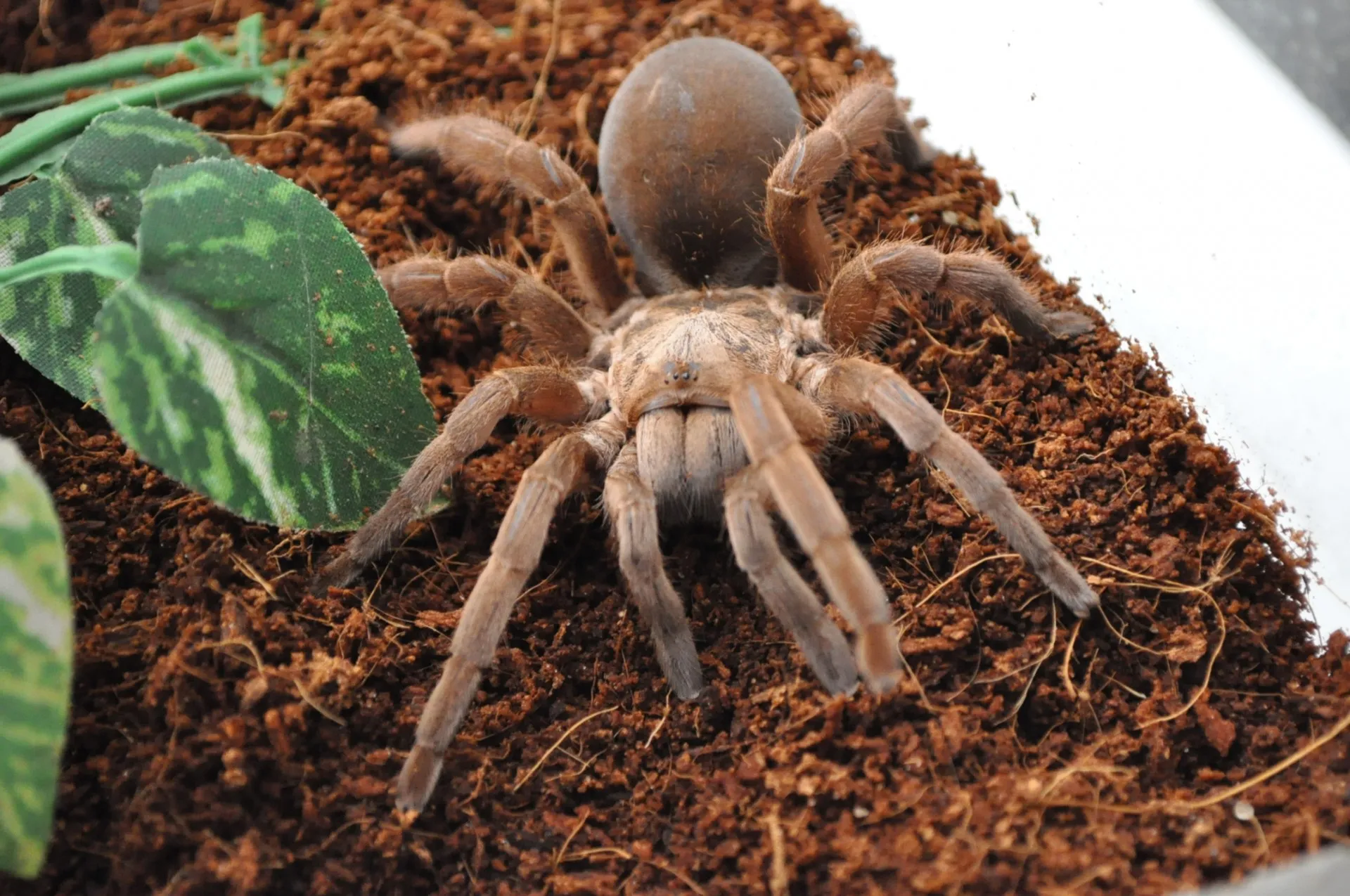
The Alluring Tarantula Feast
The world of nature is filled with fascinating predator-prey relationships, and one of the most intriguing involves birds and tarantulas. While many people are familiar with birds as seed eaters or insectivores, some species have evolved to include large, hairy spiders in their diets. This unusual dietary choice provides an interesting window into the ecological dynamics of various habitats. The sight of a bird skillfully hunting and consuming a tarantula is a testament to the adaptability and resourcefulness of nature’s hunters. This article delves into the top 5 birds that have the fascinating ability to hunt and consume tarantulas, exploring their hunting strategies, the environments where these interactions occur, and the ecological implications of this predator-prey relationship.
The Birds of Prey That Feast
Several species of birds, especially those with predatory instincts, have adapted to include tarantulas in their diet. These birds possess specific physical and behavioral traits that make them successful hunters of large spiders. These birds often have sharp talons for grasping prey, keen eyesight for spotting tarantulas from a distance, and strong beaks for dispatching and consuming their prey. The following sections highlight some of the most notable avian tarantula hunters, each with its unique hunting style and habitat preferences. Their existence provides a fascinating perspective on the complex interactions within ecosystems where tarantulas and birds coexist.
Hawks Tarantula Hunters

Hawks, with their powerful talons and exceptional eyesight, are formidable hunters that often include tarantulas in their diet. These birds of prey, like the Harris’s hawk and the red-tailed hawk, are capable of spotting tarantulas from a distance and swooping down to capture them. Hawks typically hunt in open or semi-open habitats, where tarantulas are more easily spotted. Their hunting strategy involves perching on high vantage points, such as trees or utility poles, and patiently scanning the ground for movement. Once a tarantula is detected, the hawk dives swiftly, using its sharp talons to grab the spider, and then carries it to a safe location for consumption. The presence of hawks helps keep the tarantula population in check, influencing the spider’s behavior and habitat use. The hawk’s hunting prowess underscores the complex balance of predator-prey interactions in ecosystems.
Owls Nocturnal Tarantula Eaters
Owls, with their nocturnal habits and excellent night vision, also prey on tarantulas. Species like the great horned owl have been known to include tarantulas in their diet, especially in habitats where tarantulas are abundant. Owls use their silent flight and keen hearing to locate spiders. They often perch in trees or on the ground, listening for the rustling sounds that indicate tarantula movement. Once they detect their prey, owls swoop down with surprising accuracy, capturing the tarantula with their sharp talons. The owl’s hunting style is a critical component of nocturnal ecosystem dynamics. Owls play a significant role in regulating tarantula populations, influencing their activity patterns, and distribution. This nocturnal predation demonstrates the adaptability of owls and their crucial role in maintaining the balance of the ecosystems they inhabit.
Kestrels Aerial Spider Catchers
Kestrels, small falcons known for their hovering abilities, are also tarantula hunters. These agile birds can spot tarantulas from above, using their superior eyesight to locate them in grassy fields or open areas. Kestrels often hover in mid-air, scanning the ground for movement before diving down to snatch their prey. They have the agility to maneuver quickly and accurately capture the spider. The kestrels’ ability to hunt tarantulas from the air provides a unique perspective on the predatory dynamics of birds. They help control tarantula populations and play a crucial role in the ecological balance of their habitat. The kestrel’s hunting style is a testament to the effectiveness of aerial predation.
Other Avian Predators

Beyond the birds of prey, other avian species also include tarantulas in their diet, demonstrating the diverse hunting strategies employed by birds. These birds often have adaptations that allow them to exploit specific ecological niches. Their presence highlights the broad range of predator-prey interactions in various ecosystems. The following sections will explore some of these additional avian predators and their unique hunting techniques.
Roadrunners Fast Tarantula Grabbers
Roadrunners, famous for their speed, are opportunistic predators that readily consume tarantulas. These ground-dwelling birds are well-adapted to the arid environments where tarantulas thrive. Their hunting strategy involves actively searching for tarantulas in open areas. Roadrunners use their speed and agility to pursue and capture tarantulas. They are known to use their strong beaks to dispatch the spiders before consuming them. Roadrunners play an important role in the food web and their predation on tarantulas is a critical part of controlling the spider population. Their ability to hunt tarantulas showcases the effectiveness of ground-based hunting strategies.
Crows Intelligent Tarantula Hunters
Crows, known for their intelligence and adaptability, are also tarantula predators. These highly intelligent birds use their problem-solving skills to hunt tarantulas in various habitats. Crows are opportunistic feeders and will consume almost anything. They often approach tarantulas with caution, sometimes using tools or strategies to capture the spiders. The crows’ ability to exploit tarantulas underscores the importance of intelligence in the survival strategies of birds. Crows contribute significantly to the ecosystems by keeping the tarantula population balanced and influencing spider behaviors. Their hunting methods illustrate their adaptive nature in the wild.
Understanding the Tarantula Prey Dynamic

To fully understand the relationship between birds and tarantulas, it is essential to consider the tarantula’s behavior patterns, habitat, and the nutritional value it provides. This knowledge allows us to appreciate the intricacies of this predator-prey relationship. Understanding the tarantula’s position in the food web helps explain how birds contribute to ecological balance.
Tarantula Behavior Patterns
Tarantulas have specific behaviors that influence their vulnerability to avian predators. The spiders’ activities during mating season, molting periods, and when foraging, affect their risk of predation. Tarantulas are most vulnerable when they are outside of their burrows or when they are actively searching for mates. Birds, with their keen eyesight, can often spot these spiders. Understanding these behavioral patterns is vital to understanding the dynamics of predator-prey interactions. Studying these behaviors provides insight into how tarantulas adapt to avoid predators and how birds adapt their hunting techniques to increase their success rate.
Spider Habitat and Bird Hunting Grounds
The habitat in which tarantulas live and where birds hunt is another significant factor. Birds hunt in open grasslands, deserts, and woodlands, where tarantulas are active. The availability of suitable nesting sites, foraging areas, and the presence of other prey can affect the hunting success of birds. The landscape impacts how birds and tarantulas interact. The structure of these habitats, including the presence of trees, bushes, and ground cover, affects how birds hunt tarantulas. Understanding these habitats and the birds that hunt in them offers insight into the complexity of predator-prey dynamics.
The Nutritional Value of Tarantulas

Tarantulas provide significant nutritional value for birds, which influences the birds’ dietary preferences and hunting strategies. The spiders are high in protein and other essential nutrients, making them a valuable food source. The nutritional composition affects bird behavior and physiology, especially during breeding seasons when increased energy is needed. Foraging choices are influenced by the nutritional content of tarantulas. The nutritional value of tarantulas helps birds maintain healthy populations and contributes to the overall health of the ecosystem.
Factors Influencing Bird Predation
Multiple factors influence the frequency and intensity of bird predation on tarantulas. Habitat availability, climate, and bird population levels each play a role in determining the success of this predator-prey interaction. Understanding these factors provides insight into the complexity of ecological relationships and the conditions that support avian predators.
Habitat Availability & Bird Population
The availability of suitable habitat, including nesting sites and foraging areas, directly affects bird populations and their ability to hunt tarantulas. The size and structure of the habitat impact the density of birds, which in turn affects the number of tarantulas preyed upon. The availability of other prey sources also affects bird predation on tarantulas. Variations in bird population dynamics affect the extent to which they can influence tarantula populations. Understanding habitat and population dynamics is crucial for conservation efforts aimed at protecting both birds and tarantulas.
The Role of Climate

Climate also plays a key role in influencing the interaction between birds and tarantulas. Temperature, rainfall, and seasonal changes affect both the tarantulas’ activity levels and the birds’ hunting strategies. Extreme weather conditions can limit both the spiders’ activity and the birds’ ability to hunt. Climate change can also affect the distribution and abundance of tarantulas and the birds that prey on them. Studying climate patterns and their influence on the predator-prey relationship helps understand the impacts of environmental changes.
Conservation and Bird Protection
Conserving and protecting the birds that hunt tarantulas is crucial for maintaining ecological balance. These birds are valuable components of the ecosystems, playing a key role in regulating the populations of tarantulas and other invertebrates. Conservation efforts must focus on preserving the habitats of birds and promoting sustainable land use practices. Promoting awareness about the importance of bird conservation helps maintain the complex ecological relationships between birds and tarantulas. Supporting scientific research on the diet and behavior of birds will enhance our understanding of ecological dynamics and allow us to develop more effective conservation strategies.
In conclusion, the relationship between birds and tarantulas represents a captivating example of predator-prey dynamics in nature. The top 5 birds discussed – hawks, owls, kestrels, roadrunners, and crows – demonstrate the diverse strategies and adaptations that enable avian predators to hunt and consume tarantulas. Understanding the factors that influence this interaction, from tarantula behavior to habitat availability and climate, is essential for appreciating the ecological balance in which both species thrive. Through conservation efforts and continued research, we can ensure the protection of these birds and the ecosystems they inhabit, preserving the fascinating spectacle of the tarantula feast for generations to come.