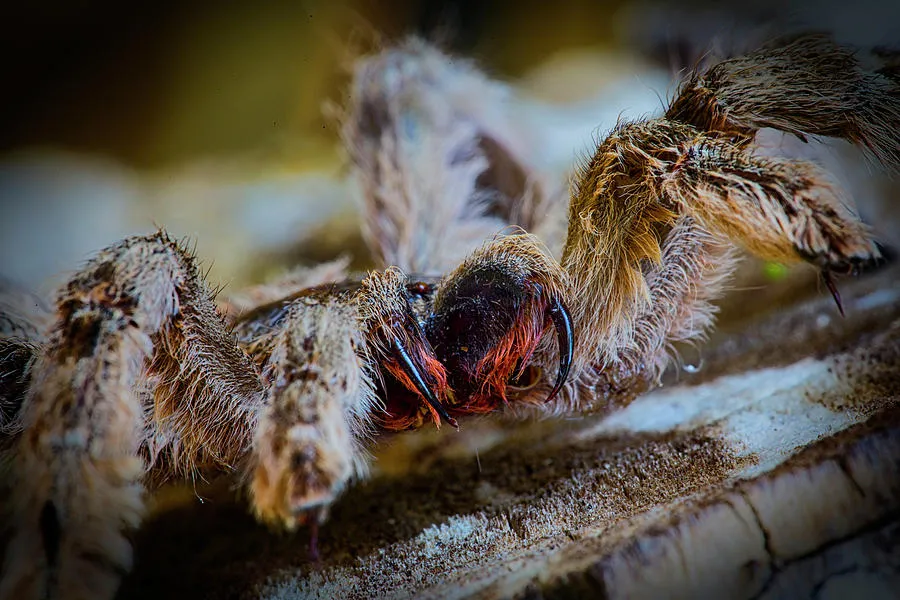
Tarantula Fangs Top 7 Facts
Tarantulas, with their imposing size and hairy bodies, are fascinating creatures. But beyond their appearance lies a complex biological system, and one of the most intriguing aspects is their fangs. These aren’t just any teeth; they are essential tools for survival. This article will explore the top 7 facts about tarantula fangs, offering insights into their structure, function, and importance in the tarantula’s life. From how they use their fangs to capture prey to how they shed and regrow them, we delve deep into this fascinating aspect of tarantula biology. Understanding these facts helps us appreciate the intricate adaptations that allow tarantulas to thrive in various environments. This comprehensive guide provides a detailed look at the often-overlooked world of tarantula fangs, busting myths and providing essential information for both enthusiasts and those new to the world of arachnids.
What Are Tarantula Fangs?
Tarantula fangs, technically called chelicerae, are not like mammal teeth. Instead, they are specialized structures located on the front of the tarantula’s head. These fangs are sharp, often curved, and designed for piercing and injecting venom. The size and shape of the fangs can vary depending on the species and age of the tarantula. Some tarantulas have smaller, more delicate fangs, while others have large, imposing ones. The fangs are made of chitin, the same material that makes up the exoskeleton of the tarantula. This material gives them strength and durability. When a tarantula bites, it uses its fangs to puncture its prey or defend itself, delivering venom that can immobilize or kill. The fang’s structure allows for efficient venom delivery, making them a crucial tool for survival.
Structure and Function of Tarantula Fangs

The structure of tarantula fangs is highly specialized. Each fang is a hollow tube connected to a venom gland located in the tarantula’s head. This design allows the tarantula to inject venom directly into its prey. The fangs are not rigid; they can move slightly to improve the bite’s effectiveness. The tip of the fang is incredibly sharp, allowing it to pierce the exoskeleton of insects and other prey. The shape of the fangs can differ between species. Some have short, stout fangs, while others have long, slender ones. The length and angle of the fangs often correlate with the tarantula’s hunting style and the type of prey it typically captures. Understanding the structure of tarantula fangs is crucial for appreciating their role in survival.
The Role of Fangs in Tarantula Life
Tarantula fangs are vital for survival, serving two primary purposes: predation and defense. They use their fangs to capture, subdue, and sometimes kill their prey. They also use them as a defense mechanism against predators. The efficiency of the fangs directly impacts the tarantula’s ability to feed and protect itself. The tarantula’s survival hinges on its fangs, and understanding these functions is essential for appreciating the complexities of their lives. Without their fangs, tarantulas would be severely limited in what they can eat and defend themselves from. These sharp structures are key to their success as predators and their ability to live and thrive in various habitats.
Fang Use for Predation
Tarantulas are opportunistic hunters, and their fangs are perfectly designed for capturing prey. When a tarantula detects movement, it ambushes its target, quickly using its fangs to deliver a bite. The fangs pierce the prey, and venom is injected. The venom then starts to work quickly, paralyzing or killing the prey. This process allows the tarantula to safely consume its meal. The speed and precision of the bite are crucial for catching and subduing fast-moving insects and other invertebrates. Once the prey is immobilized, the tarantula uses its chelicerae to grind the food and ingest the nutritious fluids. This careful and efficient hunting method highlights the importance of the tarantula’s fangs in its survival and success in the wild.
Fang Use for Defense

Beyond predation, tarantula fangs also serve as a crucial defense mechanism. When threatened, a tarantula will rear up and display its fangs, often accompanied by a hissing sound or a threat posture. This display is designed to scare off potential predators. If the threat persists, the tarantula will bite. The bite delivers venom, which can be painful to humans and incapacitating to smaller animals. While tarantula venom is generally not lethal to humans, it can cause significant discomfort. This defense mechanism helps protect the tarantula from being eaten, playing a crucial role in its survival. The use of fangs for defense is an essential part of the tarantula’s survival strategy, allowing it to protect itself from harm and maintain its place in the ecosystem.
How Tarantulas Shed Their Fangs
Tarantulas, like all arthropods, grow by molting, shedding their exoskeleton. This process also includes shedding their fangs. The old exoskeleton, including the fangs, is replaced by a new, larger one. This allows the tarantula to grow. The molting process is complex and can be a vulnerable time for the tarantula, as it is essentially defenseless while its new exoskeleton hardens. During molting, the tarantula typically flips onto its back, and the old exoskeleton splits open, allowing the tarantula to emerge. The new fangs are soft at first and gradually harden. Understanding this process is key to the health and well-being of a pet tarantula. Proper care during molting, like ensuring a humid environment and avoiding disturbance, can improve the tarantula’s chances of a successful molt.
The Molting Process and Fang Replacement
The molting process is a fundamental aspect of tarantula life. Before molting, the tarantula prepares by creating a new exoskeleton beneath the old one. Once the old exoskeleton splits, the tarantula slowly extracts itself, leaving behind its old skin. This includes the old fangs, which are discarded along with the exoskeleton. The new fangs are soft and pliable at first, gradually hardening over several days. The tarantula is very vulnerable during this time. It cannot feed or defend itself effectively until the new exoskeleton and fangs have fully hardened. The molting process can take several hours or even days. The frequency of molting decreases as the tarantula ages, but it remains a critical part of its growth and development.
Fang Damage and Repair

While tarantula fangs are robust, they can be damaged or broken. Injury to the fangs can occur through various means, such as biting hard objects or during a rough encounter. The tarantula’s ability to repair damaged fangs depends on the severity of the injury and the timing relative to its molt. If a fang is damaged but not completely broken, it may function adequately until the next molt. The new fangs will replace them. If a fang is broken or lost, the tarantula will eventually regrow them during its next molt. This regenerative ability is an essential adaptation, ensuring the tarantula can continue to feed and defend itself. Proper care and a suitable environment can help prevent fang damage, but the molting process is the primary mechanism for repairing and replacing damaged fangs.
Tarantula Species With Unique Fang Characteristics
Different tarantula species exhibit various fang characteristics. These differences in fang size, shape, and venom potency can be related to the tarantula’s hunting style, prey, and environment. For example, some arboreal species may have longer, more slender fangs adapted for piercing insects. Conversely, terrestrial species might possess shorter, sturdier fangs for dealing with larger prey. Understanding these variations provides insight into the ecological adaptations of different tarantula species. These variations show how tarantulas have evolved to fill different ecological niches. Studying these differences can also aid in proper care, highlighting the importance of understanding the specific needs of each species.
Fang Size and Shape Variation
The size and shape of tarantula fangs can vary significantly among different species. Some species have massive fangs, designed for taking down larger prey or for defense. Others have smaller, more delicate fangs, better suited for capturing smaller insects. The shape of the fangs also varies. Some are long and needle-like, while others are shorter and curved. These differences are often related to the tarantula’s diet and preferred hunting methods. For example, tarantulas that hunt in burrows might have shorter, sturdier fangs to handle the resistance of the soil and fight off potential predators. These variations show the remarkable diversity within the tarantula family and highlight the influence of evolutionary pressures on their physical attributes.
Venom Delivery Through Fangs

Tarantula fangs are not just for piercing; they are also the means by which venom is delivered. The fangs are connected to venom glands, and when the tarantula bites, the venom is injected into the prey. The composition and potency of the venom vary among different tarantula species. Some venoms are highly effective at immobilizing prey quickly, while others primarily cause pain. The venom’s function is to incapacitate or kill the prey, allowing the tarantula to feed efficiently. The venom also helps in the initial stages of digestion, breaking down the prey’s tissues. Studying tarantula venom is a field of ongoing research, with scientists exploring its potential applications in medicine and other areas. The unique delivery system and the complex components of venom make it a fascinating area of study.
Factors Affecting Fang Health
Maintaining healthy fangs is crucial for a tarantula’s overall well-being. Several factors can influence the health and condition of a tarantula’s fangs. These include the tarantula’s diet, the environmental conditions in its enclosure, and any potential injuries it may sustain. Proper care, a balanced diet, and a safe environment are essential for ensuring that the tarantula’s fangs remain in optimal condition. Understanding these factors helps the owner provide the best possible care, preventing potential problems and promoting a long and healthy life for the tarantula.
Diet and Nutrition
A balanced diet is essential for tarantula health, including fang health. Tarantulas require a diet rich in the nutrients they need to maintain their overall health. Feeding tarantulas appropriately sized prey items is crucial. Feeding too large prey can lead to fang damage, as the tarantula may struggle to handle its meal. Providing a varied diet, consisting of different insects, can provide a range of nutrients to support the tarantula’s health. Regular feeding schedules and monitoring the tarantula’s feeding habits are essential. A well-nourished tarantula will be more likely to have strong, healthy fangs and a better ability to molt successfully.
Environmental Conditions

The environmental conditions within the tarantula’s enclosure can also impact fang health. Maintaining the correct temperature and humidity levels is essential for the tarantula’s overall health and molting process. A dry environment can lead to difficulties during molting. This can potentially damage the fangs. The enclosure should be clean and free from sharp objects that could injure the tarantula’s fangs. Providing appropriate substrate allows the tarantula to create a burrow, and providing a hiding place reduces stress and potential injuries. Regularly checking the enclosure and making adjustments as needed can help maintain a healthy environment and ensure the tarantula’s fangs remain in good condition.
How to Recognize a Tarantula Fang Injury
It is important to recognize any signs of a fang injury. These injuries can range from minor damage to complete fang loss. Prompt identification can help ensure timely intervention. Regular observation and understanding the signs of fang injuries can help you take appropriate action. If you suspect a fang injury, it’s best to consult with an expert or experienced tarantula keeper to receive advice. The health and well-being of the tarantula depend on detecting and addressing these issues promptly.
Signs of Fang Damage
Several signs can indicate a tarantula fang injury. These include visible damage, such as cracks, chips, or breaks in the fang. Changes in the tarantula’s eating habits, such as refusing food, might signal fang damage. Other signs can include difficulty biting or handling prey or signs of the tarantula rubbing its fangs. Observing the tarantula closely and paying attention to these signs will help identify any potential problems early on. It is essential to differentiate between a normal molt and a true injury, as the former is a natural process and the latter requires intervention.
What to Do if a Tarantula Loses a Fang

If a tarantula loses a fang, it’s essential to remain calm and assess the situation. In most cases, a lost fang is not a life-threatening event. The tarantula will regrow the fang during its next molt. The owner should keep the tarantula in a safe, stress-free environment. Ensure the tarantula has access to food, even if it struggles to feed. Monitor the tarantula for any signs of infection, such as swelling or discoloration around the bite area. If the situation worsens or the tarantula shows signs of distress, consulting a veterinarian or an expert is crucial. Understanding how to manage fang loss can minimize the impact on the tarantula and promote its recovery.
Myth vs Reality About Tarantula Fangs
Many misconceptions surround tarantula fangs and their venom. Understanding these myths and separating them from reality is crucial for responsible tarantula care and handling. Separating fact from fiction provides a more accurate view of tarantulas and can reduce the unnecessary fear or apprehension surrounding them. By addressing these common myths, we can promote a more informed perspective of these unique creatures.
Common Misconceptions
One common misconception is that all tarantula bites are deadly to humans. While tarantula venom can be painful, it is generally not life-threatening. Another misconception is that all tarantulas have highly potent venom. The venom potency can vary significantly between species, with some being milder than others. Another common myth is that tarantula fangs are always used to bite humans. In reality, tarantulas only bite as a last resort. Another is that all tarantulas can spit venom. Only certain species have this ability. Debunking these misconceptions helps promote a more accurate understanding of tarantulas and their behavior. This knowledge is helpful for both pet owners and those interested in these fascinating creatures.
Interesting Facts About Tarantula Fangs

In conclusion, tarantula fangs are much more than just teeth; they are essential tools that play a crucial role in the tarantula’s survival. From their structure and function to their use in predation and defense, these fangs showcase the remarkable adaptations of these creatures. Understanding these 7 facts offers valuable insights into the fascinating world of tarantulas, their behavior, and the importance of their fangs. By dispelling myths and providing accurate information, this article hopes to foster a greater appreciation for these amazing arachnids. The more you learn about these fascinating creatures, the better you can appreciate their place in the natural world and the vital role their fangs play in their survival.