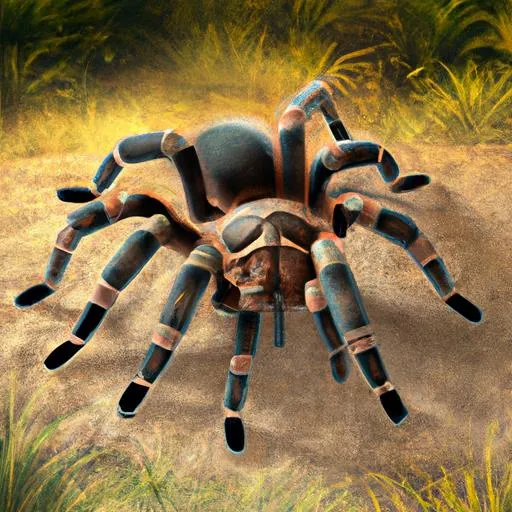
Tarantula Facts An Introduction
Tarantulas, with their imposing size and often hairy appearance, have captivated and, in some cases, frightened humans for centuries. These arachnids, belonging to the Theraphosidae family, are found in various habitats around the world, from tropical rainforests to deserts. This article aims to delve into the fascinating world of tarantulas, exploring their biology, behavior, and the intriguing facts that make them such compelling creatures. We will uncover the mysteries surrounding these often misunderstood animals, shedding light on their lifestyles and addressing some common misconceptions.
What Exactly is a Tarantula?
A tarantula is a large, hairy spider, typically characterized by its size and robust build. They are part of the Theraphosidae family, a group of spiders known for their impressive dimensions and diverse appearances. Unlike many other spiders, tarantulas are known for their relatively docile nature, although their size can be intimidating. They possess eight legs, two body segments (cephalothorax and abdomen), and a pair of chelicerae used for biting and injecting venom. The term ’tarantula’ can refer to several genera and species, each with unique characteristics and adaptations.
The History of Tarantulas

The history of tarantulas is interwoven with human encounters, cultural perceptions, and scientific discoveries. Early explorers and naturalists documented these spiders, often with a mix of fascination and fear. Their name is believed to originate from the town of Taranto, Italy, where a large wolf spider species was once prevalent. The association with ’tarantism,’ a condition characterized by frenzied dancing, further fueled the mystique surrounding these creatures. Over time, scientific advancements have helped to understand their biology, behavior, and ecological roles, moving beyond folklore and superstition.
Top 7 Amazing Tarantula Facts
Here are seven amazing facts about tarantulas that showcase the unique aspects of their lives and biology.
Fact 1 Size and Appearance of Tarantulas
Tarantulas are among the largest spiders in the world. Their size varies depending on the species, with some reaching leg spans of over 10 inches. Their bodies are covered in hairs, which serve various functions, including sensory perception and defense. Colors range from earthy browns and blacks to vibrant blues and oranges, depending on the species. These variations in color and size are some of the most fascinating aspects of their appearance, making each species unique and visually striking. The size of a tarantula is often a key factor in attracting both predators and prey.
Fact 2 Tarantula Habitats

Tarantulas are incredibly adaptable and can be found in a wide range of habitats. They thrive in tropical rainforests, grasslands, deserts, and even mountainous regions. Some species are terrestrial, constructing burrows in the ground, while others are arboreal, living in trees. The habitat of a tarantula greatly influences its behavior, diet, and appearance. The ability to adapt to different environments is crucial to their survival and the diversity of the species we see today. Understanding their habitat is essential for their conservation.
Fact 3 Tarantula Diet and Hunting
Tarantulas are primarily carnivorous, with their diet consisting mainly of insects, but they also eat small vertebrates like lizards, frogs, and even small birds. They are ambush predators, waiting patiently for prey to come within striking distance. They use their chelicerae (fangs) to inject venom, which paralyzes the prey. The tarantula then uses enzymes to digest the prey’s body, effectively turning it into a liquid that they can consume. This hunting strategy is a fascinating example of adaptation, enabling them to thrive in various environments.
Fact 4 Tarantula Lifespan
One of the most remarkable tarantula facts is their longevity. Female tarantulas can live for over 20 years in captivity, while males typically live shorter lives, often only a few years, as they tend to die shortly after mating. This extended lifespan is an anomaly in the spider world and is attributed to their slow metabolism and low activity levels. The long lifespan of female tarantulas makes them popular pets, but it also requires careful and long-term commitment from their owners. The lifespan is dependent on various factors such as diet, environment, and genetics.
Fact 5 Tarantula Venom and Bite

While tarantulas are venomous, their venom is generally not considered dangerous to humans. The bite of a tarantula can be painful, similar to a bee sting, and may cause localized swelling, redness, and discomfort. Allergic reactions are rare but possible. Tarantula venom is primarily used to subdue prey, not to inflict significant harm on larger animals. The risk associated with tarantula bites is often overstated. However, it is always advisable to seek medical attention if there are any serious symptoms after a bite.
Fact 6 Tarantula Behavior and Temperament
Tarantulas are often solitary creatures, spending most of their lives alone. Their behavior varies, with some species being more docile than others. They can be defensive when threatened, raising their front legs, and flicking urticating hairs from their abdomen. These hairs cause irritation upon contact and are a form of defense. Their temperament can depend on species, age, and environmental factors. Observing the behaviour of tarantulas can reveal much about their well being and the way they adapt to their surroundings.
Fact 7 Tarantulas as Pets
Tarantulas are popular pets due to their low-maintenance requirements and intriguing behavior. They require a terrarium with appropriate substrate, temperature, and humidity. Their diet consists of insects, and they need a water source. Handling should be done carefully, as tarantulas can be skittish and easily injured. Owning a tarantula is a rewarding experience for those who appreciate these fascinating creatures. Proper research and preparation are crucial for providing a healthy and stimulating environment for the tarantula.
Tarantula Facts Final Thoughts

Tarantulas are remarkable creatures with many fascinating facts. From their size and appearance to their behavior and lifespan, these arachnids continue to captivate our interest. Understanding their biology, habitat, and behavior allows for a greater appreciation of these fascinating animals. By dispelling myths and promoting knowledge, we can foster respect for these amazing creatures and the vital role they play in our ecosystem.