7 Amazing Tarantula Facts
Tarantulas, those hairy, captivating arachnids, often evoke a mix of fascination and fear. These impressive spiders, with their imposing size and intriguing behaviors, have captivated the attention of scientists, pet enthusiasts, and nature lovers alike. But beyond their intimidating appearance lies a world of fascinating facts, adaptations, and ecological roles that are often overlooked. Prepare to delve into the captivating realm of tarantulas and discover seven amazing facts that will transform your perspective on these remarkable creatures. From their physical attributes to their complex life cycles and conservation status, this exploration will unveil the true wonders of the tarantula.
Tarantula Fact 1 Appearance and Physical Traits
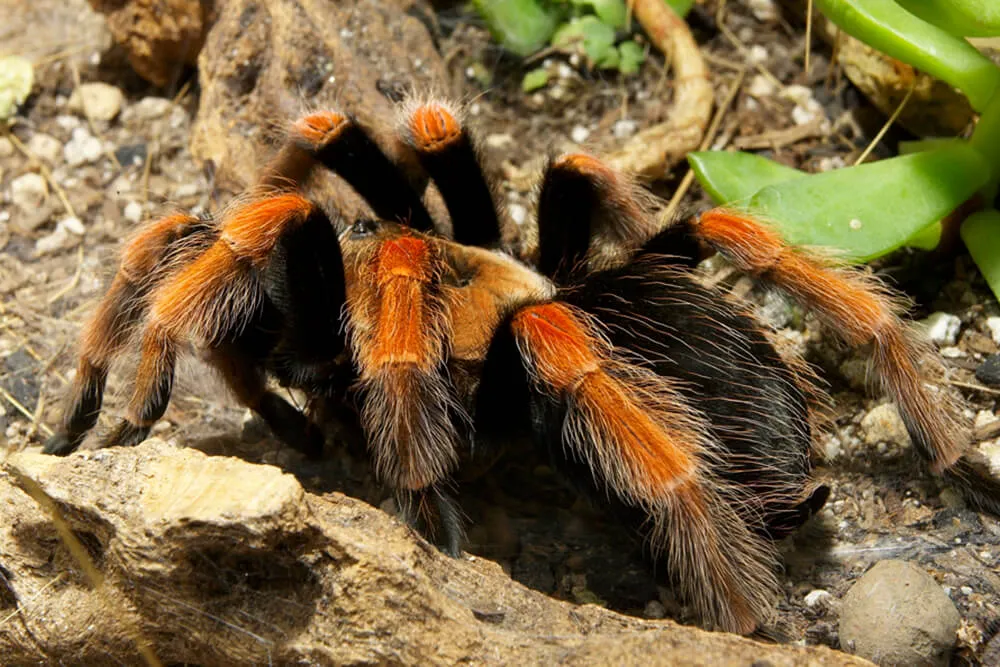
Tarantulas are easily recognizable by their large size, hairy bodies, and eight long legs. Their bodies are divided into two main parts the cephalothorax (fused head and chest) and the abdomen. The cephalothorax houses the spider’s brain, eyes, mouthparts (chelicerae and pedipalps), and legs. The abdomen contains the heart, digestive system, and reproductive organs. One of the most distinctive features of a tarantula is its hairy body, which serves various purposes, including sensory perception, insulation, and defense. The hairs can also have urticating properties, which can irritate the skin of potential predators. Tarantulas come in a wide range of colors and patterns, depending on the species and habitat, from the vibrant blues and oranges to the more subdued browns and blacks.
Tarantula Fact 2 Where They Live

Tarantulas are found in a variety of habitats across the globe, primarily in tropical and subtropical regions. Their distribution includes the Americas, Africa, Asia, and Australia. These adaptable creatures have successfully colonized diverse environments, including rainforests, grasslands, deserts, and even urban areas. They are typically terrestrial, living in burrows, under rocks, or in crevices. Some species, such as the arboreal tarantulas, are adapted to living in trees. The specific habitat preferences of tarantulas vary depending on the species, but factors such as temperature, humidity, and the availability of prey play crucial roles in their survival. For example, some tarantulas prefer humid environments, while others have adapted to the arid conditions of deserts.
Tarantula Fact 3 What They Eat
Tarantulas are primarily carnivores, with their diet consisting mainly of insects, but also small vertebrates. Their prey includes crickets, cockroaches, beetles, and other invertebrates. Larger tarantulas can also consume small lizards, frogs, and even baby birds or mice. Tarantulas use their fangs to inject venom into their prey, which immobilizes and begins to digest it. The spider then uses its chelicerae to grind the prey into a liquid form, which it consumes. The specific prey items of a tarantula depend on its size, location, and the availability of food sources. Juvenile tarantulas typically eat smaller insects, while adults are capable of taking down larger prey. They are opportunistic hunters, ambushing their prey rather than actively pursuing it.
Tarantula Fact 4 Tarantula Venom and Bites
While tarantulas are venomous, their bites are generally not considered life-threatening to humans. The venom is primarily used to subdue prey, and its effects on humans are typically mild, causing localized pain, swelling, and itching. However, individuals with allergies may experience more severe reactions. It is essential to note that tarantulas are generally not aggressive and will only bite if they feel threatened or provoked. The severity of a tarantula bite can also depend on the species and the amount of venom injected. Always seek medical attention if you experience severe symptoms after a tarantula bite. It is generally recommended to avoid handling tarantulas unnecessarily and to observe them from a safe distance.
Tarantula Fact 5 Tarantulas as Pets

Tarantulas have become increasingly popular as pets, offering a unique and low-maintenance option for animal lovers. They are relatively easy to care for, requiring a suitable enclosure, appropriate temperature and humidity levels, and a regular supply of food. Different tarantula species have varying care requirements, so it is essential to research the specific needs of the species before acquiring one. Tarantulas are generally solitary creatures, so they are best kept individually. They provide an interesting pet experience, allowing owners to observe their fascinating behaviors, such as hunting, molting, and burrowing. However, it is important to remember that tarantulas are not suitable pets for everyone, as their handling can be risky, and they may not be as interactive as other pets.
Tarantula Fact 6 Tarantula Lifespan
One of the most remarkable aspects of tarantulas is their longevity. Female tarantulas can live for many years, often exceeding 20 years in captivity, while males typically have a shorter lifespan, often only living for a few years after reaching maturity. Several factors contribute to their lifespan, including genetics, diet, and environmental conditions. In the wild, the lifespan of tarantulas can be affected by predation, habitat loss, and other environmental factors. The extended lifespan of female tarantulas is likely related to their role in reproduction, as they need to survive long enough to lay multiple egg sacs. The long lifespan of tarantulas makes them a significant commitment for pet owners, emphasizing the importance of responsible pet ownership.
Tarantula Fact 7 Tarantula Conservation Status
While tarantulas are not generally considered to be globally threatened, several species face conservation challenges. Habitat loss, due to deforestation, urbanization, and agricultural expansion, is a significant threat to many tarantula populations. Illegal collection for the pet trade also poses a risk, as it can deplete wild populations. Climate change can also impact tarantulas by altering their habitats and food sources. Conservation efforts are crucial to protect these amazing creatures, including habitat preservation, sustainable pet trade practices, and public awareness campaigns. Supporting conservation organizations and advocating for responsible environmental practices are essential steps in ensuring the survival of tarantulas for future generations. It is our responsibility to learn about these animals and support their well-being.