Amazing Tarantula Facts
Tarantulas, with their impressive size and often intimidating appearance, are fascinating creatures. These large, hairy spiders belong to the Theraphosidae family and are found in various habitats around the world. They are not only interesting from a biological perspective but also play a crucial role in their ecosystems. This article delves into 5 amazing facts about tarantulas, covering their physical characteristics, habitat, diet, defensive mechanisms, and lifespan. Prepare to be amazed by these incredible arachnids and gain a deeper appreciation for their existence and behaviors.
Appearance and Physical Characteristics
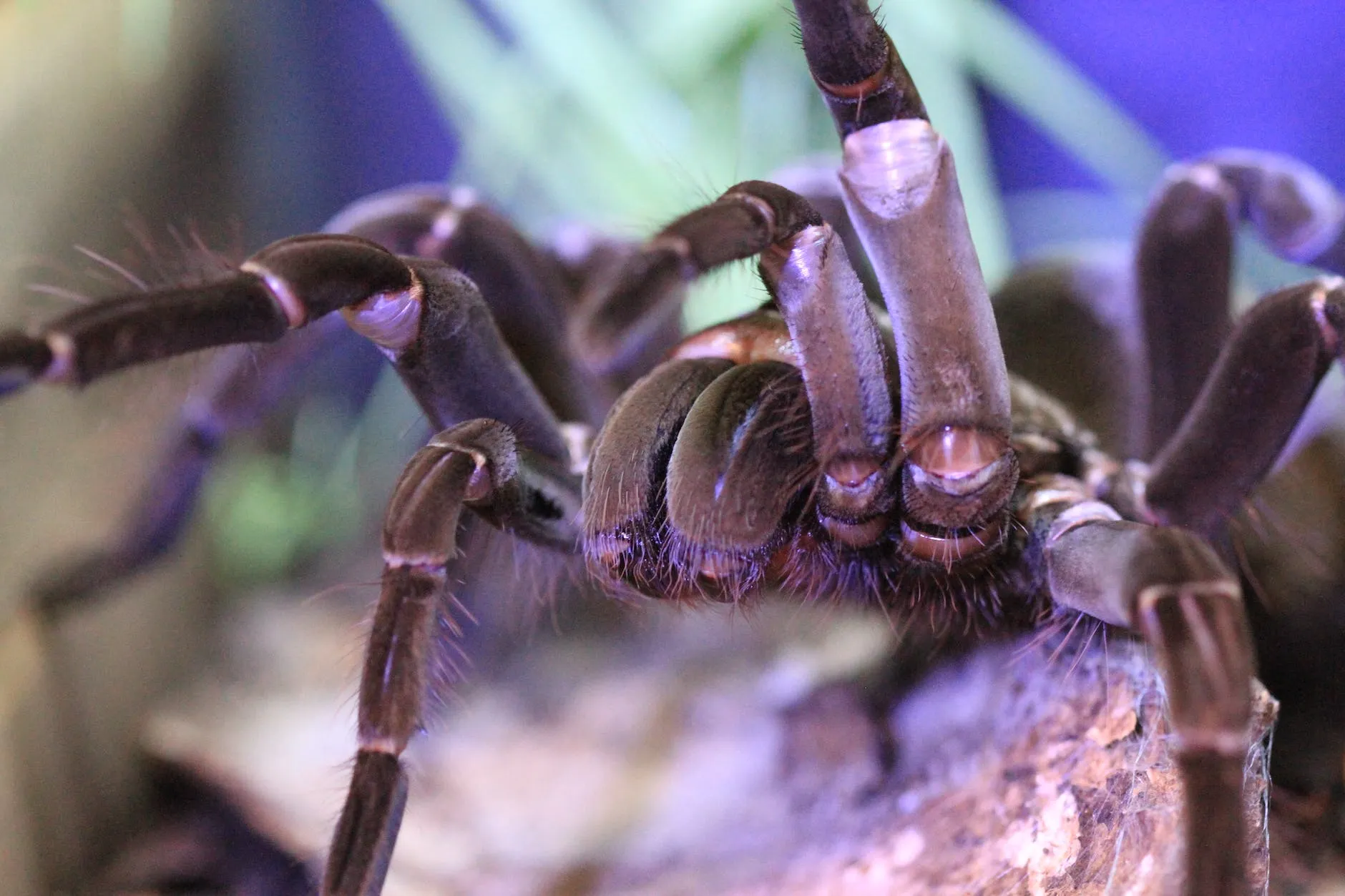
Tarantulas are easily recognizable due to their large size and hairy bodies. They exhibit a wide range of colors and patterns, varying significantly between species. Their bodies are divided into two main parts the cephalothorax (head and thorax combined) and the abdomen. They possess eight legs, two pedipalps (used for sensing and manipulating food), and typically eight eyes arranged in various patterns, though their eyesight is not their primary sensory tool. The presence of urticating hairs on their abdomen is another key feature, used for defense.
Size and Weight

The size of a tarantula varies greatly depending on the species. Some, like the Goliath Birdeater, can have a leg span of over 12 inches, making them one of the largest spiders in the world. The weight also varies, with larger species weighing several ounces. Generally, males tend to be smaller than females, especially as they mature. This size difference plays a crucial role in their mating behavior and overall survival strategies. Comparing the tarantula size to common objects can often help the average person visualize the size.
Color and Markings
The colors and markings of tarantulas are incredibly diverse. They can range from solid colors like black, brown, and gray to vibrant hues of blue, orange, and red. Some species have intricate patterns and stripes on their legs and bodies, providing camouflage in their natural habitats. These colors and patterns serve various purposes, including camouflage, attracting mates, and signaling warnings to potential predators. The vivid coloration of some tarantulas has also made them popular in the pet trade, with people keeping the brightly colored species as pets.
Habitat and Distribution
Tarantulas are found in a wide range of habitats, primarily in tropical and subtropical regions around the world. They are most diverse in the Americas, but also inhabit parts of Africa, Asia, and Australia. Their adaptability allows them to thrive in various environments, from rainforests and grasslands to deserts and scrublands. The specific habitat of a tarantula species often dictates its physical characteristics and behavior. Understanding their habitats provides important insights into their life cycles and conservation needs.
Where Tarantulas Live

Tarantulas live in various environments depending on the species. Some are terrestrial, living in burrows dug into the ground or under rocks and logs. Others are arboreal, living in trees and shrubs. Some species also inhabit caves or crevices. The location of their dwellings is often determined by factors like prey availability, climate, and the presence of predators. They often create silk-lined burrows or shelters to protect themselves from the elements and provide a safe haven. These different lifestyles dictate the spider’s behavior and other adaptations.
Different Tarantula Habitats
The habitats of tarantulas are diverse. Some, like the Chilean Rose tarantula, are found in arid environments like deserts and scrublands. Others, such as the Goliath Birdeater, inhabit tropical rainforests. The Pinktoe tarantula prefers the arboreal life in the tropical rainforests of South America and the Caribbean. Each habitat presents unique challenges and opportunities for the tarantulas that live there, influencing their evolution and survival strategies. Their ability to adapt to such varied environments highlights their resilience as a species.
Tarantula Diet
Tarantulas are primarily carnivorous, meaning they feed on other animals. Their diet consists mainly of insects, but larger species may also consume small vertebrates like lizards, frogs, and even small birds or rodents. They are ambush predators, waiting patiently for prey to come within striking distance before launching their attack. Their feeding habits are essential to their survival and contribute to the balance of their ecosystems. The specific diet varies depending on their size and habitat.
What Do Tarantulas Eat

The diet of tarantulas largely depends on their size and the availability of prey in their environment. Smaller tarantulas typically feed on insects such as crickets, mealworms, and roaches. Larger species can consume larger prey items, including small vertebrates. They use their fangs to inject venom into their prey, which immobilizes it and begins the digestion process. The tarantula then uses its chelicerae (mouthparts) to break down the prey and consume the resulting nutrient-rich meal.
Feeding Habits in Captivity
In captivity, tarantulas are typically fed a diet of commercially available insects, such as crickets and roaches. The frequency of feeding depends on the age and size of the tarantula. Younger tarantulas may need to be fed more frequently, while adults can often eat less often. It’s important to provide a varied diet and ensure that the prey is gut-loaded with nutritious food before feeding it to the tarantula. This helps maintain the health and well-being of the captive tarantula.
Defensive Mechanisms
Tarantulas have evolved several defensive mechanisms to protect themselves from predators. These include their bite and venom, as well as the use of urticating hairs. These hairs are a form of defense found on the abdomens of many tarantula species. When threatened, the tarantula flicks these hairs towards the attacker, causing irritation. Additionally, tarantulas may also use their fangs and venom as a last resort defense, though it’s used less frequently. These mechanisms help them to survive in their natural environments.
Bite and Venom

Tarantulas possess fangs and venom, which they use to subdue prey. While their bite can be painful, most tarantulas are not considered highly venomous to humans. The effects of a bite can vary depending on the species, the amount of venom injected, and the individual’s sensitivity. Symptoms may include pain, swelling, and muscle cramps, but serious reactions are rare. It’s important to seek medical attention if you experience any severe symptoms after a tarantula bite.
Hairs and Irritation
Many tarantula species have urticating hairs on their abdomens. These hairs are barbed and can cause significant irritation upon contact with skin or eyes. When threatened, tarantulas will flick these hairs towards the perceived threat. The resulting irritation can cause itching, redness, and discomfort. It’s advisable to avoid handling tarantulas and to be cautious when cleaning their enclosures to minimize exposure to these hairs, as they can linger and cause reactions for days.
Lifespan
The lifespan of a tarantula varies greatly depending on the species, sex, and living conditions. Female tarantulas typically live much longer than males. Some species can live for over 20 years in the wild or captivity, while males often die soon after reaching maturity and mating. Factors such as diet, habitat, and overall health influence their lifespan. The longevity of tarantulas makes them popular pets, as they provide years of companionship and observation for their keepers.
How Long Do Tarantulas Live

Female tarantulas can live for a remarkably long time, with some species living for over 20 to 30 years. Males, on the other hand, typically have a much shorter lifespan, often only living for a few years after reaching maturity. The average lifespan is often a topic of interest for tarantula enthusiasts and potential pet owners. Understanding the lifespan is crucial for planning their care and providing the best possible environment for them. Several factors play into the variance of lifespan.
Factors Influencing Lifespan
Several factors influence the lifespan of a tarantula. These include diet, habitat quality, and overall health. Providing a proper diet with appropriate nutrition is essential for their longevity. A stable and suitable habitat, with proper temperature and humidity, can greatly impact their lifespan. Regular health checks and proper care can also contribute to a longer life. Additionally, the stress of the tarantula can also be a factor. All these elements together contribute to how long a tarantula will live.
In conclusion, tarantulas are truly amazing creatures with remarkable adaptations and characteristics. Their diverse appearances, habitats, diets, and defensive mechanisms make them fascinating subjects of study. From the vibrant colors of the Pinktoe tarantula to the imposing size of the Goliath Birdeater, these arachnids continue to capture the interest of scientists and enthusiasts alike. Understanding tarantulas offers insights into the diversity of life on Earth and the fascinating world of arachnids. These facts only touch the surface of what makes these spiders so special.