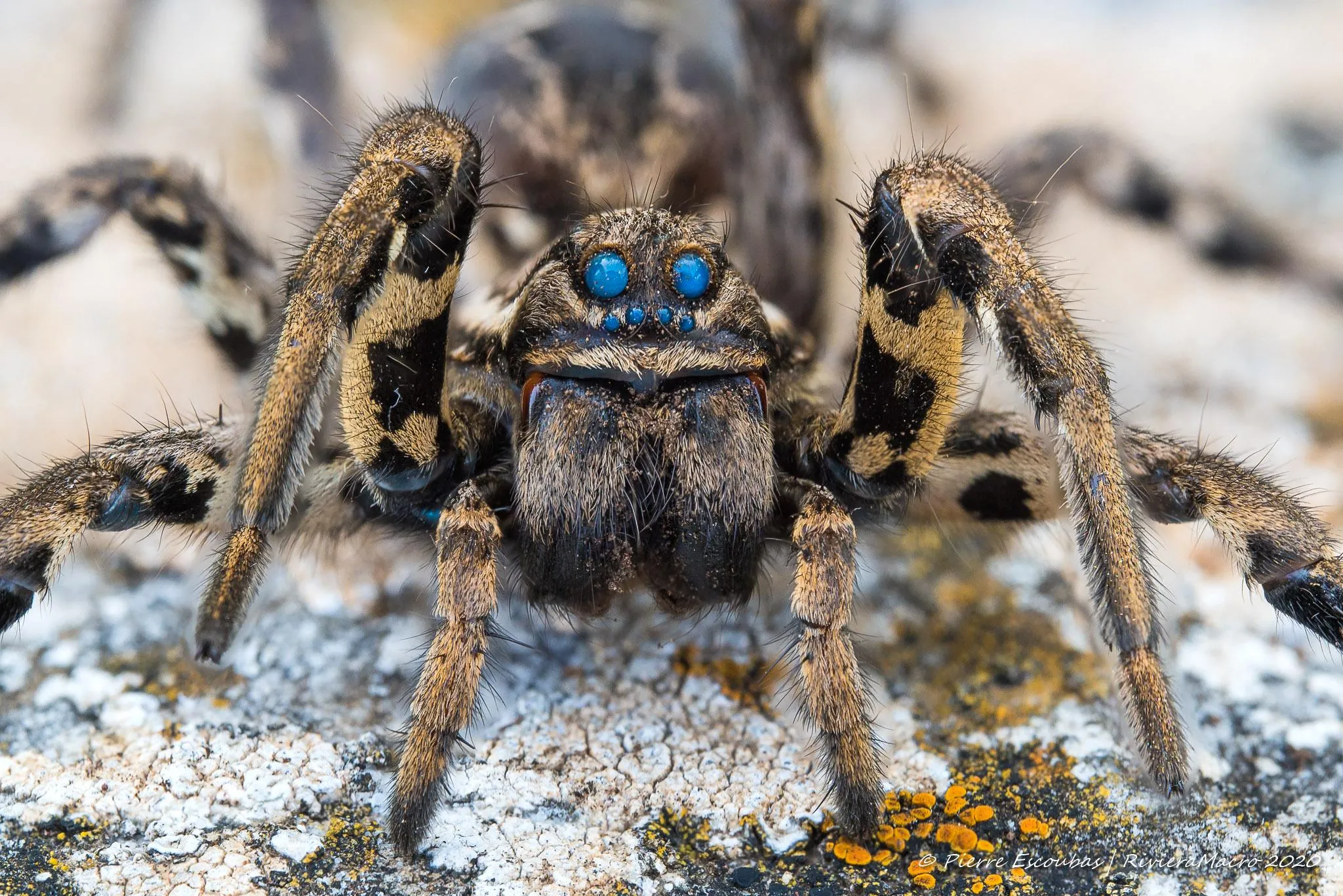
The World Through Tarantula Eyes
Tarantulas, despite their fearsome reputation, possess a fascinating visual system that allows them to navigate their world. Understanding the eyes of a tarantula is key to appreciating these creatures. They are not known for having the best eyesight compared to other creatures, but their eyes are perfectly adapted for their lifestyle as ambush predators. Their vision, while different from ours, plays a crucial role in their survival, enabling them to hunt, avoid danger, and interact with their environment. These incredible arachnids use their multiple eyes to perceive the world in a unique way. The following sections explore the amazing facts about tarantula eyes, providing insights into their structure, function, and how they contribute to the tarantula’s survival.
The Number and Placement of Tarantula Eyes
Most tarantulas have eight eyes, though the exact arrangement and size can vary slightly between species. These eyes are typically arranged in two rows, with the four smaller eyes positioned in the front and the four larger ones on the sides of the carapace. This arrangement provides tarantulas with a wide field of view, helping them detect movement from various angles. The positioning of the eyes is strategic. They are not like our single-lens eyes. They have multiple simple eyes, each with a single lens, enabling them to detect light, shadow, and motion. The arrangement is a trade-off, giving them good all-around awareness, which is very important for an ambush predator.
Primary vs. Secondary Eyes

Tarantulas’ eyes are often categorized into primary and secondary eyes, though the distinction isn’t always so clear. The primary eyes, usually the two central eyes, are the ones thought to be responsible for forming the most detailed images, albeit still at a relatively low resolution. Secondary eyes, on the other hand, are primarily used for detecting movement and changes in light levels. These secondary eyes are positioned around the primary eyes, providing a broader range of vision, and they also detect light and shadow. This combination of eyes helps tarantulas create a picture of their surroundings, including the potential presence of prey or predators. The different types of eyes work together to ensure the tarantula can effectively navigate its environment.
What Tarantulas See: Light, Shadow, and Movement
The visual world of a tarantula is significantly different from ours. Their eyes are not capable of producing detailed, high-resolution images like human eyes. Instead, tarantulas rely heavily on detecting light, shadow, and movement. This ability is crucial for their survival, allowing them to identify potential prey, avoid predators, and navigate their surroundings. Understanding how they perceive these elements provides valuable insight into their hunting strategies and defensive mechanisms. This sensory information, even without the ability to see fine details, is essential for these creatures to thrive in their environment. The combination of light, shadow, and motion detection provides them with enough information to make key decisions for survival.
Detecting Movement
One of the most critical functions of a tarantula’s eyes is the detection of movement. This is how they primarily identify prey and react to threats. The secondary eyes are particularly sensitive to movement. They can detect the slightest changes in the environment, allowing the tarantula to quickly react to any potential danger or opportunity. This ability to detect movement is so sensitive that it can spot a moving insect from a distance. This remarkable adaptation is a key to their hunting success, enabling them to ambush prey with precision. The ability to spot motion is, therefore, more crucial than detailed sight for survival.
Distinguishing Light and Shadow

Tarantulas can distinguish between light and shadow, which helps them navigate their environment and seek shelter. This sensitivity to light levels helps them assess the time of day and seek suitable environments. They often prefer shaded areas during the day and become more active at dusk or night. By detecting changes in light and shadow, tarantulas can position themselves effectively for hunting or hiding. This is useful for them because they are often active at night to hunt. Changes in light also help the tarantulas keep track of time, telling them when to seek shelter or hunt. This ability to distinguish light and shadow is, therefore, critical for their survival.
Color Vision in Tarantulas
While it was once believed that tarantulas could only see in shades of gray, recent studies suggest that some species may possess some degree of color vision. The exact extent of their color perception is still being researched, but evidence suggests they might be able to distinguish between certain colors, particularly in the green and blue spectrums. This ability, although limited, could help them identify potential prey or navigate their surroundings more effectively. More research is still being done to study the color vision in the different species of tarantulas. Although their color vision is not as advanced as in humans, it is still important for their behavior and lifestyle.
The Role of Eyesight in Tarantula Behavior
A tarantula’s eyesight is critical to many aspects of its behavior, including how it hunts, navigates, and defends itself. Their visual capabilities are finely tuned to their specific needs, enabling them to thrive in diverse environments. From their ambush hunting style to their ability to evade predators, their eyes are key to survival. Understanding how tarantulas use their vision gives valuable insights into the complexities of their lives and behavior. The following sections will discuss the role that eyesight plays in the different behaviors.
Hunting and Prey Detection

Tarantulas are primarily ambush predators, and their eyesight plays a crucial role in their hunting strategy. They wait patiently for prey to come within striking distance, relying on their ability to detect movement. When a potential meal moves into their range, the tarantula uses its keen eyesight to judge the distance and time the strike perfectly. Their eight eyes work together to give them a broad view of their surroundings, making it difficult for prey to escape. The visual input, combined with their other senses like vibrations, helps them execute their hunt with impressive precision. Therefore, eyesight is essential for detecting prey and performing the hunting tasks.
Navigating the Environment
Tarantulas use their eyesight to navigate their surroundings, helping them find shelter, identify suitable hunting spots, and avoid obstacles. They use visual cues, like light and shadow, to orient themselves and move efficiently. They also rely on landmarks in their environment to create a mental map of their territory. This ability to navigate is particularly important for burrowing species, which must be able to find their way back to their dens. The eyesight is combined with other sensory inputs, like touch, to give the tarantula a complete picture of the environment.
Avoiding Predators
Tarantulas are preyed upon by various animals, and eyesight is essential to their defense. They can detect the approach of potential predators, giving them time to escape or prepare for a fight. The ability to spot movement is especially crucial in this regard, enabling them to react quickly to danger. They use their vision to assess the distance and threat level of the predator, allowing them to choose the best course of action, whether that’s fleeing, hiding, or displaying a defensive posture. The eyesight and the spider’s reaction to the predators are, therefore, part of their survival mechanisms.
Other Sensory Abilities

While eyesight is important, tarantulas have other sensory abilities that complement their vision. These senses work together to provide a comprehensive understanding of their surroundings, enabling them to thrive in their environment. The following sections explore these other important sensory systems. The interplay of these different senses contributes to the tarantula’s ability to survive.
Tactile Senses
Tarantulas have a highly developed sense of touch, using tiny hairs called setae that cover their bodies to detect vibrations, air currents, and contact with objects. These setae are particularly sensitive on their legs and pedipalps, allowing them to feel their way through their environment and detect the presence of prey or predators. They use the tactile senses to navigate through the darkness. The tactile senses are essential for their survival, particularly in the dark, when they are often active.
Chemoreception
Tarantulas also rely on chemoreception, which involves sensing chemicals in their environment through taste and smell. They have chemoreceptors located on their legs, pedipalps, and mouthparts, allowing them to detect the presence of food, potential mates, and other important chemical signals. This sense of smell is useful for detecting the presence of prey, which can be detected from a distance. The chemoreceptors give the spiders important information to find food and potential mates.