Understanding Tarantula Enclosures Needs
Caring for a tarantula is a rewarding experience, and providing the right enclosure is paramount to their health and well-being. A well-designed habitat not only provides a safe and comfortable environment but also allows you to observe these fascinating creatures. Understanding the specific needs of your tarantula species is the first step in evolving your setup. Different species have varying requirements for temperature, humidity, and substrate, so research is key. Consider factors such as the tarantula’s size, terrestrial or arboreal lifestyle, and natural habitat. A properly planned enclosure will mimic their natural environment, ensuring they thrive in your care.
The Importance of a Good Enclosure
The enclosure is more than just a container it is your tarantula’s entire world. It provides shelter, regulates temperature and humidity, and offers opportunities for enrichment. A good enclosure allows your tarantula to exhibit natural behaviors, such as burrowing, web-spinning, and hunting. It also protects the tarantula from potential dangers, such as falls or escapes. The right enclosure contributes to a stress-free environment, which is crucial for the tarantula’s overall health. Stress can weaken their immune system and make them more susceptible to illness. Investing time and effort in creating a suitable enclosure is an investment in your tarantula’s longevity and happiness.
Size Matters Choosing the Right Enclosure Size

Choosing the right size enclosure is critical for your tarantula’s well-being. An enclosure that is too small can restrict movement and growth, while one that is too large can make it difficult for the tarantula to find food and feel secure. The appropriate size depends on the tarantula’s life stage, with different needs for spiderlings, juveniles, and adults. It’s important to provide an enclosure that allows for natural behaviors without overwhelming the spider.
For Spiderlings
Spiderlings, or baby tarantulas, require smaller enclosures to feel secure and easily find food. A deli cup or small plastic container with adequate ventilation is often suitable. The enclosure should be just large enough to allow the spiderling to move around and establish a burrow or hide. This setup prevents the spiderling from feeling overwhelmed and reduces the risk of it getting lost or struggling to find prey. Frequent feeding and maintaining appropriate humidity levels are important for their growth.
For Juvenile Tarantulas
As tarantulas grow, they need larger enclosures. Juvenile tarantulas benefit from enclosures that are several times their leg span. This allows for more exploration and activity. A 5-10 gallon terrarium or a similar sized plastic enclosure often works well. Provide ample substrate for burrowing species and plenty of climbing opportunities for arboreal species. Consider the final adult size of the species when choosing the enclosure size, planning for the future needs.
For Adult Tarantulas

Adult tarantulas require the largest enclosures. The general rule is that the enclosure should be at least three times the tarantula’s leg span in width and length. The height depends on the species arboreal tarantulas need taller enclosures. A 10-20 gallon terrarium or larger is typically necessary. The enclosure should provide ample space for movement, burrowing, and the establishment of a comfortable habitat. Always prioritize the tarantula’s safety and comfort, with a secure lid and appropriate ventilation being essential.
Essential Features of a Tarantula Enclosure
Several features are essential for a healthy tarantula enclosure. These features work together to create an environment that supports the spider’s well-being. Proper planning and implementation of these components significantly influence the tarantula’s quality of life and behavior.
Ventilation Is Key
Adequate ventilation is crucial to prevent mold growth and maintain air quality within the enclosure. Cross-ventilation is ideal, with air entering from one side and exiting from another. This prevents stagnant air, which can lead to respiratory issues. The amount of ventilation needed varies by species and climate, but proper air circulation is always essential. Mesh tops and strategically placed ventilation holes are common solutions, but be careful to ensure the ventilation is fine enough to prevent escapes. Proper ventilation also helps manage humidity levels.
Substrate Selection for Tarantulas

The substrate serves as the tarantula’s floor, providing a medium for burrowing, regulating humidity, and absorbing waste. The right substrate mimics their natural habitat and contributes significantly to their well-being. The choice of substrate is influenced by the tarantula species’ needs and preferences. It should be non-toxic, able to hold moisture, and allow for natural behaviors.
Choosing the Right Substrate
Common substrate choices include coco fiber, peat moss, and a mix of these with vermiculite or sphagnum moss. Coco fiber is a popular choice, as it holds moisture well and is readily available. Peat moss is another excellent option, offering good moisture retention and a natural feel. For burrowing species, a deeper layer of substrate is important. Arboreal species might benefit from a substrate that allows them to climb and create webs. Always avoid substrates that can be harmful, such as cedar or pine shavings, which release toxic oils. The substrate should be replaced periodically to maintain hygiene and prevent the buildup of harmful bacteria.
Providing Hides and Decor
Providing hides and decor is essential for creating a stimulating and secure environment for your tarantula. Hides offer a retreat where the tarantula can feel safe and reduce stress. They are particularly important during molting and when the tarantula feels vulnerable. Decor can mimic the tarantula’s natural habitat, providing climbing opportunities and adding visual interest. It also encourages natural behaviors and enrichment.
Creating the Perfect Environment
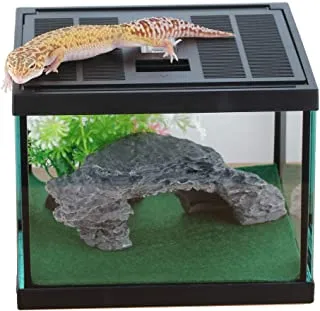
Creating the perfect environment is about replicating the conditions that your tarantula would experience in its natural habitat. This involves controlling the temperature, humidity, and providing appropriate lighting. Careful attention to these factors is critical for the health and well-being of your tarantula. The specifics will vary depending on the species, so thorough research is necessary.
Temperature and Humidity Control
Tarantulas are ectothermic, meaning they rely on external sources to regulate their body temperature. Maintaining the correct temperature range is crucial for their metabolism and digestion. Use a thermometer to monitor the temperature within the enclosure, and provide a heat source if necessary. Humidity levels also need careful management. Too little humidity can lead to molting problems, while too much can encourage mold and bacterial growth. Use a hygrometer to measure humidity levels, and adjust ventilation, substrate moisture, and misting as needed. The goal is to replicate the conditions of their natural environment.
Lighting and Heating
While tarantulas do not require specific lighting for survival, a regular light/dark cycle can help regulate their biological rhythms. Avoid bright, direct sunlight, which can stress your tarantula. A low-wattage bulb or a small LED light can provide a natural day-night cycle. When it comes to heating, a heat mat placed on the side or back of the enclosure is generally preferred over overhead heat lamps, as it provides a more natural heat gradient. Ensure the heat source is regulated by a thermostat to prevent overheating. Always provide a thermal gradient, allowing the tarantula to move to different areas of the enclosure to regulate its body temperature.
Evolution of Tarantula Enclosures
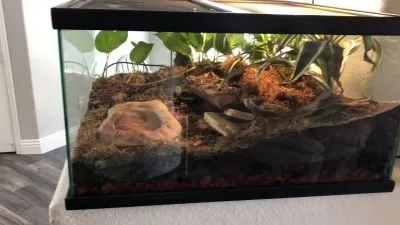
The design and construction of tarantula enclosures have evolved significantly over time. Early keepers used simple setups, while modern enclosures incorporate advanced features. This evolution reflects a growing understanding of tarantula needs and the importance of providing an optimal environment. Studying the evolution helps us understand the best practices for tarantula care.
Early Enclosure Designs
Early tarantula enclosures were often basic, consisting of glass aquariums or plastic containers with limited ventilation. Substrates were frequently simple, such as gravel or paper towels. While these setups allowed tarantulas to survive, they often lacked the features necessary for optimal well-being. Hides were rudimentary, and temperature and humidity control were often imprecise. There was less emphasis on replicating the tarantula’s natural habitat. These early designs offered basic functionality but were not ideally suited for the long-term health and happiness of the spiders.
Modern Enclosure Innovations
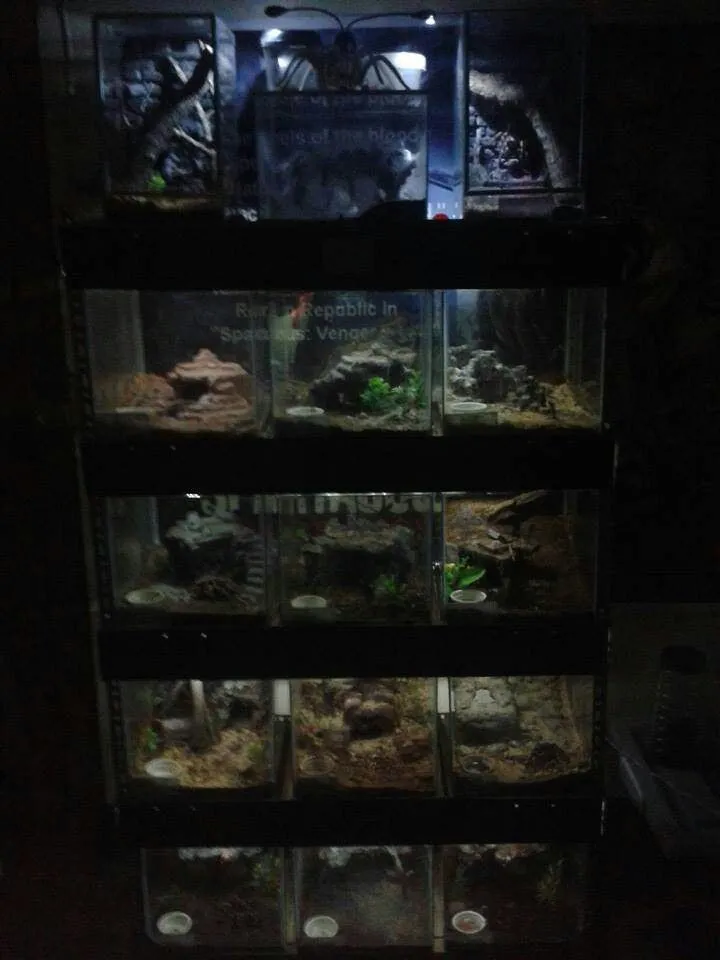
Modern tarantula enclosures are much more sophisticated, with a focus on providing a comfortable and enriching environment. Features include improved ventilation systems, specialized substrates, and a wide range of decor options. Many enclosures now incorporate features such as sliding doors, secure locks, and built-in heating and humidity controls. The use of transparent materials allows for easy observation. There is an emphasis on replicating the tarantula’s natural habitat, with a focus on promoting natural behaviors. These advancements reflect a deeper understanding of tarantula needs and the importance of providing optimal care.
Mistakes to Avoid in Tarantula Enclosures

Several common mistakes can negatively impact a tarantula’s well-being. Awareness of these potential pitfalls is key to providing proper care. By avoiding these errors, you can ensure your tarantula lives a long and healthy life. This includes choosing the right materials, and regularly checking the enclosure.
Overcrowding and Incorrect Ventilation
Overcrowding can lead to stress, competition for resources, and increased risk of disease. It can also make it difficult to maintain proper humidity and temperature levels. Incorrect ventilation is another major issue, leading to mold, bacterial growth, and poor air quality. Always ensure each tarantula has adequate space and that the enclosure has appropriate ventilation. Poor ventilation often leads to respiratory problems, so this must be taken care of.
Using Toxic Materials
Avoid using materials that can be toxic to tarantulas, such as certain wood shavings, cleaning products, or unsecured objects that the spider might ingest. Cedar and pine shavings release oils that can be harmful, and some cleaning products leave residue that can be toxic. Thoroughly research all materials before introducing them into the enclosure. Always opt for safe, non-toxic options to protect your tarantula’s health.
Conclusion

Evolving your tarantula enclosure is an ongoing process that improves the health and well-being of your pet. By understanding their needs, providing the right size enclosure, incorporating essential features, and avoiding common mistakes, you can create a thriving habitat. Continuously learn and adapt your setup to meet your tarantula’s specific requirements and enjoy the rewarding experience of caring for these amazing creatures.