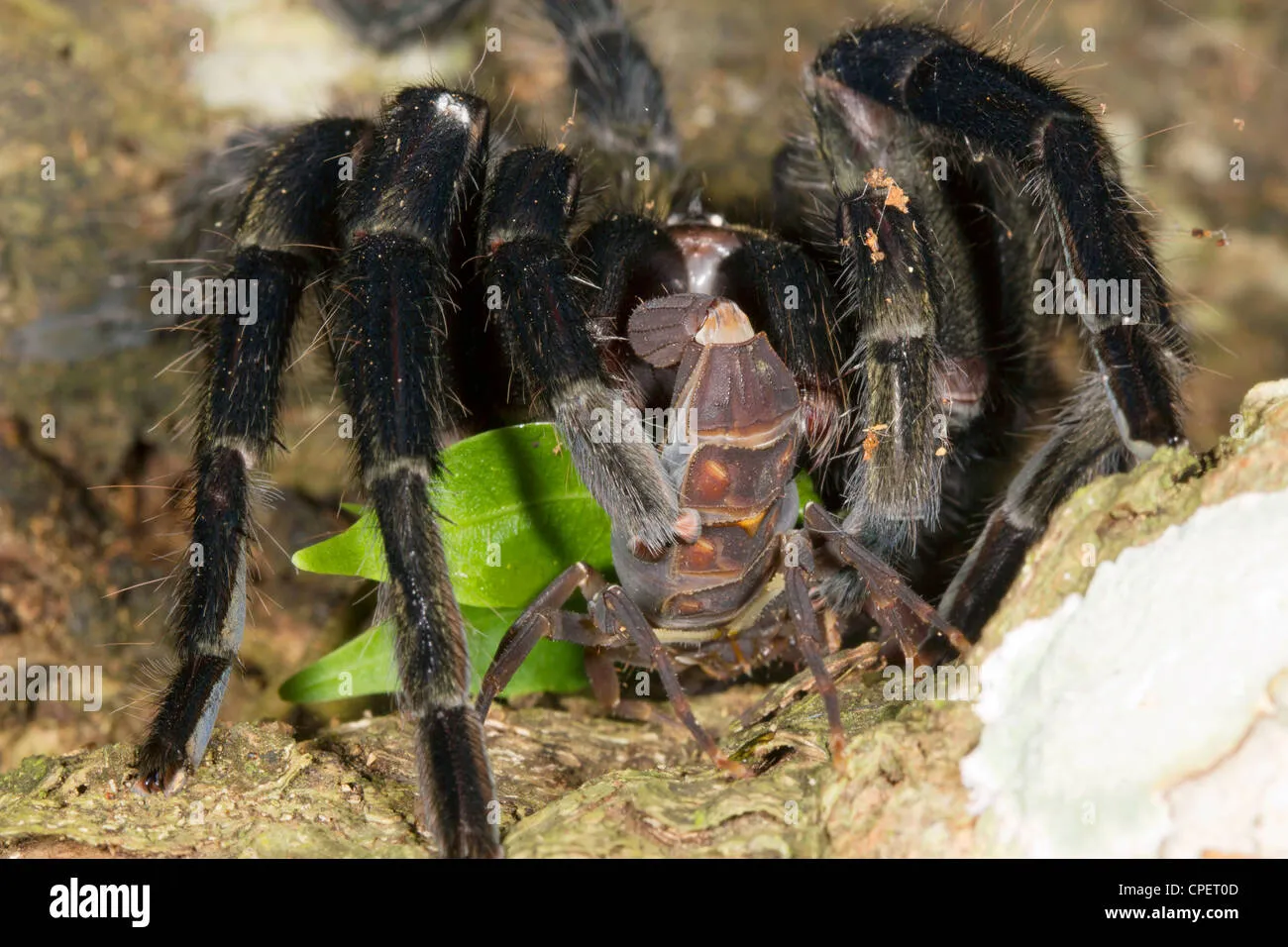
Tarantula Diet Essentials
Understanding the dietary needs of a tarantula is crucial for their well-being and longevity. Tarantulas, being obligate carnivores, require a diet consisting primarily of live insects. Their digestive systems are specifically designed to break down the chitinous exoskeletons of insects, providing them with essential nutrients. Proper nutrition is essential for growth, molting, and overall health. A well-balanced diet contributes to a tarantula’s vibrant coloration, activity levels, and successful molting cycles. Failing to provide a suitable diet can lead to health problems, stunted growth, and even premature death. The key to a healthy tarantula lies in mimicking their natural feeding habits as closely as possible and ensuring a consistent supply of appropriate prey items. This involves selecting the right types of insects, considering their size, and providing them at the correct intervals. Furthermore, providing fresh water and maintaining proper humidity levels are crucial to complement their diet and maintain their overall health.
What Tarantulas Eat in the Wild
In their natural habitats, tarantulas are opportunistic predators, meaning they eat whatever prey they can successfully capture. Their diets vary based on their specific location, but they typically include a variety of insects, such as crickets, grasshoppers, beetles, and moths. Larger tarantulas may also consume small vertebrates, including lizards, small snakes, and even small birds. Tarantulas are ambush predators, relying on their speed, fangs, and venom to subdue their prey. They often sit and wait for prey to come within striking distance. Once the prey is captured, the tarantula injects venom to paralyze it and begin the digestive process. The venom liquefies the prey’s internal organs, allowing the tarantula to suck up the nutrients. Understanding their wild diet helps to replicate their natural eating habits in captivity and provide the right type and size of food. This includes a diverse range of insects, that meet their nutritional needs and promote their natural behaviors.
Crickets and Roaches Are Top Picks

Among the most popular and readily available food sources for captive tarantulas are crickets and roaches. Crickets are easy to find in most pet stores and online, and they provide a good source of protein. Roaches, such as Dubia roaches, are also excellent choices, as they offer a higher nutritional value and are less prone to escaping. Both crickets and roaches should be gut-loaded before feeding them to your tarantula. Gut-loading involves feeding the insects a nutritious diet, such as vegetables, fruits, and commercial cricket food, for at least 24 hours before offering them to your tarantula. This practice ensures that the tarantula receives a wider range of vitamins and minerals. When selecting crickets or roaches, it’s important to choose ones that are appropriately sized for your tarantula. The prey should be no larger than the tarantula’s abdomen. Overly large prey can be difficult for the tarantula to handle and may even injure it.
The Importance of Variety in Diet
While crickets and roaches form a good foundation for a tarantula’s diet, it’s essential to provide a variety of insects to ensure they receive a balanced range of nutrients. Incorporating different prey items can prevent nutritional deficiencies and promote overall health. Other suitable food sources include mealworms, superworms, waxworms, and grasshoppers. Mealworms and superworms are readily available but should be offered in moderation due to their high-fat content. Waxworms are also high in fat and should be given sparingly. Grasshoppers can be a good source of protein and are closer to what they would find in the wild. The key is to diversify the tarantula’s diet and mimic the variety they would naturally encounter. Always ensure that the prey items are free from pesticides or chemicals, which can be harmful to your tarantula. Variety enriches their lives and provides the best chance of a healthy, long life.
How Often Should You Feed Your Tarantula
The feeding frequency for tarantulas varies depending on their age, size, and species. Spiderlings, or juvenile tarantulas, require more frequent feeding than adults because they are constantly growing and molting. Spiderlings should be fed every other day to every day, depending on how quickly they consume their prey. Sub-adults and adult tarantulas can be fed less frequently, typically once or twice a week. Some adult tarantulas may only need to be fed every few weeks, especially after a molt. The key is to observe your tarantula’s behavior and adjust the feeding schedule accordingly. If the tarantula readily consumes its prey and appears active, you can maintain the current schedule. If it refuses food for an extended period, it may be molting or preparing to molt. Always remove uneaten prey within 24 hours to prevent stress on the tarantula. Overfeeding can lead to obesity and other health problems, so it’s important to avoid offering too much food.
Signs of a Healthy Tarantula

Recognizing the signs of a healthy tarantula will help you monitor its well-being and adjust its care as needed. A healthy tarantula should have a plump abdomen, indicating that it is well-fed and hydrated. The legs should be strong, and the tarantula should move and walk confidently. The fangs should appear intact and free from any damage. The tarantula should have a vibrant color, specific to its species. A healthy tarantula will also exhibit normal behaviors, such as actively hunting for prey and engaging in other natural activities. If you notice any changes in your tarantula’s appearance, behavior, or appetite, it could be an indication of an underlying health problem. Be aware of lethargy, loss of appetite, or a shrunken abdomen. Regularly inspect your tarantula for any signs of parasites or infections. A proactive approach to health maintenance is essential to ensure your pet thrives. Proper care, including a balanced diet, appropriate temperature, and humidity levels, will contribute to a long and healthy life for your tarantula.
Avoiding Common Feeding Mistakes
Several common mistakes can be avoided to ensure your tarantula receives the best possible care. One of the most common is overfeeding. Overfeeding can lead to obesity and hinder their molting. Feeding prey that is too large for the tarantula is another mistake. Always ensure the prey is smaller than the tarantula’s abdomen. Avoid offering prey that has been exposed to pesticides or chemicals. These can be toxic to your tarantula. Another mistake is failing to gut-load insects before feeding. Always ensure the insects are gut-loaded for at least 24 hours before feeding. Be careful not to disturb your tarantula during molting. Avoid handling them or offering food during this vulnerable period. Providing a varied diet is crucial, avoid the temptation to feed them only one type of insect. Careful and well-informed feeding practices contribute to their overall health and well-being. By taking these steps, you can create an environment that supports their health.
Handling Prey Safely
When handling prey, it’s important to take several safety precautions to protect both yourself and your tarantula. Always use tongs or tweezers to offer food to your tarantula. This will help to prevent injury and avoid being bitten. Never put your fingers into the enclosure to feed the tarantula. Use the tongs to gently place the prey in front of the tarantula, and allow it to hunt and consume it naturally. If the tarantula doesn’t accept the prey immediately, leave it in the enclosure for a short period. Remove any uneaten prey within 24 hours to prevent stress and potential harm to your pet. It’s important to handle insects and prey with care to avoid any chance of harm to your tarantula. Regular monitoring and a calm approach will ensure a successful and safe feeding process. It’s best to avoid live feeding if you are not comfortable with the idea. You can explore other options that can ensure safety.
Understanding Tarantula Refusal

Tarantulas, like other animals, may refuse food for various reasons. Understanding the reasons behind this behavior can help you provide appropriate care. One common reason for refusal is that the tarantula is preparing to molt. During this period, they typically lose their appetite and become less active. Another reason could be stress, environmental changes, or illness. Ensure their enclosure is well-maintained, and the environmental conditions are appropriate. If your tarantula is refusing food, check their abdomen. If it appears plump, and they are otherwise healthy, they are likely fine. However, if there are signs of sickness or the abdomen is shrunken, consult a veterinarian. Removing uneaten food and ensuring the enclosure is clean can help prevent issues. By being aware of the possible causes and monitoring their condition, you can offer the best possible care.