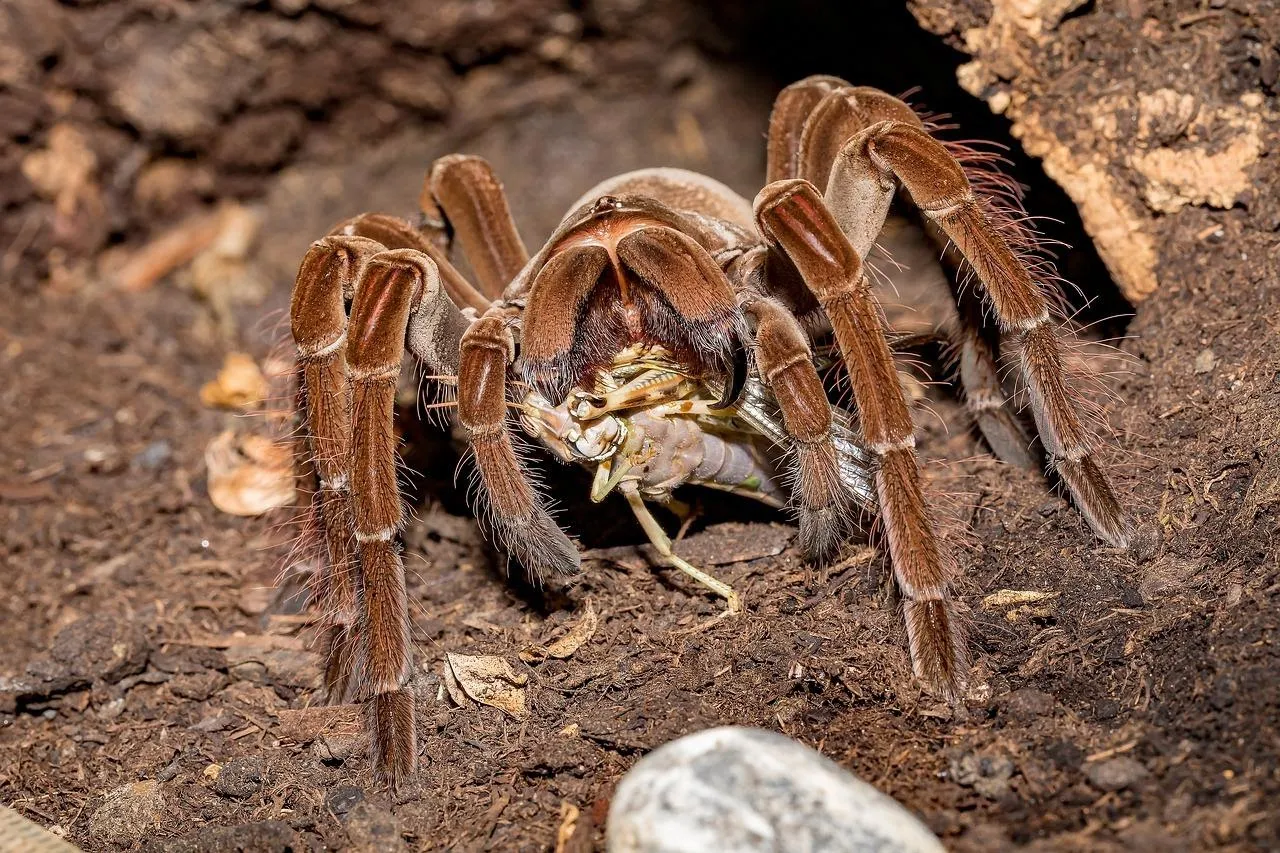
Tarantula Diet What They Eat
Tarantulas are fascinating creatures, and understanding their dietary needs is crucial for their health and well-being. As pet owners or enthusiasts, learning about a tarantula’s diet provides insight into their natural behaviors and how to best replicate their environment. This guide will explore the diverse food sources tarantulas consume, both in the wild and in captivity, offering practical advice on how to provide a balanced diet for your eight-legged friend. We will delve into the specific types of insects and other prey items that make up a tarantula’s menu, along with important considerations for feeding frequency, hydration, and overall nutritional needs. Whether you’re a seasoned tarantula keeper or just starting, this information will assist in ensuring your tarantula thrives.
What Do Tarantulas Eat in the Wild?
In their natural habitats, tarantulas are opportunistic predators, and their diet varies depending on the species and the environment they inhabit. These spiders are skilled hunters, relying on their speed, venom, and sensory abilities to capture prey. Their diet is primarily composed of whatever is readily available and accessible within their environment. This can include a wide range of insects, other arthropods, and occasionally small vertebrates. The variety ensures tarantulas receive a diverse range of nutrients essential for their survival and growth. Understanding what tarantulas consume in the wild helps us to understand the optimal food sources for them in captivity, mimicking their natural feeding habits. This approach ensures the tarantula remains healthy.
Insects and Arthropods

Insects and other arthropods form the cornerstone of a tarantula’s wild diet. The exact types of insects consumed will depend on the region the tarantula lives in and what is most readily available. Common prey items include crickets, grasshoppers, beetles, moths, and various types of bugs. Tarantulas are also known to consume other arachnids, such as smaller spiders. These insects provide essential proteins, fats, and other nutrients that are crucial for a tarantula’s growth, molting, and overall health. The size of the insect relative to the tarantula is an important factor; they typically prey on insects that are no larger than half their own body size. The hunting behavior of a tarantula involves lying in wait or actively pursuing prey, using their fangs to inject venom to immobilize their catch. The spider then uses digestive enzymes to break down the prey, consuming the resulting liquid meal.
Small Vertebrates
While insects and arthropods make up the bulk of a tarantula’s diet, some larger species of tarantulas, especially those in the wild, occasionally consume small vertebrates. This can include small lizards, frogs, snakes, and even small rodents like mice. The consumption of vertebrates tends to be more prevalent in larger tarantula species, which possess the size and strength to subdue these larger prey items. This dietary diversity provides a wider range of nutrients, helping tarantulas meet their nutritional needs. The ability to catch and consume vertebrates shows the impressive predatory capabilities of these spiders. However, it’s important to note that this is not a regular part of their diet, and in captivity, providing vertebrates should be done cautiously and with consideration for the tarantula’s size and species.
Factors Influencing Wild Diet
Several factors influence what a tarantula eats in the wild. The availability of prey is a primary factor; tarantulas will eat whatever is most abundant in their specific habitat. Seasonal changes also play a role, with insect populations fluctuating throughout the year. Climate conditions affect prey availability, as do local ecological factors like the presence of other predators and the type of vegetation. The tarantula’s size, species, and age will also influence its diet; smaller tarantulas will consume smaller prey, while larger species may consume larger items. These factors highlight the adaptability of tarantulas, which allows them to survive and thrive in a variety of environments. Conservation efforts, such as protecting their habitats, help to ensure their continued survival in the wild.
What Do Tarantulas Eat in Captivity?

Feeding tarantulas in captivity involves understanding their dietary needs and providing a balanced and appropriate diet. The goal is to replicate their natural feeding habits as closely as possible while ensuring their health and well-being. The most common food sources for captive tarantulas are insects, which are readily available and easy to manage. Nutritional balance is a key consideration, and it is important to vary the diet and provide a variety of insects to meet all of the tarantula’s needs. Additionally, it’s crucial to monitor your tarantula’s feeding habits and adjust the diet accordingly to maintain their health and prevent overfeeding. Proper diet, along with the correct environmental conditions, will ensure your tarantula lives a long and healthy life.
Live Insects as Staple Food
Live insects form the cornerstone of a captive tarantula’s diet. These include a variety of species that are easy to obtain and maintain, which provide essential nutrients. The advantage of feeding live insects is that it satisfies the tarantula’s natural hunting instincts, allowing them to engage in their natural behaviors. Some commonly used insects include crickets, mealworms, superworms, and roaches. When choosing live insects, it’s important to ensure that they are healthy and free from parasites or pesticides. The size of the insects offered should be appropriate for the size of your tarantula, with prey items generally being no larger than the tarantula’s abdomen. The use of live insects encourages the tarantula to hunt, which can improve their overall health. The variety of insects in the diet provides a more well-rounded nutritional profile.
Mealworms and Crickets
Mealworms and crickets are two of the most popular and readily available insects used for feeding tarantulas. Mealworms are the larval stage of the darkling beetle and are a convenient food source due to their ease of storage and care. Crickets are another common choice; they are high in protein and provide a good source of nutrients. Both mealworms and crickets should be properly gut-loaded before being fed to the tarantula. Gut-loading involves feeding the insects a nutritious diet, such as vegetables, grains, and commercial cricket food, so that the tarantula benefits from the nutrients contained within the insect’s gut. While both are suitable options, a varied diet that includes other insects, like roaches, ensures a more balanced nutritional intake. The availability of mealworms and crickets makes them convenient choices for tarantula keepers.
Roaches

Roaches, especially Dubia roaches, are a highly nutritious and excellent food source for tarantulas. They are generally higher in protein and have a better nutritional profile compared to crickets. Roaches are also less prone to escape and can be easier to manage. They are relatively slow-moving, making them easy for the tarantula to catch. When using roaches as food, it is also important to consider their size relative to the tarantula’s size. Gut-loading roaches before feeding them to your tarantula ensures they are packed with essential vitamins and minerals. Roaches are a good option to vary a tarantula’s diet, providing different nutrients and stimulating their hunting behavior. They can be a regular component of your tarantula’s diet.
Pre-killed Food Options
While live insects are the preferred food for tarantulas, pre-killed food can be a viable option, especially for keepers who are uncomfortable with live feeding or for certain tarantulas that may be more prone to injury from live prey. Pre-killed food options include insects that have been euthanized before being offered to the spider. These options are typically available at pet stores or can be prepared at home. However, it’s important to handle and store pre-killed insects properly to maintain their freshness and prevent contamination. It’s also important to consider that pre-killed food does not stimulate the tarantula’s hunting instincts. Pre-killed food can be a suitable option for some tarantulas, but it may not be as stimulating as live prey. Using pre-killed food requires caution, as it’s important to prevent any food-related diseases.
Nutritional Considerations for Tarantulas
Providing the correct nutrition is essential for keeping your tarantula healthy and happy. The diet should provide essential vitamins, minerals, and proteins. A balanced diet promotes good health, growth, and molting, which is the process where the tarantula sheds its exoskeleton. Factors such as the tarantula’s size, age, and species can influence its specific nutritional needs. Providing a variety of food items, such as crickets, mealworms, and roaches, helps ensure a well-rounded diet, giving the tarantula a better opportunity to consume all the necessary nutrients. Paying attention to your tarantula’s eating habits and overall health is essential, and any dietary changes should be done gradually to avoid stressing your pet.
Feeding Frequency

The frequency of feeding tarantulas varies depending on their age and species. Spiderlings, the young ones, typically require more frequent feedings, often several times a week. As tarantulas grow, the feeding frequency decreases. Adult tarantulas often only need to be fed once every one to two weeks, or even less. Observe your tarantula’s abdomen; if it appears plump and full, it may not need to be fed as often. Underfeeding a tarantula is less harmful than overfeeding, and it’s crucial to monitor your pet’s eating habits. Providing water is as important as providing food, and water should always be available for your tarantula to drink. Adjust the feeding frequency according to the tarantula’s behavior and how it eats. If your tarantula refuses food or buries itself, it may be molting.
Importance of Hydration
Hydration is as vital as nutrition for a tarantula’s health and well-being. Tarantulas obtain water through their food and by drinking from a shallow water dish. Fresh, clean water should always be available in the enclosure. This can be provided using a small, shallow water dish, or by periodically misting the enclosure, allowing the tarantula to drink the water droplets. The availability of clean water is especially important during molting, when the tarantula is more vulnerable. Dehydration can lead to serious health issues, and it is important to make sure the tarantula has constant access to water, ensuring a healthy and comfortable environment. Maintaining proper humidity levels within the enclosure also contributes to the tarantula’s overall health, assisting with molting and preventing dryness.
Supplements
While a well-balanced diet of insects provides most of the essential nutrients, some keepers opt to use supplements to ensure their tarantulas receive all they need. Supplements can be used to enrich the food with extra vitamins and minerals. Gut-loading the feeder insects with nutritious food before feeding is the best way to provide supplements. Supplementation should be done judiciously. Over-supplementing can lead to health problems. Always check with a veterinarian or experienced tarantula keeper for advice on supplements. Providing a varied diet will help to provide the necessary nutrients for the spider. Remember that supplements are used in addition to, not instead of, a good diet.
Avoiding Overfeeding

Overfeeding is a common mistake among tarantula keepers, and it can be detrimental to a tarantula’s health. A tarantula that is overfed may become obese, which can lead to health problems, like making it difficult to molt. The tarantula’s abdomen should be slightly plump but not excessively large. Refusal of food is a sign the tarantula may be preparing to molt, and it is important not to force it to eat. Monitoring the tarantula’s eating habits and the size of its abdomen will help prevent overfeeding. Adjust the feeding frequency according to the tarantula’s age, species, and appetite. It’s better to err on the side of underfeeding. Avoid offering too much food at once to prevent waste and potential mold growth within the enclosure. Removing uneaten food within 24 hours helps to maintain a healthy environment.
How to Feed Your Tarantula
Feeding your tarantula correctly is vital to its health. This involves offering the right food, in the correct way, and in a safe environment. Understanding how to offer food properly ensures that your tarantula gets the nutrients it needs without any undue risks. The following steps outline the correct methods for feeding a tarantula, ensuring you provide the best care for your pet. This can make the feeding process smoother and safer for both you and the tarantula. By carefully following these guidelines, you can ensure your tarantula has a healthy diet.
Setting Up the Feeding Environment
Before feeding your tarantula, ensure the enclosure is set up correctly. The enclosure should be clean and have a suitable substrate and appropriate hiding places. The substrate should be non-toxic and appropriate for the species. Ensure there is a water dish available at all times. Feeding should be conducted in a safe and controlled environment. Use a pair of long tongs to offer food, keeping your hands away from the spider’s fangs. Observe the spider’s behavior before and during feeding. This setup will make the feeding process easier and less stressful for both you and the tarantula. Having a clean and well-maintained enclosure minimizes the risk of health issues and creates a good environment for the spider.
Offering Food

When offering food, use long tongs to grasp the prey. This keeps your hands away from the spider and prevents you from being bitten. Gently lower the food towards the tarantula, and let it approach the prey. Do not drop the food directly onto the spider, which might startle it. If the tarantula is not hungry, it may ignore the food or retreat. If this happens, remove the prey and try again later. Observe the tarantula while it eats; most tarantulas will quickly grab their prey and begin feeding. The tarantula will then inject venom and begin consuming the prey. Offering food in this way minimizes risk and ensures the safety of your tarantula.
Removing Uneaten Food
Remove any uneaten food within 24 hours after feeding. Uneaten insects can stress the tarantula. If the insect dies, it may start to decompose and introduce bacteria into the enclosure. Always make sure that any uneaten food is removed promptly. The use of tongs is helpful for this purpose. Regularly cleaning the enclosure prevents bacterial growth and maintains a healthy living environment for your tarantula. Removing uneaten food also helps with pest control, because it prevents the possibility of other insects infesting the enclosure. Always keep the enclosure clean and remove uneaten food.