Top 5 Tips for Beginners
Venturing into the world of tarantula ownership can be an exciting experience, but it’s crucial to start with a solid foundation of knowledge. Tarantula dealers play a vital role in this process, as they are your gateway to acquiring these fascinating creatures. For beginners, navigating the tarantula market and caring for your new pet can feel overwhelming. This guide provides essential tips to help you get started, ensuring both your safety and the well-being of your tarantula. From researching dealers to understanding tarantula behavior, these insights will set you up for success. Remember, responsible tarantula ownership begins with informed choices and a commitment to providing the best possible care. Let’s explore the top 5 tips for beginners to ensure a smooth and rewarding start.
Researching Tarantula Dealers
The first and arguably most critical step in acquiring a tarantula is selecting a reputable dealer. Not all tarantula dealers are created equal, and the quality of care and knowledge they possess can significantly impact your experience. Thorough research is essential to ensure you’re dealing with a dealer who prioritizes the health and welfare of their animals. This research will not only protect you from potential scams but also connect you with a source of valuable information and support as you embark on your tarantula-keeping journey. Taking the time to vet potential dealers can save you from a lot of trouble down the line, giving your tarantula the best possible start in its new home and improving your experience as a tarantula keeper. Be sure to check their credibility and whether they are a registered business to avoid any future issues.
Finding Reputable Dealers

Start your search for reputable tarantula dealers by exploring online forums, social media groups, and local pet stores. Online tarantula communities are invaluable resources, as experienced keepers often share recommendations and warnings about different dealers. Look for dealers who specialize in tarantulas, as they are more likely to have the knowledge and expertise you need. Local pet stores that carry tarantulas can be a good option, but always inquire about the source of their tarantulas and their care practices. Consider attending reptile or exotic pet shows, where you can meet dealers in person and assess their animals firsthand. The best dealers will be passionate about tarantulas and happy to answer your questions and share their knowledge.
Checking Dealer Reviews and Reputation
Once you’ve identified potential dealers, check their reviews and reputation. Online reviews provide insights into other customers’ experiences, highlighting any issues with the dealer’s animals, customer service, or shipping practices. Look for consistent positive feedback, as well as how the dealer handles any negative reviews. Check the dealer’s website for any certifications, affiliations with reptile or exotic pet organizations, or guarantees they offer. A reputable dealer will be transparent about their practices and willing to address any concerns you may have. Ask for references or examples of their animals to see if they care properly and if they know the best practices. This step will help you avoid issues and find the right tarantula for you.
Choosing the Right Tarantula Species
Not all tarantulas are created equal, and some species are better suited for beginners than others. Before purchasing a tarantula, carefully consider your experience level, lifestyle, and the amount of time you can dedicate to its care. Some species are known for their docile temperaments and relatively easy care requirements, making them ideal for first-time tarantula keepers. Others are more defensive, fast-moving, or require specific environmental conditions. Choosing the right species from the start will significantly improve your chances of success and enjoyment. Researching different species and consulting with a tarantula dealer can help you make an informed decision and create a great start.
Considering Your Experience Level

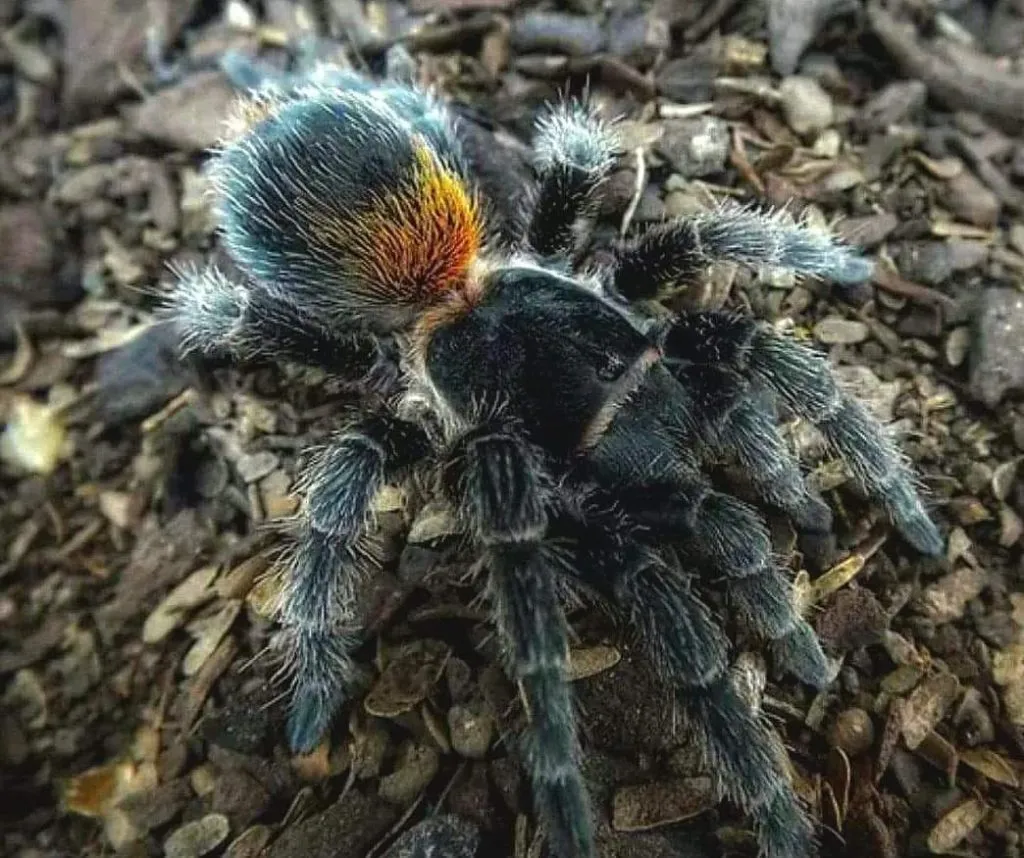
Beginners should generally start with a species known for its docile temperament and easy care requirements. Some popular beginner-friendly species include the Chilean Rose Hair tarantula, the Mexican Red Knee tarantula, and the Curly Hair tarantula. These species are typically slower-moving, less likely to bite, and more tolerant of minor environmental fluctuations. Avoid species known for their aggression, speed, or specific needs, such as arboreal tarantulas or those from tropical climates. These types of tarantulas are more difficult and are often not recommended for beginners. As you gain experience and knowledge, you can consider more challenging species.
Researching Tarantula Temperament
Temperament can vary among tarantula species and even within a species. Research the temperament of the specific species you’re considering, as well as any known variations. Some tarantulas are docile and can be handled, while others are more defensive and prone to biting or flicking urticating hairs. Learn about the typical behaviors of your chosen species, and be prepared to handle it accordingly. Remember that all tarantulas have the potential to bite, and it’s essential to handle them with care and respect. Never assume a tarantula is tame or predictable, and always supervise children around tarantulas. Understand their behaviors to give you a head start when you are dealing with it.
Setting Up the Perfect Tarantula Habitat
Creating a suitable habitat is crucial for your tarantula’s well-being. The enclosure should provide a safe and comfortable environment that meets the specific needs of your chosen species. This includes the right size enclosure, appropriate substrate, and a few essential decorations. Setting up the habitat correctly from the start will reduce stress, promote healthy behavior, and make your tarantula more enjoyable to observe. A well-designed habitat also enhances the overall aesthetic appeal of your home and makes it a great environment for your new pet. It’s important to carefully research the specific requirements of your chosen species before setting up the habitat, or it could lead to health issues for the spider.
Choosing the Right Enclosure
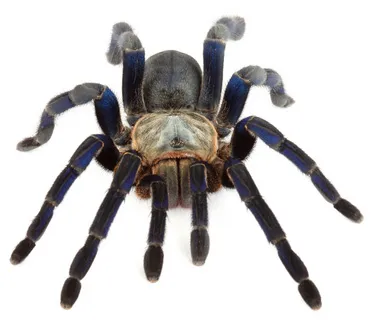
The size and type of enclosure depend on the tarantula species and its size. Generally, terrestrial tarantulas need more floor space, while arboreal tarantulas need more vertical space. The enclosure should be large enough for the tarantula to move around comfortably, with enough room for a hide, water dish, and any other decorations. Glass or acrylic terrariums are popular choices, as they provide good visibility and ventilation. Make sure the enclosure has a secure lid to prevent the tarantula from escaping, and that it is escape-proof. The ventilation is important and should be sufficient to promote air circulation and prevent mold growth. The enclosure should also be easy to clean and maintain.
Providing Proper Substrate and Decor
The substrate provides a surface for the tarantula to walk on, burrow in, and helps maintain humidity levels. The appropriate substrate depends on the species’ needs, but some options include peat moss, coconut fiber, and vermiculite. Provide a hide, such as a piece of cork bark or a hollow log, where the tarantula can retreat and feel secure. Include a shallow water dish, and always ensure fresh water is available. You can also add some decorations such as fake plants or branches to create a more natural and visually appealing environment. The substrate and decor should be non-toxic and safe for the tarantula, avoiding anything that could cause injury or harm.
Feeding and Watering Your Tarantula
Proper feeding and watering are essential for your tarantula’s health and well-being. Tarantulas are typically fed live insects, such as crickets, mealworms, or roaches, depending on their size. Water is a vital need of tarantulas and they need to have it available at all times. Establish a feeding schedule that suits the tarantula’s age and growth stage, and monitor its feeding habits to make sure it’s eating well. Avoid overfeeding your tarantula, as this can lead to health issues. Proper feeding practices will help your tarantula thrive.
Choosing the Right Food

The best food for your tarantula depends on its size and species. Crickets are a common and readily available food source, but they can be difficult to contain and may escape. Mealworms are another option, but they are less nutritious and should be supplemented with other food sources. Roaches are a highly nutritious option, but they can be difficult to obtain and may escape. Consider the nutritional value and accessibility of the food sources when making your choice. Always make sure the insects you are feeding your tarantula are pesticide-free and properly gut-loaded before feeding them to your tarantula. A healthy diet is key to your tarantula’s health.
Establishing a Feeding Schedule
The frequency of feeding depends on the tarantula’s age and growth rate. Spiderlings and juveniles need to be fed more often, such as 2-3 times per week, while adult tarantulas can be fed less frequently, such as once per week or even less. Observe the tarantula’s abdomen, which should be full but not overly distended. Remove any uneaten food within 24 hours to prevent the build-up of mold and bacteria. Always make sure your tarantula has access to clean, fresh water at all times. Adjust the feeding schedule as needed based on your tarantula’s eating habits and growth. Monitor your tarantula’s condition and adjust the feeding schedule accordingly.
Understanding Tarantula Behavior
Understanding your tarantula’s behavior is crucial for providing proper care and ensuring your safety. Tarantulas communicate through their behavior, and learning to read these cues can help you avoid stressful situations and handle your tarantula with confidence. Observe your tarantula regularly, and pay attention to its posture, movements, and other behaviors. This will help you identify signs of stress, such as flicking urticating hairs or a defensive posture, and know when to leave your tarantula alone. Your knowledge of their behavior will enhance your appreciation for these fascinating creatures.
Recognizing Signs of Stress

Tarantulas may exhibit various behaviors when stressed, such as refusing to eat, flicking urticating hairs, or adopting a defensive posture. Urticating hairs are tiny barbed hairs that some tarantulas flick into the air as a defense mechanism, and you should avoid provoking this reaction. Other signs of stress include rapid movements, hiding, or a loss of appetite. If your tarantula exhibits any of these behaviors, try to identify the cause and address it, such as adjusting the temperature or humidity, improving the enclosure, or leaving it alone. Always handle your tarantula with care and respect, and avoid any actions that could cause it stress.
Knowing When to Handle Your Tarantula
Not all tarantula species are suitable for handling, and even the most docile species can bite if they feel threatened. It’s important to know when to handle your tarantula and how to do it safely. Always approach your tarantula calmly and slowly, and avoid any sudden movements. Wash your hands beforehand. If you choose to handle your tarantula, do so over a soft surface, in case it falls. Never force the tarantula to come out of its enclosure, and avoid handling it if it’s showing signs of stress. If you do get bitten, remain calm and clean the bite area. Handling a tarantula is the risk of being bitten, be sure to be prepared and if you are not sure if it’s the best decision to handle your tarantula, don’t do it.
By following these five tips, you’ll be well-equipped to start your journey into the fascinating world of tarantula keeping. Remember to prioritize research, provide proper care, and respect these amazing creatures. Enjoy the experience of being a tarantula owner.