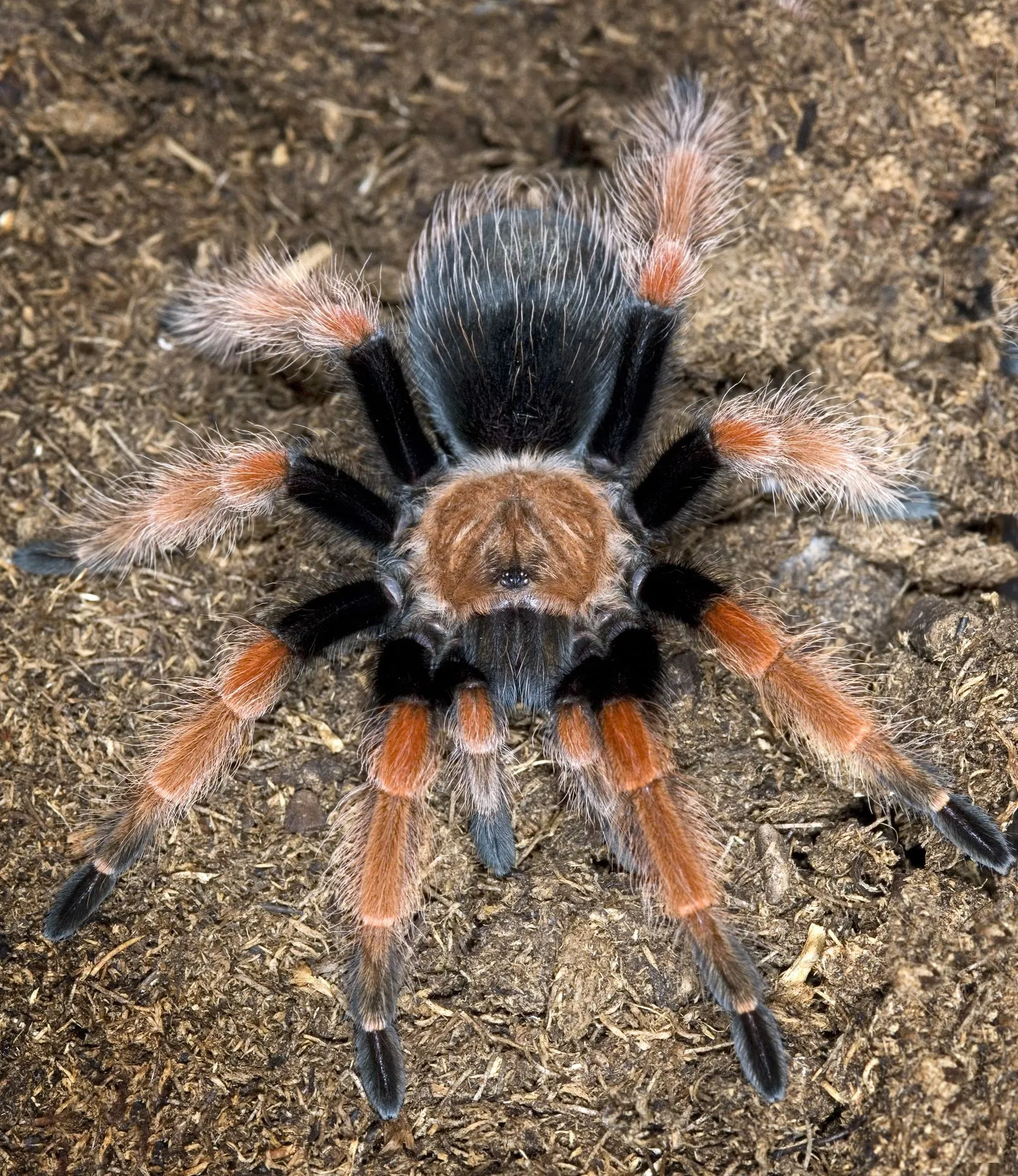
Tarantula Care Guide Top 7 Tips for Beginners
Welcoming a tarantula into your home can be an incredibly rewarding experience. These fascinating creatures are relatively low-maintenance pets, making them a great option for those seeking an alternative to traditional animals. However, responsible ownership requires understanding their specific needs to ensure a happy and healthy life for your tarantula. This guide provides seven essential tips to help beginners navigate the world of tarantula care. From choosing the right species to understanding their unique behaviors, we’ll cover everything you need to know to become a successful tarantula owner. Prepare to embark on a journey of discovery as you learn about these amazing arachnids and the joys of caring for them. This guide will walk you through setting up their habitat, feeding, handling, and the importance of recognizing any health issues, providing you with the knowledge to create the perfect environment for your new eight-legged friend.
Choosing Your First Tarantula
The first step in tarantula ownership is choosing the right species. Not all tarantulas are created equal when it comes to temperament and care requirements. Some species are more docile and beginner-friendly, while others are more defensive and better suited for experienced keepers. Researching different species is crucial to ensure you select a tarantula that aligns with your lifestyle and experience level. Consider factors such as size, temperament, venom potency, and ease of care. Some popular beginner-friendly species include the Chilean Rose Hair Tarantula (Grammostola rosea) and the Pinktoe Tarantula (Avicularia avicularia). These species are generally docile, relatively easy to care for, and have manageable size. Be patient and take your time when deciding as this is an important part of the process.
Researching Different Tarantula Species

Dive deep into the characteristics of each species. Learn about their natural habitats, dietary needs, and typical behaviors. Websites, books, and experienced keepers can provide valuable information. Check online forums, or visit your local pet store and consult with the staff. Look at their size, growth rates, and the kind of environment the tarantula likes. Reading multiple sources provides you with a more complete understanding and avoids any pitfalls that could arise from improper care. Consider factors like lifespan—some tarantulas can live for decades!—and whether you’re prepared for such a long-term commitment. Do not get discouraged if you find that a tarantula is not for you. There are many other animals out there, if it seems like a lot of work.
Understanding Tarantula Temperaments
Temperament is key. Some tarantulas are docile and may tolerate handling, while others are more defensive and prone to biting or kicking urticating hairs. Beginner tarantula owners are highly encouraged to choose a species with a docile temperament to gain confidence in their tarantula care abilities. Research the specific species’ temperament through online resources and reviews from other tarantula owners. It’s always best to start with a species that is more likely to be calm and easy to handle, at least until you gain some experience. Avoid tarantulas that are known for being aggressive, as this can lead to stress, not only for you but for the tarantula as well. Remember, individual personalities can vary, even within the same species, so always observe your tarantula’s behavior carefully.
Setting Up the Perfect Habitat
The habitat is the tarantula’s world, so it’s important to create a comfortable and safe environment. A well-designed enclosure will provide your tarantula with everything it needs to thrive, including appropriate substrate, hiding places, and access to water. The size and features of the enclosure depend on the species and size of the tarantula. Avoid glass tanks with a full mesh lid, as the tarantula may get its feet caught. It is very important to make sure the ventilation is good, as well. A good rule of thumb is to find an enclosure that is at least three times the tarantula’s leg span in width and twice the leg span in height. This will provide plenty of space for your tarantula to move around, explore, and feel secure.
Choosing the Right Enclosure

Select an enclosure that is appropriate for your tarantula’s size and species. Consider both the size and type of enclosure. Many keepers prefer clear plastic enclosures because they are lightweight, easy to clean, and provide excellent visibility. Glass terrariums are also a popular choice, but they tend to be heavier and can sometimes be more difficult to manage. For terrestrial species, a wider enclosure is preferred, while arboreal species (those that live in trees) benefit from taller enclosures that provide ample climbing space. Ensure the enclosure has a secure lid to prevent escape. Also, make sure the enclosure can have adequate ventilation to avoid mold and allow for proper humidity levels. The enclosure should be escape-proof, and the lid should be secure. The size depends on the species of the tarantula.
Substrate Selection
Substrate is the bedding material used in the enclosure. The type of substrate you choose will significantly impact your tarantula’s well-being. Choose a substrate that retains moisture, allows for burrowing, and is free of harmful chemicals or toxins. Popular options include coconut fiber (eco earth), peat moss, and a mix of soil, sand, and vermiculite. The best substrate will depend on your tarantula’s species and natural habitat. Ensure the substrate is at a depth that is appropriate for the tarantula. Terrestrial species benefit from deeper substrate for burrowing, while arboreal species may prefer a shallower layer. Do not use cedar or pine shavings, as these can be toxic to tarantulas. Avoid sand for younger ones, as they can get stuck.
Providing Heat and Humidity
Most tarantulas thrive in a temperature range between 75°F and 85°F (24°C and 29°C). Use a heat mat or a ceramic heat emitter to maintain the appropriate temperature in your tarantula’s enclosure. Avoid using heat lamps, as they can dry out the enclosure and pose a burn risk. Humidity is also vital for your tarantula’s health, as it helps them molt properly. The ideal humidity level varies depending on the species, but most tarantulas require a humidity level between 60% and 80%. You can monitor humidity with a hygrometer. To maintain humidity, mist the enclosure with dechlorinated water regularly. Ensure good ventilation to prevent mold growth. Also, provide a water dish with fresh water. Monitor the temperature and humidity levels, adjusting the heat source and misting schedule as needed to maintain optimal conditions.
Feeding Your Tarantula

Feeding your tarantula is one of the most important aspects of its care. Tarantulas are carnivorous and primarily feed on insects. Providing the correct diet and feeding schedule is essential for their health and growth. The frequency of feeding and the size of the prey will vary depending on the tarantula’s species, age, and size. It is best to remove any uneaten food within 24 hours to avoid mold and mites. Always provide a fresh supply of water, too. Feeding time is a great way to bond with your tarantula, as it provides an opportunity to observe their natural hunting behavior.
What to Feed Your Tarantula
The staple diet for tarantulas consists of live insects. Crickets, mealworms, roaches, and dubia roaches are popular and easily accessible options. Ensure the insects you provide are gut-loaded. Gut-loading involves feeding the insects a nutritious diet before offering them to your tarantula. This way, your tarantula gets a balanced meal. The insects you feed them must be pesticide-free. For smaller tarantulas, you may need to offer flightless fruit flies or pre-killed insects. Vary the diet to provide a wider range of nutrients and prevent nutritional deficiencies. Always avoid feeding wild-caught insects, as they may carry parasites or diseases. Always consider the size of the insect to the size of the tarantula.
Feeding Frequency
The feeding frequency for a tarantula depends on its age and size. Spiderlings (juvenile tarantulas) should be fed more frequently, usually every other day or every day, because they grow rapidly. Adult tarantulas can be fed less frequently, anywhere from once a week to once a month. Observe your tarantula to gauge its appetite and adjust the feeding schedule accordingly. If your tarantula refuses to eat, it may be preparing to molt or simply not hungry. Avoid overfeeding, as this can lead to health issues. If your tarantula is not eating, do not worry. It is likely getting ready to molt. Monitor the tarantula for a while before attempting to feed it again.
Watering Your Tarantula

Providing a constant supply of fresh, clean water is essential for your tarantula’s health and hydration. Tarantulas get most of their water from the moisture in their food and the environment, but they still need a readily available source of water. The method of watering your tarantula and the frequency depends on the size, species, and the humidity of the enclosure.
Providing Fresh Water
Provide a shallow water dish for your tarantula. The water dish should be easily accessible but shallow enough to prevent the tarantula from drowning. Use a small bottle cap or a shallow dish specifically designed for tarantulas. Keep the water clean and change it at least twice a week, or more often if it becomes dirty. This is important as it prevents the spread of bacteria and other problems. You can use bottled or dechlorinated tap water. If your tarantula is very small, you can mist the enclosure instead. Misting provides droplets for the tarantula to drink from, but it is essential to keep the water dish clean.
Maintaining Humidity
Maintaining proper humidity is critical for your tarantula’s health and well-being. The humidity level is dependent on the type of tarantula and its native habitat. Mist the enclosure with dechlorinated water to raise the humidity levels. Mist one side of the enclosure more than the other. This will create a humidity gradient. Use a hygrometer to monitor the humidity levels in the enclosure. The substrate should be kept slightly moist. Poor humidity can cause problems such as molting issues. Ensure that the enclosure has good ventilation to prevent mold and the growth of unwanted bacteria. Ensure the enclosure can have a good airflow.
Handling Your Tarantula

Handling your tarantula can be a rewarding experience, but it is not always necessary. Some tarantulas tolerate handling well, while others prefer to be left alone. It is important to know your tarantula and its temperament before deciding to handle it. Always prioritize the tarantula’s well-being and safety. In some cases, handling should be avoided altogether. Always handle your tarantula with caution and only when you feel comfortable. Never handle a tarantula if you are unsure of its temperament. It is also not advisable to handle a tarantula right after it molts, or when it is preparing to molt.
When to Handle and When Not To
Before attempting to handle your tarantula, observe its behavior. Some tarantulas are docile, while others are more defensive and may bite or kick urticating hairs. It’s important to recognize the signs of a tarantula’s mood. If it displays defensive behaviors, such as raising its front legs or flicking its hairs, it’s best to avoid handling at that time. Do not handle a tarantula if it is about to molt, as it will be fragile and more vulnerable. Avoid handling if it has recently eaten. Always avoid handling if you are unsure of its temperament. Handle when the tarantula is calm and active. This will allow for a better experience and will make your tarantula more comfortable with being handled.
Proper Handling Techniques
If you choose to handle your tarantula, do so with caution and respect. Handling should be done over a soft surface, such as a bed or the enclosure, to minimize the risk of injury if the tarantula falls. Gently coax the tarantula onto your hand or let it walk onto you. Avoid sudden movements that could startle it. Always handle your tarantula with care. Be mindful of its delicate body and avoid squeezing or dropping it. Do not handle if the tarantula shows signs of distress or aggression. It may choose to bite if it feels threatened. If you do get bitten, seek medical attention immediately. Wash your hands thoroughly before and after handling your tarantula. Wash your hands with soap and water.
Recognizing and Preventing Common Health Issues

Like all pets, tarantulas can experience health issues. Understanding the common problems and how to prevent them is essential for responsible ownership. Regularly observing your tarantula and its enclosure is crucial for identifying any potential issues early on. Many health problems can be prevented by maintaining proper care practices, such as providing the correct temperature and humidity, a balanced diet, and a clean environment.
Molting and What to Do
Molting is a natural process in which a tarantula sheds its exoskeleton to grow. Molting is a crucial part of the tarantula’s growth. Before a molt, the tarantula may become lethargic, stop eating, and create a web mat or flip onto its back. Do not disturb the tarantula during this period. Provide extra moisture in the enclosure. After the molt, the tarantula will be very vulnerable. Do not feed it until its fangs have hardened, which usually takes a week or two. Remove the old exoskeleton from the enclosure. Observe the tarantula. Ensure the tarantula molts correctly.
Parasites and Other Problems
Tarantulas can be susceptible to mites and other parasites, which can be a sign of poor enclosure conditions. Inspect the enclosure and your tarantula regularly for signs of these problems. Other potential problems include fungal infections and bacterial infections. Prevent these problems by maintaining a clean and hygienic environment. Remove any uneaten food and keep the substrate clean. If you notice any health issues, consult with a veterinarian experienced in exotic animals. If you find mites, there are some commercial mite sprays that can be used. Some mites are not harmful, while others can be. Consult with a professional to determine what is best.
Regular Tank Maintenance
Regular tank maintenance is essential for keeping your tarantula’s habitat clean and healthy. This includes spot cleaning and complete enclosure cleanings. Proper maintenance prevents the buildup of waste and prevents the growth of bacteria and other issues. Regular cleaning not only maintains a healthy environment but also allows you to monitor your tarantula’s health and behavior. Always use gloves and other protective gear when cleaning. It is also important to have proper ventilation.
Spot Cleaning
Spot cleaning involves removing visible waste, such as uneaten food and fecal matter, from the enclosure. Perform spot cleaning regularly, ideally once or twice a week, depending on the size of the tarantula and the amount of waste it produces. Use a pair of long tweezers or tongs to remove the waste. Be careful not to disturb your tarantula or the substrate excessively. Remove all the waste. Make sure not to disrupt the tarantula’s hide. Spot cleaning ensures the cleanliness of the tank and is beneficial for the tarantula.
Complete Enclosure Cleanings
Complete enclosure cleanings should be done less frequently, usually every few months or as needed. This involves removing the tarantula from its enclosure (carefully), removing all the substrate, cleaning the enclosure thoroughly, and replacing the substrate. Be sure to use a reptile-safe cleaning solution to disinfect the enclosure. Be careful, do not let the tarantula escape. Place the tarantula in a temporary holding container while you are cleaning. Replace the substrate and all the decor. Allow the enclosure to dry completely before returning the tarantula. Complete enclosure cleaning ensures a healthy and hygienic environment for your tarantula and also helps to remove any build-up of bacteria or other unwanted problems.
Caring for a tarantula is a rewarding experience that can bring years of enjoyment. By following the tips outlined in this guide, you can provide a safe, healthy, and enriching environment for your tarantula. Remember to continue learning and adapting your care practices as you gain experience. With patience, dedication, and a genuine love for these amazing creatures, you can become a successful and knowledgeable tarantula owner. Enjoy the journey!