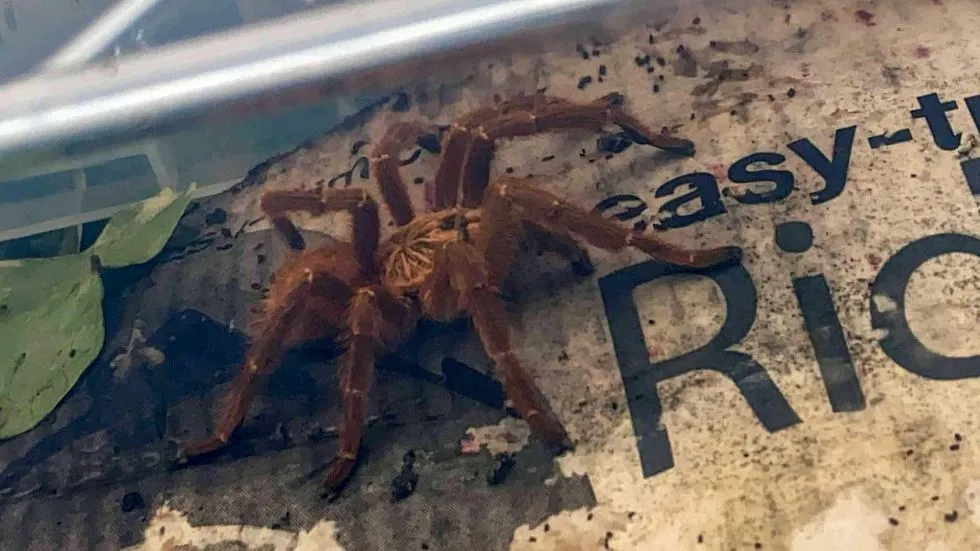
Understanding Tarantula Care 101
Embarking on the journey of tarantula ownership can be an incredibly rewarding experience. These fascinating creatures, with their diverse appearances and intriguing behaviors, make captivating pets. However, successful tarantula care requires a foundational understanding of their specific needs. This comprehensive guide, Tarantula Care 101, provides essential insights and expert tips to ensure your tarantula thrives in a safe and stimulating environment. From selecting the right species to mastering feeding techniques and recognizing health issues, this guide equips you with the knowledge needed to become a responsible and knowledgeable tarantula owner. By following these expert tips, you can unlock the secrets to providing a fulfilling life for your eight-legged companion and enjoy the unique joys of tarantula ownership.
Choosing the Right Tarantula
The first step in becoming a successful tarantula keeper is selecting the right species for your experience level and lifestyle. Different tarantula species have vastly different care requirements, temperaments, and sizes. Some tarantulas are relatively docile and easy to care for, making them ideal for beginners, while others can be more challenging and require more advanced knowledge. Thorough research is crucial before acquiring any tarantula, as this will ensure you can provide the appropriate environment and care for your chosen species. Consider factors such as your commitment level, available space, and personal preferences when making your decision. Consulting with experienced tarantula keepers or breeders can also provide valuable insights and guidance during this crucial stage.
Researching Different Species

Begin your journey by researching various tarantula species. Explore online resources, books, and forums to gather information about their natural habitats, diets, and specific care needs. Pay close attention to the temperament of each species; some tarantulas are known for their docile nature, while others can be defensive or skittish. Consider the size of the tarantula, as this will determine the size of the enclosure you need. Common beginner-friendly species include the Chilean rose hair tarantula and the Mexican red knee tarantula, known for their calm temperaments and relatively straightforward care requirements. Look for species that are readily available and ethically sourced from reputable breeders. Understanding the unique characteristics of each species will empower you to make an informed decision and provide the best possible care.
Considering Temperament and Size
Temperament and size are critical factors to consider when choosing a tarantula species. Some tarantulas are known for their docile temperaments, making them easier to handle and observe. Others are more defensive and may bite if they feel threatened. If you are a beginner, it is wise to start with a species known for its calm demeanor. Size is another important consideration, as it directly affects the enclosure requirements and overall space needed for your pet. Larger tarantulas require larger enclosures, which can be more challenging to manage. Consider the space you have available and whether you can accommodate a larger enclosure. Researching the specific temperament and size of a species before acquiring it will greatly increase your chances of a positive and fulfilling tarantula-keeping experience.
Setting Up the Perfect Tarantula Enclosure
Creating a suitable enclosure is fundamental to your tarantula’s well-being. The enclosure should replicate the tarantula’s natural habitat, providing a safe and comfortable environment. The size of the enclosure depends on the size of the tarantula; it should be large enough for the tarantula to move around freely but not so large that it makes it difficult for the tarantula to find its food. The enclosure should also have proper ventilation to prevent the buildup of humidity and mold. The materials used for the enclosure should be non-toxic and easy to clean. By paying attention to these details, you can create an enclosure that supports your tarantula’s health and promotes its natural behaviors.
Substrate Selection

The substrate, the material that lines the bottom of the enclosure, is a crucial component of a tarantula’s habitat. It provides a surface for the tarantula to walk on, burrow in, and regulate its humidity levels. The choice of substrate depends on the species of tarantula and its natural environment. Some popular substrate options include coconut fiber, peat moss, vermiculite, and a mixture of these. The substrate should be deep enough to allow the tarantula to burrow if it is a burrowing species. It should also be able to retain moisture to maintain the appropriate humidity levels. Avoid using substrates that contain chemicals or pesticides, as these can be harmful to your tarantula. Regular cleaning and replacement of the substrate are essential to maintaining a healthy environment.
Humidity and Temperature Control
Maintaining the correct humidity and temperature levels is vital for your tarantula’s health and well-being. Tarantulas have specific humidity and temperature requirements based on their species and natural habitats. Use a hygrometer to monitor the humidity levels in the enclosure, and adjust accordingly. Misting the enclosure with water can help increase humidity, but avoid over-misting, as this can lead to mold growth. Provide a temperature gradient within the enclosure to allow the tarantula to regulate its body temperature. Use a thermometer to monitor the temperature, and use a heat source, such as a heat mat or a ceramic heat emitter, to maintain the appropriate temperature range. Avoid placing the heat source directly in contact with the enclosure, as this can overheat the tarantula and cause burns. By carefully managing humidity and temperature, you can create a comfortable and healthy environment for your pet.
Hiding Spots and Decor
Providing hiding spots and decor is essential for enriching your tarantula’s environment and reducing stress. Tarantulas are naturally shy creatures, and they feel more secure when they have places to hide. Include items such as cork bark, artificial plants, or decorative rocks to provide hiding spots. The decor should also reflect the natural environment of the tarantula species. Ensure that any decor items are clean and free of sharp edges that could harm your tarantula. Avoid using toxic materials or items that could trap your tarantula. A well-decorated enclosure provides environmental enrichment and encourages your tarantula to exhibit its natural behaviors, contributing to its overall well-being.
Feeding Your Tarantula

Feeding your tarantula is a straightforward process, but it requires attention to detail to ensure proper nutrition and avoid overfeeding or underfeeding. Tarantulas are carnivores and require a diet of insects. The type of insects you feed depends on the size of your tarantula. Crickets, mealworms, and roaches are common food choices. Always make sure the insects are gut-loaded before feeding them to your tarantula to ensure they are packed with nutrients. Avoid feeding insects that are larger than the tarantula’s abdomen, as this can make it difficult for the tarantula to eat. The frequency of feeding depends on the tarantula’s age and species. Younger tarantulas need to be fed more often than adults. Observing your tarantula’s feeding habits and adjusting the feeding schedule as needed is important.
Appropriate Food Choices
Selecting appropriate food choices for your tarantula is crucial for its health and longevity. The diet of a tarantula should primarily consist of live insects. Crickets, mealworms, Dubia roaches, and superworms are commonly used. The size of the insects should be appropriate for the tarantula’s size, typically no larger than the tarantula’s abdomen. Before feeding the insects to your tarantula, it is essential to gut-load them. Gut-loading involves feeding the insects a nutritious diet for 24-48 hours before offering them to your tarantula. This process enriches the insects with essential vitamins and minerals, ensuring your tarantula receives a well-balanced diet. Avoid feeding your tarantula insects that have been exposed to pesticides or chemicals, and always source your feeder insects from a reputable supplier.
Feeding Frequency and Portion Size
The frequency and portion size of feeding depend on the tarantula’s age, species, and metabolism. Younger tarantulas and those that are actively growing require more frequent feedings, often every few days. Adult tarantulas can be fed less often, typically once a week or even less. The portion size should be adjusted based on the tarantula’s appetite. Observe how quickly your tarantula consumes its food. If it consistently leaves food uneaten, it may be receiving too much. If the tarantula readily consumes its food, you can gradually increase the portion size. Always remove uneaten food within 24 hours to prevent the growth of mold and the attraction of unwanted pests. Overfeeding can lead to health issues, so it is always better to err on the side of underfeeding, especially with adult tarantulas.
Watering and Hydration

Providing a clean source of water is essential for your tarantula’s hydration and overall health. Use a shallow water dish or a water gel to provide a constant supply of fresh water. The water dish should be shallow enough to prevent the tarantula from drowning, especially for smaller species. Water gels provide a safe alternative, as they reduce the risk of drowning. Ensure that the water dish is always clean, and replace the water regularly to prevent the growth of bacteria. In addition to a water source, you can also mist the enclosure with water to maintain the appropriate humidity levels. However, avoid over-misting, as this can lead to mold growth. By providing adequate hydration, you support your tarantula’s health and well-being.
Handling and Safety Precautions
While tarantulas are not typically aggressive, handling them requires caution and respect. Handling can be stressful for tarantulas and should be kept to a minimum. Some tarantulas are more docile and can tolerate handling, while others are skittish and may bite if they feel threatened. Always research the temperament of your specific tarantula species before attempting to handle it. Avoid handling your tarantula if it is about to molt, as their exoskeletons are extremely fragile during this period. If you do decide to handle your tarantula, do so with a calm and steady hand. Handle the tarantula close to the ground to minimize the risk of injury if it falls. Always wash your hands thoroughly before and after handling your tarantula.
When to Handle
Ideally, handling your tarantula should be kept to a minimum, as it can be a stressful experience for them. However, if you must handle your tarantula, choose times when it is most calm and receptive. Avoid handling your tarantula if it is eating, molting, or showing any signs of stress or aggression. Avoid handling your tarantula immediately after feeding, as it may be more defensive. Handle your tarantula when it is calm and appears comfortable. Carefully observe its behavior before and during handling. If your tarantula appears stressed or defensive, gently return it to its enclosure immediately. It’s important to prioritize the tarantula’s well-being and avoid handling if it’s not necessary or if the tarantula is showing signs of discomfort.
Proper Handling Techniques

When handling your tarantula, it is essential to use proper techniques to ensure both your safety and the tarantula’s well-being. Never grab or squeeze the tarantula. Instead, gently coax it onto your hand or arm. Always keep your movements slow and deliberate, avoiding sudden motions that could startle the tarantula. Handle the tarantula close to the ground or over a soft surface to minimize the risk of injury if it falls. Be mindful of the tarantula’s movements and body language. If the tarantula shows any signs of distress, such as raising its front legs or flicking its fangs, gently return it to its enclosure. Handling should always be a calm and controlled experience for both the handler and the tarantula.
Recognizing Signs of Distress
It is crucial to be able to recognize signs of distress in your tarantula, as this can help you prevent injuries and ensure its well-being. Tarantulas may exhibit various behaviors when they are stressed or threatened. These behaviors can include raising their front legs in a defensive posture, flicking their fangs, or rapidly moving. Other signs of distress include excessive burrowing, refusing to eat, or becoming lethargic. If you notice any of these signs, it is important to immediately return the tarantula to its enclosure and allow it to calm down. Ensure the enclosure environment is optimal. Consult with an experienced tarantula keeper or a veterinarian if the signs of distress persist. Being able to recognize and respond to these signs demonstrates responsible tarantula ownership and ensures the health of your pet.
Common Tarantula Health Issues
Like any pet, tarantulas can be susceptible to various health issues. Understanding common health problems is crucial for providing proper care and addressing any issues promptly. Some health issues are relatively minor and can be resolved with adjustments to the environment or diet, while others may require veterinary intervention. Regular observation of your tarantula’s behavior, eating habits, and overall appearance can help you detect any potential problems early on. If you notice any signs of illness, such as lethargy, loss of appetite, or unusual behavior, it is essential to seek advice from an experienced tarantula keeper or a veterinarian specializing in exotic pets. Being proactive in monitoring your tarantula’s health is an integral part of responsible ownership and helps to ensure its long-term well-being.
Parasites and Diseases

Tarantulas can be affected by parasites and diseases, which can compromise their health. Mites are a common parasite that can infest tarantulas, causing irritation and potential health issues. These tiny creatures can be difficult to spot, but signs of infestation include excessive grooming, restlessness, and visible mites on the tarantula’s body. Some diseases, such as fungal infections, can also affect tarantulas, especially in environments with high humidity. Preventing parasites and diseases involves maintaining a clean and hygienic environment. Inspect new additions to your collection for any signs of parasites. Ensure that the enclosure is properly ventilated and that the substrate is replaced regularly. If you suspect your tarantula has parasites or a disease, seek veterinary attention immediately.
Shedding and Molting
Shedding, or molting, is a natural process for tarantulas, as they shed their exoskeletons to grow. Molting is a vulnerable time for tarantulas, and it’s essential to provide a safe and stress-free environment during this period. Before molting, the tarantula may stop eating, become lethargic, and retreat to its burrow or hide. The tarantula will then lie on its back and shed its exoskeleton. The entire process can take several hours or even days. Avoid disturbing your tarantula during molting. After molting, the tarantula’s new exoskeleton will be soft and vulnerable. Do not feed your tarantula for a few days after molting to allow its fangs and exoskeleton to harden. Proper humidity and a safe environment are essential to ensure a successful molt.
Preventive Care and Veterinary Assistance
Preventive care is crucial for maintaining your tarantula’s health and well-being. Provide a clean and well-maintained environment. Offer a balanced diet. Regularly monitor your tarantula’s behavior and appearance. Consult with an experienced tarantula keeper or a veterinarian specializing in exotic pets if you notice any signs of illness or have any concerns. While there are limited veterinary resources available for tarantulas, a veterinarian can provide guidance on basic care and address specific health issues. Always keep a list of emergency contacts, including a veterinarian who is knowledgeable about tarantulas, in case of an emergency. Proactive care, including proper hygiene, regular observation, and prompt veterinary attention when needed, is key to ensuring your tarantula’s long and healthy life.
Advanced Tarantula Care
Once you have mastered the basics of tarantula care, you may want to explore advanced aspects of keeping these fascinating creatures. Advanced care can involve breeding tarantulas, raising spiderlings, or creating elaborate and specialized enclosures. Breeding tarantulas is a challenging but rewarding experience that requires a deep understanding of their reproductive cycles and environmental requirements. Raising spiderlings involves providing the appropriate conditions for their growth and development. Advanced care also includes learning about the specific needs of different tarantula species, which can vary significantly. Continual learning and research are essential for those seeking to expand their knowledge and expertise in tarantula care.
Breeding Tarantulas
Breeding tarantulas is a fascinating but complex endeavor that should only be undertaken by experienced keepers. It requires a thorough understanding of the reproductive cycles, environmental requirements, and potential challenges. Successful breeding involves selecting healthy adult tarantulas of the same species, providing them with a suitable environment, and closely monitoring their behavior. The female tarantula will lay eggs, which she will then protect in an egg sac. Managing the egg sac and raising the spiderlings requires specific knowledge and meticulous care. Breeding tarantulas is a rewarding experience, but it demands a significant commitment and a solid understanding of the process. Research and preparation are essential before attempting to breed your tarantulas.
Egg Sac Management
If your tarantulas successfully breed, the female will produce an egg sac to protect her eggs. Egg sac management is crucial for the survival of the spiderlings. The egg sac needs to be kept at the proper humidity and temperature. You can incubate the egg sac with the female or remove it and incubate it artificially. If you choose to incubate the egg sac artificially, you will need to monitor its development and provide the appropriate conditions for hatching. Once the spiderlings hatch, you will need to separate them and provide them with their own individual enclosures. Egg sac management can be a delicate process, and it requires careful attention to detail and a deep understanding of the tarantula’s reproductive cycle. Consulting with an experienced breeder or doing extensive research is highly recommended.
Raising Spiderlings
Raising spiderlings is a challenging but incredibly rewarding aspect of advanced tarantula care. Newly hatched spiderlings are tiny and fragile, and they require a specific environment to thrive. Spiderlings should be housed individually in small enclosures with appropriate substrate, humidity, and temperature. Provide them with small prey items, such as fruit flies or pinhead crickets. Monitor the spiderlings closely for any signs of health issues. As the spiderlings grow, you will need to gradually increase the size of their enclosures and the size of their prey items. Raising spiderlings requires patience, dedication, and a thorough understanding of their specific needs. Providing a safe and enriching environment, along with consistent care, will contribute to the healthy growth of these young tarantulas.