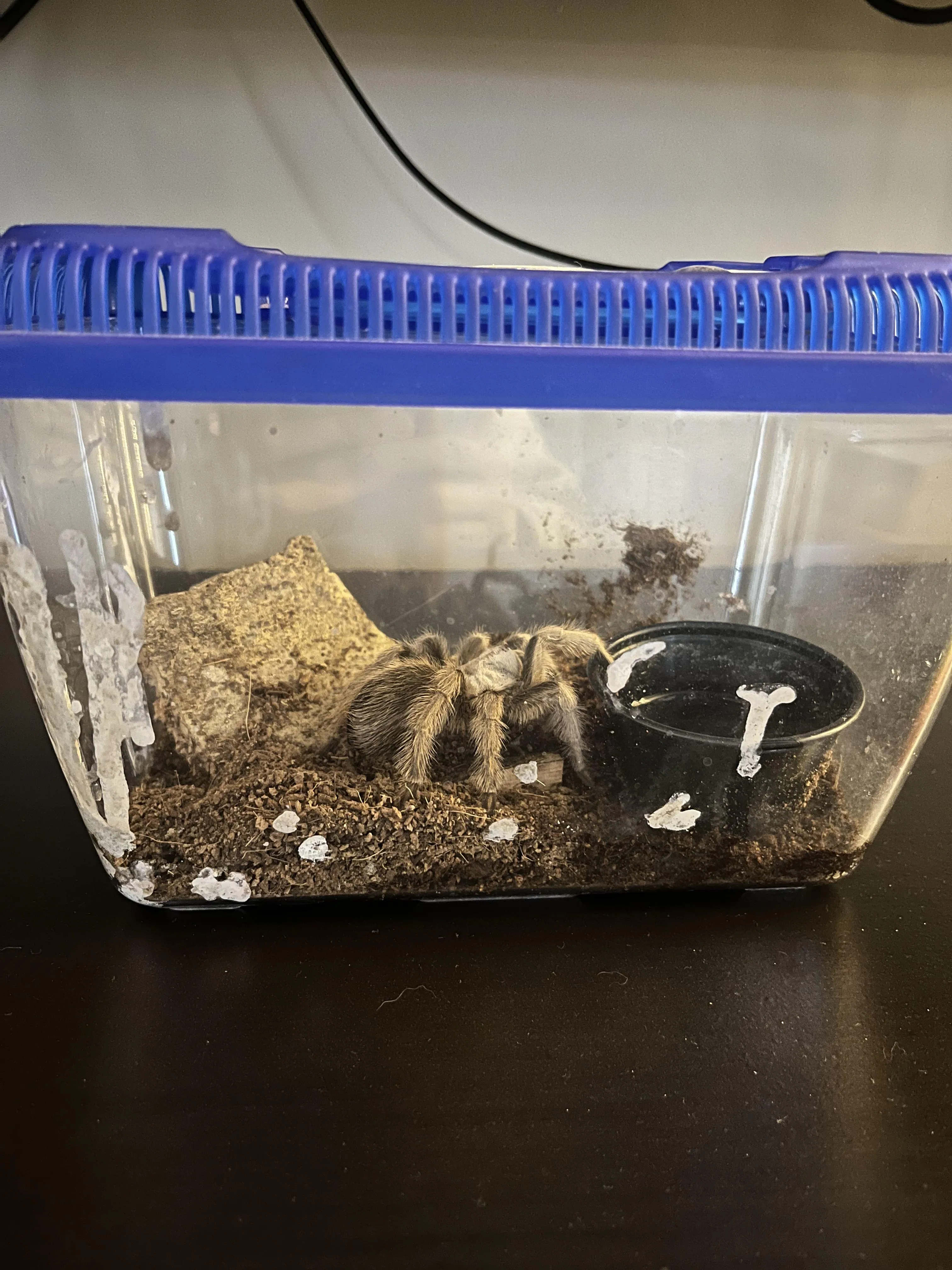
Understanding Tarantula Cage Size Importance
Choosing the right tarantula cage size is one of the most critical aspects of tarantula care, often overlooked by new keepers. A cage that’s either too small or too large can significantly impact your tarantula’s well-being, leading to stress, feeding difficulties, and even potential injuries. This guide will help you understand why tarantula cage size matters and how to select the perfect habitat for your eight-legged friend, ensuring it thrives in a comfortable and enriching environment. Correct tarantula enclosure size is not just about aesthetics, it is fundamentally important for the spider’s health and happiness, and influences its behavior and longevity.
Why a Too-Large Enclosure is Problematic
While it might seem counterintuitive, a tarantula cage that’s too large can be just as detrimental as one that’s too small. An excessively large enclosure can create several problems, making it harder to maintain ideal conditions and increasing the risk of injury to your tarantula. The size should be enough for the spider to move freely and to allow you to create the right environment for it to thrive. Overestimating the size the spider needs can be a big mistake. Here’s a breakdown of the specific issues that arise from housing a tarantula in a cage that’s too big.
Stress and Difficulty Hunting

In a spacious enclosure, tarantulas, especially juveniles, can become overwhelmed and stressed. The vast space can make them feel exposed and insecure, leading to hiding behavior and a reluctance to hunt. This can result in the tarantula refusing food, which can lead to health issues and stunted growth. A smaller, more manageable space provides a sense of security and encourages them to explore and hunt when they feel ready. They may struggle to locate prey in such a large space, leading to nutritional deficiencies and overall poor health. They thrive in spaces where they can easily find food and feel safe.
Risk of Injury
A larger cage often means more opportunities for falls. Tarantulas, particularly arboreal species, can climb the sides of the enclosure. If the cage is too tall, a fall from a significant height can cause severe injury or even death. Terrestrial species can also injure themselves by falling from climbing decor. A properly sized enclosure minimizes the distance your tarantula can fall, reducing the risk of injuries. The right tarantula cage size protects your pet from unnecessary risks, especially during molting when they are particularly vulnerable.
Difficulty Maintaining Humidity and Temperature
Larger enclosures are more challenging to regulate in terms of temperature and humidity. It takes more effort and equipment to maintain the consistent environmental conditions that tarantulas need to thrive. The larger the space, the more likely it is that humidity and temperature will fluctuate, leading to health problems. It is important to create and keep consistent temperature and humidity for the spider, and a too-large cage can make this difficult to achieve, potentially leading to respiratory infections and molting problems.
Choosing the Right Cage Size for Your Tarantula Species

The ideal tarantula cage size depends heavily on the species of your tarantula and its size. The size of the spider in its adult form is an important factor to consider when selecting an enclosure. Different species have different needs, based on their natural behaviors and preferred habitats. For example, arboreal tarantulas need more vertical space for climbing, while terrestrial species require more floor space for wandering. Consider the size of your tarantula at maturity, its natural behaviors, and its specific environmental requirements. Always provide an enclosure that accommodates the tarantula’s needs.
Terrestrial Tarantulas
Terrestrial tarantulas, which live on the ground, should have an enclosure that is wider than it is tall. The length and width of the enclosure should be at least twice the tarantula’s leg span, allowing ample room for movement and exploration. A good rule of thumb is to provide floor space that allows the tarantula to comfortably move around without feeling cramped. While height is less critical, the enclosure should be tall enough to provide sufficient substrate depth for burrowing, typically 4-6 inches depending on the species. Make sure the depth of the substrate is appropriate to allow your tarantula to burrow and create a comfortable home. Consider species such as the Chilean Rose Hair or the Grammostola pulchra.
Arboreal Tarantulas
Arboreal tarantulas, which live in trees, need a tall enclosure to accommodate their climbing behaviors. The height should be at least twice the tarantula’s leg span. The width of the enclosure can be more moderate. Vertical space is crucial for arboreal species to climb and feel secure. Make sure to provide plenty of climbing opportunities with branches, cork bark, or other decorations. Examples include the Greenbottle Blue or the Avicularia avicularia. A taller enclosure mimics their natural arboreal habitat. This setup allows the tarantula to climb and create a home high up.
Burrowing Tarantulas

Burrowing tarantulas, which spend most of their time underground, need a deep layer of substrate to create burrows. The enclosure should be longer and wider, but the depth of the substrate is the most critical factor. Provide a substrate depth that allows the tarantula to fully burrow and establish a secure hideaway, often 6-8 inches or more, depending on the species and size of the tarantula. They require a substantial amount of substrate to dig and feel secure. Species such as the Pterinopelma sazimai. The depth of the substrate will make the tarantula feel safe and create an appropriate habitat.
Essential Cage Features Based on Size
Beyond the overall dimensions, several features contribute to a tarantula’s well-being. These features are important for the overall success of the enclosure, and are important for the tarantula’s health. A well-designed enclosure replicates their natural habitat and supports the specific needs of the species, ensuring the spider can thrive. These features include the substrate, decorations, and ventilation.
Substrate Depth and Type
The substrate serves as the tarantula’s bedding and plays a vital role in maintaining humidity and providing a place to burrow. The depth of the substrate depends on the species, but generally, terrestrial and burrowing species need deeper substrates. Choose a substrate appropriate for the species, such as coconut fiber, peat moss, or a mixture of both. The substrate should be kept slightly moist, not wet, to maintain the proper humidity level. Always choose a substrate that suits the species, providing appropriate humidity and burrowing opportunities. Maintain the proper substrate conditions for the species’ needs, which can support its well-being.
Hides and Decorations

Tarantulas are naturally reclusive creatures and need places to hide. Provide hides such as cork bark, half logs, or artificial hides. These shelters offer a sense of security and reduce stress. Decorations can enrich the environment and make it more stimulating for the tarantula, and are good to include in any enclosure. Arrange the decor to allow the tarantula to move and explore freely, without obstructing its movement. Consider using decorations that mimic the tarantula’s natural habitat, enhancing its comfort and well-being.
Ventilation
Adequate ventilation is crucial to prevent the buildup of mold and mildew, and to maintain proper humidity levels. Ensure the enclosure has sufficient ventilation to allow for air circulation. This can be achieved through cross-ventilation, with vents located on opposite sides of the enclosure. Proper ventilation helps regulate humidity and minimizes the risk of respiratory infections. Without good ventilation, the environment can become stagnant, promoting the growth of harmful bacteria and fungi.
Monitoring and Adjusting the Environment
Regular monitoring is essential to ensure the environment within the enclosure remains suitable for your tarantula. This includes checking the temperature, humidity, and overall conditions. It’s important to maintain the correct environment inside the enclosure to ensure your tarantula is thriving. Knowing how to measure and regulate the environment is crucial for the tarantula’s health. Use tools such as a hygrometer and thermometer to assess these conditions.
Humidity Control

Humidity levels vary depending on the tarantula species. Use a hygrometer to measure humidity levels accurately. Maintain the appropriate humidity level by misting the enclosure with dechlorinated water as needed. Avoid over-misting, which can lead to mold growth. Ensure proper humidity levels by monitoring them closely and adjusting the frequency of misting. Regular monitoring of humidity ensures the spider’s health and comfort. Misting frequency depends on the humidity needs of the specific tarantula species, the substrate type, and the ventilation of the enclosure.
Temperature Regulation
Tarantulas are ectothermic, meaning they rely on external heat sources to regulate their body temperature. Maintain a consistent temperature range appropriate for your species, typically between 75-85°F (24-29°C). Use a thermometer to monitor the temperature within the enclosure. Avoid placing the enclosure in direct sunlight or near heat sources that could cause fluctuations in temperature. The correct temperature is crucial for the tarantula’s metabolism and overall health, and should be maintained using a thermometer. Adjust the heat source as needed to maintain the correct temperature range for the species.
Feeding and Water Access
Provide a shallow water dish with fresh, clean water at all times. Offer appropriately sized insects as food, depending on the tarantula’s size. Remove any uneaten food within 24 hours to prevent mold and mites. Ensure the water dish is easily accessible, and the tarantula can drink without difficulty. Monitor the tarantula’s feeding habits and adjust the diet as necessary. Proper feeding and hydration are essential for maintaining the tarantula’s health, and the provision of fresh water is critical. Also, make sure the feeder insects are smaller than the size of the tarantula.
Conclusion

Choosing the right tarantula cage size is a fundamental aspect of tarantula care, impacting your pet’s health and well-being. By understanding the specific needs of your tarantula species, providing an appropriately sized enclosure, and maintaining optimal environmental conditions, you can create a thriving habitat. Remember to prioritize your tarantula’s comfort and safety, and never underestimate the importance of creating an environment where it can thrive. With the proper size and setup, you can ensure your tarantula lives a long, healthy, and fulfilling life. Always observe your tarantula, and adjust the setup as needed to ensure it is comfortable and healthy.