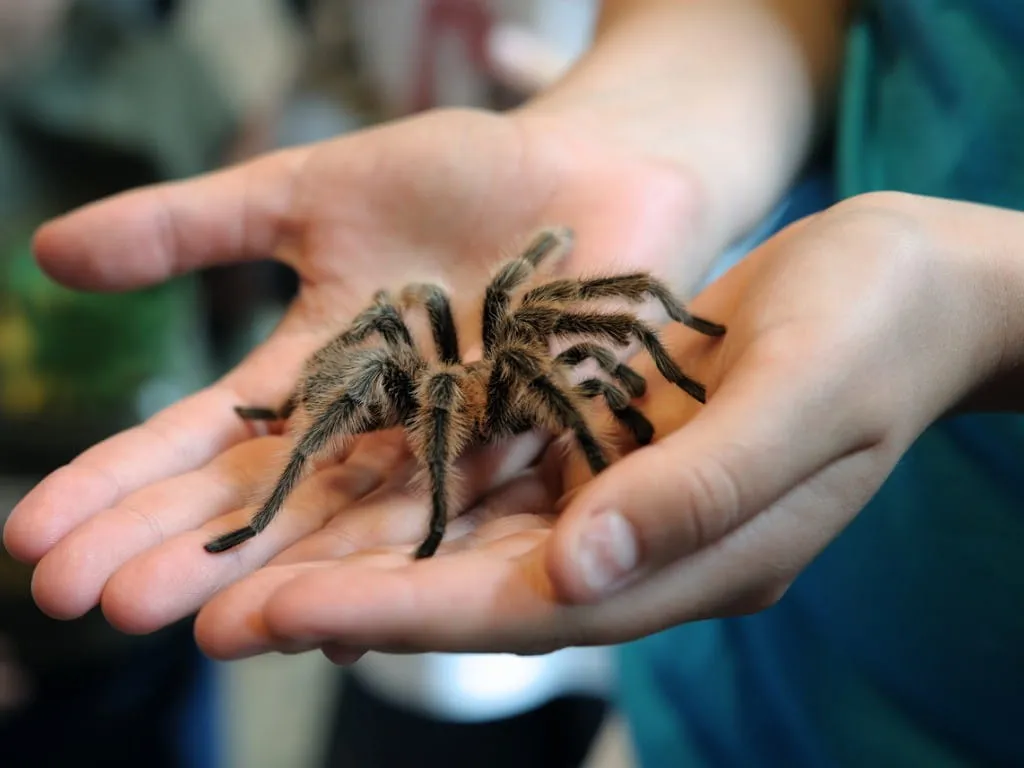
Tarantulas, with their impressive size and sometimes intimidating appearance, are fascinating creatures to observe. Many people keep them as pets, drawn to their relatively low-maintenance care and unique characteristics. However, understanding when a tarantula might bite is crucial for responsible ownership and safe interaction. While tarantula bites are rarely life-threatening to humans, they can be painful and should be avoided. This article delves into the top 5 reasons why a tarantula might bite, providing insights into their behavior and how to minimize the risk of a negative encounter. By recognizing the triggers and understanding their motivations, you can foster a safer and more enjoyable relationship with these amazing arachnids. Remember, respecting their natural instincts is key to peaceful coexistence.
Reasons Why Tarantulas Bite
Feeling Threatened
The primary reason a tarantula will bite is when it feels threatened. Tarantulas are generally docile and prefer to avoid confrontation, but when they perceive a threat, their defense mechanisms kick in. This often manifests as a bite, which is their last resort after displaying warning signs such as rearing up on their hind legs or flicking urticating hairs. Understanding these signs and respecting a tarantula’s space is essential to avoid triggering this defensive behavior. Recognizing the tarantula’s body language can help prevent a bite. If a tarantula is agitated, it may display a threat posture, rearing up on its hind legs with its fangs bared. This is a clear warning sign, and it’s crucial to back off immediately and give the tarantula space to calm down. Ignoring these warning signs significantly increases the chances of being bitten.
Defensive Behavior Explained

Defensive behavior in tarantulas is a survival mechanism. When a tarantula feels threatened, it prioritizes self-preservation. This behavior is deeply rooted in their instincts, developed over millions of years of evolution. When a tarantula feels cornered or perceives a predator, its first reaction is often to try to escape. If escape isn’t possible, it will resort to defensive tactics such as raising its front legs, baring its fangs, and hissing. This is the tarantula’s way of communicating ‘stay away’. Only when all other options are exhausted will a tarantula resort to biting as a last resort to protect itself. This behavior is consistent across most species, and understanding these patterns is critical in tarantula care.
Protection from Predators
In the wild, tarantulas face numerous predators. Birds, snakes, and larger mammals all pose a threat. Even in captivity, a tarantula can feel threatened by sudden movements, loud noises, or unfamiliar objects in its enclosure. This is why a calm, consistent environment is crucial. Avoid sudden movements near the enclosure, and make sure the tarantula feels secure in its habitat. Providing ample hiding places and ensuring a comfortable temperature are also crucial factors. The tarantula’s bite is one of its ultimate defenses against predators, which is why it is so important to understand their defense mechanisms and try to avoid actions that could trigger them. Understanding the environment in which a tarantula lives is important.
Protection of Eggs or Young
Female tarantulas, particularly, are highly protective of their eggs and young. During this time, they are much more likely to bite if they feel their offspring are in danger. If a female has an egg sac, it is imperative to avoid disturbing her or the sac. Any perceived threat, even the simple act of approaching the enclosure, could trigger a defensive response. Proper care and understanding of the tarantula’s needs during this crucial period is essential to ensure the safety of both the spider and the caregiver. The female will defend her eggs aggressively, using all of her defensive techniques, including biting. Creating a calm and secure environment is vital to the tarantula’s well-being, and ensuring a safe breeding period.
Molt is a Dangerous Phase

Molting is a vulnerable time for tarantulas, and during this period, they are particularly prone to biting. The process of molting involves shedding their exoskeleton to grow larger. During this time, the tarantula’s new exoskeleton is soft and easily damaged, and its defenses are significantly weakened. It is crucial to avoid any disturbances during this phase, as the tarantula will be highly defensive. Providing a secure and undisturbed environment during molting is essential for the tarantula’s health and safety. Ensuring the tarantula has access to water and a safe hiding place during molting will help it to successfully complete this vulnerable process. Handling should be strictly avoided during this phase.
Understanding the Molting Process
The molting process is a natural part of a tarantula’s life cycle. It’s how they grow and regenerate lost limbs. The tarantula prepares for molting by creating a new, larger exoskeleton beneath the old one. This process can take several weeks, during which the tarantula will often stop eating and become less active. The actual shedding of the old exoskeleton can take several hours, and the tarantula is completely defenseless during this period. After molting, the tarantula’s new exoskeleton is initially soft and vulnerable, so it’s essential to provide a safe environment to harden.
Vulnerability During Molt
During molt, tarantulas are at their most vulnerable. Their fangs are soft, and they are unable to effectively defend themselves. Any perceived threat during this period can trigger a defensive bite, as it is their last line of defense. Furthermore, their movements are restricted, and they are easily injured. It is crucial to create a stress-free environment during molting, avoiding any disturbances or handling. Providing a humid environment can help facilitate the molting process, but it is critical to avoid interfering with the tarantula. Allowing the tarantula to molt undisturbed is key to its survival and well-being. The stress of handling, noise, or sudden movements can seriously hinder the molting process.
Hunger and Feeding
Although less common, a hungry tarantula may be more likely to bite if it mistakes a finger for food, especially if it’s a juvenile or a particularly aggressive species. While they can go for extended periods without food, they are always opportunistic feeders. Ensuring a regular feeding schedule and providing appropriately sized prey items can help to minimize the risk of a bite. Feeding your tarantula a balanced diet of appropriate insects and prey items is also critical. Regular feeding helps to satiate their hunger and can reduce the likelihood of them mistaking a hand or finger for food. Proper care and feeding is key to preventing bites related to hunger, especially with juvenile tarantulas.
Importance of Feeding
Regular feeding is vital for the health and well-being of tarantulas. A well-fed tarantula is less likely to be aggressive or to bite out of hunger. Feeding frequency varies depending on the age and size of the tarantula, but generally, juveniles should be fed more often than adults. Providing a variety of prey items, such as crickets, mealworms, and roaches, ensures that your tarantula receives a balanced diet. Overfeeding, however, can lead to other health issues, so it is important to observe your tarantula’s eating habits and adjust its feeding schedule accordingly. A well-fed tarantula is generally more docile, and a key part of responsible pet care.
Misidentification as Prey
In rare cases, a tarantula might bite if it mistakes a moving finger for prey. This is more likely to occur with smaller or juvenile tarantulas, or if a tarantula is particularly hungry. Ensuring that your hands are clean and free of food odors can help to minimize the risk of this happening. Using tongs or other tools to feed your tarantula is the safest practice. Never put your hand directly into the enclosure, as this increases the chances of a bite. It is also very important to be mindful of where you are positioning your hands when working in their enclosure, and avoid making any quick movements that could be misconstrued as an attack.
Handling Mistakes

Improper handling is a major cause of tarantula bites. Tarantulas should generally not be handled unless necessary, such as for health checks or relocation. Even then, it is best to let the tarantula walk onto your hand rather than attempting to pick it up. Never try to grab or restrain a tarantula. Always approach them slowly and cautiously, and avoid sudden movements that might startle them. Understanding a tarantula’s body language is crucial when handling. If the tarantula shows any signs of aggression, such as rearing up or hissing, cease handling immediately.
Incorrect Handling Techniques
Using incorrect handling techniques is a common cause of bites. Avoid picking up a tarantula from above, as this can make them feel threatened. Instead, gently encourage them to walk onto your hand. Never try to grab a tarantula, as this will likely trigger a defensive bite. Support the tarantula with both hands, and avoid sudden movements or dropping them. Handle them close to the ground or over a soft surface in case they fall. Never handle a tarantula if you’re nervous or unsure, as your apprehension can transmit to the spider. Building a trusting relationship with your tarantula is essential to safely handling them, which is why it is typically not recommended, unless absolutely necessary.
Startle Reflex and Bites
Tarantulas have a strong startle reflex. Any sudden movement or unexpected event can cause them to bite as a defense mechanism. This is why it is essential to move slowly and deliberately around a tarantula’s enclosure. Avoid loud noises or sudden vibrations, and never tap on the glass. Creating a calm and predictable environment is crucial for minimizing the risk of startling the tarantula. Always approach the enclosure calmly, and speak in a soft tone of voice. Providing a consistent environment will reduce the likelihood of startling the tarantula and triggering a defensive bite. This will help the tarantula to feel safe and secure.
Environmental Stress

Environmental stress can also contribute to a tarantula’s likelihood of biting. Tarantulas are sensitive to changes in their environment, and any stressor can make them more defensive. Providing a consistent and stable habitat is essential for their well-being. This includes maintaining the correct temperature and humidity levels, providing adequate hiding places, and avoiding any unnecessary disturbances. Monitoring your tarantula’s behavior and responding to any signs of stress, like hiding or refusing to eat, can help prevent a bite. Ensuring a healthy environment for the tarantula is a key component of pet care.
Stress Factors
Several factors can cause stress in tarantulas. These include incorrect temperature and humidity levels, lack of hiding places, excessive handling, loud noises, and overcrowding. Providing a suitable enclosure that meets the tarantula’s specific needs is critical to minimizing stress. Regularly checking the enclosure for any signs of stress, such as excessive webbing or refusal to eat, is important. Addressing any stress factors promptly can prevent a defensive bite. It is also important to provide clean water and food at all times.
Changes in Habitat
Sudden changes to a tarantula’s habitat can also induce stress and increase the risk of a bite. This includes moving the enclosure, changing the substrate, or introducing new decorations. Any change to the environment can make them feel vulnerable. When making changes to the enclosure, it is crucial to do so slowly and gradually. Avoid any sudden movements or noises, and always allow the tarantula time to adjust to the changes. Reducing stress and providing a stable environment is critical to preventing a tarantula bite. Creating a safe and secure habitat is essential for their overall well-being.
In conclusion, understanding the reasons behind tarantula bites is critical to safe and responsible pet ownership. By recognizing the signs of a threatened tarantula, providing a suitable environment, and practicing safe handling techniques, you can significantly reduce the risk of a bite. Remember, tarantulas are generally docile creatures that prefer to avoid confrontation. By respecting their needs and understanding their behavior, you can cultivate a rewarding relationship with these fascinating animals.