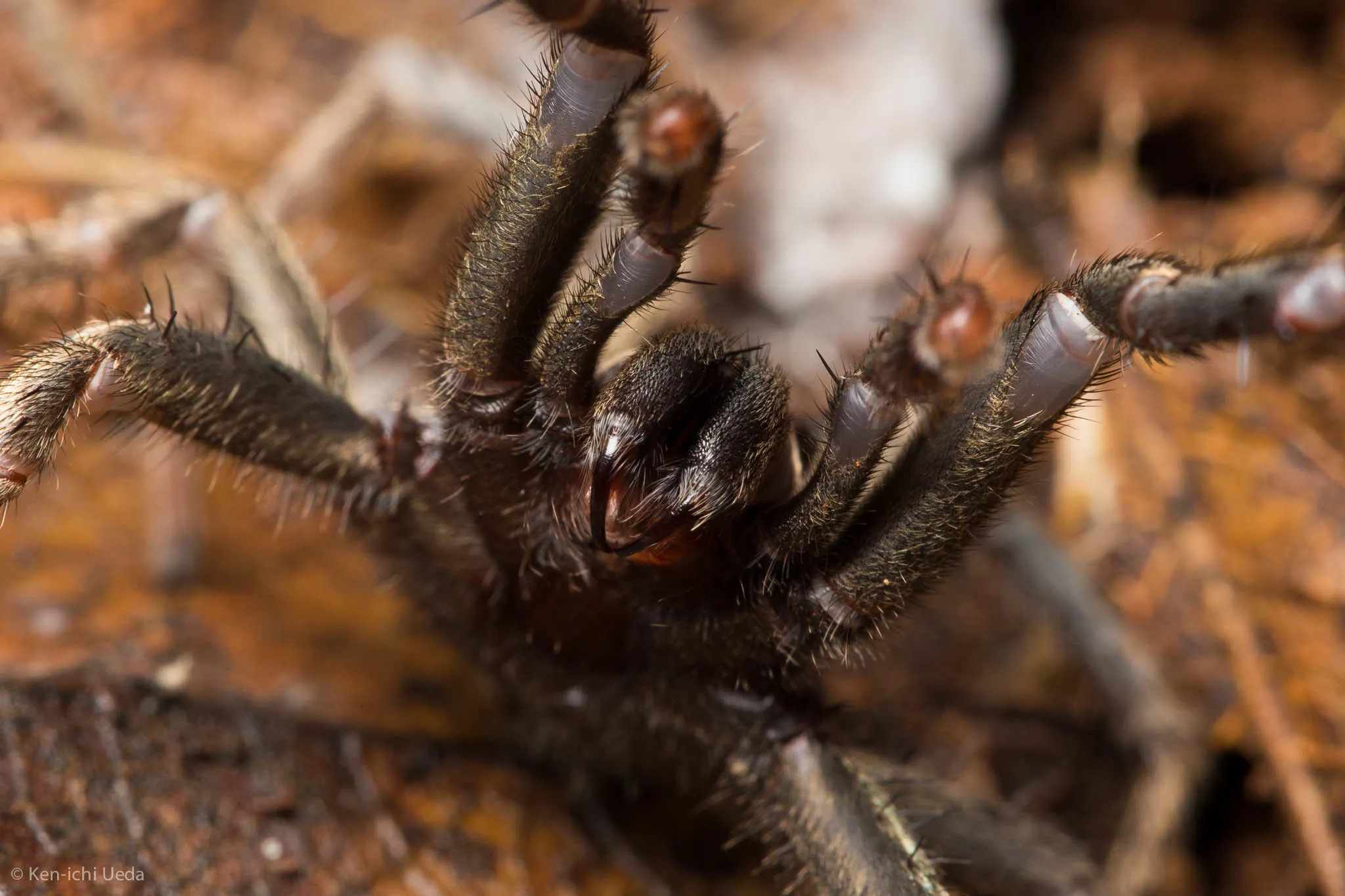
What are Tarantula Bites
Tarantula bites, while often feared, are rarely life-threatening to humans. However, it is crucial to understand what happens when a tarantula bites, especially if you are keeping a tarantula as a pet or live in an area where these spiders are found. Tarantulas, despite their intimidating size and appearance, are generally not aggressive and will only bite as a defensive mechanism. Understanding the nature of these bites, the symptoms, and the appropriate first aid can help mitigate any potential complications. The main thing to know is the bite itself is not usually a big deal.
Are Tarantulas Poisonous
The correct terminology is crucial when discussing tarantulas and their bites. Are tarantulas poisonous? No. The term “poisonous” applies to something that is harmful when ingested or inhaled. Tarantulas, like most spiders, are venomous. Venom is injected through fangs and is delivered directly into the body. This distinction is vital in understanding the effects of a tarantula bite and how to respond to it. Knowing the correct terms is critical to assessing the severity.
Tarantula Venom vs. Poison

The venom of a tarantula is a complex mixture of proteins and other compounds designed to subdue prey. The venom affects the nervous system and can cause various reactions in humans. The severity of the reaction depends on the species of tarantula, the amount of venom injected, and the individual’s sensitivity. Although the venom is not usually lethal to humans, it can cause significant discomfort and, in rare cases, more severe symptoms. Understanding the difference is crucial.
Symptoms of a Tarantula Bite
The symptoms of a tarantula bite can vary widely depending on the individual and the species of tarantula. Most bites result in localized symptoms, while systemic symptoms are less common. Recognizing these symptoms is important for proper care and medical attention if needed. Keep monitoring yourself for a few hours after the bite.
Localized Symptoms
Localized symptoms typically occur at the bite site and may include immediate pain, redness, swelling, and itching. The pain can range from a mild stinging sensation to a more intense burning feeling. Swelling can vary from a small area around the bite to a larger area. Itching and localized muscle cramps may also occur. Most of the time these symptoms last a few hours to a day or two. It is important to monitor the bite site for any signs of infection.
Systemic Symptoms

Systemic symptoms are less common but can include nausea, vomiting, muscle cramps, and in rare cases, difficulty breathing. These symptoms indicate a more severe reaction and require prompt medical attention. Other systemic symptoms might also include dizziness, sweating, or an elevated heart rate. If you experience any of these systemic symptoms, seek medical help immediately. Remember that such reactions are very rare.
First Aid for Tarantula Bites
Providing appropriate first aid can help reduce the severity of symptoms and prevent complications. Quick and effective response is key. Here’s what to do immediately after a tarantula bite.
Clean the Wound
Wash the bite area thoroughly with soap and water. This helps remove any remaining venom and reduces the risk of infection. Gently pat the area dry. Avoid using harsh chemicals or strong antiseptics, as these can irritate the skin. Make sure you clean your hands before and after treating the bite to prevent any spread of potential bacteria.
Apply Cold Compress

Apply a cold compress or ice pack to the bite area for 10-15 minutes at a time, several times a day. This can help reduce swelling and pain. Wrap the ice pack in a cloth to prevent direct contact with the skin. Avoid applying excessive pressure. Elevating the affected limb can also help minimize swelling. Don’t put the ice directly on the skin.
Seek Medical Attention
While most tarantula bites do not require medical attention, it’s essential to monitor the symptoms closely. If symptoms worsen or if systemic symptoms develop, seek medical attention immediately. Inform the doctor about the bite and the species of tarantula, if known. Medical professionals can provide appropriate treatment and advice. It is always better to be safe than sorry.
When to See a Doctor
You should seek medical attention if you experience severe pain, difficulty breathing, or other systemic symptoms. Any signs of an allergic reaction, such as hives or swelling of the face or throat, also require immediate medical care. Individuals with pre-existing health conditions or those bitten by a tarantula known to have a more potent venom should also seek prompt medical advice. It is always wise to consult a healthcare professional for any health concerns.
Preventing Tarantula Bites

Preventing tarantula bites is always better than treating them. Knowing how to handle tarantulas safely and understanding their behavior can significantly reduce the risk of being bitten. Exercise caution around tarantulas, especially if you are unfamiliar with their behavior. Protective measures are crucial for those who work with or keep tarantulas as pets.
Handling Tarantulas Safely
When handling tarantulas, use proper equipment such as gloves and avoid direct contact with your skin. Always handle them over a soft surface in case they fall. Move slowly and avoid sudden movements, which might startle the tarantula. Make sure you have a safe place prepared before you handle the tarantula. It is important to understand that tarantulas are fragile and can be injured easily. Always supervise children around tarantulas.
Understanding Tarantula Behavior
Learn about the species of tarantula and its specific behaviors. Some tarantulas are more likely to bite than others. Recognize signs of stress or aggression in the tarantula, such as raising its front legs or flicking hairs (urticating hairs). If the tarantula displays these behaviors, leave it alone and give it space. Observe them from afar before interacting with them.
Tarantula Bite Treatment

Treatment for a tarantula bite focuses on managing the symptoms and preventing complications. The specific treatment approach will depend on the severity of the bite and the individual’s reaction. Effective management can alleviate discomfort and promote recovery.
Pain Management
Over-the-counter pain relievers, such as ibuprofen or acetaminophen, can help manage pain and discomfort. Apply a cold compress to the bite site to reduce swelling and pain. If the pain is severe, a doctor may prescribe stronger pain medication. Follow the instructions on the package or your doctor’s recommendations when taking any medication. Ensure you monitor any adverse reactions.
Antivenom Availability
Antivenom for tarantula bites is not widely available. Generally, treatment focuses on managing symptoms rather than administering antivenom. In severe cases, medical professionals might provide supportive care, such as oxygen or intravenous fluids. Due to the limited availability of antivenom, it’s crucial to focus on preventive measures, proper first aid, and symptom management. Always be prepared for the worst-case scenario.
Long-Term Effects and Complications

Most tarantula bites do not lead to long-term effects or complications. However, in rare instances, complications can occur. Being aware of these possibilities is essential for proper care and recovery.
Common Complications
Infections at the bite site are possible, especially if the wound is not properly cleaned. Symptoms of an infection include increased pain, redness, swelling, and pus. Allergic reactions, though rare, can cause more severe complications, such as difficulty breathing or anaphylaxis. If you experience any signs of infection or an allergic reaction, seek medical attention immediately. Sometimes, minor scarring can happen.
Recovery Timeline
The recovery timeline for a tarantula bite varies. Most localized symptoms subside within a few days. Full recovery typically occurs within a week or two. If complications arise, the recovery period may be extended. Follow your doctor’s instructions and monitor your symptoms. Be patient and allow your body to heal.
Myths and Misconceptions about Tarantula Bites
Several myths and misconceptions surround tarantula bites. Separating fact from fiction is essential for understanding the true risks and managing expectations. Education dispels fear and promotes a realistic approach to tarantula encounters.
Debunking Myths
One common myth is that all tarantula bites are deadly. The truth is that tarantula bites are rarely life-threatening to humans. Another myth is that tarantulas are aggressive and prone to biting. In reality, tarantulas are generally docile and will only bite as a defensive measure. Many people believe that the venom is extremely potent. The venom is not highly potent and is less toxic than many other animals. Be sure to consult reliable sources for accurate information.
In conclusion, tarantula bites are rarely a major health concern for humans. By understanding the facts, practicing preventative measures, and knowing how to respond, you can minimize the risks and deal with any potential issues. Always prioritize safety and seek professional medical advice when necessary.