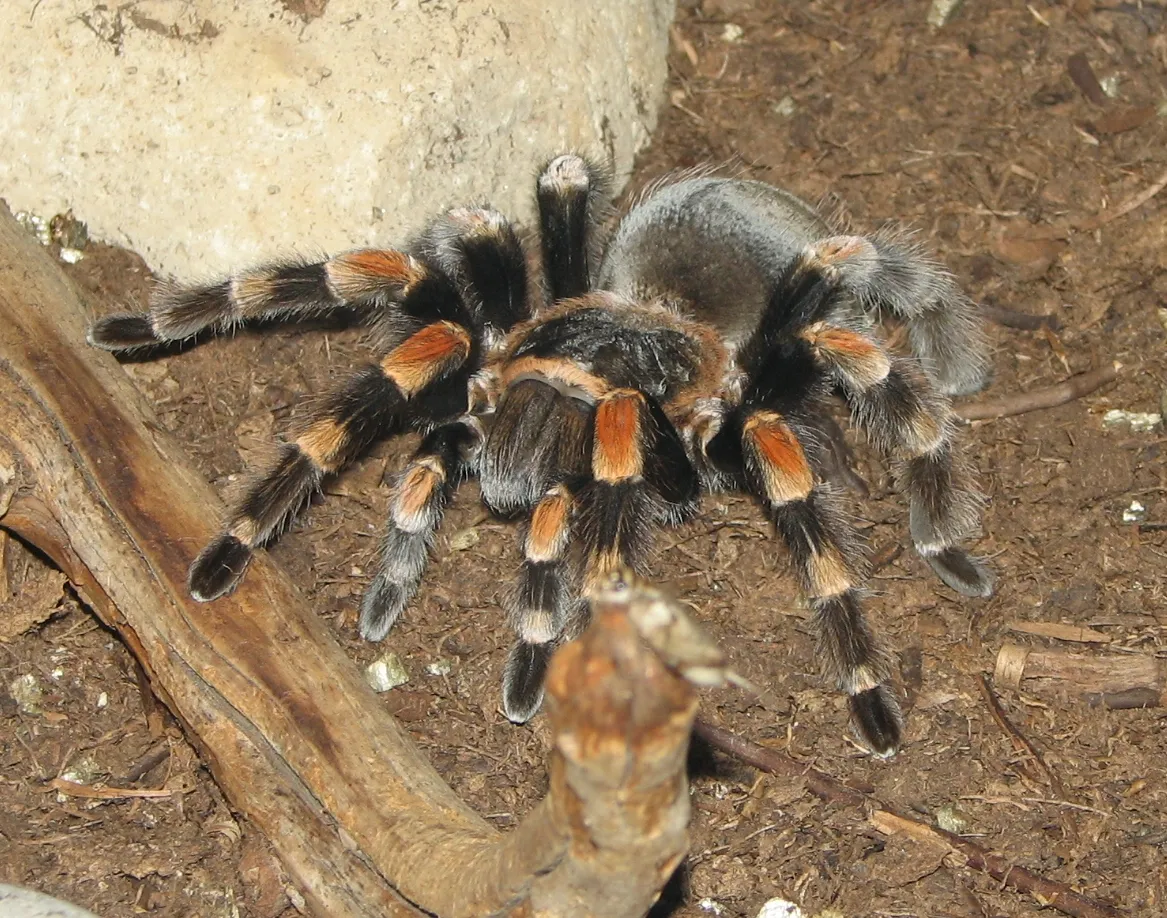
Tarantula Bites Understanding the Risks
Tarantulas, though often feared, are generally not aggressive and prefer to retreat. However, bites can occur, usually as a defensive measure if they feel threatened or startled. Understanding the risks associated with tarantula bites is crucial for anyone who owns, handles, or simply encounters these fascinating arachnids. While most tarantula bites are not life-threatening to humans, they can still cause localized pain, discomfort, and other symptoms. It’s essential to know how to identify a bite, what symptoms to expect, and the appropriate steps to take for first aid and medical treatment. This information helps to minimize potential harm and ensures a swift recovery if a bite does occur. Proper knowledge and preparation can transform a potentially frightening situation into a manageable one, allowing you to appreciate these creatures while minimizing risk.
Identifying a Tarantula Bite
Identifying a tarantula bite can be the first step in proper treatment. The bite itself may appear as two small puncture wounds, reflecting the tarantula’s fangs. Sometimes, however, the bite might not be immediately obvious, especially if it occurs in a hairy area of the skin. The appearance of the bite can vary based on the tarantula species and the amount of venom injected. Other factors to consider are the location of the bite, which can influence the severity and the speed at which symptoms develop. Keep in mind that not all tarantula species have venom that poses a significant threat to humans, but any bite warrants careful observation. Familiarizing yourself with the potential appearance of a tarantula bite will help to quickly recognize and respond to the situation.
Symptoms of a Tarantula Bite

The symptoms of a tarantula bite can vary in intensity. Common symptoms include localized pain at the bite site, which can range from mild discomfort to more intense throbbing. Redness and swelling around the bite are also typical, as the body reacts to the venom. Itching might occur, adding to the discomfort. In some cases, individuals may experience muscle cramps or spasms, particularly near the bite location. More severe symptoms, although rare, can include nausea, vomiting, and difficulty breathing. Monitoring the onset and progression of symptoms is crucial for determining the appropriate course of action. If any severe symptoms appear, immediate medical attention is required. Understanding the different symptoms helps to assess the severity of the bite and to provide the necessary care.
Immediate First Aid for Tarantula Bites
Administering immediate first aid after a tarantula bite can mitigate the symptoms and speed up the recovery process. The initial steps focus on cleaning the wound and minimizing further complications. Remain calm and try to reassure the person who was bitten. The following steps are generally recommended to care for the bite.
Cleaning the Wound
Gently clean the bite area with mild soap and water. This helps to remove any potential contaminants and reduce the risk of infection. Be sure to thoroughly rinse the area. Avoid harsh chemicals or vigorous scrubbing, as these can irritate the skin and worsen the symptoms. Pat the area dry with a clean towel. Careful cleaning is one of the most fundamental first-aid measures.
Applying a Cold Compress

Applying a cold compress to the bite site can help reduce pain, swelling, and inflammation. Wrap an ice pack or a cold compress in a clean cloth and apply it to the affected area for 10-20 minutes at a time. This can be repeated as needed. Avoid applying ice directly to the skin, as this can cause frostbite. The cold will help constrict blood vessels, reducing the spread of venom and easing discomfort. Be sure to take breaks to prevent overcooling the area.
Seeking Medical Attention
Seeking medical attention is crucial for certain tarantula bites, especially if severe symptoms develop. Doctors can assess the severity of the bite and recommend appropriate treatment. They can also provide medications to alleviate pain, inflammation, or other symptoms. In cases of allergic reactions or significant venom injection, medical intervention becomes essential. A medical professional will be able to properly diagnose the bite and make the correct recommendations to best treat it.
When to See a Doctor
It’s important to know when to seek medical attention after a tarantula bite. If you experience severe symptoms such as difficulty breathing, chest pain, or widespread swelling, seek immediate medical help. If the symptoms worsen or don’t improve within a few hours, consult a doctor. Signs of infection, such as increased redness, warmth, pus, or fever, also warrant a visit to the doctor. If you are unsure about the severity of the bite, it’s always best to err on the side of caution and seek medical advice. Your healthcare provider will be able to give you the best recommendations based on your symptoms and medical history.
What to Expect at the Doctor’s Office

When you go to the doctor, the healthcare provider will examine the bite site and ask questions about your symptoms and medical history. They may ask you about the tarantula, if you know the species, and how the bite occurred. The doctor may clean the wound and provide instructions on wound care. They may also prescribe medications, such as antihistamines to reduce itching or pain relievers to manage pain. In rare cases, they might administer antivenom or other specific treatments depending on the severity of the bite and the species of tarantula. Follow all medical advice and take any prescribed medications as directed to ensure proper recovery. Remember, the doctor’s goal is to provide the best care to alleviate symptoms and help you recover.
Treatments for Tarantula Bites
The treatment for a tarantula bite depends on the severity of the symptoms. Mild cases may only require basic first aid and over-the-counter medications. More severe cases might require medical interventions such as prescription medications, and occasionally, hospitalization. The main goals of treatment are to alleviate symptoms, prevent complications, and support the body’s natural healing process. Treatments often focus on symptom management.
Pain Management
Pain management is a crucial aspect of treating a tarantula bite. Over-the-counter pain relievers, such as ibuprofen or acetaminophen, can help to reduce pain and inflammation. For more severe pain, a doctor may prescribe stronger pain medications. Applying a cold compress to the bite site can also provide relief. It’s essential to follow the instructions on any medication and to consult with a doctor if the pain persists or worsens. Controlling pain ensures greater comfort and can promote faster healing. Remember to keep the area clean and elevated to help ease discomfort.
Antihistamines and Other Medications

Antihistamines can be used to alleviate itching and reduce the inflammatory response. If the bite causes an allergic reaction, a doctor may prescribe antihistamines or other medications. In cases of severe reactions, medical professionals might prescribe corticosteroids to reduce inflammation. If the bite site becomes infected, antibiotics may be needed to treat the infection. Always follow the doctor’s instructions when taking any medication. Ensure you understand the dosage and potential side effects of any drugs prescribed.
Preventing Tarantula Bites
Preventing tarantula bites involves practicing safe handling techniques and maintaining a safe environment for both the tarantula and yourself. By taking precautions, the risk of a bite can be greatly reduced. Educating yourself about tarantula behavior and understanding their needs is also essential for safe interaction.
Safe Handling Techniques
If you must handle a tarantula, do so with extreme care and caution. Always approach the tarantula calmly and gently. Avoid sudden movements or actions that could startle the spider. Use tools such as tongs or a catch cup to move the tarantula if possible. If handling is necessary, ensure that the tarantula feels secure. Handling should be done in a safe environment where the spider cannot escape. Avoid handling the tarantula if it seems agitated or defensive. Supervise children and ensure they understand the importance of respecting the tarantula’s space and boundaries.
Proper Enclosure Maintenance

Maintaining the tarantula’s enclosure properly is crucial for its well-being and for minimizing the risk of bites. The enclosure should be appropriately sized for the species and life stage of the tarantula. Ensure the enclosure is secure and escape-proof, and it can be closed with a lid. Regular cleaning of the enclosure is also essential to maintain a healthy environment. Remove any uneaten food, fecal matter, or dead insects. Proper temperature and humidity levels are important and should be carefully monitored. Provide adequate substrate for burrowing species. By providing a safe and comfortable habitat, the tarantula is less likely to feel threatened, reducing the chances of defensive behavior.
Tarantula Behavior and Recognizing Aggression
Understanding tarantula behavior helps you to recognize signs of potential aggression. Tarantulas may exhibit various behaviors that indicate they are feeling threatened or defensive. These include raising their front legs, displaying their fangs, flicking hairs from their abdomen, or hissing. If a tarantula displays any of these behaviors, it’s best to back away and avoid handling it. Familiarizing yourself with the characteristics of different tarantula species helps you anticipate their behavior. It’s essential to respect a tarantula’s space and boundaries. Patience and a calm demeanor are essential when interacting with these spiders. By understanding the animal’s signals, you can minimize the chances of a bite and keep yourself safe.
In conclusion, while tarantula bites can happen, they are often manageable with the right knowledge and immediate action. Understanding the risks, recognizing symptoms, and knowing the proper first aid and medical treatments are critical. By following safety tips and understanding tarantula behavior, you can reduce the chances of a bite. Remember to remain calm and seek medical attention when necessary. Enjoying these creatures safely is all about preparation and understanding. Prioritizing your health and safety while appreciating the fascinating world of tarantulas is key. With careful measures, you can effectively navigate any situation involving these arachnids.