Understanding Tarantula Bites
Tarantulas, despite their intimidating size and appearance, are generally not aggressive creatures. However, like any animal, they may bite when they feel threatened or provoked. Understanding what leads to a tarantula bite and how their fangs and venom work is crucial for anyone who owns, handles, or lives near these fascinating arachnids. Recognizing the circumstances that might trigger a bite can help in prevention, and knowing the basic biology of the bite allows for a more informed and less panicked response if one does occur. This section will delve into the fundamental aspects of tarantula bites to provide a solid foundation of knowledge.
What Happens When a Tarantula Bites
When a tarantula bites, it uses its fangs to inject venom into the victim. The venom’s primary purpose is not to kill, but rather to immobilize prey. In humans, a tarantula bite is rarely life-threatening, but the effects can still be unpleasant. The severity of the bite depends on several factors, including the species of tarantula, the amount of venom injected, and the individual’s sensitivity. The bite itself can be quite painful, akin to a bee sting, and often results in localized pain, redness, and swelling. Understanding the mechanics of the bite and the typical reactions can help one to be prepared for what to expect and to react appropriately.
The Anatomy of Tarantula Fangs

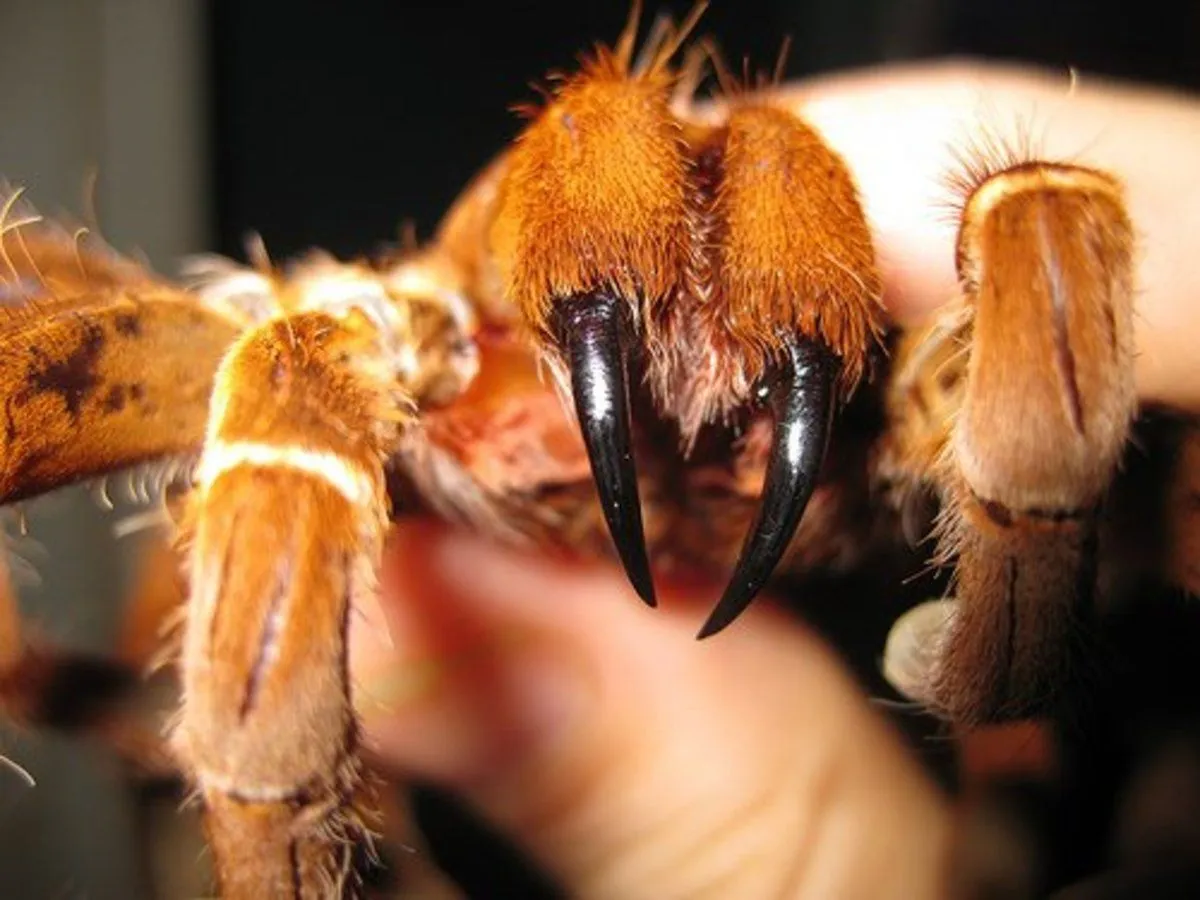
Tarantulas have two prominent fangs, which are actually modified mouthparts called chelicerae. These fangs are typically strong and sharp, designed to pierce the exoskeletons of insects and other small creatures. The size and shape of the fangs vary depending on the tarantula species. The fangs are not hollow, as in snakes, but rather have grooves that channel venom from glands located in the chelicerae. When a tarantula bites, it uses its fangs to stab into its target, and the venom flows into the wound. A clear understanding of the physical structures involved provides a better insight into the mechanism of the bite.
Is Tarantula Venom Dangerous
Tarantula venom is generally not considered highly toxic to humans. Most bites result in localized symptoms, such as pain, redness, and swelling at the bite site. However, individual reactions can vary. Some people may experience more severe symptoms, particularly if they are allergic to the venom. While rare, more serious reactions can include muscle cramps, nausea, and, in extreme cases, difficulty breathing. The perceived danger of a tarantula bite can be influenced by factors like a person’s overall health, age, and the amount of venom injected. It is always best to seek medical advice to be sure about what to do.
Immediate Reactions to a Tarantula Bite
If you are bitten by a tarantula, swift action is necessary to minimize discomfort and potential complications. The immediate response focuses on cleaning the wound, reducing pain, and monitoring for any adverse reactions. Staying calm and following these essential first-aid steps can significantly improve the outcome and help prevent a minor incident from escalating into a more serious health concern. Being prepared with these steps is very important for anybody in contact with tarantulas.
First Aid Steps to Take Immediately

The first steps following a tarantula bite involve immediate care at the site of the bite. The initial steps focus on mitigating pain and preventing infection. Start by remaining calm and moving away from the tarantula to avoid any further bites. Then, gently wash the bite area with mild soap and water. Apply a cold compress or ice pack to the affected area to help reduce swelling and pain. It’s also important to keep the bitten area elevated. These simple actions can greatly reduce discomfort and help the healing process begin. These are the most basic steps that should be taken in the event of a bite, and further treatment may be needed.
Cleaning the Wound
Proper wound care is essential to prevent infection. After washing the bite area with soap and water, gently pat it dry. Avoid harsh chemicals or scrubbing, as this can irritate the skin. If possible, keep the wound clean and dry to promote healing. Applying a thin layer of antibiotic ointment can also help to prevent infection. Regularly inspect the bite area for signs of infection, such as increased redness, swelling, pus, or fever. Keeping the wound clean helps prevent other illnesses from developing. Make sure to seek medical attention if you spot any of these signs.
Controlling the Pain
Pain management is a key aspect of dealing with a tarantula bite. Over-the-counter pain relievers, such as ibuprofen or acetaminophen, can help to reduce pain and inflammation. Applying a cold compress or ice pack can also provide relief. If the pain is severe, or does not subside, a doctor should be consulted. Avoid applying heat, as this can increase swelling and pain. Keeping the affected area elevated can also help with pain relief. While tarantula bites are usually not life-threatening, managing the pain can significantly improve your comfort during the healing process. Also, it may be a sign of a more serious reaction to the venom, so one should always seek medical advice if they are concerned.
When to Seek Medical Attention

While most tarantula bites are not serious, certain symptoms warrant immediate medical attention. If you experience any signs of a severe reaction, such as difficulty breathing, swelling of the face or throat, severe nausea, dizziness, or muscle cramps, seek medical care right away. These symptoms could indicate an allergic reaction or a more serious response to the venom. It’s always better to err on the side of caution, and it is important to monitor the bite site for any signs of infection. Quick medical attention can prevent major complications, so do not hesitate to seek help when needed.
Signs of a Serious Reaction
Recognizing the signs of a serious reaction is crucial. Anaphylaxis, a severe allergic reaction, can cause difficulty breathing, swelling, and a rapid drop in blood pressure. Other serious signs include excessive swelling, severe pain that does not subside, muscle cramps, and nausea or vomiting. If any of these symptoms appear, immediately call emergency services or go to the nearest emergency room. Waiting can be dangerous; quick treatment is crucial to prevent serious complications. Be vigilant in observing any changes after a bite.
Medical Treatments for Tarantula Bites
In most cases, a tarantula bite requires minimal medical treatment beyond basic first aid. However, in cases of severe reactions or complications, additional medical interventions may be necessary. Medical professionals can provide appropriate care, which may include antivenom, antihistamines, or other medications. The level of treatment is always dependent on the severity of the reaction. Always follow the medical advice you are given to promote healing and avoid complications.
Antivenom and its Uses

Antivenom is not typically available for tarantula bites, as the venom is not usually life-threatening. However, for some severe cases, medical professionals might use specific treatments based on the symptoms exhibited. These may include antihistamines for allergic reactions and other supportive care to manage symptoms such as pain and swelling. The use of antivenom depends on the species of tarantula and the severity of the reaction. For most bites, medical treatment focuses on managing symptoms, such as pain and inflammation, and preventing complications like infection.
Treating Allergic Reactions
Allergic reactions to tarantula bites require prompt treatment to prevent serious complications. Antihistamines, such as diphenhydramine, can help to reduce itching, swelling, and other allergic symptoms. In more severe cases, medical professionals may administer corticosteroids or epinephrine. Epinephrine can be life-saving in cases of anaphylaxis, a severe, life-threatening allergic reaction. Always seek medical attention immediately if you suspect an allergic reaction. Fast treatment can stop serious complications.
Preventing Tarantula Bites
The best way to deal with a tarantula bite is to prevent it from happening in the first place. This can be achieved through careful handling procedures and by creating a safe environment, whether you are a tarantula owner or live in an area where tarantulas are common. By understanding their behavior, respecting their space, and taking appropriate precautions, you can greatly reduce the risk of being bitten. Always treat these creatures with respect, and avoid any unnecessary contact.
Safe Handling Procedures

If you must handle a tarantula, do so with caution and care. Always wear gloves to protect your hands. Use a soft, wide brush to gently guide the tarantula onto your hand or a suitable container. Avoid sudden movements, which can startle the spider and increase the likelihood of a bite. Never handle a tarantula if you are inexperienced or unsure. If you are handling the spider, always do so close to a safe surface, such as a table or the ground, to minimize the distance if the spider falls. If a tarantula seems stressed or agitated, do not attempt to handle it.
Creating a Safe Environment
If you are a tarantula owner, create a safe and secure environment for your pet and for yourself. Ensure that the enclosure is escape-proof, with a secure lid and proper ventilation. When working around a tarantula enclosure, be vigilant about where you place your hands. Keep the area free of potential hazards, such as sharp objects or other items that could cause accidental injury. Regular inspection of the enclosure can help prevent escapes and reduce the risk of contact. If you live in an area where tarantulas are common, be aware of their presence and take precautions to avoid encounters, especially during the evening or at night.
In conclusion, while tarantula bites are rarely life-threatening, it’s essential to know how to react quickly and effectively. Understanding the basics of tarantula bites, including what to do immediately after a bite and when to seek medical attention, can help you to remain safe. Following safe handling practices and creating a secure environment is the best way to avoid a bite in the first place. Stay informed, be prepared, and always treat these fascinating creatures with respect. By being proactive, you can greatly reduce the risk of a tarantula bite and handle any potential issues with confidence.