
Understanding Tarantula Bites
Tarantulas, despite their intimidating size and appearance, are generally not aggressive creatures. However, like any animal, they may bite if they feel threatened or provoked. Understanding why a tarantula might bite and what happens when it does is crucial for anyone who owns or interacts with these fascinating creatures. While their bites are rarely life-threatening to humans, they can be painful and cause various symptoms. This article will delve into the intricacies of tarantula bites, providing you with the knowledge to handle these situations safely and effectively. From recognizing the signs of a bite to understanding the best first aid practices, this guide is designed to equip you with the information you need to stay safe.
How Tarantulas Bite
Tarantulas have fangs (chelicerae) located near their mouth, which they use to inject venom. When a tarantula bites, it essentially punctures the skin with its fangs and releases venom into the wound. The bite itself can be a mechanical process, a quick jab, which can cause immediate pain. The venom, a complex mixture of enzymes and toxins, is designed to subdue prey. The effect of the venom on humans varies depending on the tarantula species and the individual’s sensitivity. The fangs themselves can be quite long, and the depth of the bite can vary.
Reasons for Biting

Tarantulas usually bite out of self-defense. Common triggers include feeling threatened, being startled, or being mishandled. They might also bite if they perceive a threat to their eggs or young. In captivity, a tarantula might bite if it feels trapped or if its enclosure is not properly maintained, leading to stress. During the molting process, tarantulas are particularly vulnerable and are more likely to bite if disturbed. It’s essential to recognize these triggers to minimize the risk of a bite. Avoid sudden movements and loud noises when handling tarantulas, and always approach them with respect and caution.
Symptoms of a Tarantula Bite
The symptoms of a tarantula bite can vary, but it is essential to know what to expect. The severity of the symptoms often depends on the tarantula species, the amount of venom injected, and the individual’s sensitivity. While most bites are not life-threatening, they can cause considerable discomfort and, in rare cases, complications. Being aware of the symptoms will help you respond appropriately and seek medical attention if necessary.
Immediate Symptoms
Immediately after a tarantula bite, you might experience sharp pain at the bite site. This pain can be followed by redness, swelling, and warmth around the area. Some people report a burning sensation. Itching is also common. These initial symptoms typically appear within minutes of the bite. The intensity of the pain and swelling can vary from a mild discomfort to a more severe reaction, depending on the individual and the tarantula species. It is crucial to observe these initial signs to assess the severity of the reaction.
Delayed Symptoms

Delayed symptoms can emerge hours or even days after the bite. These might include muscle cramps, joint pain, and, in some cases, nausea or vomiting. Some individuals may experience more systemic symptoms like fever, chills, and fatigue. Though rare, severe allergic reactions can occur, leading to difficulty breathing or a rapid heart rate. If you notice any delayed symptoms, seek medical advice immediately. Monitoring your condition after a bite is critical to ensuring that any potential complications are addressed promptly.
First Aid for Tarantula Bites
Knowing how to respond immediately to a tarantula bite can significantly reduce discomfort and potential complications. Proper first aid can alleviate symptoms and help prevent secondary infections. It’s essential to remain calm and act quickly while assessing the situation. Here are the initial steps to take when dealing with a tarantula bite.
Initial Steps
The first step is to gently wash the bite area with soap and water. This helps to remove any venom on the skin’s surface and prevents infection. Apply a cold compress to the area to reduce swelling and pain. If possible, elevate the affected limb. Monitor the person for any signs of an allergic reaction, such as difficulty breathing or swelling of the face. Keep the person calm and reassure them. Avoid applying a tourniquet or attempting to suck out the venom, as these methods are ineffective and potentially harmful.
When to Seek Medical Attention

Seek medical attention if the symptoms are severe or if you notice any signs of a severe allergic reaction. Symptoms to watch for include difficulty breathing, swelling of the throat or face, or a rapid heart rate. It’s also advisable to seek medical care if the bite is from an unknown species of tarantula. A doctor may administer an antihistamine or other medication to alleviate symptoms and provide supportive care. Be sure to inform the medical professionals about the circumstances of the bite so they can provide the most effective treatment.
Long-Term Care and Recovery
After the initial first aid, proper long-term care is essential to ensure a complete recovery from a tarantula bite. This involves monitoring for potential complications and providing appropriate supportive care. Understanding the recovery timeline and what to expect can help you manage the situation effectively and prevent unnecessary anxiety.
Potential Complications
While most tarantula bites are not life-threatening, some complications can occur. Secondary infections are a possibility, especially if the bite area isn’t cleaned properly. Allergic reactions can sometimes lead to more serious issues. In rare cases, individuals might experience more severe systemic symptoms. Keeping the bite area clean, monitoring for any signs of infection, and seeking medical care if symptoms worsen are crucial to prevent complications. Be vigilant and seek medical attention if you notice any unusual symptoms.
Recovery Timeline
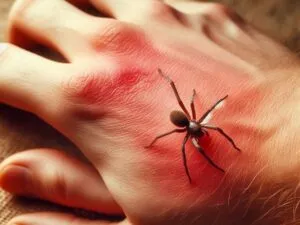
The recovery timeline varies depending on the severity of the bite and the individual’s response. Mild cases may resolve within a few days, with symptoms such as pain and swelling subsiding quickly. More severe reactions may take a week or two to fully heal. During the recovery period, it’s important to keep the bite area clean, avoid scratching, and follow any medical advice you’ve received. Rest and proper care are crucial to a full recovery. If symptoms worsen or do not improve, consult your doctor.
Preventing Tarantula Bites
Preventing tarantula bites involves understanding how to handle these creatures safely and creating a safe environment. Taking the necessary precautions can significantly reduce the risk of a bite. Here’s how to ensure your safety when interacting with tarantulas.
Safe Handling Techniques
When handling a tarantula, always approach it slowly and gently. Avoid sudden movements and loud noises. It is generally best to avoid handling tarantulas unless necessary. If you must handle one, do so with the proper tools, like a soft brush to gently encourage the tarantula to move. Never try to grab a tarantula. Always wash your hands before and after handling a tarantula. Ensure that you are calm and confident. A tarantula can sense your anxiety, which might make it more likely to bite. If the tarantula shows signs of stress, like raising its front legs, back off and let it be.
Creating a Safe Environment

Creating a safe environment is crucial for both the tarantula and its handler. Ensure that the tarantula’s enclosure is secure, with no gaps or loose areas. Provide an appropriate habitat with the correct temperature, humidity, and substrate. Handle your tarantula in a safe area, such as a table or in a room where it cannot escape. Always supervise children when they are near a tarantula. Regularly inspect the enclosure for any signs of damage and keep the area clean. By creating a safe environment, you minimize the risk of a bite and promote the well-being of your tarantula.
In conclusion, while tarantula bites are generally not life-threatening, it’s essential to know how to handle them. By understanding the reasons for biting, recognizing the symptoms, and knowing the correct first aid steps, you can minimize the risk and ensure a quick recovery. Safe handling practices and creating a safe environment are key to preventing bites. With the right knowledge and precautions, you can safely interact with these fascinating creatures. Stay informed, stay safe, and enjoy the amazing world of tarantulas!