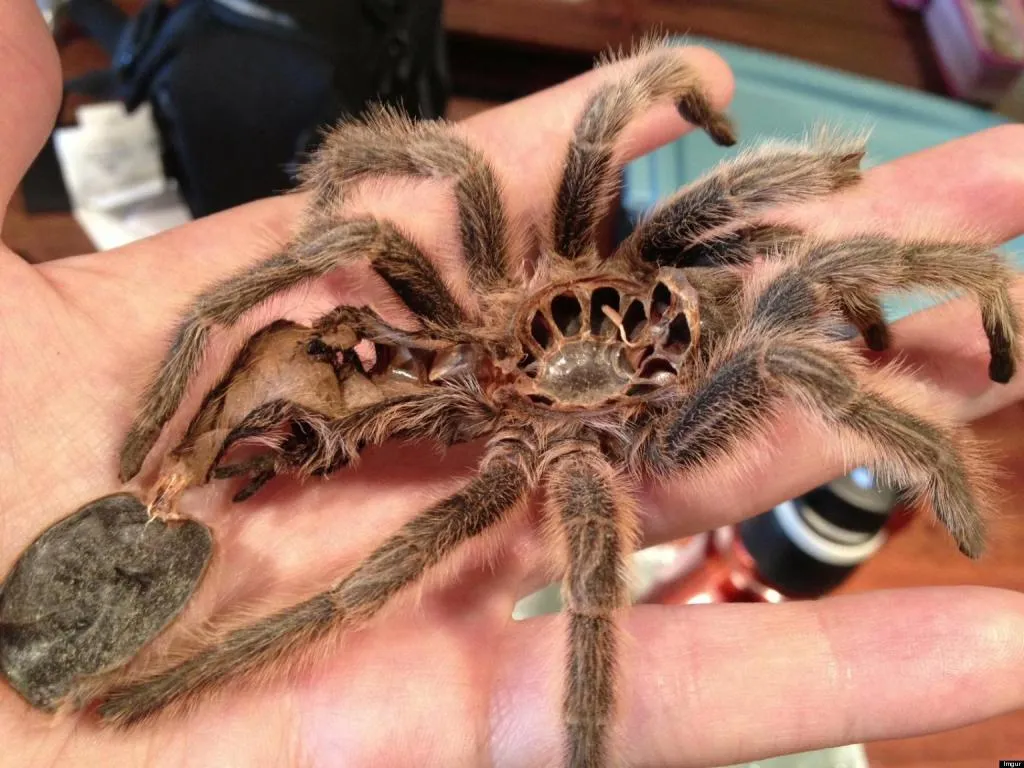
Understanding Tarantula Bites
Tarantulas, though often feared, are not typically aggressive and their bites are rarely life-threatening to humans. However, a tarantula bite can still be painful and cause a range of unpleasant symptoms. Understanding the nature of these bites is the first step in effective treatment. The severity of a tarantula bite depends on several factors, including the species of the tarantula, the amount of venom injected (if any), and the individual’s sensitivity. While most tarantulas possess venom, the primary effect of a bite is often mechanical, stemming from the spider’s fangs puncturing the skin. The venom itself is usually not very potent to humans, but it can cause local irritation and discomfort.
In many cases, a tarantula bite is comparable to a bee sting in terms of pain and reaction. It is essential to recognize that panic can exacerbate the symptoms, so remaining calm is vital. The bite can also introduce bacteria, leading to a secondary infection if not properly treated. It’s also important to note that some individuals may experience allergic reactions, which can range from mild to severe. Furthermore, it is important to remember that while tarantulas are venomous, their bite is not always accompanied by venom injection, and the severity of the reaction varies considerably. Knowing what to expect and how to respond is critical to minimize discomfort and ensure a quick recovery.
Symptoms of a Tarantula Bite
The symptoms of a tarantula bite can vary greatly depending on the individual and the specific circumstances of the bite. Common symptoms include immediate pain at the bite site, which can range from a sharp sting to a dull ache. Redness and swelling around the bite area are also typical signs. The area may also feel warm to the touch. In addition to local symptoms, some individuals may experience muscle cramps, particularly in the affected limb. These cramps are usually temporary but can be quite painful. Other potential symptoms include itching, skin irritation, and, in some cases, blisters.
More severe reactions, though rare, can include difficulty breathing, swelling of the face or throat, and dizziness. These symptoms may indicate an allergic reaction and require immediate medical attention. Other systemic symptoms such as nausea, vomiting, and excessive sweating are also possible. It is important to monitor the bite victim closely for any signs of a worsening reaction. Observing the symptoms carefully will help determine the necessary level of treatment and whether professional medical assistance is needed. Early recognition and appropriate management of symptoms can greatly improve the outcome and reduce the risk of complications.
Immediate First Aid Steps

When someone is bitten by a tarantula, immediate first aid is crucial to minimize discomfort and prevent complications. The first step is to remain calm and reassure the person who has been bitten. Anxiety can heighten the perception of pain and potentially worsen the body’s reaction. Next, gently wash the bite area with mild soap and water to remove any venom or debris and to reduce the risk of infection. Avoid harsh chemicals or excessive scrubbing, which can further irritate the skin. If possible, identify the tarantula, but do not put yourself at risk to do so.
After washing the bite area, apply a cold compress to help reduce pain, swelling, and inflammation. A cold pack wrapped in a cloth or a washcloth soaked in cold water can be used. Keep the compress on the bite for 10-15 minutes at a time, with breaks in between. The next crucial step is to elevate the affected limb, which can help to reduce swelling and slow the spread of any potential venom. Encourage the person to rest and avoid strenuous activity. This will help the body focus its resources on healing. Monitor the person for any worsening symptoms, such as difficulty breathing or severe swelling, which may indicate a serious allergic reaction.
Clean the Bite Area
Cleaning the bite area properly is essential to prevent infection and promote healing. Use mild soap and water to gently wash the area. Avoid using harsh soaps or scrubbing vigorously, as this can irritate the skin and potentially worsen the reaction. Thoroughly rinse the area to remove all soap residue. After washing, gently pat the area dry with a clean cloth. Do not rub the area, as this can cause further irritation and delay the healing process. Ensure that the area is kept clean and dry to minimize the risk of infection. Consider applying a mild antiseptic, such as diluted povidone-iodine, to further reduce the risk of infection.
It is important to monitor the bite area for any signs of infection, such as increased redness, swelling, pus, or fever. If any of these symptoms occur, seek medical attention promptly. Following these steps will help to minimize the risk of complications and promote a quick recovery. Regular cleaning and proper care can significantly improve the healing process and reduce the likelihood of secondary issues. Keeping the area clean is not only about reducing the risk of infection, but also about making sure that your body can focus on healing. Always consult with a healthcare professional if any concerns arise.
Apply a Cold Compress
Applying a cold compress to the bite area is an effective way to alleviate pain, reduce swelling, and minimize inflammation. Cold therapy constricts blood vessels, which helps to reduce blood flow to the affected area, thereby decreasing swelling. A cold compress can also numb the area, providing temporary pain relief. To apply a cold compress, wrap an ice pack or a bag of ice in a thin cloth or towel. This will prevent direct contact with the skin, which can cause frostbite.
Apply the cold compress to the bite area for 10-15 minutes at a time, with breaks in between. You can repeat this process several times a day as needed. Ensure that the compress is not too cold, as this can damage the skin. Watch for any signs of skin irritation or changes in skin color. A cold compress can be particularly helpful in the first few hours after the bite. If the swelling or pain persists, continue to apply the cold compress until symptoms subside. Regular application of a cold compress can significantly improve comfort and promote faster healing. Proper use can effectively reduce discomfort and support the body’s natural healing mechanisms.
Elevate the Affected Limb

Elevating the affected limb is a simple but effective measure to reduce swelling and promote healing after a tarantula bite. By elevating the limb, you help to reduce blood flow to the affected area, which can minimize swelling. Swelling can increase pressure on the nerves and tissues, causing pain and discomfort. Elevating the limb helps to reduce this pressure, thereby providing relief. To elevate the limb, raise it above the level of the heart. You can use pillows or cushions to support the limb comfortably. Ensure the limb is well-supported to avoid any additional strain or discomfort.
Elevating the limb is particularly beneficial in the first few hours after the bite, when swelling is most likely to occur. However, you can continue to elevate the limb as long as swelling persists. This technique is especially helpful for bites on the arms or legs. It is a simple yet effective way to manage symptoms and support recovery. It’s important to note that elevation works best when combined with other treatments, such as applying a cold compress and taking pain relievers. Regular elevation, along with other supportive measures, can speed up the healing process and reduce the duration of discomfort.
Pain Management Techniques
Managing pain after a tarantula bite involves a combination of methods aimed at providing relief and promoting comfort. Applying a cold compress is a first-line treatment, as it can help to numb the area and reduce inflammation. Over-the-counter pain relievers, such as ibuprofen or acetaminophen, can also be effective in reducing pain and discomfort. These medications help to block pain signals and reduce inflammation, providing significant relief. Rest is another crucial aspect of pain management. Avoiding strenuous activity and allowing the body to rest can help it to focus on healing. Resting the affected limb can also reduce pain and prevent further irritation.
Another technique is to keep the bite area clean and dry to prevent infection and facilitate healing. Gentle cleansing with mild soap and water is usually sufficient. In some cases, a doctor may recommend the use of topical creams or ointments to relieve itching and reduce inflammation. The specific approach to pain management will depend on the severity of the symptoms and the individual’s response to the bite. Combining these techniques can effectively reduce pain and discomfort, improving the overall recovery process. Consult a healthcare professional if pain is severe or does not subside with these measures.
Over-the-Counter Pain Relievers
Over-the-counter (OTC) pain relievers can play a significant role in managing the discomfort associated with a tarantula bite. Common OTC pain relievers include ibuprofen (Advil, Motrin) and acetaminophen (Tylenol). Ibuprofen is a nonsteroidal anti-inflammatory drug (NSAID) that helps to reduce pain, swelling, and inflammation. Acetaminophen is an analgesic that helps to reduce pain but does not have anti-inflammatory properties. It is important to follow the recommended dosage instructions on the product label. Do not exceed the recommended dose, as this can lead to adverse effects.
Before taking any OTC medication, be sure to check for any contraindications or allergies. If you have any underlying medical conditions or are taking other medications, consult with a healthcare professional or pharmacist before use. Topical antihistamines, such as creams or lotions containing diphenhydramine, can also be used to relieve itching and skin irritation. Always read the label and follow the instructions. For mild to moderate pain, OTC pain relievers can provide effective relief. These medications can help you manage your symptoms while your body heals. However, if the pain is severe or does not improve, seek medical attention promptly.
When to Seek Medical Attention

While most tarantula bites do not require medical attention, there are certain situations where it is essential to seek professional help. If you experience symptoms of a severe allergic reaction, such as difficulty breathing, swelling of the face or throat, or dizziness, call emergency services immediately. These symptoms may indicate anaphylaxis, a life-threatening condition that requires prompt medical intervention. If the bite area shows signs of infection, such as increased redness, swelling, pus, or fever, see a doctor. Infections can spread and lead to serious complications if not treated promptly. Additionally, if the pain is severe or does not improve after a few days, it is a good idea to seek medical advice.
If you are unsure about the severity of the bite or if you have any concerns, it is always best to err on the side of caution and consult with a healthcare professional. They can assess the situation and provide appropriate treatment. People with pre-existing medical conditions, such as allergies or immune deficiencies, should also seek medical attention promptly. Do not hesitate to seek professional help, as early intervention can prevent complications and improve outcomes. It is always better to be safe than sorry when dealing with a potential health issue. If you are concerned about the bite, contact your healthcare provider immediately.
Allergic Reactions & Anaphylaxis
Allergic reactions to tarantula bites, although rare, can be serious and potentially life-threatening. Anaphylaxis, a severe allergic reaction, is a medical emergency that requires immediate attention. Symptoms of anaphylaxis can include difficulty breathing, wheezing, swelling of the throat or tongue, hives, dizziness, and a rapid heartbeat. If you or someone you know experiences any of these symptoms after a tarantula bite, call emergency services (911 or your local emergency number) immediately. Do not hesitate; every second counts in such situations. The person may need an epinephrine injection (EpiPen) to counteract the allergic reaction.
Even if the initial reaction seems mild, it is important to monitor the person closely for any worsening symptoms. Allergic reactions can sometimes progress rapidly. If you have a known allergy to insect stings or spider bites, you may be at a higher risk of an allergic reaction to a tarantula bite. If you have a history of allergies, carry an epinephrine auto-injector (EpiPen) and know how to use it. After administering the epinephrine, seek immediate medical attention, even if the symptoms improve. It is important to be prepared and take swift action if an allergic reaction occurs. A prompt response can save a life.
Medical Treatments for Severe Reactions
Medical treatments for severe reactions to tarantula bites focus on stabilizing the person and managing the symptoms. In cases of anaphylaxis, the primary treatment is an epinephrine injection, which can counteract the allergic reaction. If the person is having difficulty breathing, medical professionals may administer oxygen and provide assistance with breathing. Intravenous fluids may be given to maintain blood pressure. Antihistamines, such as diphenhydramine, may be given to reduce itching and swelling. Corticosteroids may also be used to reduce inflammation and prevent further reactions.
In severe cases, a person may need to be admitted to the hospital for observation and further treatment. Doctors will monitor vital signs, such as heart rate and blood pressure, and provide supportive care as needed. The specific treatments will depend on the severity of the reaction and the individual’s response. If infection develops, antibiotics may be prescribed. Follow-up care may include allergy testing to identify potential triggers and ensure proper management of future exposures. Rapid and appropriate medical intervention is essential for a positive outcome in cases of severe reactions. Always seek immediate medical attention if there are concerns about the bite.
Preventing Tarantula Bites

Preventing tarantula bites involves taking precautions to minimize the risk of encounters with these spiders. If you live in or visit areas where tarantulas are common, wear long sleeves, long pants, and closed-toe shoes when working outdoors or hiking. This can provide a physical barrier against bites. Be cautious when reaching into or disturbing areas where tarantulas might be hiding, such as under rocks, in woodpiles, or in dense vegetation. Always be aware of your surroundings, and avoid placing your hands or feet in places where you cannot see. Educate yourself about the local tarantula species and their habitats.
If you keep tarantulas as pets, handle them with care. Always use appropriate safety measures, such as handling tools and gloves. Make sure that the terrarium is secure to prevent escape. Children should always be supervised around pet tarantulas. Keeping your home and yard free of clutter can reduce the likelihood of tarantulas finding shelter there. Regularly inspect your home and yard for spiders, and take appropriate measures to remove them safely if found. Being proactive and informed can significantly reduce the risk of tarantula bites. By following these guidelines, you can minimize the risk and enjoy the outdoors and the presence of these fascinating creatures safely.