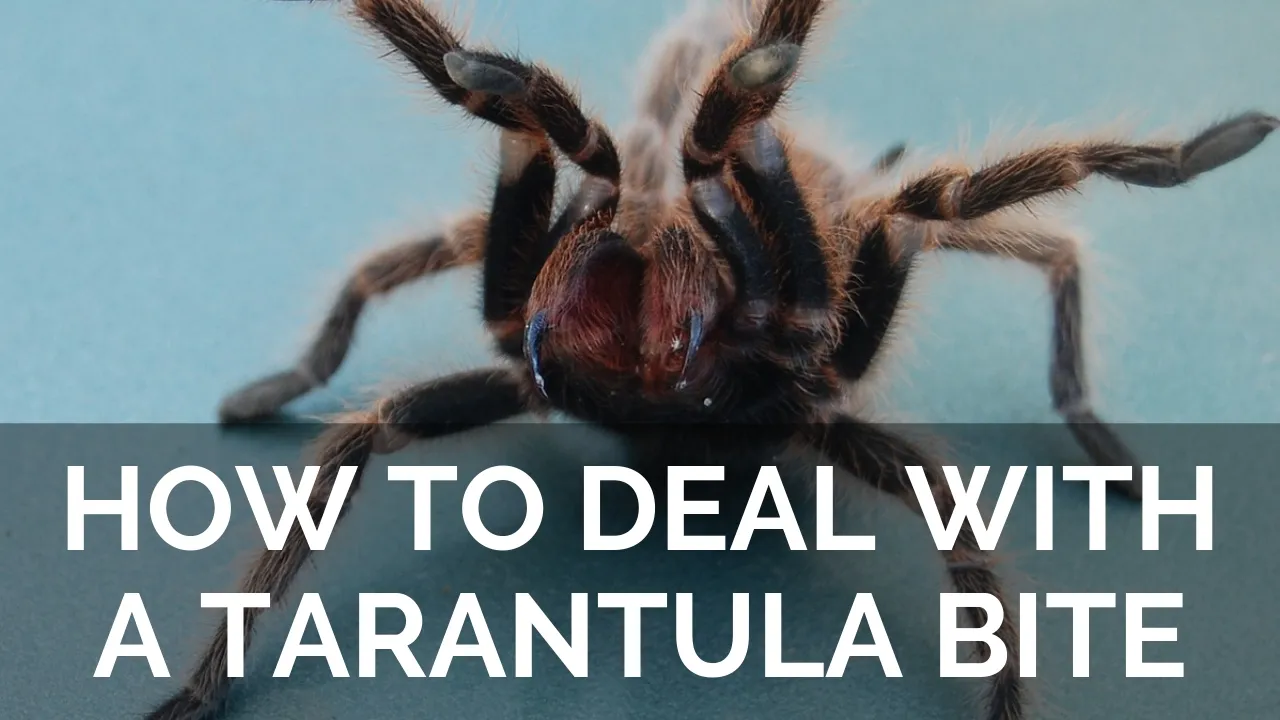
What Happens When a Tarantula Bites?
Tarantulas, though often perceived as fearsome creatures, aren’t typically aggressive and generally bite only when threatened. However, understanding the mechanics of a tarantula bite is crucial. When a tarantula bites, it uses its fangs to inject venom into the victim. This venom serves to paralyze or subdue the prey, like insects and small animals, that the tarantula hunts in the wild. Humans, however, have a different physiological response. The severity of a tarantula bite can vary significantly, depending on several factors, including the tarantula species, the amount of venom injected, and the individual’s sensitivity to the venom. It is important to note that tarantulas are not inherently deadly to humans, but their bites can be painful and cause a range of symptoms.
Tarantula Bite Symptoms
Recognizing the symptoms of a tarantula bite is essential for prompt treatment. While most bites are not life-threatening, they can cause considerable discomfort. The symptoms can vary based on individual sensitivity and the species of tarantula involved. Common symptoms include localized pain, swelling, and redness at the bite site. In some cases, more severe reactions can occur, such as muscle cramps, numbness, and even allergic reactions. Being aware of these potential symptoms enables individuals to take appropriate action, seeking medical attention when necessary and ensuring their safety. The bite itself is often described as a sharp, stinging sensation, followed by a dull ache.
Pain and Swelling

The most immediate and common symptom of a tarantula bite is pain. The intensity can range from a mild sting to a sharp, throbbing ache, depending on the size of the tarantula and the amount of venom injected. This pain is usually localized to the bite area. Alongside pain, swelling often develops around the bite site. This swelling is a natural inflammatory response by the body as it attempts to heal the affected tissue. The area may become red and warm to the touch. The extent of the swelling can vary, sometimes extending beyond the immediate vicinity of the bite. Proper care, such as applying a cold compress, can help mitigate these symptoms and reduce discomfort.
Muscle Cramps and Twitching
In some cases, muscle cramps and twitching may occur after a tarantula bite. These symptoms can be particularly concerning, as they can be quite painful and disruptive. Muscle cramps are characterized by involuntary contractions of the muscles, leading to stiffness and intense pain. Twitching, on the other hand, involves small, uncontrolled movements of the muscles. These symptoms are not universal, but when they appear, they can be a sign of a more significant reaction to the venom. Seeking medical attention is recommended if these symptoms persist or worsen. Proper medical evaluation can help determine the appropriate course of treatment to alleviate these symptoms and ensure the individual’s well-being.
Numbness and Tingling Sensations
Another symptom that can occur after a tarantula bite is numbness and tingling sensations. These sensations often manifest as a loss of feeling or a pins-and-needles feeling in the affected area or even further away. Numbness and tingling can be indicative of nerve involvement due to the venom’s effects. While these symptoms may not always be severe, they can be quite uncomfortable and should be monitored closely. If numbness and tingling become severe or spread, it is crucial to seek medical advice. A medical professional can properly assess the situation and provide appropriate treatment. Prompt attention can help prevent any potential long-term nerve damage or complications.
Allergic Reactions

Although rare, some individuals may experience allergic reactions to a tarantula bite. These reactions can range from mild to severe and can pose a serious health risk. Mild allergic reactions may include hives, itching, and localized swelling. More severe reactions, such as anaphylaxis, can be life-threatening and require immediate medical attention. Anaphylaxis can cause symptoms like difficulty breathing, swelling of the throat, and a sudden drop in blood pressure. If any signs of an allergic reaction are observed after a tarantula bite, it is critical to seek immediate medical help. Prompt treatment with epinephrine (an EpiPen) and other supportive care can be life-saving in cases of severe allergic reactions.
How Dangerous is a Tarantula Bite?
Generally, tarantula bites are not considered highly dangerous to humans. Most bites result in mild symptoms, such as pain, swelling, and redness. However, the level of danger can depend on several factors. While the venom of most tarantulas is not potent enough to cause significant harm, individual reactions can vary. In rare instances, more severe reactions, including allergic reactions, may occur. Understanding the potential risks associated with tarantula bites is essential for taking appropriate precautions and seeking medical attention when necessary. The overall danger is generally low, but awareness of potential complications is crucial for responsible pet ownership and safety.
Factors Influencing Bite Severity
The severity of a tarantula bite can be influenced by several factors. The species of the tarantula is a key determinant, as different species possess varying levels of venom potency. The amount of venom injected during the bite also plays a significant role. A larger dose of venom can lead to more pronounced symptoms. Furthermore, the victim’s health and sensitivity contribute to the severity of the reaction. Individuals with allergies or pre-existing health conditions may experience more severe reactions. The bite location can also impact the outcome. Bites near sensitive areas, such as the face or neck, may be more concerning. Therefore, when assessing the potential danger, it is necessary to consider all these factors.
Tarantula Species

Different tarantula species have varying levels of venom toxicity. Some species are known for having a stronger, more potent venom than others. For example, the venom of some Old World tarantula species may be more potent than that of many New World species. However, even within the same species, the venom’s potency can vary depending on factors like the tarantula’s age, health, and diet. It’s important to research the specific species of any tarantula before handling it. This knowledge will provide a better understanding of the potential risks associated with a bite. Owners should be aware that the care required for some species is more complex than others, increasing the potential for bites.
The Victim’s Health
The victim’s overall health and sensitivity significantly impact how they react to a tarantula bite. People with underlying health conditions, allergies, or compromised immune systems may experience more severe reactions. Allergies to insect venom can amplify the body’s response, potentially leading to anaphylaxis. Furthermore, the age of the victim can be a factor, as young children and the elderly may be more vulnerable to the effects of venom. Therefore, it is crucial to consider the victim’s health status and any pre-existing medical conditions when assessing the severity of a tarantula bite. Prompt and appropriate medical care is essential, especially if the victim has known health concerns.
First Aid and Treatment for Tarantula Bites
Knowing the appropriate first aid and treatment steps for tarantula bites is essential for minimizing the impact of the bite and promoting healing. Immediate actions focus on cleaning the wound and reducing pain and swelling. Medical treatment may be necessary in certain cases to address more severe symptoms or complications. Acting quickly and effectively can significantly improve the outcome and ensure the victim’s well-being. The following guidelines outline the steps you should take to address this situation effectively. Always seek professional medical advice, especially if symptoms worsen or if there are signs of an allergic reaction.
Immediate Actions

Upon being bitten by a tarantula, several immediate actions should be taken to provide initial care. First, it is crucial to remain calm. Then, gently clean the bite area with mild soap and water. This helps remove any remaining venom and prevents infection. Next, apply a cold compress or ice pack to the affected area to reduce pain and swelling. Elevating the limb where the bite occurred can also help control swelling. Monitor the individual for any signs of a severe reaction, such as difficulty breathing, swelling of the throat, or dizziness. If any of these symptoms arise, seek immediate medical attention. The key is to remain calm, clean the wound, and apply a cold compress while seeking medical advice.
Medical Treatment
In many cases, medical treatment for tarantula bites is not necessary. However, if symptoms are severe or if there are signs of an allergic reaction, medical intervention is crucial. A healthcare professional may administer antihistamines to reduce itching and swelling. In cases of anaphylaxis, epinephrine may be necessary. The doctor will also evaluate the bite and provide any necessary pain relief or other supportive care. Medical professionals will also provide guidance and follow-up care to ensure a proper recovery. Always follow the instructions provided by the medical professional to ensure the best possible outcome.
Preventing Tarantula Bites
Preventing tarantula bites is primarily achieved by practicing safe handling techniques and educating yourself about tarantula behavior. Responsible pet ownership includes a comprehensive understanding of the animal’s needs and potential dangers. This section will explore the best practices to avoid bites and create a safe environment for both the tarantula and the handler. The goal is to minimize the risk of bites and promote a positive experience for everyone involved. Prevention is always the best approach when dealing with venomous creatures, ensuring that both the tarantula and humans can co-exist safely.
Handling Tarantulas Safely

Safe handling is essential for minimizing the risk of tarantula bites. Always handle tarantulas with caution and respect. Before attempting to handle a tarantula, ensure it is calm and not agitated. Use a long-handled tool, like a paintbrush, to gently encourage the tarantula to move. Avoid sudden movements or loud noises, as these can startle the tarantula. Wear gloves when handling tarantulas, especially if you are not familiar with their species. Never handle a tarantula if you are tired, distracted, or under the influence of substances. By following these guidelines, you can create a safe and stress-free environment for both yourself and the tarantula, reducing the chance of a bite.
Educating Yourself and Others
Knowledge is key to preventing tarantula bites. Educate yourself about the specific species of tarantula you are keeping or interacting with. Understand its behavior, temperament, and any potential hazards associated with it. Share this knowledge with others, especially those who may come into contact with the tarantula. Teaching family members, friends, and visitors about the safe handling of tarantulas can significantly reduce the risk of bites. Moreover, staying informed about current research and best practices in tarantula care is essential. By continually learning and sharing information, you can create a safer environment and promote responsible pet ownership.
In conclusion, while tarantula bites are generally not life-threatening, it’s important to understand the potential dangers and take necessary precautions. Being aware of the symptoms, knowing how to respond immediately, and practicing safe handling techniques are crucial for protecting yourself and others. By following these guidelines, you can minimize the risks and ensure a safe experience with these fascinating creatures.