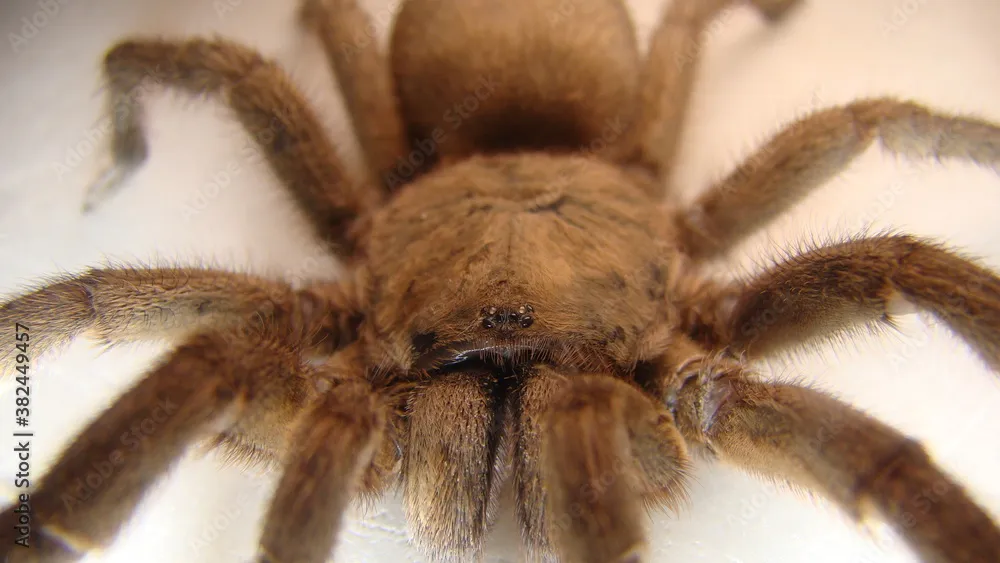
Tarantulas, with their imposing size and often vibrant colors, are captivating creatures. Their appearance is a complex interplay of physical features, adaptations, and life stages. This guide delves into the fascinating aspects of tarantula appearance, providing insights into their unique characteristics. From body segmentation to sexual dimorphism and the intriguing molting process, discover the top 5 fascinating facts about how these spiders look and function. Prepare to be amazed by the intricate details that make tarantulas a marvel of the natural world. We will unravel the mysteries behind their form, function, and the secrets held within their exoskeletons.
What Defines Tarantula Appearance?
Tarantulas belong to the Theraphosidae family and are known for their large size, hairy bodies, and diverse color patterns. Their appearance is shaped by a combination of factors, including their genetics, environment, and life stage. The overall appearance is a result of evolution, adapting to their specific ecological niches, providing them with essential survival advantages. From the smallest to the largest species, the appearance offers insights into their hunting strategies, defensive mechanisms, and reproductive behaviors. Understanding these features is key to appreciating the complexity of these arachnids and their remarkable adaptations to the world around them.
Size and Overall Shape
The size of a tarantula is a prominent feature, with some species boasting leg spans exceeding 10 inches. Their overall shape is generally robust, with a rounded abdomen and a distinct cephalothorax. This robust build is essential for their predatory lifestyle, providing them with strength and stability during hunts. The size can vary significantly between species and individual tarantulas, influenced by factors such as genetics, diet, and environmental conditions. The overall shape is perfectly adapted for their lifestyle, enabling them to navigate their habitats efficiently and effectively pursue prey. This is where the bulk of their internal organs reside, contributing to the spider’s overall mass and function.
Body Segmentation Cephalothorax and Abdomen

Like all spiders, tarantulas have two main body segments: the cephalothorax and the abdomen. The cephalothorax, also known as the prosoma, is the fused head and chest region, housing the eyes, mouthparts, and legs. The abdomen, or opisthosoma, is the rear section, containing the digestive and reproductive organs. The cephalothorax is covered by a hard carapace that provides protection. The abdomen is typically soft and flexible, allowing for expansion during feeding or egg production. The segmentation of the body is an important adaptation, allowing for specialized functions and efficient movement. Understanding this basic structure is key to appreciating the internal workings and external adaptations of a tarantula.
The Role of the Carapace
The carapace is a vital part of the tarantula’s exoskeleton, providing protection to the cephalothorax. It is a hardened plate that shields the delicate internal organs and nerve centers. The carapace also supports the eyes, mouthparts, and legs, providing structural integrity and attachment points. The coloration and texture of the carapace can vary greatly among species, offering camouflage or signaling to potential mates. The carapace’s toughness protects the tarantula from predators and physical damage, ensuring its survival in the wild. The structural design of the carapace is also a crucial element in the molting process, as it allows the tarantula to shed its old exoskeleton and grow into a new one.
Legs and Pedipalps
Tarantulas have eight legs, each composed of multiple segments, including the coxa, trochanter, femur, patella, tibia, metatarsus, and tarsus. The legs are covered in hairs and sensory structures that help the spider detect vibrations, navigate, and manipulate objects. In addition to their legs, tarantulas also have two pedipalps, which are smaller appendages located near the mouth. Pedipalps are used for sensing, manipulating food, and in males, for mating. These appendages are crucial to the tarantula’s survival, providing the means to move, hunt, and reproduce effectively. The versatility of their legs and pedipalps allows them to thrive in diverse habitats, from burrows to tropical rainforests.
The Importance of Leg Spans

The leg span is a key characteristic used to identify and classify tarantula species. It refers to the distance between the tips of the legs when they are fully extended. The leg span directly impacts the tarantula’s mobility and hunting strategy. Larger leg spans often indicate a more agile predator, capable of covering greater distances quickly. Leg span is not only a measurement of size but also offers insights into its predatory lifestyle and survival skills. The broader the leg span, the more effective the tarantula is at securing prey and navigating its environment. These spiders use their long legs for both hunting and defensive actions.
Coloration and Patterns in Tarantulas
Tarantulas display a wide array of colors and patterns, ranging from subtle browns and blacks to vibrant blues, oranges, and reds. These colors are produced by pigments in their exoskeletons and can vary based on species, age, and environmental factors. The patterns often include stripes, spots, and bands, which serve multiple purposes, including camouflage, warning signals, and species recognition. The variation in color and pattern can be quite remarkable. The colors and patterns can be used to attract mates, blend in with their surroundings, and deter predators. The stunning variations contribute significantly to the beauty and diversity of tarantulas.
Common Color Variations
Some tarantula species are known for their striking color variations. For example, the Cobalt Blue Tarantula (Cyaneopubescens) boasts vibrant blue legs. The Mexican Redknee Tarantula (Brachypelma hamorii) features reddish-orange markings on its knees. The Pink Zebra Beauty Tarantula (Eupalaestrus campestratus) showcases a combination of pink and zebra-like patterns. These common color variations are not only visually appealing but also aid in species identification and understanding the spider’s habitat. The colors also reflect the specific environment in which they live and the adaptive strategies that have enabled their survival. These unique appearances are a testament to the evolutionary forces shaping their aesthetics.
Function of Colors in Tarantulas

The colors of tarantulas serve various functions beyond aesthetics. Camouflage is a primary function, helping the spiders blend with their surroundings to ambush prey and avoid predators. Aposematism, or warning coloration, is another strategy, where bright colors signal toxicity or the ability to defend themselves. Color patterns can also play a role in species recognition and mating displays, allowing tarantulas to identify potential mates and communicate reproductive readiness. The diverse colors and patterns reflect an array of environmental factors and evolutionary pressures, resulting in the remarkable visual diversity we see in these spiders. These colors aid them in their survival.
Hair and Sensory Structures
Tarantulas are covered in a dense layer of hairs, which serve multiple functions. These hairs, also known as setae, provide sensory input, detect vibrations, and assist in climbing. They also play a role in defense, with some species having urticating hairs that can irritate predators. The hairs vary in type and density, depending on the species and location on the body. These hairs are vital to the spider’s sensory perception and survival. These structures allow them to interact with their environment.
Types of Hairs
There are several types of hairs found on tarantulas. Tactile hairs are sensitive to touch and vibration, helping the spider detect movement. Urticating hairs are barbed hairs used for defense, often flicked at potential threats. Other hairs include adhesive hairs, which aid in climbing, and sensory hairs, which contribute to the spider’s overall sensory perception. The specific type and density of hairs vary between species. These specialized hairs are crucial for the spider’s survival.
Sensory Hairs and Their Functions

Sensory hairs are critical for tarantulas to perceive their environment. They detect vibrations, air currents, and changes in the surrounding environment. These hairs are highly sensitive, enabling the spider to locate prey, avoid predators, and navigate their habitats. The functions are varied. These sensory structures are concentrated on the legs, pedipalps, and other parts of the body. They are vital for the spider’s survival, aiding in hunting, defense, and navigation. They provide the tarantula with crucial information.
Sexual Dimorphism and Appearance
Sexual dimorphism, the differences in appearance between males and females, is evident in many tarantula species. These differences can include size, coloration, and the presence of specific physical features. Generally, females are larger and have a longer lifespan. Males often have more vibrant coloration and modified pedipalps for mating. Understanding sexual dimorphism is essential for identifying the sex of a tarantula and understanding their reproductive behaviors. These differences play a key role in the species’ life cycle and survival strategies.
Distinguishing Males and Females
Distinguishing between male and female tarantulas can be done through several visual cues. Males often have a smaller body size but longer legs. The presence of bulbous pedipalps is a key indicator of a mature male. Females tend to have a larger abdomen and lack the modified pedipalps. Examining the presence or absence of these features is a reliable way to determine the sex of a tarantula. These physical differences reflect the distinct roles each sex plays in the species’ life cycle and survival strategies.
Impact of Molting on Appearance

Molting is a crucial process for tarantulas, involving shedding their exoskeleton to allow for growth. During molting, the tarantula sheds its outer layer, revealing a new, larger exoskeleton underneath. The appearance of the tarantula can change dramatically after molting, with brighter colors and a more vibrant appearance. The molting process is not only essential for growth but also impacts the spider’s overall health and vitality. The molting process also allows for regeneration of lost limbs. This is a very vulnerable time.
Post-Molting Changes
After molting, tarantulas often exhibit a range of changes in appearance. The colors may be more vibrant and the patterns more defined. They may have a smoother exoskeleton. The size also increases significantly. Their general health and vitality improve. These changes reflect the tarantula’s renewed growth and development. They remain vulnerable for a period after molting. This process highlights the incredible adaptability of these arachnids.
In conclusion, the appearance of a tarantula is a complex tapestry woven from various biological and environmental factors. From the size and shape to the intricate details of coloration, hairs, and sensory structures, every aspect serves a purpose. Sexual dimorphism and the molting process further contribute to the diversity and adaptability of these remarkable creatures. Appreciating the appearance of tarantulas deepens our understanding of their survival strategies and the fascinating world they inhabit. These creatures are a testament to the beauty and complexity of nature.