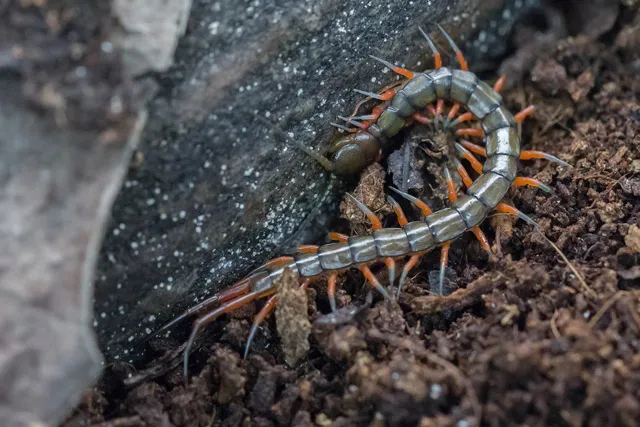
Size Comparison Scolopendra vs Tarantula
When comparing the Scolopendra gigantea and the Tarantula, size is a primary differentiating factor. The Scolopendra gigantea, also known as the giant centipede, is one of the largest centipedes in the world. They can grow up to an impressive 12 inches (30 cm) in length. In contrast, tarantulas, while large spiders, have a wide range of sizes depending on the species. Some tarantulas can reach a leg span of up to 10 inches (25 cm), but their body size is generally smaller compared to the centipede’s overall length. This means that while some tarantulas may have a similar overall size due to leg span, the Scolopendra gigantea often appears more imposing due to its elongated body shape and greater overall body mass. The size difference plays a significant role in their hunting strategies and their ability to overpower prey.
Habitat and Distribution Differences
The habitats and distribution of Scolopendra and Tarantulas also reveal key differences. The Scolopendra gigantea is primarily found in the tropical and subtropical regions of South America and the Caribbean. They prefer humid environments, often found in rainforests, under rocks, and in decaying logs. This preference for moisture is crucial for their survival, as it helps prevent dehydration. In contrast, tarantulas have a much wider distribution, with various species found across the globe. They inhabit diverse environments, ranging from deserts and grasslands to forests. The specific habitat of a tarantula species depends greatly on its type, with some species burrowing underground, while others live in trees or under rocks. The differences in habitat reflect their adaptations to survive in various climates and their interactions with other species in their respective ecosystems. Scolopendra’s need for high humidity contrasts with the tarantula’s adaptability to a wider range of conditions.
Scolopendra vs Tarantula: Venom and Bite Strength

Both Scolopendra gigantea and tarantulas possess venom, but the composition and effect of their venom differ. The Scolopendra gigantea delivers its venom through modified appendages called forcipules, which are essentially modified front legs that act as fangs. Their venom is potent, causing significant pain and localized effects such as swelling and inflammation in humans. The strength of the venom is designed to quickly incapacitate their prey, including insects, lizards, and even small mammals. Tarantulas, on the other hand, use fangs to inject their venom. While tarantula venom can cause pain, it is generally not as potent or dangerous to humans as the venom of the Scolopendra. Tarantula bites are often described as similar to a bee sting, with symptoms like localized pain, redness, and itching. However, the primary function of tarantula venom is to immobilize their prey, which mainly consists of insects. The difference in venom potency reflects their hunting strategies and the types of prey they typically target.
Hunting Strategies of Scolopendra and Tarantula
The hunting strategies of Scolopendra gigantea and tarantulas showcase unique approaches to securing prey. Scolopendra gigantea is a swift and aggressive hunter. It uses its speed and venom to ambush and overpower its prey. They are opportunistic predators, feeding on a variety of animals, including insects, other arthropods, small reptiles, and even rodents. Their hunting style often involves a quick strike, followed by the injection of venom to immobilize the prey. They may also use their strong mandibles to grasp and tear apart their food. In comparison, tarantulas also use ambush tactics. They typically wait in their burrows or concealed locations, ambushing unsuspecting prey that comes within reach. Tarantulas rely on their fangs and venom to subdue insects, small lizards, and occasionally small birds or mammals. The tarantula’s hunting style is often more patient, waiting for the opportune moment to strike, whereas the Scolopendra actively seeks out and pursues its prey with greater agility.
Scolopendra vs Tarantula: Diet and Prey
The diets of Scolopendra gigantea and tarantulas reflect their adaptations and predatory roles in their ecosystems. The Scolopendra gigantea is a voracious carnivore with a broad diet. They consume a wide range of prey, including insects (such as crickets, cockroaches, and beetles), spiders, other centipedes, lizards, snakes, frogs, and even small rodents. This varied diet makes them adaptable to different environments and allows them to thrive where food resources are abundant. They are known to be capable of taking down prey much larger than themselves, showcasing their strength and aggressive hunting style. Tarantulas, on the other hand, primarily feed on insects, although they also eat larger prey like small lizards, frogs, and occasionally small birds or mammals. Their diet mainly consists of invertebrates, and they are less likely to hunt vertebrates compared to the Scolopendra. The differences in diet illustrate how these creatures exploit different ecological niches, with the Scolopendra having a more generalist approach and the tarantula specializing on certain prey types.
Behavioral Differences Scolopendra and Tarantula

Behavioral differences further distinguish the Scolopendra gigantea from tarantulas. Scolopendra gigantea is known for its aggressive and territorial behavior, which is crucial for survival in its competitive environment. They are often solitary creatures, only coming together during mating. They are quick to defend themselves and will readily attack if threatened. This aggressive nature is essential for hunting and protecting their territory. In comparison, tarantulas exhibit a broader range of behaviors depending on the species. Some tarantulas are more docile, while others can be defensive. They are generally less aggressive than the giant centipede. Tarantulas often live solitary lives and are also territorial, but their defense mechanisms primarily involve defensive postures, urticating hairs (in some species), and biting, rather than immediate aggression. The behavioral differences, particularly the Scolopendra’s quick temper versus the tarantula’s varying defenses, reveal their different adaptations to ensure survival.
In conclusion, while both Scolopendra gigantea and tarantulas are fascinating predators, several key differences set them apart. From size and habitat to venom potency and hunting strategies, each creature exhibits unique adaptations that enable them to thrive in their respective environments. Understanding these differences provides insights into their ecological roles and the diverse strategies that have evolved in the animal kingdom.