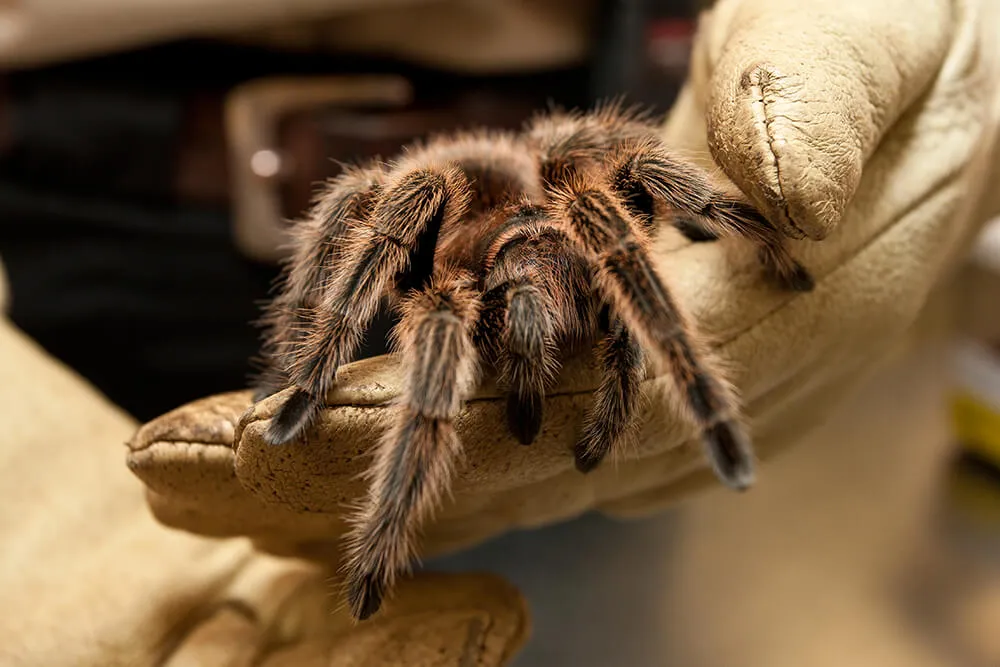
Choosing Safe Plants for Your Tarantula
Creating a thriving habitat for your tarantula involves more than just providing a terrarium; it means meticulously crafting an environment that caters to their specific needs. Choosing the right plants is a crucial aspect of this process, as they not only enhance the aesthetic appeal of the enclosure but also contribute significantly to the tarantula’s well-being. Selecting safe plants requires a thorough understanding of your tarantula’s natural habitat, their requirements, and the potential dangers that certain plants can pose. By taking the time to research and carefully choose appropriate plants, you can ensure your tarantula lives a long, healthy, and enriching life. The following sections will guide you through the critical aspects of plant selection and enclosure maintenance, giving you the knowledge to design the perfect home for your eight-legged friend.
Understanding Tarantula Habitat Needs
Before introducing plants to your tarantula’s enclosure, it’s essential to grasp their environmental needs. Tarantulas are sensitive to their surroundings, and providing a suitable habitat is key to their health and happiness. This includes understanding their ideal humidity and temperature ranges, which directly influence plant selection and care. A proper understanding of these elements sets the stage for creating a balanced ecosystem where both the tarantula and the plants can thrive.
Humidity Requirements

Humidity plays a vital role in a tarantula’s life, particularly during molting. Many tarantula species thrive in moderate to high humidity levels, which aid in their molting process and overall hydration. Plants can help regulate humidity through transpiration, releasing moisture into the air. When choosing plants, consider species that can tolerate the humidity levels needed by your tarantula. Regularly monitoring humidity levels with a hygrometer is crucial to ensure the environment remains within the optimal range for your tarantula’s well-being. Adjusting ventilation and watering frequency can help maintain the ideal humidity balance.
Temperature Considerations
Tarantulas are ectothermic, meaning they rely on external sources to regulate their body temperature. The enclosure’s temperature is thus critical, and plants can indirectly influence this. While plants don’t significantly alter temperature, they can provide shade and microclimates within the enclosure. It’s essential to choose plants that can withstand the temperature range suitable for your tarantula species. Keeping the enclosure at a consistent temperature is essential to ensure your tarantula is comfortable and can properly digest its food. Proper lighting, and potentially a heating element, must be considered to ensure the proper temperature gradient.
Why Plants are Important
Plants in a tarantula enclosure do more than just beautify the space; they create a more natural and enriching environment, providing various benefits for your pet. Incorporating plants into your tarantula’s habitat can significantly improve its quality of life, promoting both physical and psychological well-being. Live plants contribute to a healthier and more stimulating environment. Choosing the correct plants for your tarantula’s environment is essential.
Benefits of Live Plants

Live plants provide numerous benefits for your tarantula. They help maintain humidity levels through transpiration, which is crucial for molting and overall health. Plants also help to filter the air, removing harmful toxins and creating a healthier environment. They can provide a sense of security for the tarantula, offering hiding places and naturalistic elements that mimic their native habitats. This natural enrichment encourages more natural behaviors and reduces stress, thereby contributing to the tarantula’s overall well-being. Furthermore, plants can help control the growth of unwanted bacteria and mold, keeping the enclosure cleaner.
Aesthetic and Enrichment
Beyond the practical benefits, live plants enhance the aesthetic appeal of the tarantula enclosure. A visually appealing terrarium is more enjoyable to observe and can bring a sense of tranquility. Plants also provide enrichment by offering your tarantula climbing opportunities, hiding spots, and a more complex environment to explore. A well-planted enclosure can reduce stress and encourage your tarantula to exhibit natural behaviors such as web-spinning and hunting. The addition of plants provides a more naturalistic and stimulating environment, contributing to a happier and healthier tarantula.
Top Safe Plants for Tarantula Enclosures
Selecting the right plants is critical for the safety and well-being of your tarantula. Some plants are toxic and can be harmful if ingested or come into contact with your tarantula’s skin. This section highlights some of the safest and most suitable plants that can thrive in a tarantula enclosure, providing both aesthetic and functional benefits. These plants are generally easy to care for and offer a variety of textures and visual appeal to your tarantula’s habitat.
Pothos

Pothos is a popular choice for tarantula enclosures due to its hardiness and low-maintenance requirements. These plants are known for their ability to thrive in a variety of conditions, including low light and high humidity. They are not only safe for tarantulas but also provide excellent cover and create a naturalistic environment. Pothos can be planted directly in the substrate or placed in a hanging basket, allowing your tarantula to explore different levels of the enclosure. Their cascading vines also create excellent hiding spots and climbing opportunities.
Care and Maintenance
Pothos plants are relatively easy to care for, making them a great choice for beginners. They prefer indirect light and moderate watering. Allow the soil to dry out slightly between waterings to prevent root rot. Trimming the vines regularly will help to control their growth and maintain the desired aesthetic. Pothos can tolerate a range of humidity levels, making them suitable for most tarantula species. Regular inspection for pests is advised, and any infestations should be treated promptly and safely.
Benefits for Tarantulas
Pothos offers multiple benefits for tarantulas. The leaves provide excellent cover and hiding places, which can reduce stress and make the tarantula feel more secure. They help maintain humidity through transpiration and contribute to a more naturalistic environment. The leaves also provide climbing opportunities, encouraging the tarantula to explore its enclosure. Pothos plants are non-toxic and safe if your tarantula accidentally nibbles on a leaf. The visual appeal also makes for a more enjoyable experience for the keeper.
Spider Plant

Spider plants are another excellent option for tarantula enclosures, known for their air-purifying qualities and ease of care. They are visually appealing and add a touch of greenery. Spider plants are also relatively safe for tarantulas, as they are not considered toxic. Their unique growth habit and trailing leaves provide an interesting element to the enclosure. Spider plants produce small ‘spiderettes’ or plantlets, which can be easily propagated and added to the terrarium or another enclosure.
Care and Maintenance
Spider plants prefer bright, indirect light and well-draining soil. Water them when the top inch of soil feels dry. They are adaptable to a range of humidity levels, making them suitable for various tarantula species. Regular trimming will help to maintain their shape and encourage new growth. Removing any yellowing leaves and cleaning the plant will keep it looking healthy and thriving. Spider plants are also relatively resistant to pests, making them a low-maintenance choice.
Benefits for Tarantulas
Spider plants offer many benefits to tarantulas. They provide a source of cover and hiding places, which makes the tarantula feel more secure. They help to maintain humidity levels and purify the air within the enclosure. Spider plants’ trailing leaves also create a more dynamic environment. Spider plants are non-toxic, so they pose no threat if a tarantula interacts with them. The visual interest adds to the enjoyment of observing your tarantula.
Snake Plant (Sansevieria)

Snake plants, also known as Sansevieria, are excellent for tarantula enclosures due to their hardiness and low-maintenance requirements. They are tolerant of low light conditions and infrequent watering, making them ideal for beginners. Snake plants are also known for their air-purifying properties. They add a unique textural element to the enclosure and offer vertical interest. Different varieties of snake plants can also add varied visual appeal. They are generally considered safe for tarantulas.
Care and Maintenance
Snake plants are very easy to care for. They thrive in low light and need infrequent watering. Allow the soil to dry out completely between waterings to prevent root rot. They tolerate a wide range of temperatures and humidity levels, making them suitable for most tarantula species. Cleaning the leaves occasionally and removing any dead leaves will help keep the plant healthy and looking its best. They are also relatively resistant to pests, minimizing the need for pest control.
Benefits for Tarantulas
Snake plants offer several advantages for tarantulas. They provide a degree of cover, giving your tarantula a sense of security. They also help to purify the air and can contribute to humidity regulation. The upright leaves offer a different texture and structure within the enclosure, creating visual interest and a more varied environment. They are considered safe for tarantulas, so there’s little risk of toxicity if the tarantula interacts with the plant. The ease of care makes it convenient for keepers.
Other Safe Plant Options

Besides the popular choices discussed above, other plants can also be safely included in tarantula enclosures. These plants may offer different aesthetic qualities or cater to unique environmental needs. However, careful consideration and research are required to ensure that any plant introduced is safe and suitable for the tarantula species. Consider plants that can adapt to the conditions of your particular enclosure.
Considerations for Plant Selection
When selecting plants for your tarantula’s enclosure, there are several factors to consider to ensure a safe and enriching environment. These factors include the size and growth rate of the plant, and toxicity. Choosing the right plants can have a significant impact on the enclosure. Consider the following factors when selecting the plants.
Size and Growth Rate
Consider the ultimate size and growth rate of the plant. You don’t want a plant that will quickly outgrow the enclosure and become a hindrance. Choose plants that will remain manageable within the space available and won’t require frequent trimming or pruning. Opting for slower-growing species can simplify maintenance and prevent the need for constant intervention. Always ensure enough space for the tarantula to move freely and access all areas of the enclosure. This allows your pet to navigate safely.
Toxicity Check and Research

The most crucial factor in plant selection is ensuring the plant is non-toxic to tarantulas. Conduct thorough research to confirm the safety of any plant before introducing it to the enclosure. Many common houseplants are toxic to animals and can pose a severe risk if ingested or if the tarantula comes into contact with their sap. Always consult reliable sources, such as reputable pet care websites and experienced tarantula keepers, to verify the safety of the plants. When in doubt, err on the side of caution and avoid using the plant.
Placement within the Enclosure
The placement of plants within the enclosure is crucial for creating an optimal environment for your tarantula. Considering the specific needs of the plant and the tarantula’s behavior will make sure that they both thrive. This section provides useful information about plant placement.
Light and Watering
The lighting and watering requirements of the plants will significantly influence how they are placed in the enclosure. Ensure the plants receive adequate light without causing excessive heat build-up. Use appropriate lighting, such as LED grow lights, if necessary, to support plant health. Position the plants where they can access adequate moisture. Avoid overwatering, which can lead to root rot and other issues. Proper watering and lighting are critical for plant health and tarantula well-being.
Substrate and Drainage
Consider the substrate and drainage within the enclosure. Proper drainage is vital to prevent waterlogging and root rot. Using a substrate that allows for adequate drainage, such as a mix of coco coir, sphagnum moss, and vermiculite, will help maintain a healthy environment for both the plants and the tarantula. Make sure there is adequate drainage in the bottom of the enclosure. This also prevents the build-up of harmful bacteria. Avoid materials that can be toxic to the tarantula.
Maintaining a Healthy Planted Enclosure
Maintaining a planted tarantula enclosure requires ongoing care and attention to ensure the health and vitality of both the plants and the tarantula. This includes regular watering, humidity control, pruning, and pest management. Consistent maintenance is key to sustaining a balanced ecosystem within the enclosure. A well-maintained enclosure not only enhances the visual appeal but also promotes a healthy environment for the tarantula to thrive.
Watering and Humidity Control
Proper watering and humidity control are vital for plant health and the overall environment. Water the plants according to their specific needs, ensuring not to overwater. Monitor the humidity levels in the enclosure using a hygrometer. Adjust ventilation or misting frequency to maintain the optimal humidity range for the tarantula. Ensuring the right humidity levels helps tarantulas to molt. Maintaining the right humidity also helps prevent dehydration and other health problems. Water in a way that is right for the plants.
Pruning and Maintenance
Regular pruning and maintenance help keep the plants healthy and the enclosure tidy. Trim any dead or yellowing leaves to prevent the spread of disease and maintain an attractive appearance. Prune the plants regularly to control their size and shape. Clean the leaves of the plants occasionally to remove dust. Regular maintenance also helps to control any pest infestations. Keeping the enclosure clean enhances the overall appeal of the tarantula’s environment.
Pest Control and Prevention
Pest control and prevention are essential for maintaining a healthy planted enclosure. Inspect the plants regularly for any signs of pests, such as spider mites, mealybugs, or aphids. If you identify a pest problem, address it immediately using safe and effective methods. Avoid using pesticides that could harm your tarantula. Employ natural pest control methods, such as introducing beneficial insects. Proper pest control ensures that the plants remain healthy and the tarantula’s environment stays safe. Proper pest prevention is key to keeping a healthy enclosure.
Conclusion
Creating a planted enclosure for your tarantula can significantly enhance its quality of life. By carefully selecting safe and appropriate plants, you can create a beautiful and enriching environment that supports your tarantula’s well-being. Remember to prioritize safety and research, paying close attention to the plants’ needs and your tarantula’s specific requirements. Regular maintenance and monitoring are crucial to sustaining a healthy and thriving ecosystem. With proper care and attention, you can provide your tarantula with a naturalistic and stimulating habitat that allows it to flourish. Enjoy the process of creating a beautiful and healthy home for your tarantula!