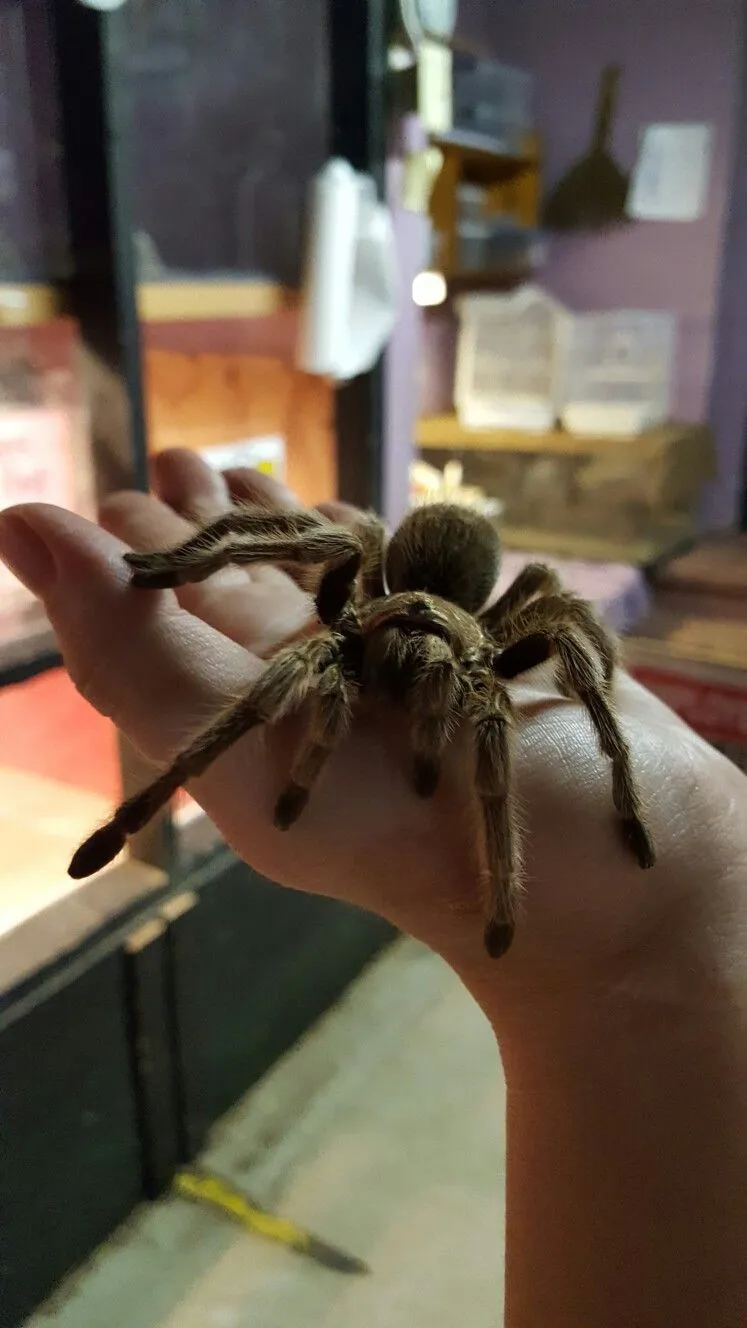
The rose hair tarantula, a popular pet, is known for its docile nature. However, they possess a unique defense mechanism: urticating hairs. These tiny, barbed hairs can cause significant irritation if they come into contact with skin or eyes. Understanding these hairs, their function, and how to avoid problems is crucial for any rose hair tarantula owner. This article will delve into the fascinating world of urticating hairs and provide you with the top five essential facts to keep your tarantula and yourself safe and happy. We’ll explore everything from what these hairs are to how to minimize exposure and handle your pet responsibly. Let’s explore the fascinating world of rose hair tarantula urticating hairs.
What are Urticating Hairs
Urticating hairs are specialized bristles found on the abdomen of New World tarantulas, including the rose hair tarantula (Grammostola rosea). These hairs are not like the typical hairs we see on mammals. They are incredibly fine and barbed, designed to irritate and cause discomfort when they come into contact with a threat. The tarantula flicks these hairs off its abdomen when threatened, and they become airborne or attach themselves to the perceived danger. These hairs are a primary defense mechanism, and understanding their nature is the first step in responsible tarantula ownership. The hairs are most concentrated on the abdomen and are easily dislodged, acting as a highly effective deterrent against predators. Understanding their role is crucial for safe handling and enclosure maintenance.
The Purpose of Urticating Hairs
The primary purpose of urticating hairs is defense. Rose hair tarantulas are relatively slow-moving creatures, and they have limited physical means to defend themselves, such as fangs. Urticating hairs serve as their primary defense. When a tarantula feels threatened, it uses its hind legs to kick off these hairs toward the perceived threat. This action is often accompanied by a defensive posture, such as rearing up and showing its fangs. The hairs are designed to irritate the skin, eyes, and mucous membranes of potential predators, giving the tarantula time to escape or deter the threat. This evolutionary adaptation is critical for survival in the wild, where these tarantulas face various predators. It protects them and helps them survive in their natural environment.
How Urticating Hairs Work

The mechanism by which urticating hairs work is quite fascinating. The hairs are incredibly small and barbed, which allows them to easily penetrate the skin. Once embedded, these hairs cause mechanical irritation. The barbs make the hairs difficult to remove, and the constant movement of the animal can exacerbate the irritation. The hairs also release a chemical irritant that causes an inflammatory response in the body. This combination of physical and chemical irritation results in itching, redness, and sometimes swelling or a rash. The intensity of the reaction can vary depending on the individual’s sensitivity and the amount of exposure. It is important to note that the irritation is typically not life-threatening but can be very uncomfortable.
Fact 1 Rose Hair Tarantulas and Their Defenses
Rose hair tarantulas have several defensive behaviors in addition to urticating hairs. They often start by trying to escape or hide. If cornered or continually provoked, they may display a threat posture, raising their front legs, opening their fangs, and raising their abdomen. This is a clear warning sign to back off. The urticating hairs are a last resort defense, employed when the tarantula feels cornered. Understanding these defensive behaviors is essential to handle your tarantula safely. It allows you to anticipate potential problems and avoid provoking the tarantula unnecessarily. Always respect the tarantula’s space and be mindful of its signals to prevent the use of urticating hairs.
Fact 2: The Kicking Mechanism
The kicking mechanism is a precise and efficient action. Using their hind legs, the tarantula rapidly flicks its abdomen towards a perceived threat. This action dislodges the urticating hairs, sending them into the air or directly towards the source of the perceived danger. The hairs are typically aimed toward the face or eyes of the threat. The tarantula will often perform this action repeatedly, ensuring that a sufficient number of hairs are deployed. The effectiveness of this mechanism is dependent on the species of tarantula and the size of the threat. The hairs are usually released in a cloud, maximizing the chance of contact. Understanding the mechanics of this defense helps owners avoid triggering the kicking behavior through improper handling.
Fact 3: Irritation and Symptoms

When urticating hairs come into contact with skin, the most common symptom is itching. This can range from mild to intense, depending on the number of hairs that make contact and the individual’s sensitivity. Redness, swelling, and a rash may also occur. In some cases, tiny bumps or blisters can develop. If the hairs get into the eyes, they can cause significant irritation, including redness, watering, and a gritty feeling. If inhaled, urticating hairs can cause respiratory irritation. Symptoms may last from a few days to several weeks. If you experience severe symptoms or if the hairs get into your eyes, it’s essential to seek medical attention. Proper washing with soap and water is recommended to minimize the reaction.
Fact 4: Handling and Risk
Handling rose hair tarantulas increases the risk of exposure to urticating hairs. Although not all tarantulas will kick hairs during handling, it is always a possibility. To minimize the risk, handle your tarantula only when necessary, such as for enclosure maintenance or health checks. Avoid sudden movements and respect the tarantula’s space. If you must handle your tarantula, do so over a soft surface, such as a bed or a container, to prevent injury if it falls. Wash your hands thoroughly before and after handling. Always be aware of the tarantula’s body language, and never force interaction. If your tarantula displays a defensive posture, cease handling immediately. Using tools to move the tarantula is a safe handling method.
Fact 5: Prevention and Care
Preventing exposure to urticating hairs involves a combination of cautious handling and enclosure management. Proper enclosure maintenance minimizes the risk of accidental exposure. If exposure occurs, understanding how to alleviate the symptoms is essential. If you get hairs on your skin, wash the affected area thoroughly with soap and water. Avoid rubbing, as this can push the hairs further into your skin. Use tape to remove the hairs from your skin. Over-the-counter antihistamines or topical creams may help reduce itching and inflammation. If you experience a severe reaction, seek medical advice. Prevention is always better than cure, so always prioritize safe handling practices.
Minimizing Exposure
The best way to minimize exposure is to handle your rose hair tarantula as little as possible. When you do need to handle the tarantula, do it carefully and deliberately. Avoid quick movements that might startle the tarantula and cause it to kick hairs. When cleaning the enclosure, be cautious about disturbing the tarantula. Use long-handled tools to remove waste or change substrate, and always wear gloves and a mask. Ensure that the enclosure is secure and well-ventilated to prevent the buildup of loose hairs. Careful planning and methodical execution are key to a positive experience with your pet. Education and practice are also crucial for success.
Proper Enclosure Management
Proper enclosure management is essential to minimize the spread of urticating hairs. Regularly clean the enclosure and remove any molted exoskeletons. Molting is a natural process for tarantulas and the shed exoskeletons can contain a large number of urticating hairs. Use a HEPA filter vacuum cleaner to remove loose hairs from the substrate and the enclosure walls. When adding substrate, carefully pour it into the enclosure to avoid creating a cloud of dust that could contain urticating hairs. A well-maintained enclosure is not only safer but also promotes a healthier and happier tarantula. Inspect the enclosure for any damage that might allow the tarantula to escape or expose you to hairs. Always wash your hands after handling any enclosure materials.
Conclusion
Urticating hairs are a fascinating aspect of rose hair tarantulas. While they can be a nuisance, understanding them and taking precautions is the key to a safe and enjoyable experience with your pet. By knowing how these hairs work, how the tarantula uses them, and how to minimize exposure, you can be a responsible and informed tarantula owner. Always prioritize your pet’s well-being and your safety. With proper care and handling, your rose hair tarantula can be a rewarding and exciting pet. Enjoy the unique experience of owning one of these amazing creatures.