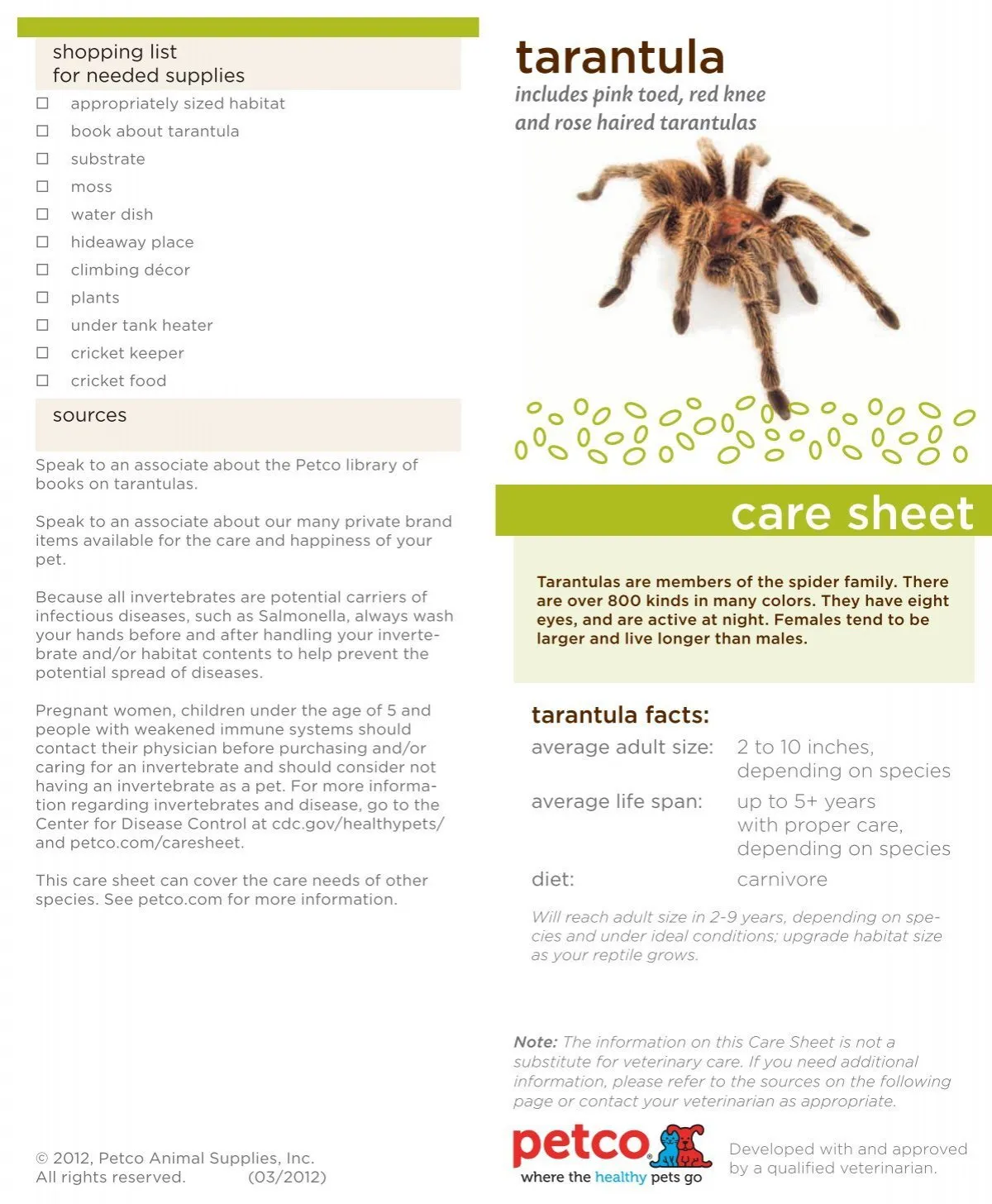
Understanding the Rose Hair Tarantula (Grammostola rosea)
The Rose Hair Tarantula, scientifically known as Grammostola rosea, is a popular choice for beginner tarantula keepers. These arachnids are native to the arid and semi-arid regions of South America, particularly Chile, Bolivia, and Argentina. Their calm temperament and relatively low maintenance make them an attractive pet. Rose Hair Tarantulas are known for their beautiful coloration, with a blend of rose, brown, and tan hues that become more vibrant with each molt. Understanding their natural history is the first step toward providing proper care and ensuring their well-being. These tarantulas typically live for 10-20 years, with females living significantly longer than males. They are terrestrial spiders, meaning they spend most of their time on the ground. They are also nocturnal hunters, so most of their activity will occur at night.
Origin and Habitat of the Rose Hair Tarantula
Rose Hair Tarantulas are naturally found in the dry, scrubby environments of South America. Their habitat is characterized by low humidity, moderate temperatures, and rocky or sandy terrain. They create burrows or take shelter under rocks, logs, or other natural structures to escape the heat and predators. Replicating their natural environment in captivity is crucial for their health and happiness. This includes providing a dry substrate, a hide for them to retreat to, and a temperature gradient. They are well adapted to the climate of their region and can endure significant temperature fluctuations. They are also very adaptable and can be found in different habitat types.
Key Aspects of Rose Hair Tarantula Care

Caring for a Rose Hair Tarantula involves several key elements that, when combined, create a healthy and comfortable environment for your pet. These aspects include providing a suitable enclosure, maintaining proper temperature and humidity levels, offering a balanced diet, ensuring a clean water source, and handling them safely. Each of these elements is critical to the tarantula’s well-being. By understanding these facets, you can ensure that your Rose Hair Tarantula thrives and provides you with years of enjoyment. The main things to remember is the importance of researching and studying their needs. They are generally hardy but, like any other pet, they need care and attention.
Choosing the Right Enclosure
Selecting the right enclosure is one of the most important decisions when preparing to care for a Rose Hair Tarantula. The enclosure should be appropriately sized, well-ventilated, and secure to prevent escapes. Glass or clear plastic terrariums are ideal, allowing for easy viewing and monitoring of the tarantula. The enclosure should also be easy to clean and maintain. A secure lid is essential, as Rose Hair Tarantulas are capable of climbing and can squeeze through small openings. Additionally, the enclosure’s material should be non-toxic and safe for the tarantula. Proper ventilation is essential to prevent the buildup of moisture and potential fungal infections. The enclosure’s overall setup will have a direct impact on your tarantula’s well-being and quality of life.
Enclosure Size and Setup
The size of the enclosure should be proportional to the size of your tarantula. A general guideline is to provide an enclosure that is at least three times the tarantula’s leg span in width and length. Young tarantulas can start in smaller enclosures and be upgraded as they grow. The enclosure should include a substrate, a water dish, and a hide. The hide provides a sense of security and reduces stress. You can use commercially available hides or create your own from cork bark, half logs, or other non-toxic materials. Ensure the enclosure is set up in a way that creates a gradient of temperature and humidity so your tarantula can regulate its comfort.
Substrate Selection and Maintenance
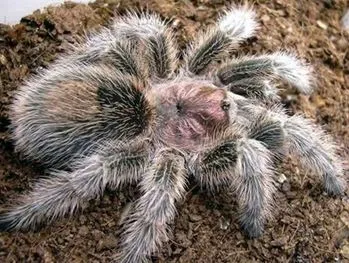
The substrate is the bedding material used in the enclosure. For Rose Hair Tarantulas, a substrate that holds moisture but doesn’t stay overly wet is ideal. Good choices include a mixture of peat moss, vermiculite, and coconut fiber. The substrate should be deep enough for the tarantula to burrow, if it chooses. The depth of the substrate will vary depending on the size of your tarantula. Maintain the substrate by spot cleaning regularly to remove uneaten food and fecal matter. It’s recommended to completely replace the substrate every few months, or sooner if necessary, to prevent the buildup of bacteria and odors. Proper substrate maintenance is essential for a healthy living environment.
Providing Optimal Temperature and Humidity
Maintaining the right temperature and humidity levels is crucial for the health and well-being of your Rose Hair Tarantula. While these tarantulas are relatively hardy, providing the right conditions will help them thrive. Regular monitoring and adjustments are often necessary. Investing in a reliable thermometer and hygrometer will allow you to keep track of the temperature and humidity levels within the enclosure. Avoid extreme fluctuations and maintain the recommended ranges consistently to prevent potential issues such as dehydration or respiratory problems. Also consider the type of enclosure when it comes to heating and humidity control.
Temperature Requirements
Rose Hair Tarantulas thrive in temperatures between 75°F and 85°F (24°C to 29°C). A heat source such as a low-wattage heat mat can be placed on the side of the enclosure to maintain the desired temperature. Avoid placing the heat source directly under the enclosure, as this can cause the substrate to dry out too quickly. It’s important to provide a temperature gradient within the enclosure, allowing the tarantula to choose the area that best suits its needs. The ambient room temperature often suffices in many homes, but careful monitoring with a thermometer is always recommended to be sure. Avoid placing the enclosure in direct sunlight or near drafts.
Humidity Control
Rose Hair Tarantulas prefer humidity levels between 60% and 70%. This can be achieved by misting the enclosure lightly with water, typically once or twice a week. Over-misting can lead to mold and bacterial growth, so it’s important to monitor the humidity levels and adjust the misting schedule accordingly. The humidity levels can be monitored using a hygrometer. The substrate also plays a role in maintaining humidity, with some substrates retaining moisture better than others. Adequate ventilation is essential to prevent the buildup of excessive moisture and to ensure good air circulation within the enclosure. Ensure the water dish is always filled, as this is a source of water for the tarantula that helps keep the humidity up.
Feeding Your Rose Hair Tarantula
Feeding your Rose Hair Tarantula is a straightforward process, but it’s important to provide the right type of food and feed it at the proper frequency. They are opportunistic feeders, meaning they will eat whatever is available, but a varied diet is beneficial for their health. The size of the food items should be appropriate for the size of the tarantula, with juveniles needing smaller prey. Providing the right food will not only keep them healthy but will also stimulate natural behaviors, and help them to flourish in captivity. Remember to remove any uneaten food items promptly to prevent mold and mites.
Appropriate Food Choices
The primary food source for Rose Hair Tarantulas is insects. Good choices include crickets, mealworms, and roaches. These insects should be gut-loaded (fed nutritious food for 24 hours before feeding them to the tarantula) to provide optimal nutrition for the tarantula. Avoid feeding your tarantula insects collected from outside, as these may carry parasites or pesticides. You can also feed your tarantula pre-killed insects, especially if you’re worried about them getting injured during the hunt. However, live insects often provide more stimulation. The size of the food should match the tarantula’s size; juveniles will eat smaller insects, and adults can handle larger prey.
Feeding Frequency and Techniques

Juvenile Rose Hair Tarantulas should be fed two to three times a week, while adults can be fed once or twice a week. Adjust the frequency based on the tarantula’s appetite and body condition. A well-fed tarantula will have a plump abdomen. Remove any uneaten food within 24 hours to prevent the growth of mold or mites. Place the live insect into the enclosure and observe if the tarantula is interested. If the tarantula is not interested in eating, remove the insect and try again in a few days. Some tarantulas may go for long periods without eating, especially when they are preparing to molt.
Watering and Hydration
Providing fresh water is a crucial aspect of caring for a Rose Hair Tarantula. Although they get some hydration from their food, they need a constant supply of fresh water to stay hydrated. Dehydration can lead to health problems and even death. The water should always be clean and accessible. Regular monitoring will allow you to see if the tarantula is drinking and ensure that there is always a supply of fresh, clean water available. Using a water dish that is shallow is important to avoid the risk of drowning, and to make it easy for the tarantula to drink safely. It is also important to note that they get a lot of hydration from the food they eat, so keeping everything hydrated and clean is important.
Providing Fresh Water
Always provide your Rose Hair Tarantula with a shallow water dish filled with fresh, clean water. Use a dish that is shallow enough to prevent the tarantula from drowning. Replace the water at least twice a week, or more often if it becomes soiled. Distilled or bottled water is recommended to avoid any harmful chemicals that may be present in tap water. The water dish should be placed in an accessible location within the enclosure, but not directly under the heat source, as this can cause the water to evaporate too quickly. Make sure to monitor the water level and refill as necessary.
Monitoring Water Levels

Regularly monitor the water level in the dish to ensure that your Rose Hair Tarantula always has access to fresh water. If the water level is low, refill the dish promptly. In addition to the water dish, you can also mist the enclosure with water occasionally to provide additional humidity and a source of water droplets for the tarantula to drink from. Watch your tarantula’s behavior to ensure it is drinking and staying hydrated. Signs of dehydration include a shriveled abdomen and lethargy. If you observe these signs, provide more water and consult a veterinarian or experienced tarantula keeper.
Handling and Safety Precautions
While Rose Hair Tarantulas are known for their docile nature, it’s important to handle them with care and take necessary safety precautions. Tarantulas can be easily injured, and their bites, although not usually life-threatening to humans, can be painful and cause allergic reactions in some individuals. Handling should always be minimized and only done when necessary. When interacting with your tarantula, remember that respect and caution are key. Their well-being is a priority and your safety should be taken into consideration as well.
Safe Handling Practices
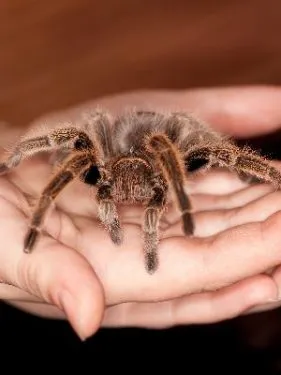
Handle your Rose Hair Tarantula only when necessary, such as for enclosure maintenance or health checks. When handling, always use a soft brush or a container to gently coax the tarantula out of its enclosure. Avoid touching the tarantula directly, as this can stress it. If the tarantula needs to be moved, allow it to walk onto your hand slowly and deliberately. Always handle the tarantula over a soft surface, such as a bed or carpet, to minimize the risk of injury if it falls. Never try to grab or restrain the tarantula, as this can cause it to bite or flick urticating hairs. Wash your hands thoroughly before and after handling your tarantula, and avoid using scented soaps or lotions, as the chemicals can be harmful to the tarantula.
Recognizing and Avoiding Potential Hazards

Be aware of potential hazards when handling your Rose Hair Tarantula. Tarantulas can be startled by sudden movements or loud noises, leading to defensive behavior. Avoid any actions that might frighten the tarantula, such as dropping it or squeezing it. Always be mindful of the tarantula’s posture and behavior. If the tarantula raises its front legs, it may be a sign that it feels threatened and could bite. If you are bitten, clean the wound immediately with soap and water. If you experience severe symptoms, seek medical attention. Be aware of the tarantula’s urticating hairs, which can cause skin irritation and itching. Avoid blowing on the tarantula, as this can cause it to flick these hairs. Keep the enclosure secure and prevent escapes.
Common Health Issues and Solutions
Like any pet, Rose Hair Tarantulas can experience health issues. Understanding the most common problems and how to address them is essential for responsible ownership. Many health problems can be prevented with proper care, including a suitable environment, appropriate diet, and good hygiene. Monitoring your tarantula regularly will help you to catch any potential health problems early and get professional help if needed. Knowledgeable tarantula keepers often recommend regular inspections of the tarantula and its enclosure.
Moulting Process
Moulting is a natural process in which tarantulas shed their exoskeleton to grow. Before moulting, the tarantula may stop eating and become less active. The abdomen may darken, and the tarantula may create a web mat to lie on. During moulting, the tarantula will lie on its back and slowly emerge from its old exoskeleton. Do not disturb the tarantula during this process. After moulting, the tarantula’s new exoskeleton will be soft and vulnerable. Wait until the exoskeleton hardens before feeding the tarantula. Providing a humid environment will help with the moulting process. The frequency of moulting depends on the tarantula’s age and growth rate. Young tarantulas will moult more frequently than adults.
Preventing and Addressing Health Problems

Common health problems include dehydration, parasitic infections, and fungal infections. Dehydration can be prevented by providing fresh water and maintaining appropriate humidity levels. Parasitic infections can be avoided by feeding gut-loaded insects and practicing good hygiene. Fungal infections can be prevented by ensuring good ventilation and keeping the enclosure clean. If you notice any signs of illness, such as lethargy, loss of appetite, or unusual behavior, consult a veterinarian or experienced tarantula keeper. Be observant and take note of any changes in your tarantula’s appearance or behavior. Prompt action and early intervention can significantly improve the chances of recovery.
Rose Hair Tarantula Behavior and Temperament
Understanding the behavior and temperament of a Rose Hair Tarantula will help you provide better care and have a more rewarding experience as a pet owner. These tarantulas are generally docile, but their behavior can vary based on their individual personality, age, and environmental conditions. Observing your tarantula’s behavior can provide valuable insights into its well-being and help you to identify any potential issues. Patience and a willingness to learn about your tarantula’s specific needs will contribute to a positive experience for both you and your pet.
Understanding Tarantula Behavior
Rose Hair Tarantulas are crepuscular and nocturnal, meaning they are most active during dawn, dusk and night. They spend a significant amount of time in their burrows or hides, and they are not very active during the day. They use their fangs to inject venom to immobilize their prey. They also use their urticating hairs as a defense mechanism. They can flick these hairs at potential threats. Some tarantulas may exhibit defensive behaviors, such as raising their front legs or displaying their fangs, when they feel threatened. They are generally solitary creatures and do not require companionship. They are also known to be quite sensitive to vibrations and changes in their environment.
Identifying Signs of Stress
It is important to recognize the signs of stress in your Rose Hair Tarantula to ensure its well-being. Signs of stress include a lack of appetite, excessive hiding, and erratic behavior. A tarantula that is frequently hiding may be feeling insecure or threatened by its environment. If your tarantula is flicking its urticating hairs, it is likely feeling stressed or threatened. Prolonged stress can weaken the tarantula’s immune system and make it more susceptible to diseases. Provide a safe and comfortable environment to minimize stress. Avoid handling the tarantula unnecessarily, and ensure that the enclosure is properly maintained and set up. If your tarantula exhibits any of these signs of stress, consult an experienced tarantula keeper or veterinarian for advice.
Conclusion Your Guide to Rose Hair Tarantula Care
Caring for a Rose Hair Tarantula can be a rewarding experience. By understanding their needs, providing a suitable environment, and following proper care guidelines, you can ensure that your tarantula thrives and brings you years of enjoyment. Remember to research thoroughly, observe your tarantula’s behavior, and be patient. It is also important to continually educate yourself on the latest care practices. With the right knowledge and dedication, you can become a successful Rose Hair Tarantula keeper. Always prioritize the tarantula’s health and well-being. If in doubt, seek advice from experienced keepers or a qualified veterinarian. Enjoy the experience and the unique companionship of your Rose Hair Tarantula.