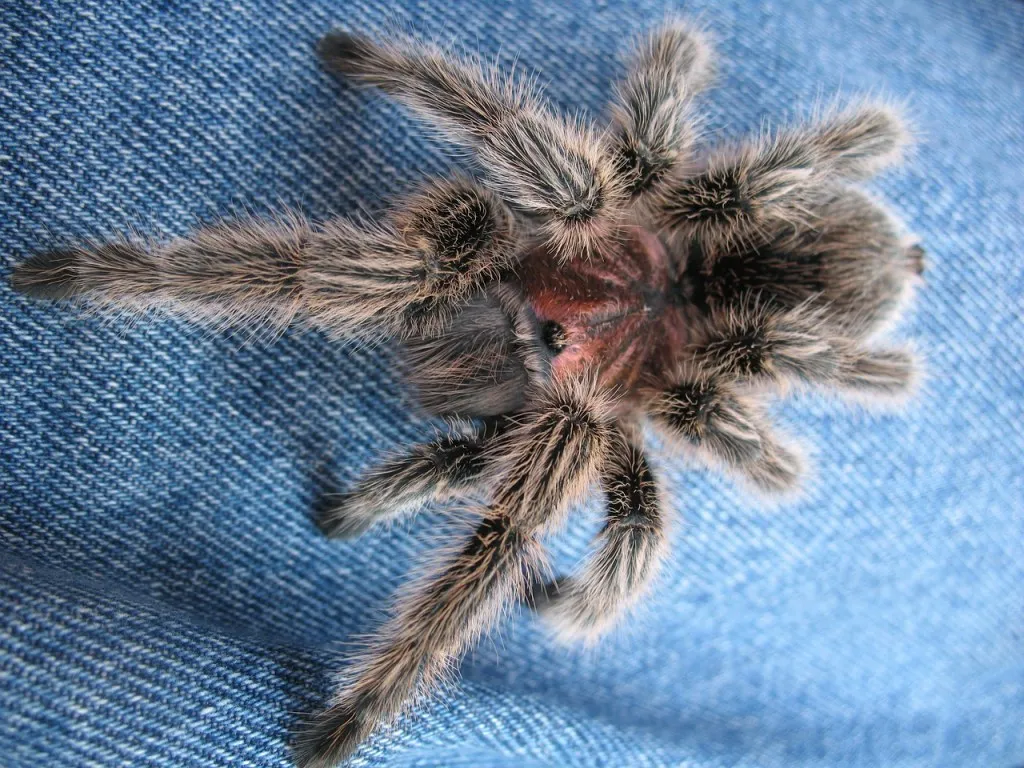
Understanding the Rose Hair Tarantula
The Rose Hair Tarantula (Grammostola rosea), also known as the Chilean Rose Hair Tarantula, is a popular choice for beginner tarantula keepers. Known for their docile temperament and relatively easy care requirements, these arachnids offer a fascinating glimpse into the world of exotic pets. This comprehensive guide provides everything you need to know about caring for your Rose Hair Tarantula, from setting up their enclosure to understanding their specific needs. Owning a Rose Hair Tarantula can be a rewarding experience, offering a unique opportunity to observe and appreciate these captivating creatures. Understanding their natural behaviors and providing a suitable environment is key to their well-being and longevity. This guide will help you provide the best possible care for your Rose Hair Tarantula, ensuring a healthy and thriving pet.
Origin and Habitat
Rose Hair Tarantulas are native to the arid and semi-arid regions of Chile, Bolivia, and Argentina. In their natural habitat, they live in burrows, often under rocks, logs, or other natural cover. They are well-adapted to survive in dry environments, making proper humidity management crucial in captivity. Replicating their natural environment is essential for their health and well-being. When setting up your Rose Hair Tarantula’s enclosure, consider the aspects of its natural habitat. This will allow you to provide a comfortable and suitable environment.
Physical Characteristics

These tarantulas are typically a reddish-brown color, with characteristic pinkish hairs on their carapace and legs, giving them their common name. Adults can range from 5 to 6 inches in leg span. They are generally considered to be a slow-growing species, with females living for over 20 years in captivity. Males, however, have shorter lifespans. Observe their size, color, and behavior to understand their overall health.
Creating the Ideal Enclosure
A well-designed enclosure is vital for the health and happiness of your Rose Hair Tarantula. The enclosure should provide a secure and comfortable environment, mimicking their natural habitat as closely as possible. Consider size, substrate, temperature, and humidity. Proper enclosure setup will decrease stress and create the perfect environment for your tarantula. Regular maintenance and cleaning are also important to keep your pet healthy.
Enclosure Size and Type
A suitable enclosure for an adult Rose Hair Tarantula is typically a 10-gallon tank or larger. The enclosure should be wider than it is tall, as these tarantulas are terrestrial and prefer to move horizontally. Ensure the enclosure has a secure lid to prevent escape. The enclosure should have adequate ventilation to prevent the buildup of moisture. A clear enclosure allows you to observe your tarantula and maintain their environment.
Substrate Selection
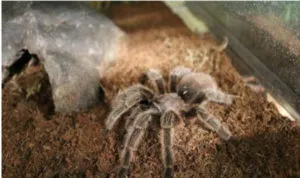
The substrate is the bedding material at the bottom of the enclosure. A good substrate for a Rose Hair Tarantula is a mix of peat moss, coconut fiber, and a small amount of vermiculite. This combination retains moisture while allowing for proper drainage. The substrate should be deep enough (2-4 inches) to allow the tarantula to burrow. The substrate helps regulate humidity and provides a comfortable environment. Avoid using substrates such as sand or gravel, which can be difficult to maintain and may pose health risks.
Temperature and Humidity
Rose Hair Tarantulas thrive in temperatures between 75-85°F (24-29°C). A heat mat placed on the side of the enclosure can help maintain the desired temperature. Humidity levels should be kept between 60-70%. You can monitor the humidity with a hygrometer. To maintain humidity, lightly mist the enclosure with water every few days, depending on the ambient conditions. Ensure adequate ventilation to prevent mold growth.
Feeding Your Rose Hair Tarantula
Proper nutrition is crucial for the health and growth of your Rose Hair Tarantula. They are opportunistic feeders, meaning they will eat whatever they can catch. Understand their dietary needs and providing the correct food, quantity, and frequency will promote healthy growth and longevity. Ensure the food items are safe and free of pesticides or other harmful substances. Proper feeding will make your pet happy and healthy.
Dietary Needs

The primary food source for a Rose Hair Tarantula should be insects. Crickets, mealworms, and Dubia roaches are all suitable options. The size of the food should be appropriate for the size of the tarantula. Avoid feeding your tarantula wild-caught insects, as they may carry parasites or pesticides. It is important to dust the insects with a calcium and vitamin supplement to ensure your tarantula gets the necessary nutrients. This will ensure the tarantula has a balanced diet.
Feeding Frequency
Young Rose Hair Tarantulas (spiderlings) should be fed 2-3 times per week. Adults can be fed once every 1-2 weeks. Adjust the feeding frequency based on the tarantula’s appetite and body condition. If the tarantula refuses food, it may be preparing to molt. Remove any uneaten food within 24 hours to prevent mold growth. Overfeeding can lead to health problems, so it’s essential to monitor your tarantula’s eating habits.
Watering and Hydration
Provide a shallow water dish with fresh water at all times. The water dish should be small enough to prevent the tarantula from drowning. Change the water regularly to prevent bacterial growth. Alternatively, you can mist the enclosure, ensuring that the tarantula has access to water droplets. Keep the water supply clean to maintain a healthy environment. Make sure the water dish is easily accessible for the tarantula.
Handling and Interaction

While Rose Hair Tarantulas are known for their docile temperament, it is important to handle them with caution and respect. Handling should be kept to a minimum. Always prioritize the tarantula’s well-being and safety. When handling a tarantula, move slowly and deliberately to avoid startling them. The tarantula’s safety should always be the priority.
Safe Handling Practices
If you choose to handle your Rose Hair Tarantula, do so with caution. Never handle a tarantula if you are nervous or if the tarantula appears stressed. Gently coax the tarantula onto your hand, allowing it to walk onto your palm. Avoid making sudden movements. Always keep your hand close to a soft surface, in case the tarantula falls. Always supervise children when they are near the tarantula.
Recognizing Stress
Observe your tarantula for signs of stress. Some signs include: flicking hairs (urticating hairs), raising its front legs in a defensive posture, or running away. If your tarantula displays these behaviors, it is best to leave it alone. Try to avoid handling your tarantula when it is close to molting. Understanding your tarantula’s behavior is important in providing a good living environment.
Molting Process

Molting is a natural process where tarantulas shed their exoskeletons to grow. It is an important part of their life cycle. The frequency of molting depends on the tarantula’s age and growth rate. Provide a stress-free environment during this time. Understanding this process can help you provide the best care. Molting is a vulnerable time for tarantulas.
Signs of Molting
Before molting, a Rose Hair Tarantula will often stop eating, become less active, and may change color. You might also notice the tarantula’s abdomen appearing darker. Some tarantulas will seal themselves in a webbing mat. Be patient and do not disturb them during this time. Avoid feeding them if they stop eating. These are all common signs of molting.
Caring for a Molting Tarantula
During the molting process, it is important to keep the enclosure undisturbed. Do not handle or feed the tarantula. Maintain the proper temperature and humidity levels. If the tarantula flips over on its back, do not attempt to help it. The molting process can take several hours or even days. After molting, the tarantula’s new exoskeleton will be soft. Wait a week or two before feeding it, allowing the exoskeleton to harden. Ensure the tarantula is well hydrated.
Health and Common Issues

While Rose Hair Tarantulas are relatively hardy, they can still experience health problems. Maintaining a clean and appropriate environment will minimize the risk. Regular observation can help you detect any problems early. Proper care and attention can address potential health concerns. Be vigilant and informed about potential issues.
Identifying and Addressing Problems
Some common health issues include mites, fungal infections, and injuries. Mites can often be seen on the tarantula or in the substrate. Fungal infections can occur if the enclosure is too humid or has poor ventilation. Injuries can result from falls or improper handling. If you notice any signs of illness, such as lethargy, loss of appetite, or unusual behavior, consult with a veterinarian experienced in exotic animals. Proper diagnosis and treatment are important.
Preventative Care
Preventative care is key to keeping your Rose Hair Tarantula healthy. Regularly clean the enclosure, remove uneaten food, and provide fresh water. Maintain the correct temperature and humidity levels. Provide a varied diet with appropriate supplements. Handle the tarantula with care and avoid stressful situations. Observe your tarantula regularly for any signs of illness or injury. Regular check-ups are important.
Conclusion
Caring for a Rose Hair Tarantula can be a rewarding experience. By following this care guide, you can provide a healthy and enriching environment for your pet. Remember to research and learn as much as possible. Always prioritize the well-being of your tarantula. Enjoy the unique opportunity to observe and appreciate these fascinating creatures. A happy and healthy Rose Hair Tarantula will bring you years of enjoyment. Continue to learn and adapt to the specific needs of your pet.